Many chaplains were not permitted to go near the Front in the First World War - others insisted on doing so, like Kenneth Best in the Gallipoli Campaign.
The true story of seventeen months in the life of a Vietnamese village where a handful of American Marines and Vietnamese militia lived and died together attempting to defend it.
This riveting New York Times bestseller tells of the shocking true story of a rogue Soviet submarine poised for a nuclear strike on the United States, ';reveal[ing] the explosive facts about one of the best-kept secrets of the Cold War' (The Flint Journal).
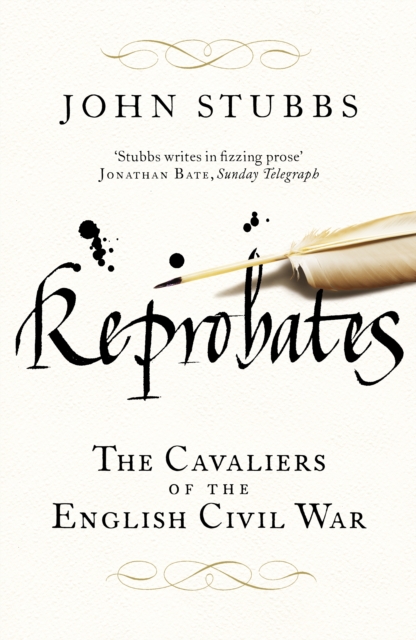
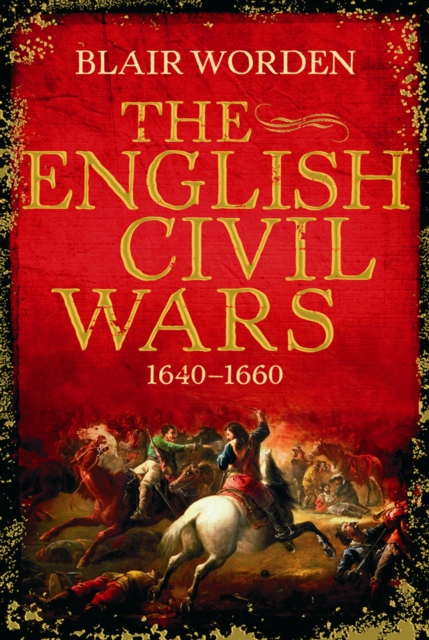
From disastrous foreign forays to syphilitic poets, from political intriguing to ambitious young playwrights keen to curry favour with the king, John Stubbs brings alive the vibrant cast of characters that were at the centre of the English Civil War.
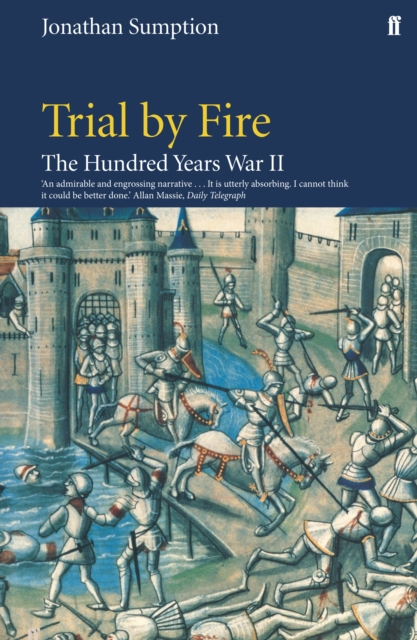
In the second volume of his celebrated history of the Hundred Years War, Jonathan Sumption examines the middle years of the fourteenth century and the succession of crises that threatened French affairs of state, including defeat at Poitiers and the capture of the king.
This book brings together, for the first time, the classic articles that began and have shaped the debate about the Military Revolution in early modern Europe, adding important new essays by eminent historians of early modern Europe to further this important scholarly interchange.
This book brings together, for the first time, the classic articles that began and have shaped the debate about the Military Revolution in early modern Europe, adding important new essays by eminent historians of early modern Europe to further this important scholarly interchange.
European Military Rivalry, 1500-1750: Fierce Pageant examines more than 200 years of international rivalry across Western, Central, and Eastern Europe and the Mediterranean rim.
European Military Rivalry, 1500-1750: Fierce Pageant examines more than 200 years of international rivalry across Western, Central, and Eastern Europe and the Mediterranean rim.
A splendid (The Wall Street Journal) account of one of ancient historys most important and yet little-known wars, the campaign culminating in the Battle of Actium in 31 BC, whose outcome determined the future of the Roman Empire.
From classicist James Romm comes a ';strikingfascinating' (Booklist) deep dive into the last decades of ancient Greek freedom leading up to Alexander the Great's destruction of Thebesand the saga of the greatest military corps of the time, the Theban Sacred Band, a unit composed of 150 pairs of male lovers.
**New York Times Book Review Editors' Choice** To save ancient Arabic texts from Al Qaeda, a band of librarians pulls off a brazen heist worthy of Ocean's Eleven in this ';fast-paced narrative that ispart intellectual history, part geopolitical tract, and part out-and-out thriller' (The Washington Post) from the award-winning journalist and author of The Falcon Thief.
An incisive look at immigration, assimilation, and national identity (Kirkus Reviews) and the landmark immigration law that transformed the face of the nation more than fifty years ago, as told through the stories of immigrant families in one suburban county in Virginia.
On 8 November 2004, the largest battle of the War on Terror began, with the US Army's assault on Fallujah and its network of tens of thousands of insurgents hiding in fortified bunkers, on rooftops, and inside booby-trapped houses.
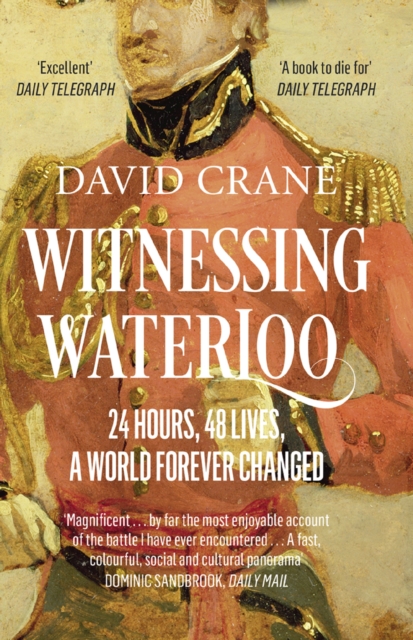
Publishing to coincide with the 200th anniversary of the Battle of Waterloo, for the first time a modern British history tells the story of the against-the-odds triumph through the accounts of the regimental officers and soldiers whose bravery and resolution achieved victory.
"e;You would be surprised to see what men we have in the ranks,"e; Virginia cavalryman Thomas Rowland informed his mother in May 1861, just after joining the Army of Northern Virginia.
Originally published as Deathride, this is the true story of the Eastern Front in World War II, emphasizing how close Germany came to winning and the USSR to losing; the severity of the Soviet losses, which have been minimized due to Soviet propaganda; and the importance of the Allied invasions of North Africa and Sicily, among other factors, in forcing Hitler to re-deploy troops, saving the Soviets from disaster.
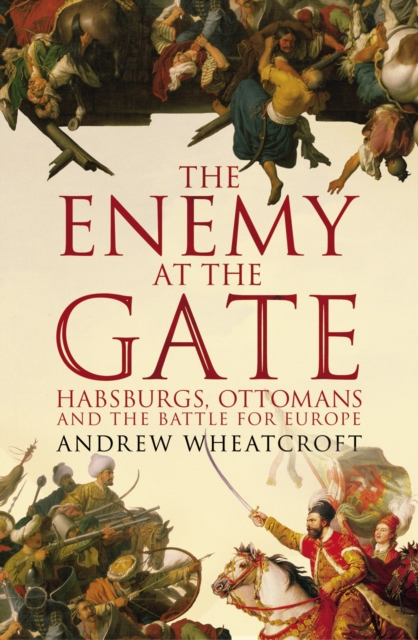
In 1683, two empires - the Ottoman, based in Constantinople, and the Habsburg dynasty in Vienna - came face to face in the culmination of a 250-year power struggle: the Great Siege of Vienna.
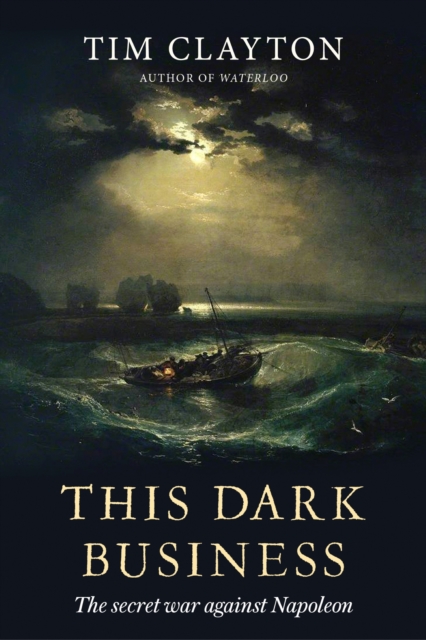
Between two attempts in 1800 and 1804 to assassinate Napoleon Bonaparte, the British government launched a campaign of black propaganda of unprecedented scope and intensity to persuade George III's reluctant subjects to fight the Napoleonic War, a war to the death against one man: the Corsican usurper and tyrant.
No story of World War II is more triumphant than the liberation of France, made famous in countless photos of Parisians waving American flags and kissing GIs, as columns of troops paraded down the Champs lyses.
'Napoleon is an out-and-out masterpiece and a joy to read' Sir Antony Beevor, author of StalingradA landmark new biography that presents the man behind the many myths.
'A superb little book that is micro-history at its best' Washington Post'The brevity of this remarkable book belies the amount of work that went into it.
[Previously published as 'Went The Day Well']A sweeping political, social, military and cultural overview of the United Kingdom on the eve, and then the day, of the greatest battle fought by British arms.
Retaining well-loved features from the previous editions, Stuart Britain and the Crisis of Monarchy has been approved by AQA and matched to the 2015 specifications.
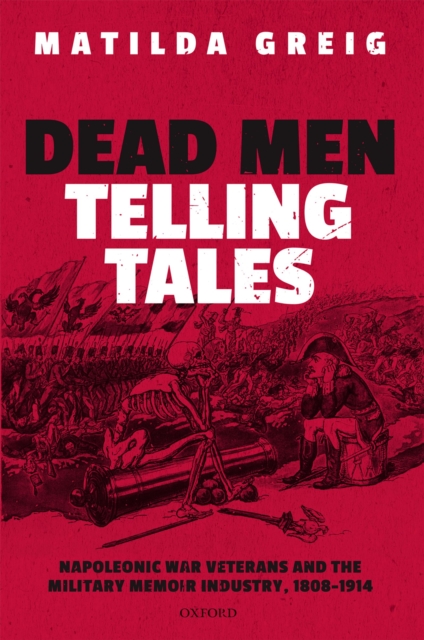
Dead Men Telling Tales is an original account of the lasting cultural impact made by the autobiographies of Napoleonic soldiers over the course of the nineteenth century.
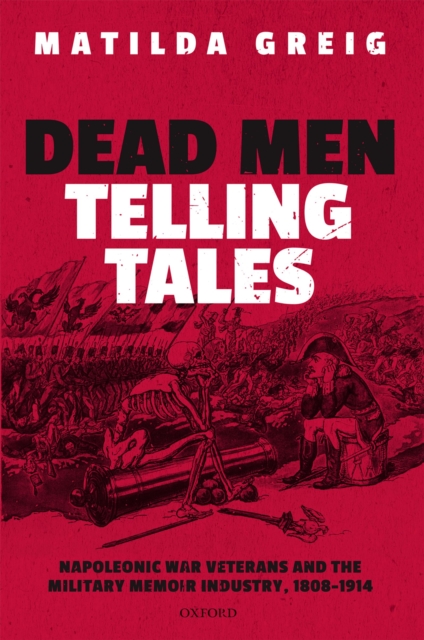
Dead Men Telling Tales is an original account of the lasting cultural impact made by the autobiographies of Napoleonic soldiers over the course of the nineteenth century.
England's Islands in a Sea of Troubles examines the jurisdictional disputes and cultural complexities in England's relationship with its island fringe from Tudor times to the eighteenth century, and traces island privileges and anomalies to the present.
England's Islands in a Sea of Troubles examines the jurisdictional disputes and cultural complexities in England's relationship with its island fringe from Tudor times to the eighteenth century, and traces island privileges and anomalies to the present.
Armies and Political Change in Britain, 1660 -1750 argues that armies had a profound impact on the major political events of late seventeenth- and early eighteenth-century Britain.
Armies and Political Change in Britain, 1660 -1750 argues that armies had a profound impact on the major political events of late seventeenth- and early eighteenth-century Britain.
The Hero of Italy examines a salient episode in Italy's Thirty Years' War with Spain and France, whereby the young duke Odoardo Farnese of Parma embraced the French alliance, only to experience defeat and occupation after two tumultuous years (1635-1637).
Following the execution of Charles I in January 1649, England's fledgling republic was faced with a dilemma: which parts of the nation's bloody recent past should be remembered, and how, and which were best consigned to oblivion?