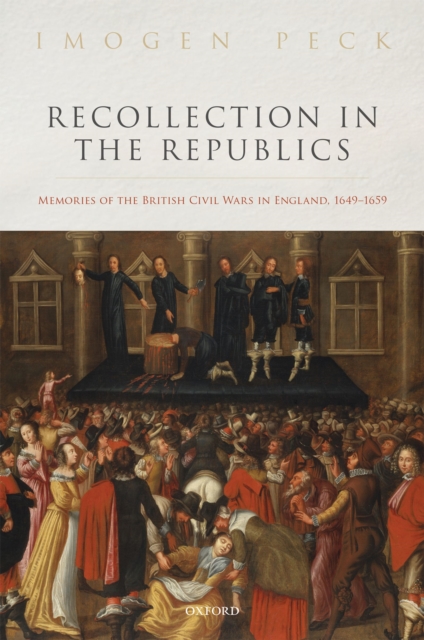
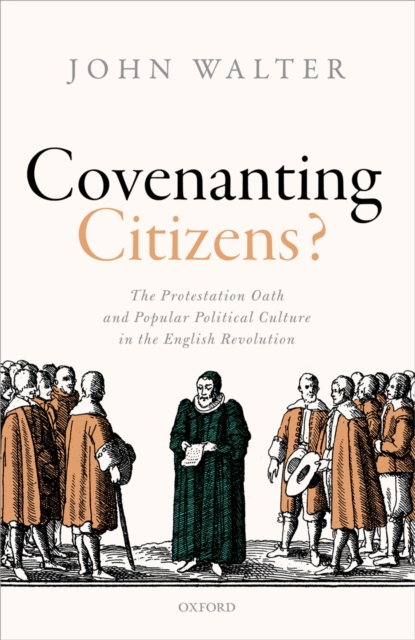
Following the execution of Charles I in January 1649, England's fledgling republic was faced with a dilemma: which parts of the nation's bloody recent past should be remembered, and how, and which were best consigned to oblivion?
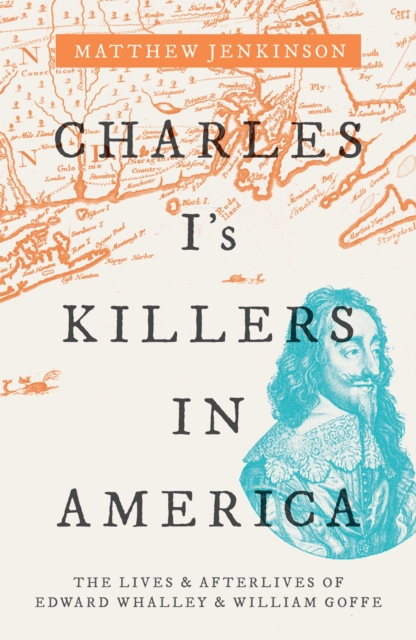
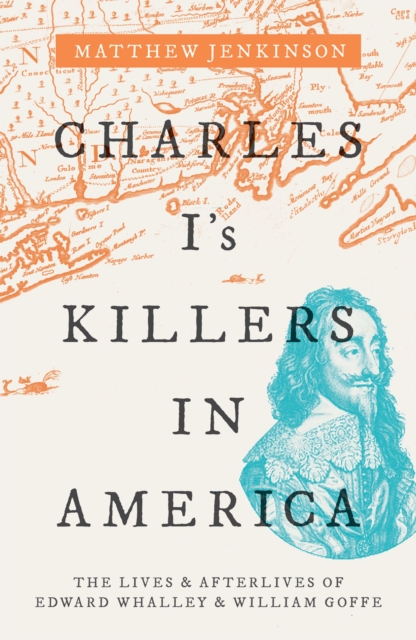
When the British monarchy was restored in 1660, King Charles II was faced with the conundrum of what to with those who had been involved in the execution of his father eleven years earlier.
When the British monarchy was restored in 1660, King Charles II was faced with the conundrum of what to with those who had been involved in the execution of his father eleven years earlier.
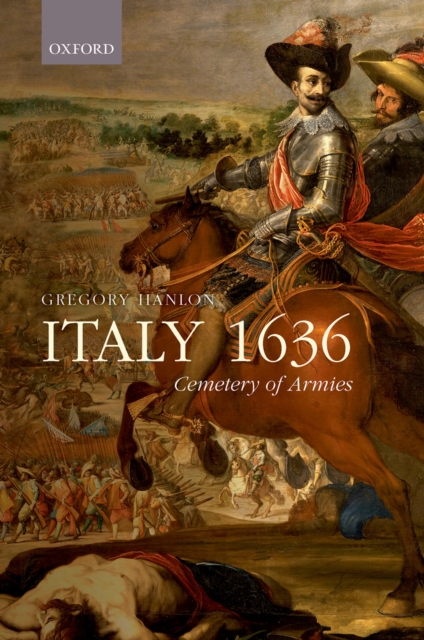
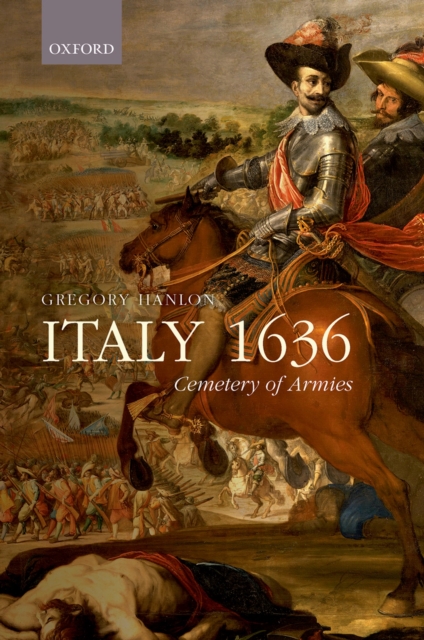
Italy 1636 is one of the most closely-researched and detailed books on the operation of early modern armies anywhere, and is explicitly inspired by neo-Darwinian thinking.
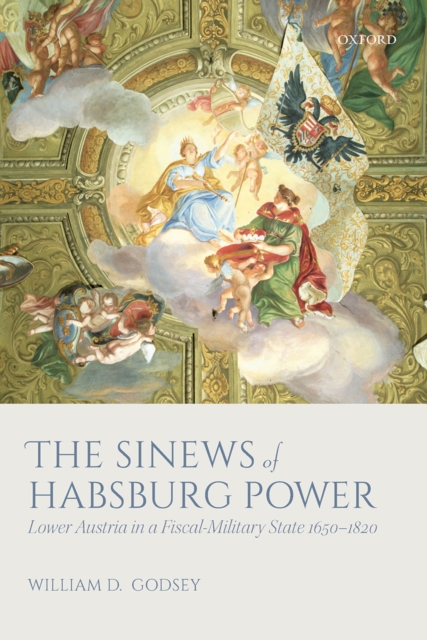
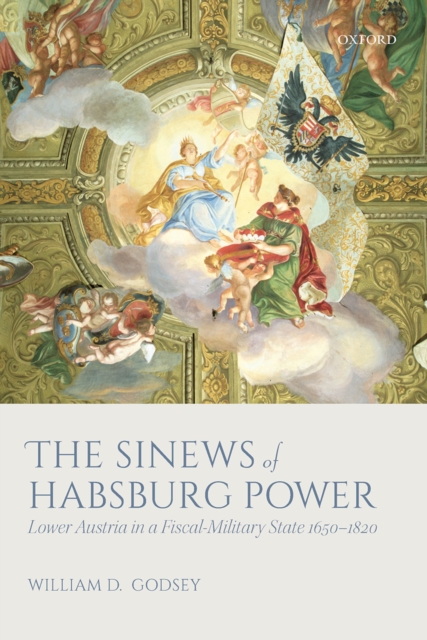
The Sinews of Habsburg Power explores the domestic foundations of the immense growth of central European Habsburg power from the rise of a permanent standing army after the Thirty Years' War to the end of the Napoleonic wars.
The Sinews of Habsburg Power explores the domestic foundations of the immense growth of central European Habsburg power from the rise of a permanent standing army after the Thirty Years' War to the end of the Napoleonic wars.
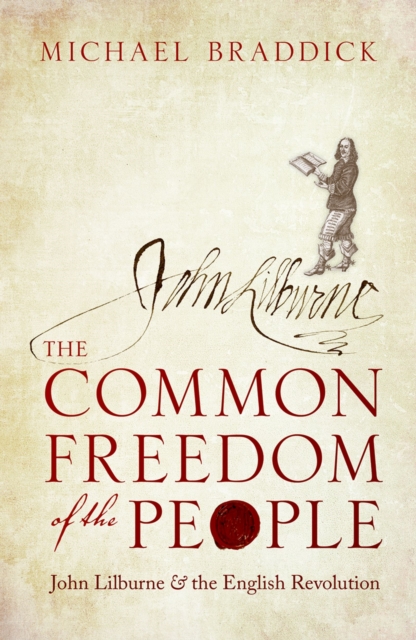
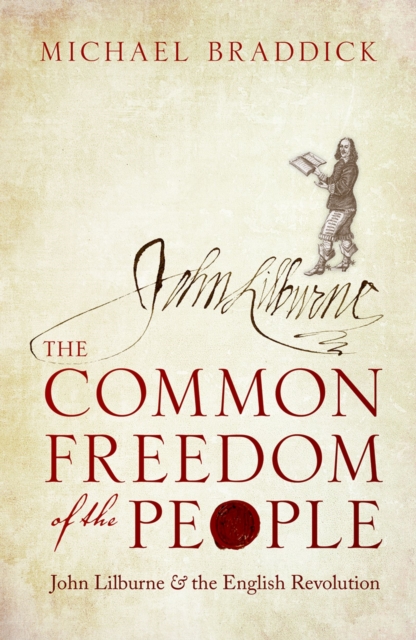
The second son of a modest gentry family, John Lilburne was accused of treason four times, and put on trial for his life under both Charles I and Oliver Cromwell.
The second son of a modest gentry family, John Lilburne was accused of treason four times, and put on trial for his life under both Charles I and Oliver Cromwell.
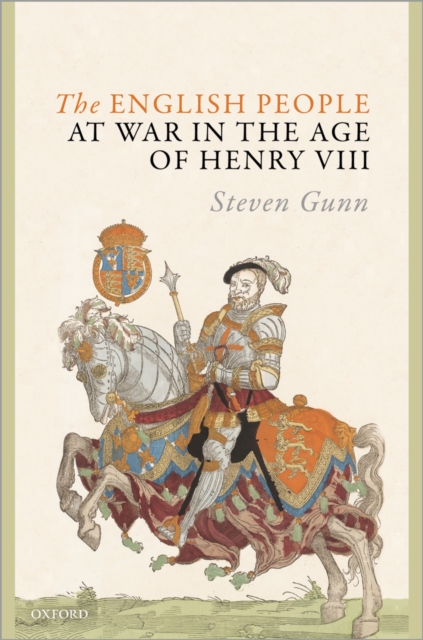
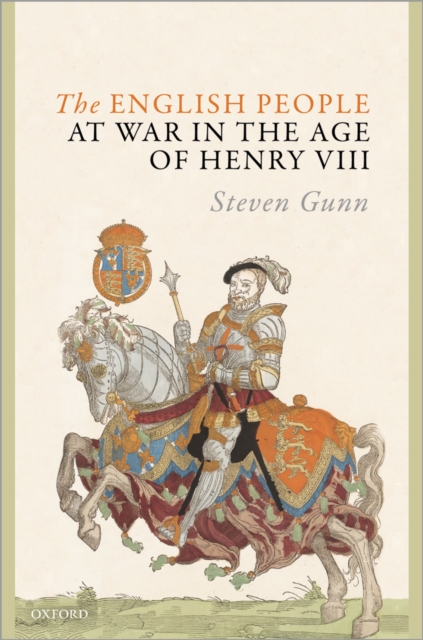
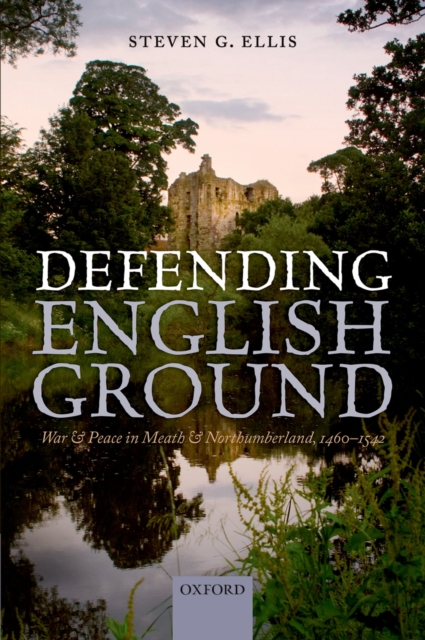
Henry VIII fought many wars, against the French and Scots, against rebels in England and the Gaelic lords of Ireland, even against his traditional allies in the Low Countries.
Henry VIII fought many wars, against the French and Scots, against rebels in England and the Gaelic lords of Ireland, even against his traditional allies in the Low Countries.
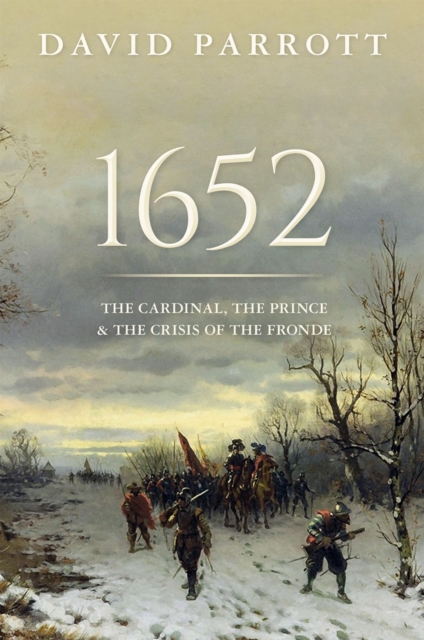
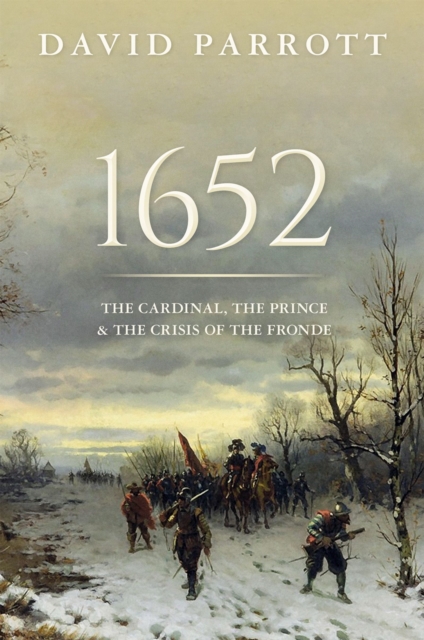
David Parrott's book offers a major re-evaluation of the last year of the Fronde - the political upheaval between 1648 and 1652 - in the making of seventeenth-century France.
David Parrott's book offers a major re-evaluation of the last year of the Fronde - the political upheaval between 1648 and 1652 - in the making of seventeenth-century France.
A Confusion of Tongues examines the complex interaction of religion, history, and law in the period before the outbreak of the wars of the Three Kingdoms.
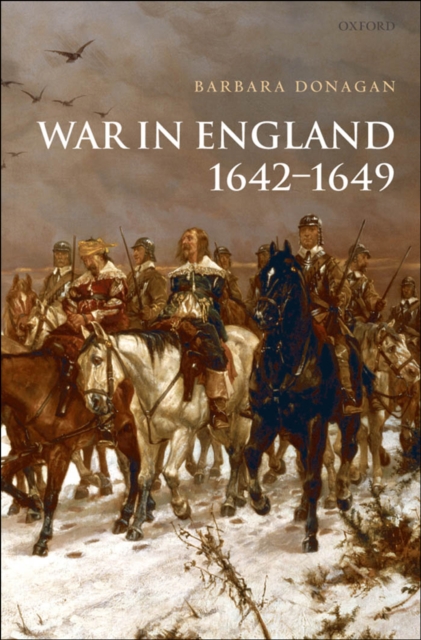
A fresh approach to the English civil war, War in England 1642-1649 focuses on answering a misleadingly simple question: what kind of war was it to live through?
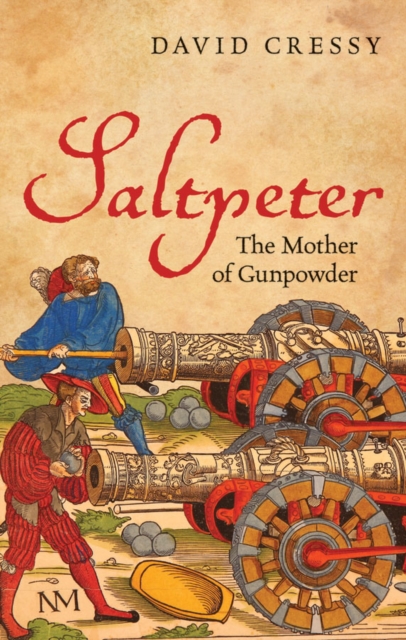
This is the story of saltpeter, the vital but mysterious substance craved by governments from the Tudors to the Victorians as an 'inestimable treasure.
This is the story of saltpeter, the vital but mysterious substance craved by governments from the Tudors to the Victorians as an 'inestimable treasure.
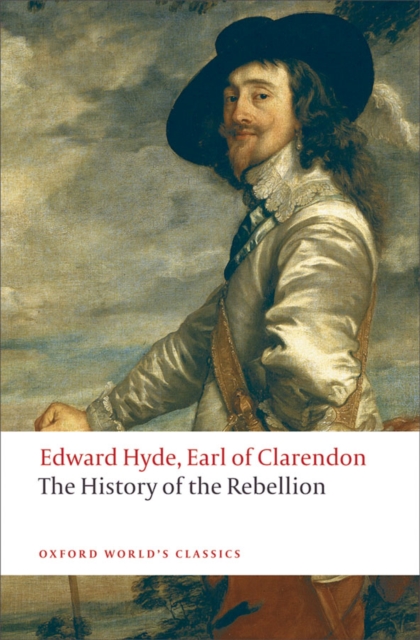
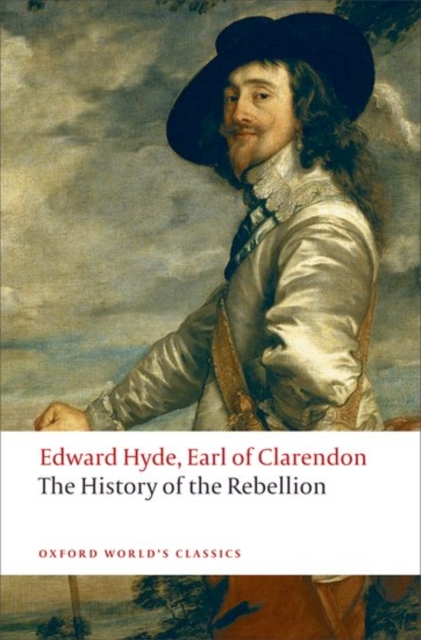
'I am doing your Majesty some service here, whilst I am preparing the story of your sufferings; that posterity may know by whose default the nation was even overwhelmed with calamities, and by whose virtue it was redeemed.
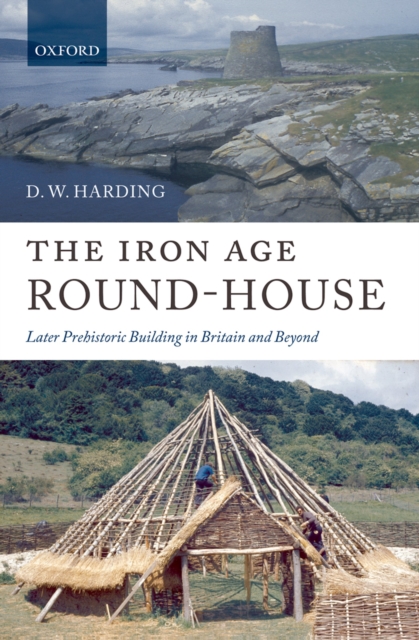
In contrast to Continental Europe, where the Iron Age is abundantly represented by funerary remains as well as by hill-forts and major centres, the British Iron Age is mainly represented by its settlement sites, and especially by houses of circular ground-plan, apparently in marked contrast to the Central and Northern European tradition of rectangular houses.
'I am doing your Majesty some service here, whilst I am preparing the story of your sufferings; that posterity may know by whose default the nation was even overwhelmed with calamities, and by whose virtue it was redeemed.
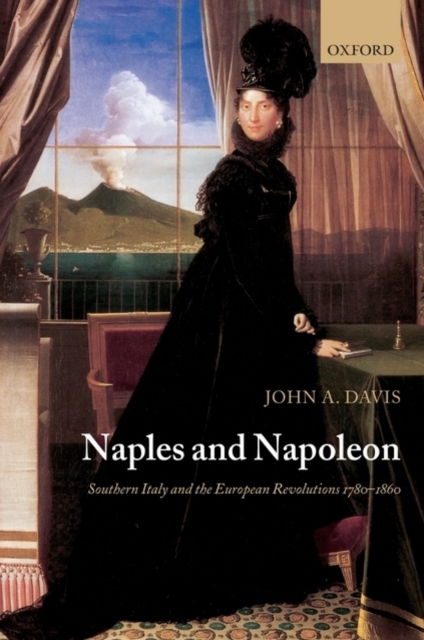
In Naples and Napoleon John Davis takes the southern Italian Kingdom of the Two Sicilies as the vantage point for a sweeping reconsideration of Italy's history in the age of Napoleon and the European revolutions.
A fresh approach to the English civil war, War in England 1642-1649 focuses on answering a misleadingly simple question: what kind of war was it to live through?
England on Edge deals with the collapse of the government of Charles I, the disintegration of the Church of England, and the accompanying cultural panic that led to civil war.
Exploring the effects of war on state power in early modern Europe, this book asks if military competition increased rulers' power over their subjects and forged more modern states, or if the strains of war broke down political and administrative systems.
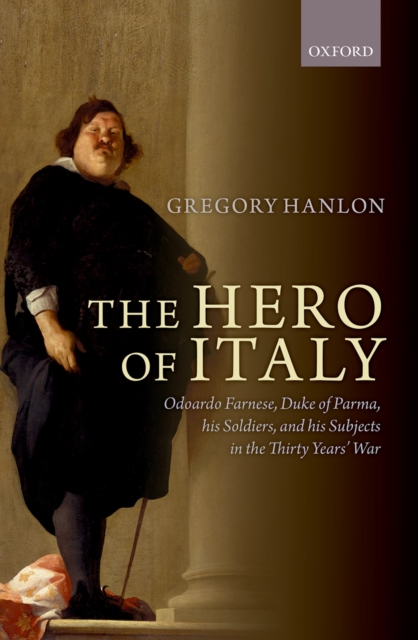
The Hero of Italy examines a salient episode in Italy's Thirty Years' War with Spain and France, whereby the young duke Odoardo Farnese of Parma embraced the French alliance, only to experience defeat and occupation after two tumultuous years (1635-1637).
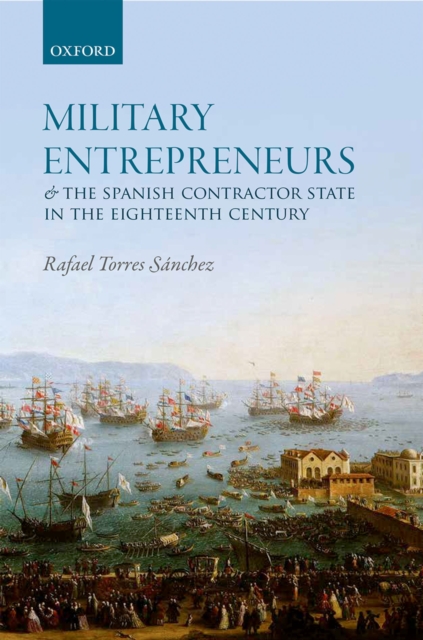
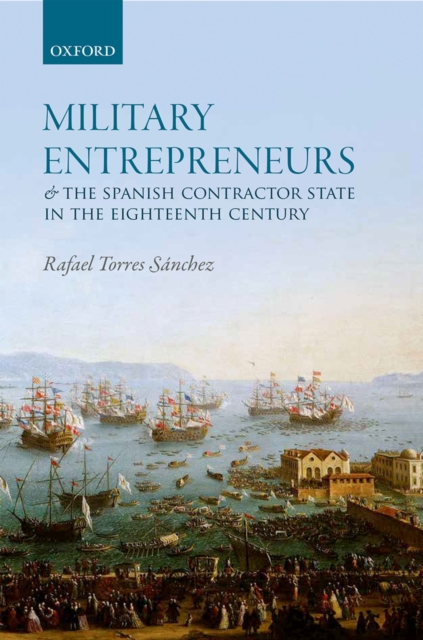
Military Entrepreneurs and the Spanish Contractor State in the Eighteenth Century offers a new approach to the relationship between warfare and state construction.
Military Entrepreneurs and the Spanish Contractor State in the Eighteenth Century offers a new approach to the relationship between warfare and state construction.
Italy 1636 is one of the most closely-researched and detailed books on the operation of early modern armies anywhere, and is explicitly inspired by neo-Darwinian thinking.
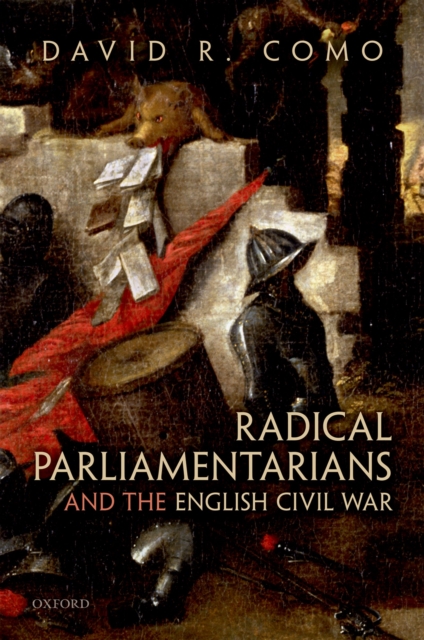
Radical Parliamentarians and the English Civil War charts the way the English civil war of the 1640s mutated into a revolution, in turn paving the way for the later execution of King Charles I and the abolition of the monarchy.