This vividly detailed memoir describes the experiences of a Holocaust survivor who narrowly escaped death by living a childhood of constant vigil and, along with his family, continuously dodging the ever-present threat of a Nazi capture.
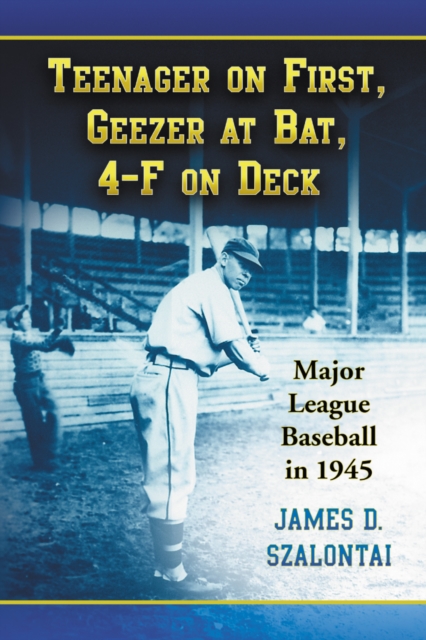
More than 5000 major and minor league baseball players left the baseball diamond to serve in the military during World War II, but President Roosevelt insisted that baseball still be played to boost the country's morale.
The Second World War was in the bottom of the ninth inning in Germany and Japan, but back at home the bases were loaded with baseball players, many of them new to the big leagues.
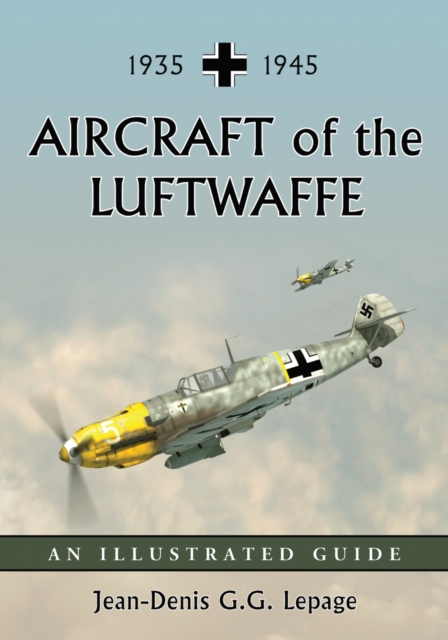
One of the most significant innovations in modern warfare has been the appearance and development of air power, a technology which demanded technical and financial investment on a whole new scale and which ultimately changed the fundamental nature of war itself.
Born in the Polish village of Gaj in 1923, Marian Mazgaj was a teenager when Germany invaded his country and launched Poland into the combat of World War II.
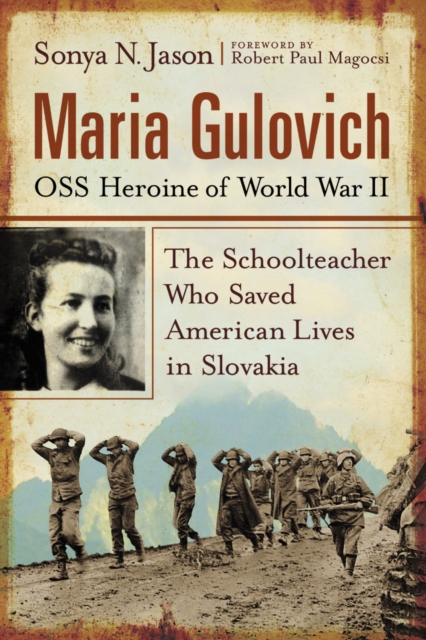
This book tells the story of Slovak underground member Maria Gulovich's unlikely heroism, focusing on the former elementary schoolteacher's courageous actions in saving American OSS agents.
This book describes the life of the enlisted men aboard a Farragut class destroyer during the pre-World War II years; the war preparation period in 1941; and the wartime years.
At home and overseas, the United States Coast Guard served a variety of vital functions in World War II, providing service that has been too little recognized in histories of the war.
Fought with obsolete and discarded equipment by an army mostly made up of untrained Filipinos, the Battle of Bataan has become one of the "e;forgotten"e; battles of World War II.
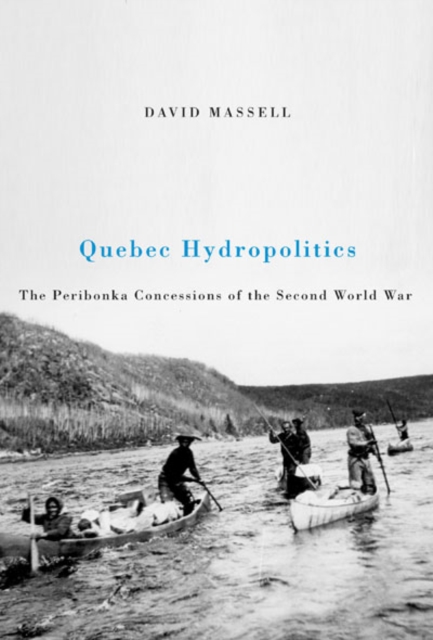
The construction in the 1940s of hydroelectric dams and reservoirs, Lakes Manouan and Passe Dangereuse, were enormous projects that had consequences not only on the environment but also on international affairs.
William Shirer (1904-1993), a star foreign correspondent with the Chicago Tribune in the 1920s and '30s, was a prominent member of what one contemporary observer described as an extraordinary band of American journalists, some with the Midwest hayseed still in their hair, who gave their North American audiences a visceral sense of how Europe was spiralling into chaos and war.
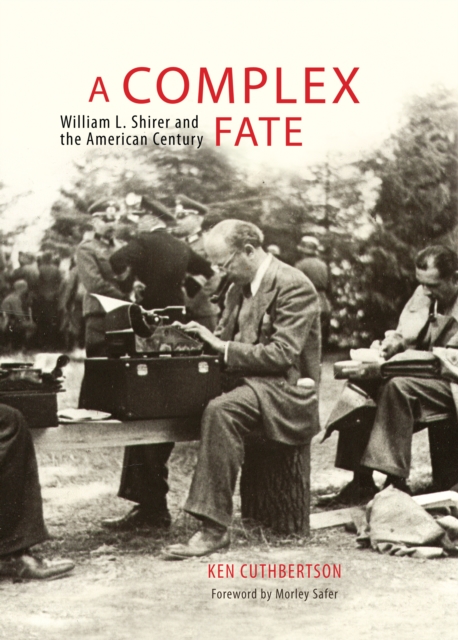
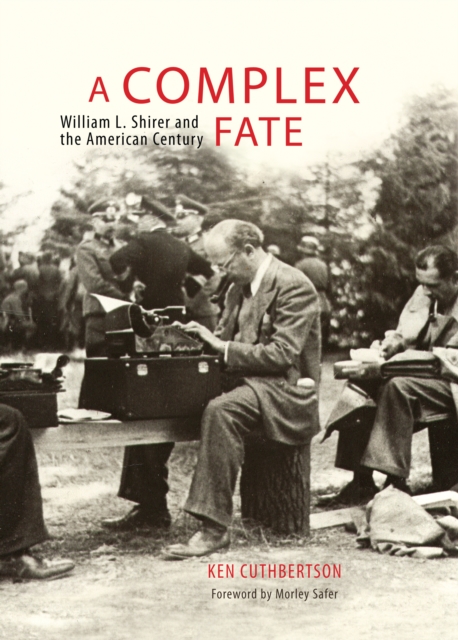
William Shirer (1904-1993), a star foreign correspondent with the Chicago Tribune in the 1920s and '30s, was a prominent member of what one contemporary observer described as an extraordinary band of American journalists, "e;some with the Midwest hayseed still in their hair,"e; who gave their North American audiences a visceral sense of how Europe was spiralling into chaos and war.
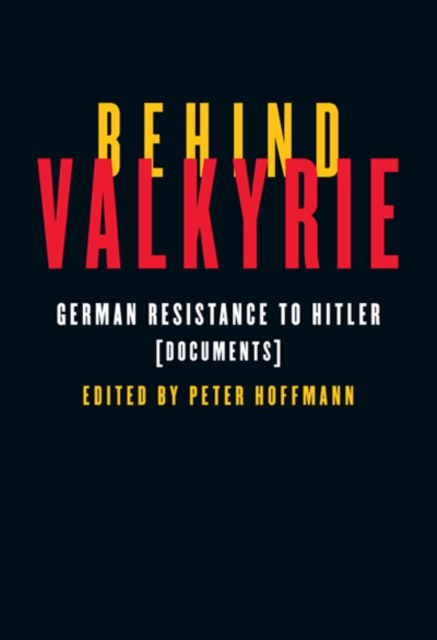
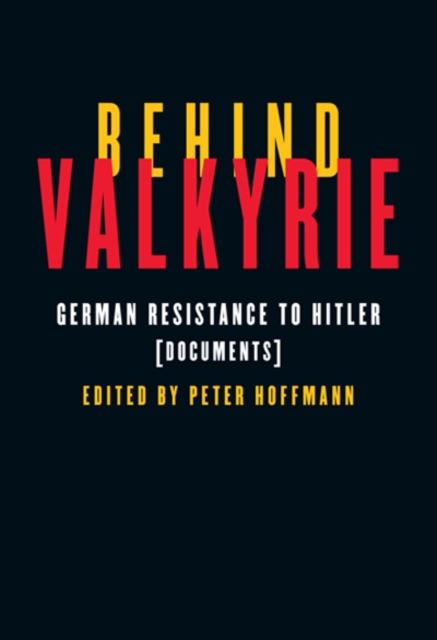
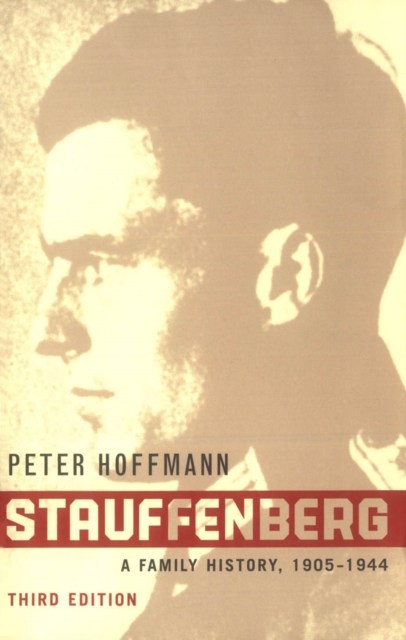
While the "e;Valkyrie"e; plot by Nazi officers to kill Adolf Hitler is the best known instance of German opposition to his dictatorship, there were many other significant acts of resistance.
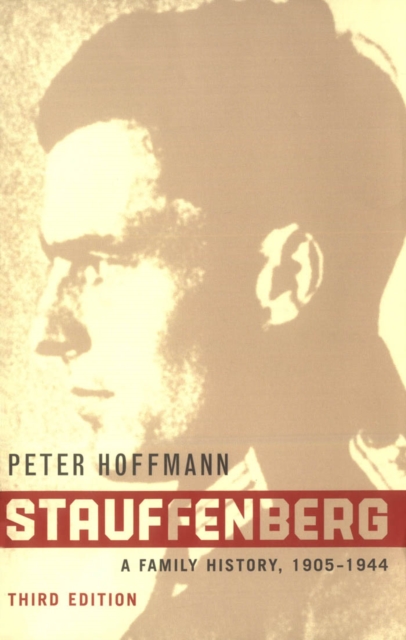
While the "e;Valkyrie"e; plot by Nazi officers to kill Adolf Hitler is the best known instance of German opposition to his dictatorship, there were many other significant acts of resistance.
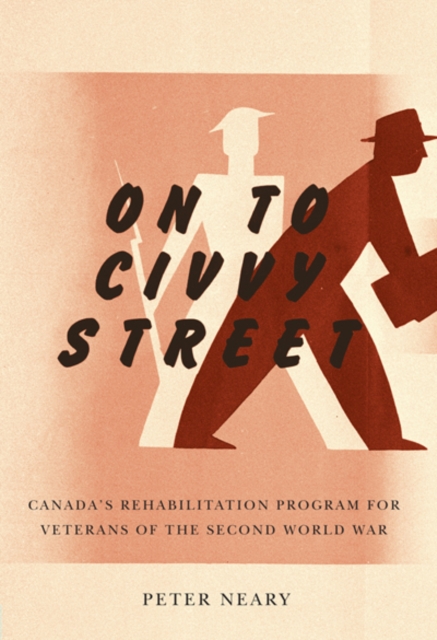
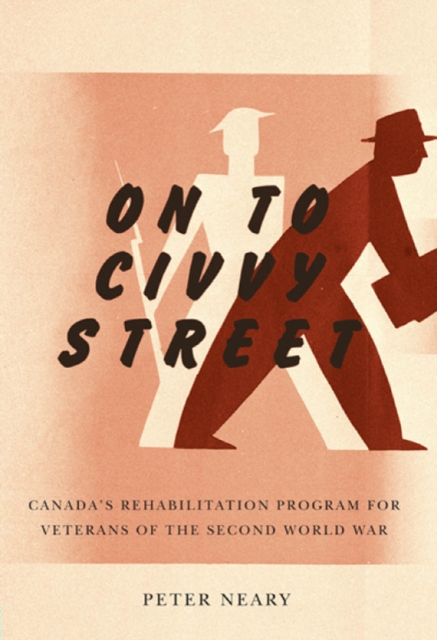
Detailing the ways in which the Canadian government built on existing programs for veterans, Peter Neary identifies the key figures and events responsible for developing the orders and statutes that came to be known as the Veterans Charter, creating the Department of Veterans Affairs, and establishing sweeping new benefits for servicemen and women.
Detailing the ways in which the Canadian government built on existing programs for veterans, Peter Neary identifies the key figures and events responsible for developing the orders and statutes that came to be known as the Veterans Charter, creating the Department of Veterans Affairs, and establishing sweeping new benefits for servicemen and women.
Using a wide array of sources - including long-closed court martial records, psychiatric and personnel files, unit war diaries, films, and oral histories - Paul Jackson relates the struggle of queer servicemen of all ranks and branches of the Canadian military to fit in to avoid losing their careers and reputations.
Adams examines the contributions of such major Francais libres as Rene Cassin, Pierre Mendes France, and Jacques Soustelle and explores de Gaulle's troubled relations with Churchill and Roosevelt.
Using a wide array of sources - including long-closed court martial records, psychiatric and personnel files, unit war diaries, films, and oral histories - Paul Jackson relates the struggle of queer servicemen of all ranks and branches of the Canadian military to fit in to avoid losing their careers and reputations.
Using newly uncovered archival material, Calder offers provocative new insights into the war work of more than forty prominent British authors, focusing particularly on Somerset Maugham, Noel Coward, H.
Leadership and Responsibility in the Second World War examines how well political, diplomatic, and military leaders, particularly in Great Britain, handled the daunting challenge of a worldwide conflagration.
Bryce chronicles in splendid detail how the tiny and overburdened department in Ottawa worked behind the scenes to deal with the critical public policy challenges that accompanied World War II and postwar reconstruction.
Grossly unsanitary living conditions, cruel and abusive treatment by camp officials, the withholding of medical treatment - these were common experiences for refugees imprisoned at internment camps in Britain and Canada.
To determine the government's commitment to a comprehensive mobilization strategy, Stevenson considers the effect of NSS policies on eight significant sectors of the Canadian population: Native Canadians, university students, war industry workers, coal miners, longshoremen, meatpackers, hospital nurses, and textile workers.
Focusing on the difficulties the government faced in trying to reconcile moral imperatives and political interest, Kordan provides an innovative interpretation of government policy toward Ukrainian Canadians.
Kelsey's observations range from descriptions of the Battle of Britain from the ground, bombing raids on civilian populations, and a meeting with a possible German spy, to more personal accounts of the difficulties of obtaining a bath.
In 1939, faced with the German invasion of Czechoslovakia and a growing Italian threat in the Balkans, Turkey and Britain (and later France) signed an alliance in which Turkey linked itself politically and militarily with Britain and France in exchange for financial assistance for its rearmament program.
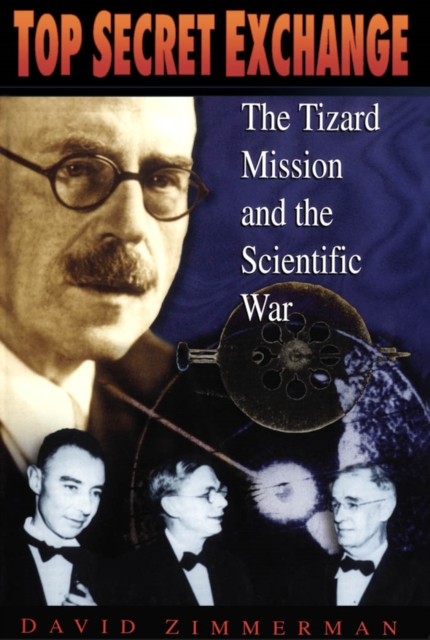
Zimmerman traces the early development of the mission from Britain's initial attempts at technical cooperation in World War I and unsuccessful efforts to restart it in the late 1930s.
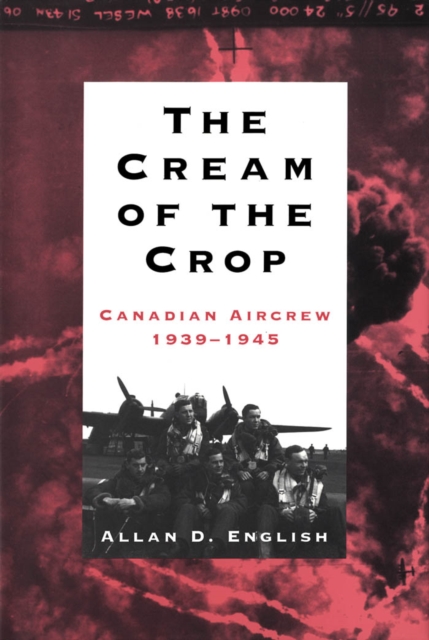
English describes the development of a uniquely Canadian selection system that attempted to match the aptitudes of aircrew candidates to the duties they would perform and the evolution of the RCAF's training program from a haphazard system with enormous attrition to one that became the model for many modern systems.
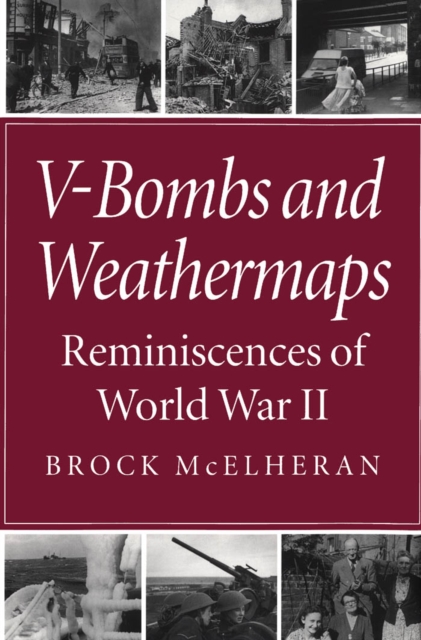
A meteorological officer in the Royal Canadian Navy, McElheran studied at the Royal Naval College in Greenwich and served at naval air stations in southern England.
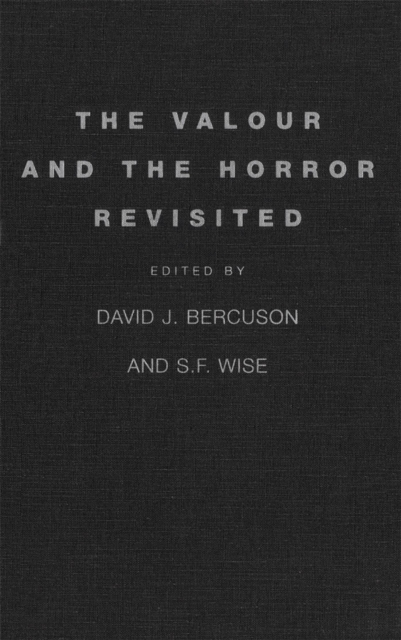
In January 1992 the Canadian Broadcasting Corporation (CBC) broadcast The Valour and the Horror, a three-part television series on Canada's role in World War II.
After an unusual interrogation at the hands of the Local Defence Force in County Clare, Keefer and Calder were transferred to a makeshift prison camp in County Kildare B right next to a similar camp for German prisoners.