Panzer Rollen provides an insightful look in to the workings of the Military Intelligence Service that was so invaluable in shaping both the strategy and tactics of the Allied forces during the Second World War.
Panzer Rollen provides an insightful look in to the workings of the Military Intelligence Service that was so invaluable in shaping both the strategy and tactics of the Allied forces during the Second World War.
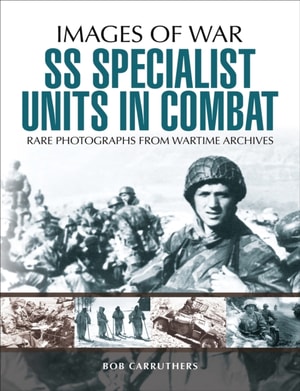
It is an often overlooked fact that the SS Divisions included Cavalrymen, Paratroopers, Mountain and Ski Battalions and these rare photographs illustrate the unique role played by specialist units in action.
It is an often overlooked fact that the SS Divisions included Cavalrymen, Paratroopers, Mountain and Ski Battalions and these rare photographs illustrate the unique role played by specialist units in action.
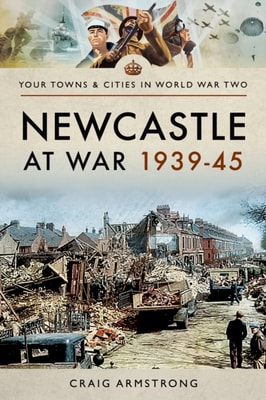
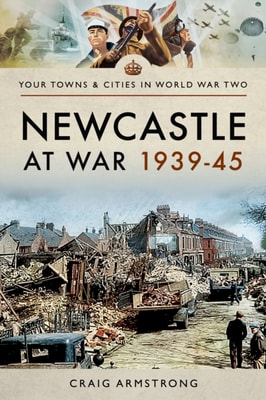
Newcastle was a key cog in the national war effort despite its northerly location, located on the key East Coast it played a significant military and civil role in the war.
Newcastle was a key cog in the national war effort despite its northerly location, located on the key East Coast it played a significant military and civil role in the war.
In 1939, South-East Northumberland shared a proud tradition of military service with it’s wider region and this was reflected in the huge numbers of men and women from the area who came forward for service in the military or in roles such as the Home Guard, ARP services or nursing.
In 1939, South-East Northumberland shared a proud tradition of military service with it’s wider region and this was reflected in the huge numbers of men and women from the area who came forward for service in the military or in roles such as the Home Guard, ARP services or nursing.
In the fourth and final volume of Nik Cornish's photographic history of the Second World War on the Eastern Front the defeat of the German army, the destruction and occupation of the cities in eastern Germany and the humiliation of the German people are shown in over 150 mostly unpublished wartime photographs.
In the fourth and final volume of Nik Cornish's photographic history of the Second World War on the Eastern Front the defeat of the German army, the destruction and occupation of the cities in eastern Germany and the humiliation of the German people are shown in over 150 mostly unpublished wartime photographs.
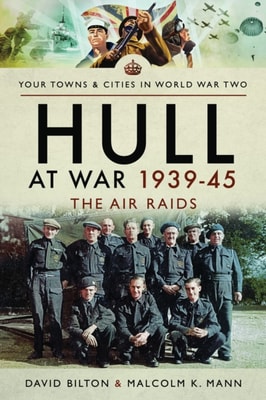
As in the Great War, Hull was a prime target for the bombs of the German air force when the Second World War began, particularly as it was common knowledge that prior to September 1939, German planes had over flown the city taking pictures, and German sailors had visited the port and city.
Until the late 1930s, Singapore was noted as a popular stop-off point for wealthy European travellers on their way to countries such as Australia and New Zealand.
Until the late 1930s, Singapore was noted as a popular stop-off point for wealthy European travellers on their way to countries such as Australia and New Zealand.
When Britain declared war on Germany on 3 September 1939, Cardiff and its surroundings, like every other city, town, hamlet and village in the country, sent forth large numbers of young men to fight against the oppression of Hitler and the Nazis.
With the outbreak of the Second World War, Shropshire authorities immediately implemented pre-arranged plans to cope with the approaching conflict on the Home Front, including the building of air raid shelters and pillboxes and the renovation of redundant camps and disused airfields.
With the outbreak of the Second World War, Shropshire authorities immediately implemented pre-arranged plans to cope with the approaching conflict on the Home Front, including the building of air raid shelters and pillboxes and the renovation of redundant camps and disused airfields.
This year-on-year study of Norfolk at war is the first such for many years, which utilizes material that has not been published in book form before or, sometimes, at all.
The network of canals stretching from the coast at Gravelines, through St-Omer, Béthune and La Bassée, follows the approximate boundary between Artois and Flanders and was, in 1940, the defensive line established on the western edge of the so-called Dunkerque Corridor designed by Lord Gort to provide an evacuation route to the channel coast.
The network of canals stretching from the coast at Gravelines, through St-Omer, Béthune and La Bassée, follows the approximate boundary between Artois and Flanders and was, in 1940, the defensive line established on the western edge of the so-called Dunkerque Corridor designed by Lord Gort to provide an evacuation route to the channel coast.
During the Second World War navies developed low visibility camouflage for their ships, on both the vertical and horizontal surfaces, in order reduce visibility by blending in with the sea, or confuse the identity of a ship by applying more obtrusive patters.
During the Second World War navies developed low visibility camouflage for their ships, on both the vertical and horizontal surfaces, in order reduce visibility by blending in with the sea, or confuse the identity of a ship by applying more obtrusive patters.
An updated edition of the essential WWII reference that "e;tell[s] the stories of 'The Unsung Few' who inexplicably fell under the radar of war historians"e; (The Sunday Express).
An updated edition of the essential WWII reference that "e;tell[s] the stories of 'The Unsung Few' who inexplicably fell under the radar of war historians"e; (The Sunday Express).