The biography of Franz Stangl, commandant of the Treblinka extermination camp - a classic and utterly compelling study of evilOnly four men commanded Nazi extermination (as opposed to concentration) camps.
'Deeply moving and beautifully written' ANN CLEEVES'Heart-breaking, beautiful and thrilling - a book that will stay with you for a very long time' ELLY GRIFFITHS'A tale of devastating secrets, brilliantly told' RORY CLEMENTSSHE CAN'T HAVE A FUTURE UNTIL SHE HAS A PAST.
From May to September 1940, a period that saw some of the most dramatic events in British history - including the evacuation of Dunkirk, the Battle of Britain and the opening stages of the Blitz - the Ministry of Information eavesdropped on the conversations of ordinary people in all parts of the United Kingdom and compiled secret daily reports on the state of popular morale.
Badly wounded at the battle of Arnhem, and then spirited from his hospital bed by the Dutch Resistance, Brigadier John Hackett spent the winter of 1944 in Nazi-occupied Holland, hidden by a Dutch family, at great risk to their own lives, in a house a stone's throw from a German military police billet.
The Road to 1945 is a rigorously researched study of the crucial moment when political parties put aside their differences to unite under Churchill and focus on the task of war.
Bomber Command is a richly illustrated account of the Royal Air Force organisation from its inception prior to the Second World War in 1936 to its final years during the Cold War.
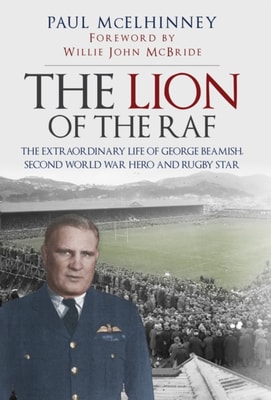
This is the story of a man from early twentieth century rural Cork who rose to the heights of the RAF and excelled as a major figure in international rugby in the 1920s and 1930s.
Women on the Front Line explains how women went from unacknowledged participation in combat in the Second World War to the opening of all combat roles by 2018.
Alarmstart South completes Patrick Eriksson's Alarmstart trilogy on Second World War German fighter pilots, detailing their experiences in the Mediterranean theatre (1941-1944), and during the closing stages of the war over Normandy, Norway and Germany (1944-1945).
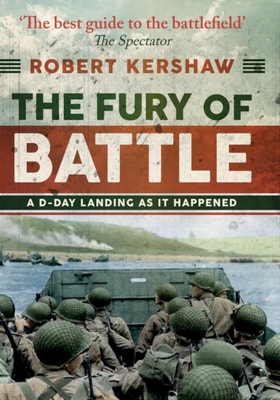
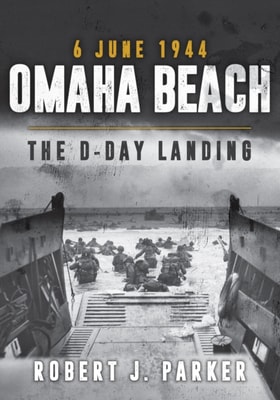
Everyone is familiar with the story of D-Day and the triumphal liberation of France by the Allies: a barbaric enemy was defeated by Allied ingenuity, courage and overwhelming military force, helped by dreadful German command errors and the terrible state of Wehrmacht forces in the West - but is this all true?
Of the millions of German soldiers who went to war, many were armed with their personal cameras and intent on photographically chronicling their Dienstzeit, or military service, via meticulously prepared albums or by turning their photos into postcards sent to family and friends or as a single photo to carry into battle.
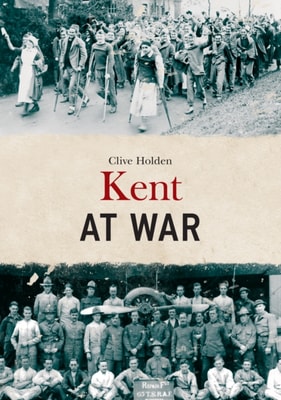
Kent has a long and illustrious military history dating back to the Roman occupation but the first great conflict of the twentieth century brought the horrors of war to a new generation.
Though personally remembered by very few people, the interwar period was a fascinating time for railway enthusiasts, with the colourful liveries of the pre-Grouping companies allowing for a wide variety of interesting markings in the run-up to Grouping in 1923.
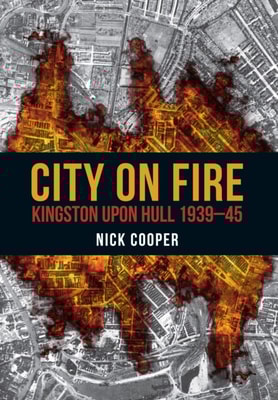
During the Second World War Hull spent more than 1,000 hours under air-raid alerts and was the target of the first daylight raid of the war and the last piloted air raid on Britain.
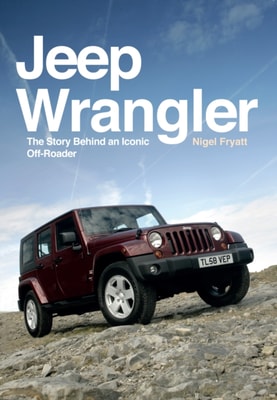
The story of today's Jeep Wrangler has an intriguing and unusual beginning, when the demands of the American army during the Second World War led to the production of a simple, yet multi-purpose, go-anywhere vehicle that could easily (and cheaply) be mass-produced.
Alarmstart (scramble) charts the experiences of the German fighter pilots in the Second World War, based on extensive recollections of veterans as well as primary documents, diaries and flying log books, with photographs from the veterans themselves, many never previously published.
This book tells the story of the people of Tyneside and Northumberland during the First World War, both in action on the front line and on the Home Front.
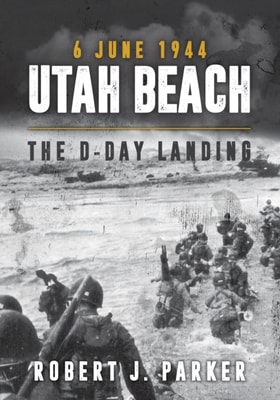
Despite the invasion force landing nearly a mile beyond its intended target location, and while also overcoming its counterpart airborne element being widely dispersed, Utah Beach would prove to be a huge success for the Americans.
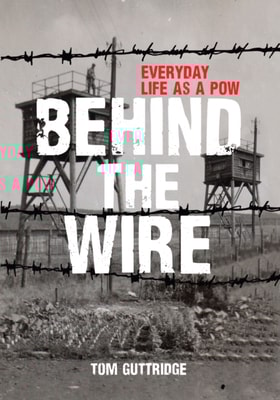
When rifleman Tom Guttridge returned from war in the early summer of 1945, he brought home not only vivid memories of the battlefield and his five years in prisoner-of-war camps, but a unique collection of photographs obtained from his German captors by trading items from Red Cross parcels.
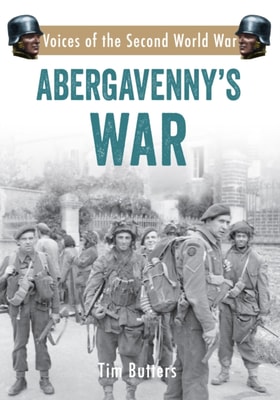
Over the years local journalist and author Tim Butters has interviewed many Abergavenny veterans from the Second World War, ranging from a soldier who helped liberate the notorious Nazi concentration camp Bergen-Belsen, a man who was captured during the Allied retreat from Tobruk and ended up spending the war in the cruel confines of Stalag VIII-B, an officer who was at Dunkirk and later served with Field Marshall Montgomery at El Alamein, a Japanese POW whose hellish experiences scarred him for life, a sailor who fought around the world for the duration of the war as a member of the Royal Navy, a soldier who had a school in France named in his honour, and a paratrooper involved in the D-Day landings whose story later became a small part of the book and movie version of The Longest Day.
Forgotten is an extraordinary blend of military and social history - a story that pays tribute to the valour of an all-black battalion whose crucial contributions at D-Day have gone unrecognised to this day.
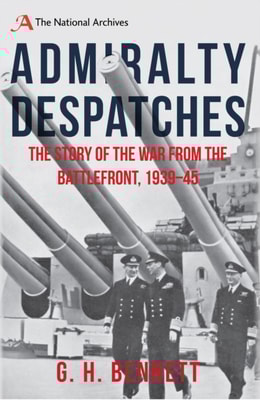
From at least as early as the eighteenth century it became a tradition that, following operations involving the Royal Navy, the commanding admiral would report to the Admiralty in the form of an official despatch.