Part of a new Holocaust remembrance series of important testimonies and memoirs from the unique collections of Yad Vashem, the World Holocaust Remembrance Centre.
Part of a new Holocaust remembrance series of important testimonies and memoirs from the unique collections of Yad Vashem, the World Holocaust Remembrance Centre.
Part of a new Holocaust remembrance series of important testimonies and memoirs from the unique collections of Yad Vashem, the World Holocaust Remembrance Centre.
Birmingham's War: Voices of the Second World War is a collection of 100 accounts by local young men and women who served in the armed forces during the Second World War.
Beginning by drawing parallels between the author's experiences at the British Embassy in Kabul from 2010 to 2013 and her grandfather's experiences of the same just after Indian Independence from 1948 to 1950, this book takes a thematic approach to analyse the role of Britain in Afghanistan since the conclusion of the Second World War.
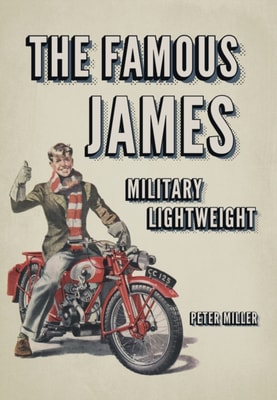
This book tells the story of the famous James ML military motorcycle which had originally been developed as a utility machine for the working man and was then modified for the military during the Second World War.
Pitched into the maelstrom of air fighting in the summer of 1940, twenty-four-year-old Gordon Olive barely lived to tell this extraordinary tale of courage and endurance.
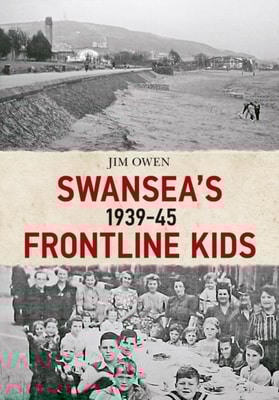
These are the memories of wartime kids, Swansea children from a variety of backgrounds whose lives were dramatically changed by the brutal strategic planning and waging of war.
This is a fighter pilot's memoir of four tumultuous years, 1938-1942, when he was first trained, then fought and survived in not one but two of the biggest aerial campaigns of the war, the Battle of Britain and the equally epic, but lesser known, Siege of Malta.
This is the story of how the Second World War affected leisure boating: of the people who managed to overcome huge difficulties to go sailing during the war itself and the difficulties of re-establishing the sport in post-war years; of the sailing and yacht clubs which survived bombings, requisitioning, shortages and a host of other problems, and still thrive today.
This fascinating in-depth dossier is based on classified wartime reports issued by the US Military Intelligence Services, and examines the main weapon types - pistols, rifles, grenades, machine guns and mortars as well as anti-tank guns and infantry howitzers.
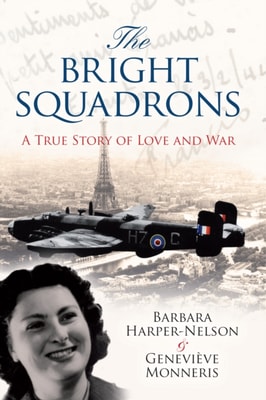
Barbara Harper-Nelson was once the 19-year-old girlfriend, living in Liverpool, of 22-year-old French airman Francis Usai, who was in the RAF Bomber Command.
Based on a confidential wartime British Government report, this in-depth dossier details the inner workings of Organisation Todt, which not only built the Reichsautobahns, but also Germany's Siegfried Line and the Atlantic Wall.
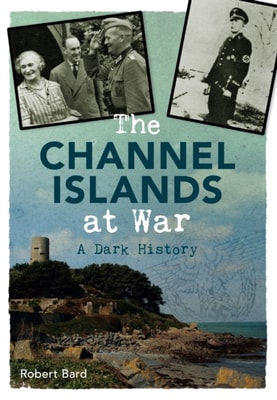
Georgi Kondakov was sixteen years old when he was brought to Alderney in August 1942 with about 1,000 other young Russians to build part of Hitler's Atlantic Wall defences.
Ryuji Nagatsuka did not know, when he made an application to become a pilot in October 1943, that by the following autumn Japan's situation in the war would be so critical that the role for which he was destined would be part of the most incomprehensible phenomenon of the hostilities - that of a suicide pilot, known to the world as a kamikaze.
The Avro Lancaster took the RAF's bombing campaign right to the heart of Nazi Germany, night after night, despite sometimes suffering appalling losses.
On 21 August 1944 German Army Group B was destroyed in Normandy and Allied troops began pressing east from the beachhead they had occupied since the D-Day landings.
Volume 4 of We Were Eagles reaches the climax of the daylight bomber war which saw the Eighth Air Force B-17s and B-24s push back the boundaries and huge fleets of bombers penetrate further into the diminishing Reich.
Volume 3 of We Were Eagles covers the turning of the tide, when the air war was redirected to bombing communications targets in northern France in support of the 6 June D-Day invasion and the eventual breakout by Allied forces from the beachheads.