At the onset of the Second World War, Frank Pleszak's father MikoAaj, aged nineteen, was forcibly removed from his family in Poland by the Russian secret police and exiled to the harshest of the Siberian labour camps, the dreaded Soviet gulags of Kolyma.
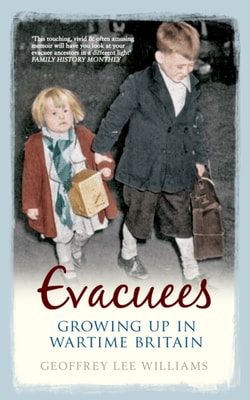
On 1st September 1939 evacuee children arrived at Cirencester, the first of 'a sorry procession' to leave the cities for the comparative safety of the Cotswolds.
The wartime airfi eld at Rivenhall is typical of the many airbases that were hastily built in Britain following the entry of the US into the Second World War.
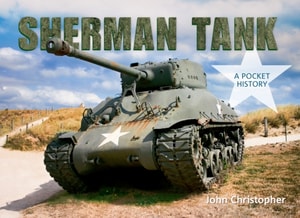
Once described as the 'worst tank that ever won the war', the Sherman tank was never going to be the equal of the German heavies in a direct tank-on-tank confrontation.
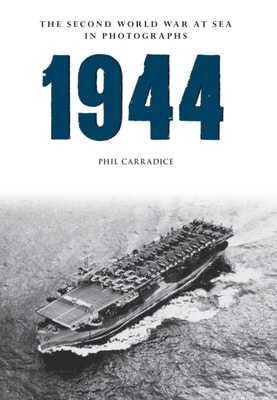
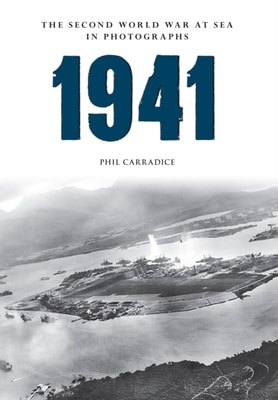
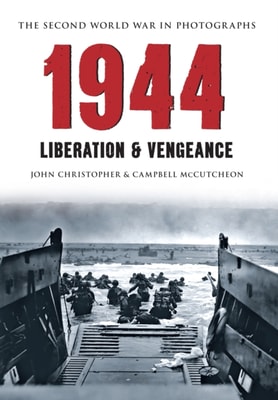
The final year of the Second World War was very quiet in terms of naval operations, as European leaders turned their minds towards peace with the promise of unconditional German surrender.
At the beginning of the year, the Battle of Guadalcanal was still raging on, but the Americans had secured their first complete victory in the Pacific by the end of February, although the war in this theatre was far from over, with several further engagements taking place throughout the year.
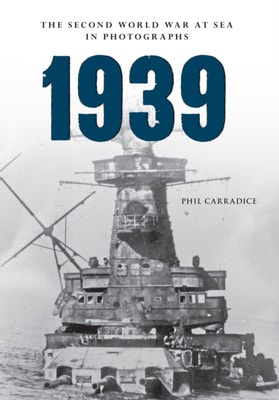
In the first of a series of books, naval expert Phil Carradice takes us through the war at sea in 1939, using previously unpublished and rare images of the battles, the ships and the people involved.
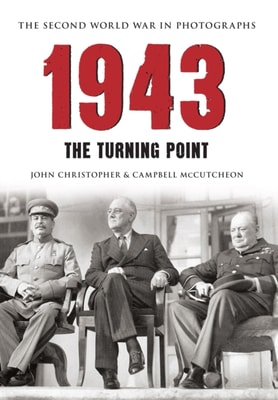
1943 saw the Allies on the offensive, with victories in North Africa followed by the invasion of Sicily and landings in Italy establishing a foothold on mainland Europe, while on the Eastern Front the Red Army was making gains, and in the Pacific the Japanese-held islands were falling.
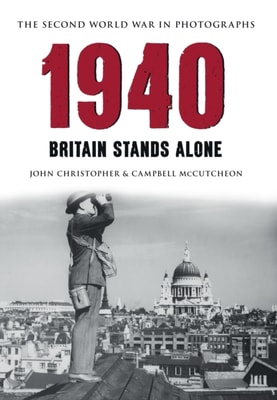
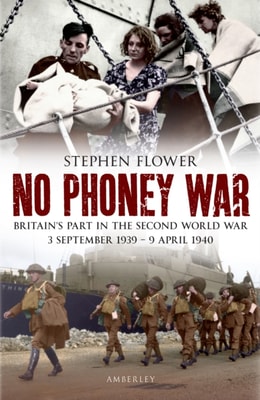
1940 As the period of the 'Phoney War' came to an end, the Nazis unleashed their Blitzkrieg tactics, which saw the rapid mobility of the ground forces closely supported by superior air power.
He had one of the more unglamorous jobs in the Second World War, but self-taught violinist George Warner's letters home from the North African and Italian campaigns - in which he served as a dispatch rider for the Royal Army Service Corps - provide an enthralling, humane account of Europe's darkest years.
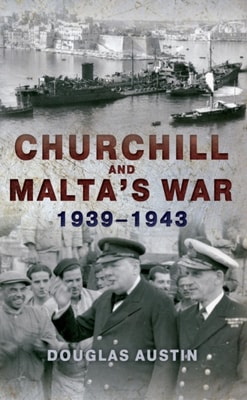
During the first four years of the Second World War, Churchill and his military advisers were constantly concerned with the defence and sustenance of Malta.
Following the outbreak of the Second World War, Guy Burgess, an officer in Britain's Secret Intelligence Service, convinced his superiors that a special school be opened to teach sabotage.
Molly's touching account of life in Guernsey during the German Occupation brings events of the Second World War to life through the eyes of a young child.
IN DECEMBER 1940, as the coldest winter in living memory fastened its grip on war-torn France, the Nazi conquerors rounded up nearly 5,000 people, mostly women and children, and sent them to an internment camp.
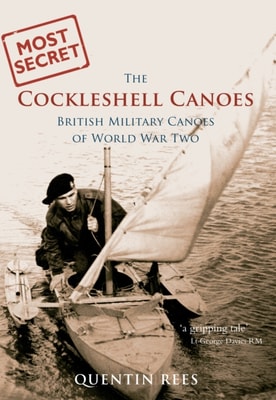
Used most famously in December 1942, when a small group of ten men in five canoes were dropped off by submarine 80 miles from the inland port of Bordeaux.