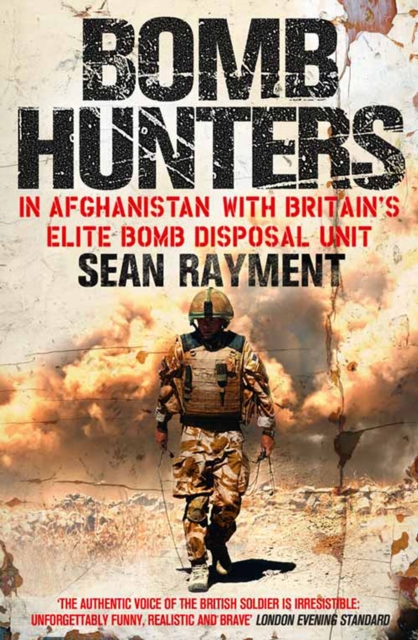
'Afghanistan is just like Iraq - hot, dusty and full of people who want to kill you', SSgt Simon Fuller, Royal Engineer Search AdvisorBomb Hunters tells the story of the British army's elite bomb disposal experts, men who face death every day in the most dangerous region of the most lethal country on earth - Helmand Province, Afghanistan.
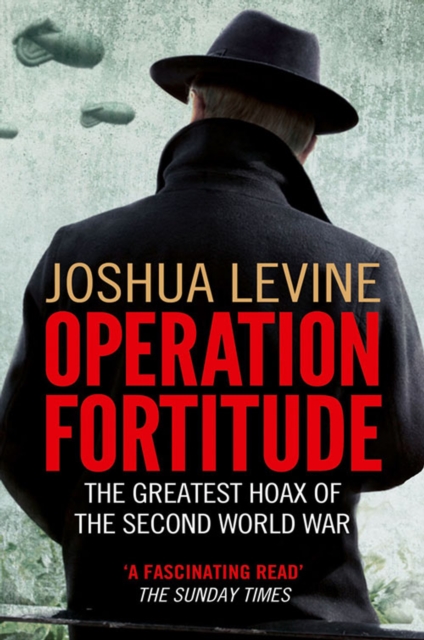
Operation Fortitude was the ingenious web of deception spun by the Allies to mislead the Nazis as to how and where the D-Day landings were to be mounted.
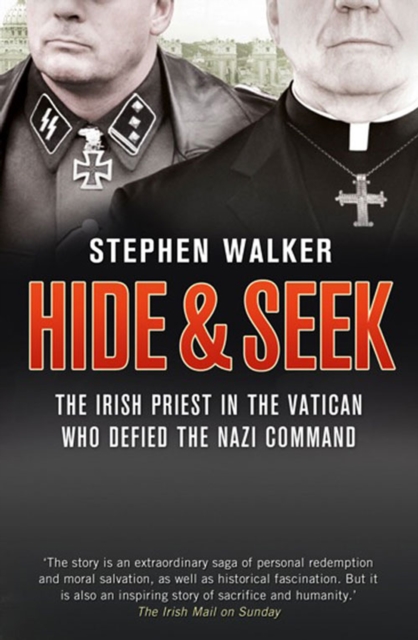
Irish Sunday Times BestsellerA true story of war, peace and friendship: a Nazi colonel and an Irish priestThe story begins in Rome at the outbreak of WWII, when ardent Nazi Herbert Kappler, SS Obersturmbanfuhrer, and Monsignor Hugh O'Flaherty would become adversaries in a real-life game of 'cat and mouse' of epic proportions.
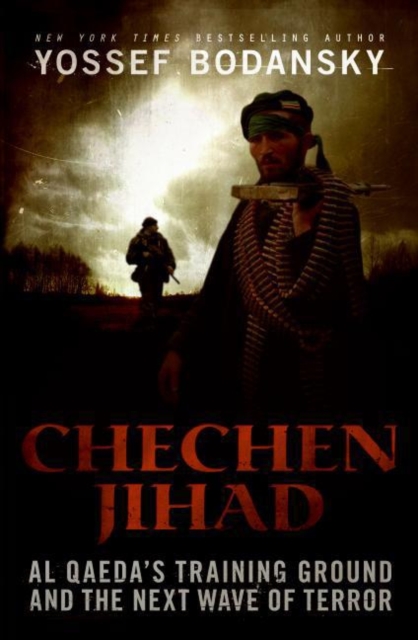
In this authoritative look at the roots of modern terrorism, Yossef Bodansky, one of the most respectedand best-informedexperts on radical Islamism in the world today, pinpoints the troubled region of Chechnya as a dangerous and little-understood crucible of terror in the struggle between East and West.
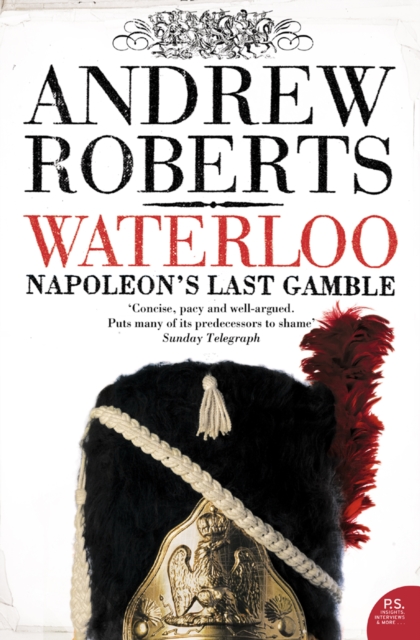
Part of the 'Making History Series' - Waterloo is an exciting retelling of one of the moments that shook the world - Waterloo, one of the truly decisive battles of history.
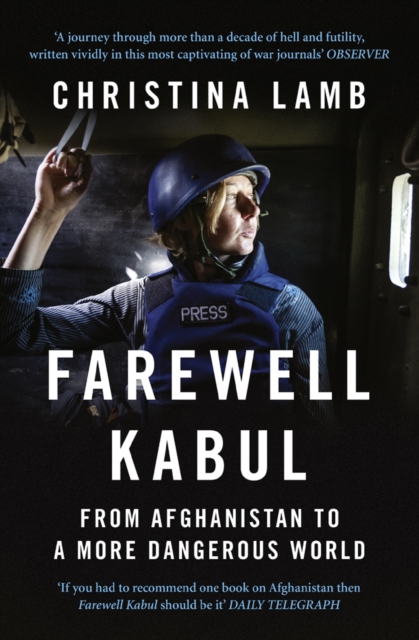
A Times Political Book of the Year 2022A powerful and revelatory eyewitness account of the American collapse in Afghanistan, its desperate endgame, and the war's echoing legacy.
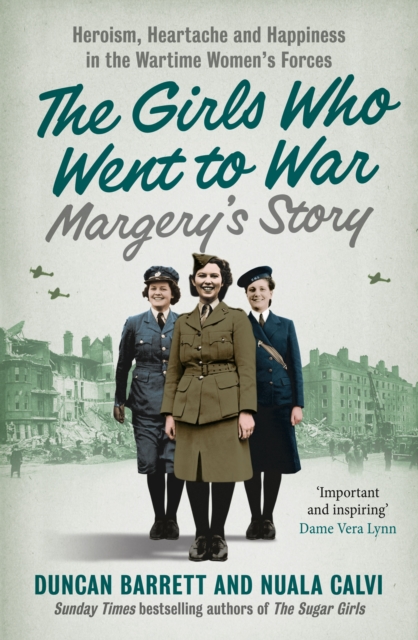
From the bestselling authors of The Sugar Girls and GI Brides, this is Margery's story, one of three true accounts from the book The Girls Who Went to War.
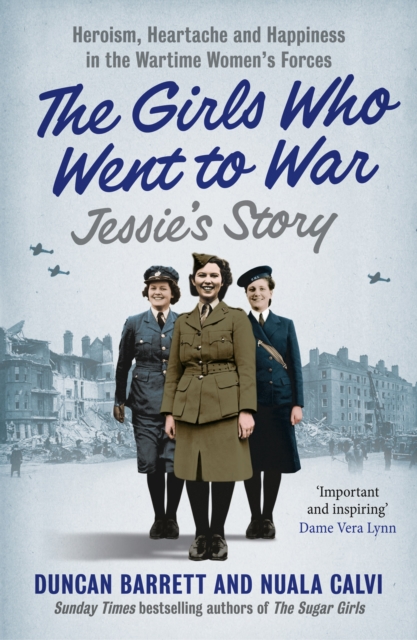
From the bestselling authors of The Sugar Girls and GI Brides, this is Jessie's story, one of three true accounts from the book The Girls Who Went to War.
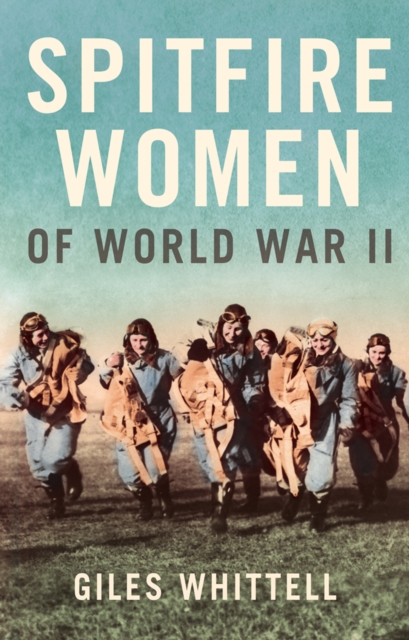
This is the incredible true story of a wartime sisterhood of women pilots: a group of courageous pioneers who took exceptional risks to fly Spitfires, Hurricanes and Lancasters to the frontlines of World War II.
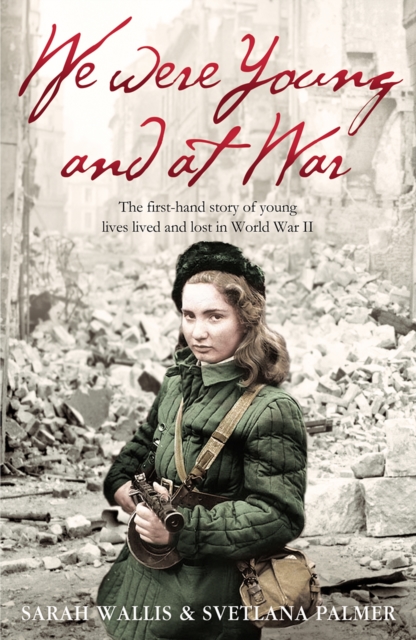
Never before have the diaries and letters of young people from all sides of World War Two been woven together to provide an account of what it was like to grow up amidst the daily struggles and horrors of this devastating war.
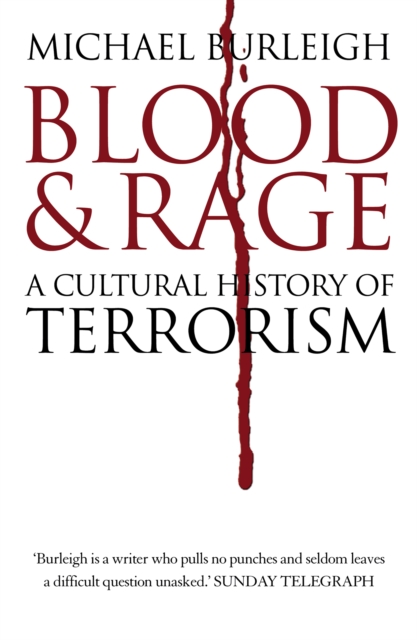
A far-reaching history of terrorism across the world from its beginnings to the modern-day, from the highly acclaimed author of 'Sacred Causes' and 'Earthly Powers'.
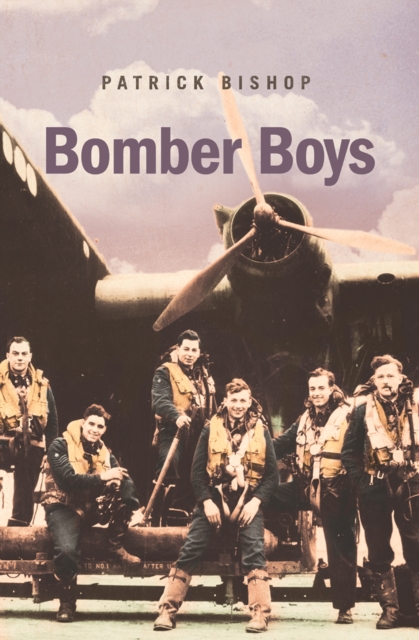
Patrick Bishop looks at the lives and the extraordinary risks that the painfully young pilots of Bomber Command took during the air-offensive against Germany from 1940-1945.
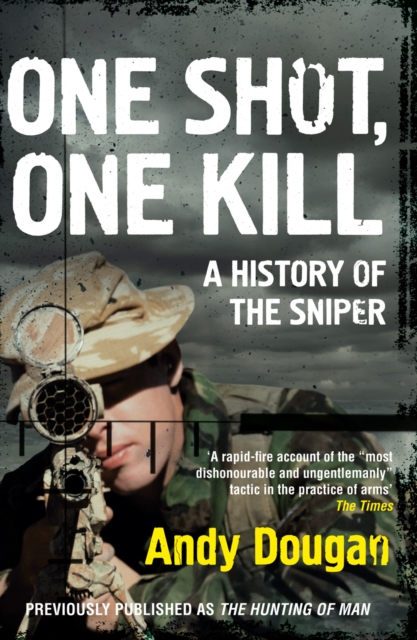
Previously published as The Hunting of ManOne shot, one kill: a cultural and military history of the sniper since 1643, when the first shot was fired by a sniper during the battle for Litchfield in the English Civil War, to the present day, when the sniper has become the embodiment of contemporary military strategy and technology.
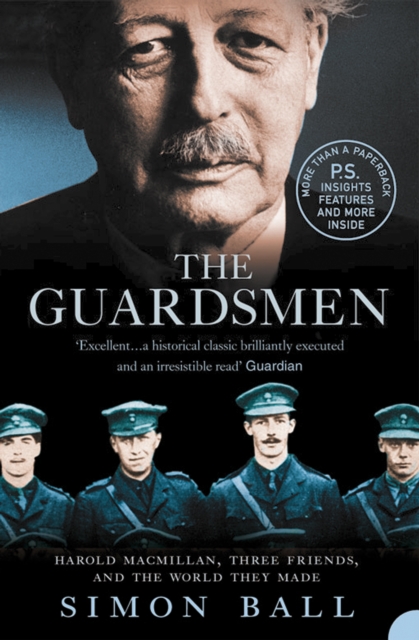
From the playing fields of Eton via the horrors of the Western Front to the pinnacle of political power in 20th-century Britain - a brilliant collective biography of Harold Macmillan, Lord Salisbury, Oliver Lyttleton and Harry Crookshank.
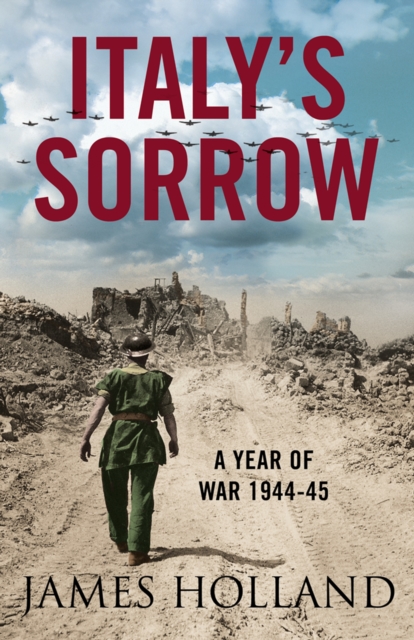
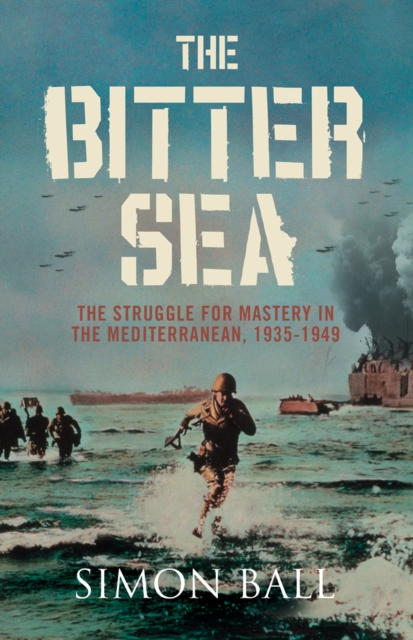
A gripping history of the Mediterranean campaigns from the first rumblings of conflict through the Second World War and into the uneasy peace of the late 1940s.
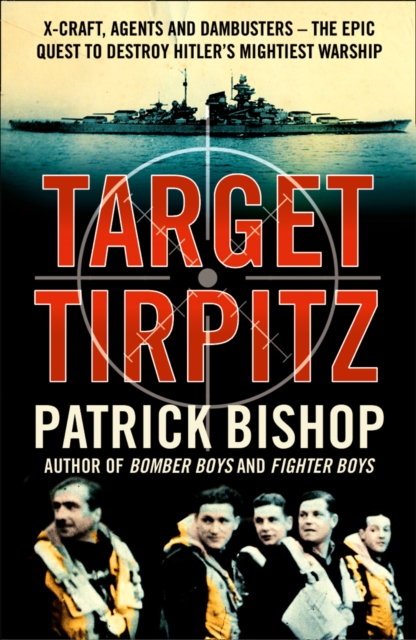
A gripping account of the epic hunt for Hitler's most terrifying battleship - the legendary Tirpitz - and the brave men who risked their lives to attack and destroy this most potent symbol of the Nazi's fearsome war machine.
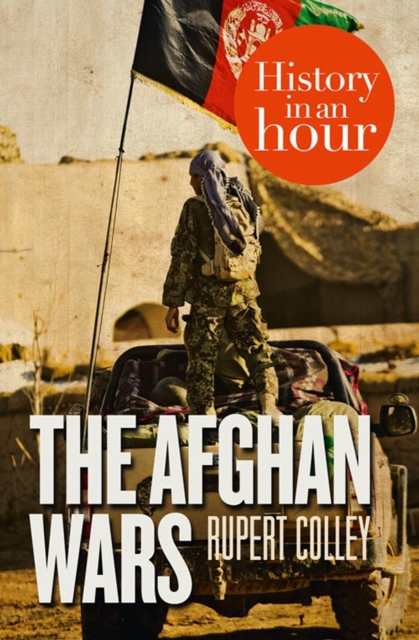
From the award-winning co-author of I Am Malala, this book asks just how the might of NATO, with 48 countries and 140,000 troops on the ground, failed to defeat a group of religious students and farmers?