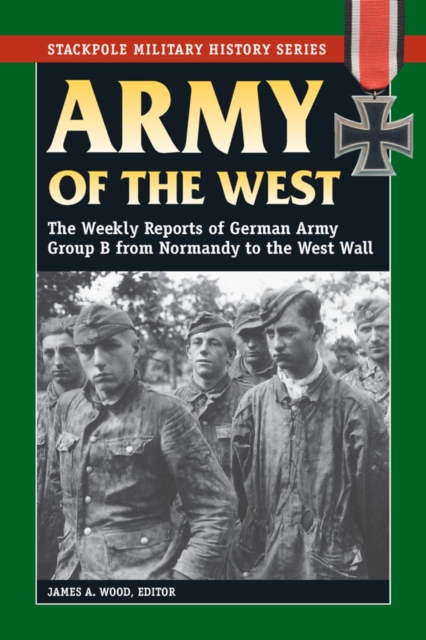
*; Essential primary source on the German defense of Western Europe in World War II*; Concise chapter introductions provide historical context for the reportsIn May 1944 German Army Group B, headquartered in France, requested weekly reports from its commanders.
Nyokodō, el «lugar del amor a uno mismo», es una pequeñísima cabaña de madera de tan solo cuatro metros cuadrados, construida en el corazón del barrio de Nagasaki reducido a cenizas por la bomba atómica.
This ';lively and action-packed account' of the infamous Gran Sasso raid chronicles the Nazi paratrooper operation that freed Mussolini (WWII History).
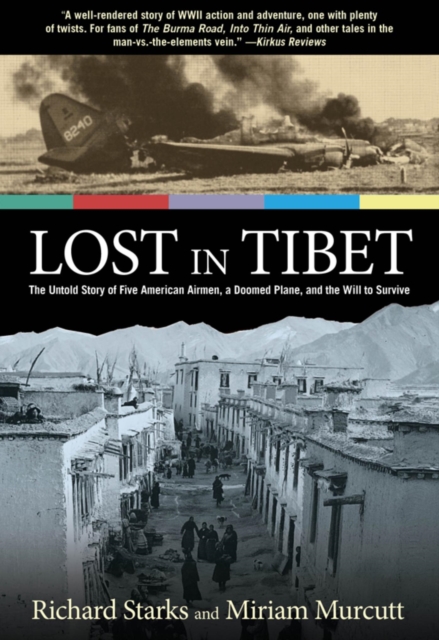
Caught in a violent storm and blown far off their intended course, five American airmen--flying the dangerous Himalayan supply route known as "e;The Hump"e;--were forced to bail out just seconds before their plane ran out of fuel.
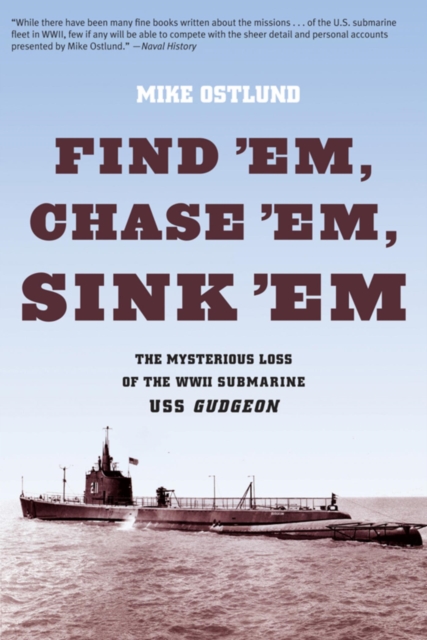
Now in paperback, revised and updated, the stirring and authoritative account of one of World War II's most highly decorated submarinesFind 'Em, Chase 'Em, Sink 'Em is the first book to recount the tragic and mysterious loss of the World War II submarine USS Gudgeon.
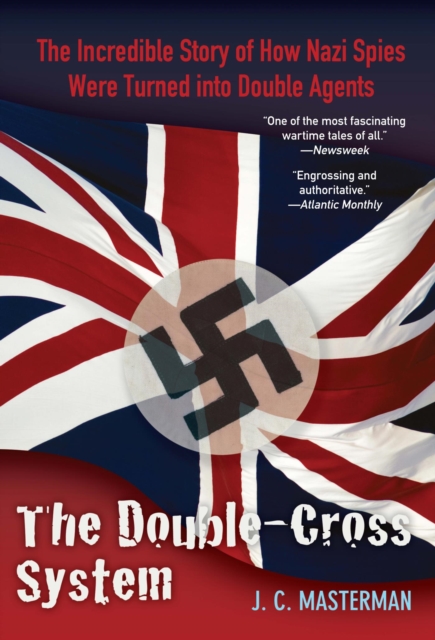
The classic account of how British intelligence penetrated and practically operated Nazi Germany's spy network within the British IslesWith great imagination, care, and precise coordination, the British were able to identify Nazi agents, induce many to defect, and supply completely false information to Germany about bombings, battles, and even the D-Day invasion.
In 1964, a young Australian girl, Linda Carr, is trying to track down the wreckage of the Liberator bomber in which her father died when it crashed in North Italy in 1944 during World War Two.
Many years after becoming the youngest person ever to be awarded the VC for attacking a company of Panzer Grenadiers on his own - an action that proved a turning point in one of the major battles of the Second World War - John Kenneally made an extraordinary confession.
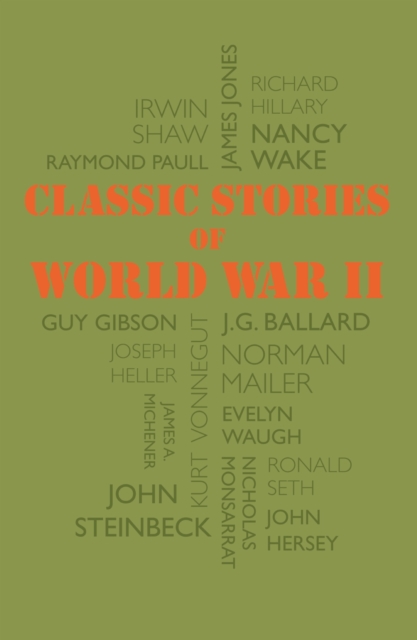
Classic Stories of World War II is a collection of fiction and non-fiction excerpts from the works of world-class authors who lived through the conflict.
One of the Sunday Times paperbacks of the Year 2020One of the Financial Times best books of 2020 'Totally gripping'-- Simon Sebag Montefiore'Pilecki is perhaps one of the greatest unsung heroes of the second world war .
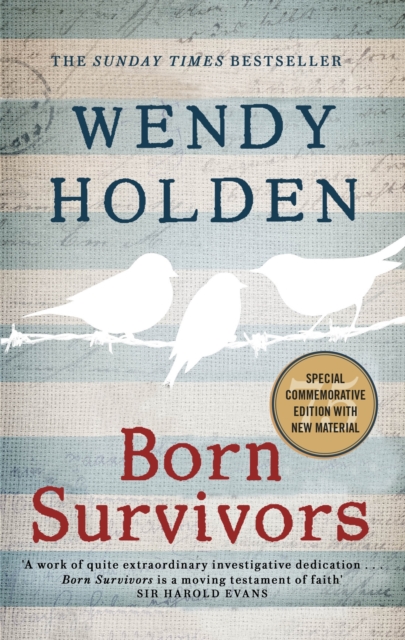
The Sunday Times bestseller now updated with a new forewordAmong millions of Holocaust victims sent to Auschwitz II-Birkenau in 1944, Priska, Rachel, and Anka each passed through its infamous gates with a secret.
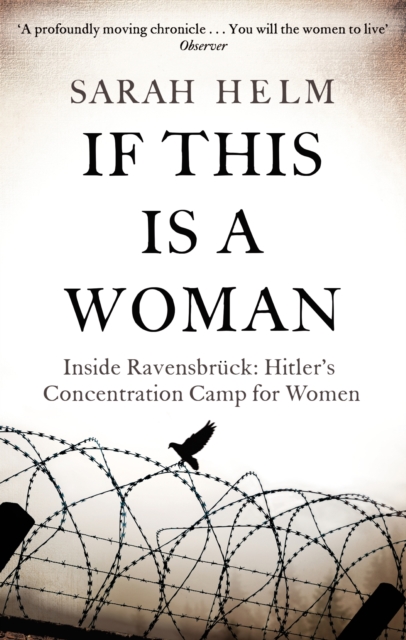
Winner of the Longman-History Today Book Prize: A 'profoundly moving chronicle' (Observer) that tells the story of Ravensbr ck, the only concentration camp designed specifically for women, using new testimony from survivorsOn a sunny morning in May 1939 a phalanx of 800 women - housewives, doctors, opera singers, politicians, prostitutes - were marched through the woods fifty miles north of Berlin, driven on past a shining lake, then herded through giant gates.
Terror was central to the Nazi regime, and the Nazi concentration camps were places of horror where prisoners were dehumanized and robbed of their dignity and where millions were murdered.
Katyn the Soviet massacre of over 21,000 Polish prisoners in 1940 has come to be remembered as Stalin s emblematic mass murder, an event obscured by one of the most extensive cover-ups in history.
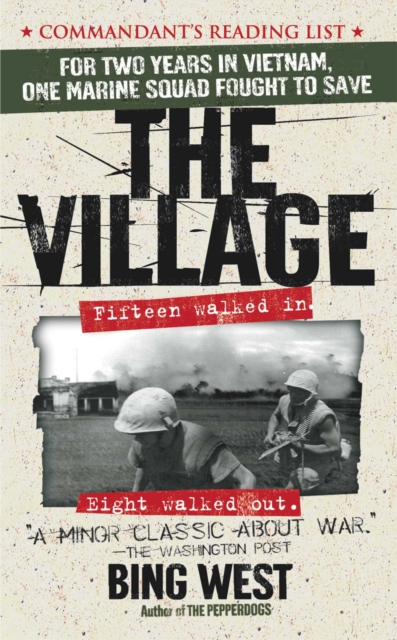
The true story of seventeen months in the life of a Vietnamese village where a handful of American Marines and Vietnamese militia lived and died together attempting to defend it.
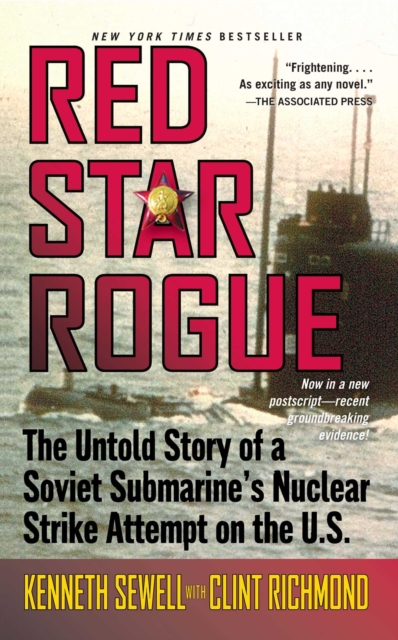
This riveting New York Times bestseller tells of the shocking true story of a rogue Soviet submarine poised for a nuclear strike on the United States, ';reveal[ing] the explosive facts about one of the best-kept secrets of the Cold War' (The Flint Journal).
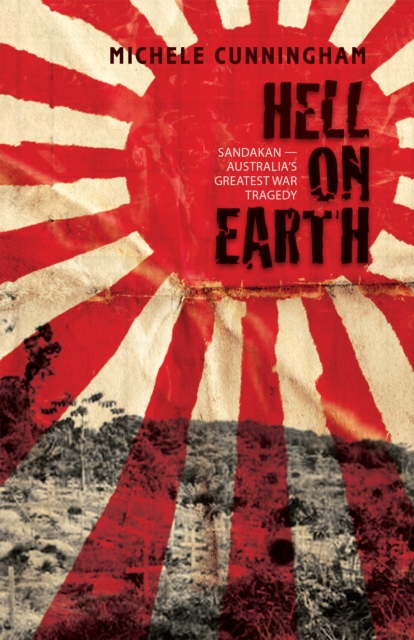
The heart-rending story of the Australians brutally imprisoned in Sandakan, the Japanese POW camp in North Borneo, whose very name came to symbolise cruelty and ill-treatment.
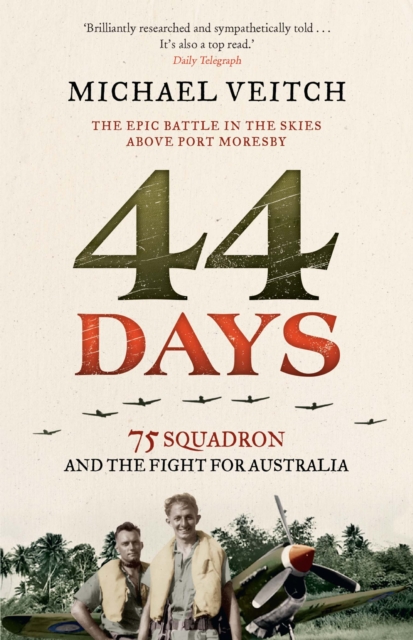
an engrossing narrative, beautifully controlled by a master storyteller' Michael McKernan, Sydney Morning Herald The bestselling, acclaimed, authoritative account of one of the most famous battles in Australian military history now established as a classic.