Richard Lukas's book, encompassing the wartime recollections of sixty "e;ordinary"e; Poles under Nazi occupation, constitutes a valuable contribution to a new perspective on World War II.
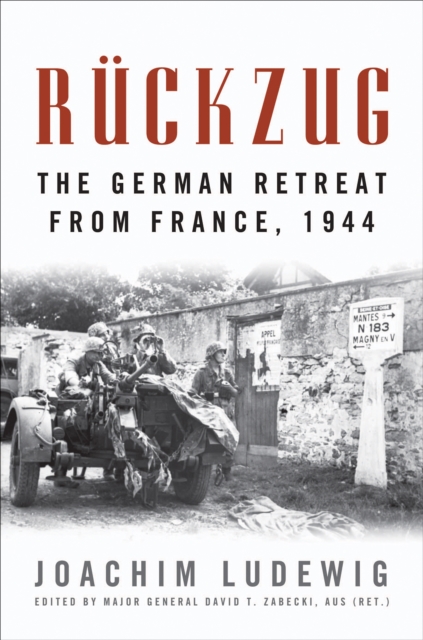
A German historian's account of the Nazi retreat from France in the summer of 1944: "e;An important book [about] a surprisingly under-examined phase of WWII"e; (Anthony Beevor, Wall Street Journal).
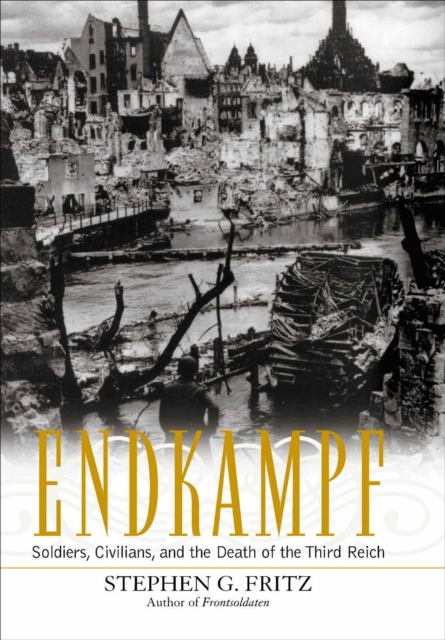
"e;This thoroughly researched and superbly written study"e; examines the final days of WWII combat within Germany during the occupation of Franconia (WWII History).
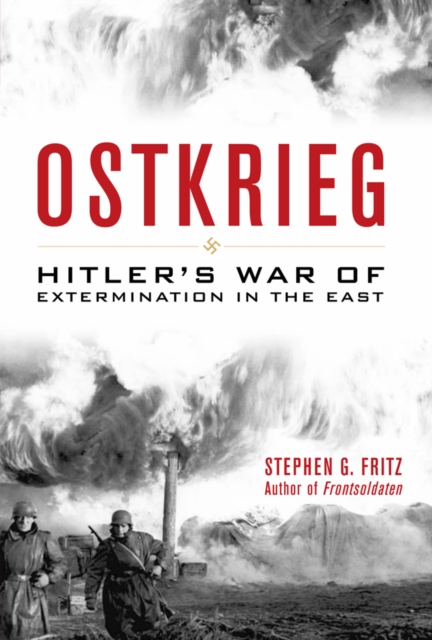
On June 22, 1941, Germany launched the greatest land assault in history on the Soviet Union, an attack that Adolf Hitler deemed crucial to ensure German economic and political survival.
Following the Japanese invasion of the islands in 1942, North Luzon was the staging area for several Filipino-American guerrilla bands who sought to gather intelligence and to destroy enemy military installations or supplies.
Mother Ann Lee, founder of the Shakers, articulated a vision of a community that embraced sacrifice over the needs of the individual; the result was one of the most successful utopian experiments of nineteenth-century America.
On November 11, 1940, 21 slow, canvas-covered British warplanes, launched from the carrier Illustrious, attacked the harbor at the Italian port of Taranto and put most of the Italian navy out of commission.
The Battle of the Atlantic, the longest continuous campaign of World War II, climaxed in 1943, when Germany came closest to interrupting Allied supply lines and perhaps winning the war.
Scouts Out is the definitive account of German armored reconnaissance in World War II, essential for historians, armor buffs, collectors, modelers, and wargamers, and the first extensive treatment of the subject in English.
Armor expert Zaloga enters the battle over the best tanks of World War II with this heavy-caliber blast of a book armed with more than forty years of research.
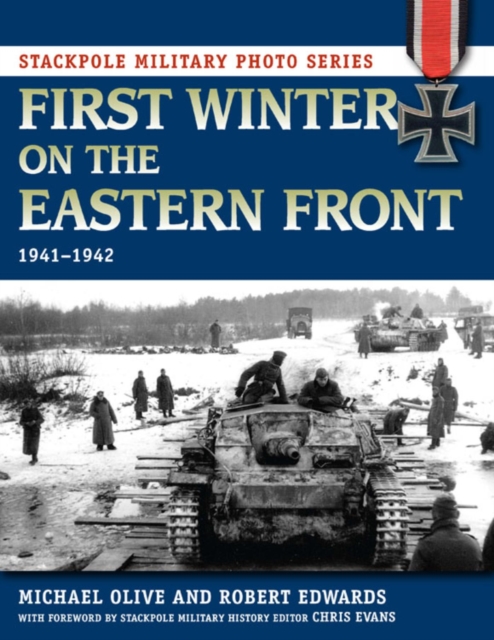
Photo chronicle of the German-Soviet campaign on the Eastern Front during its first brutal winter after Operation Barbarossa ground to a halt outside Moscow.
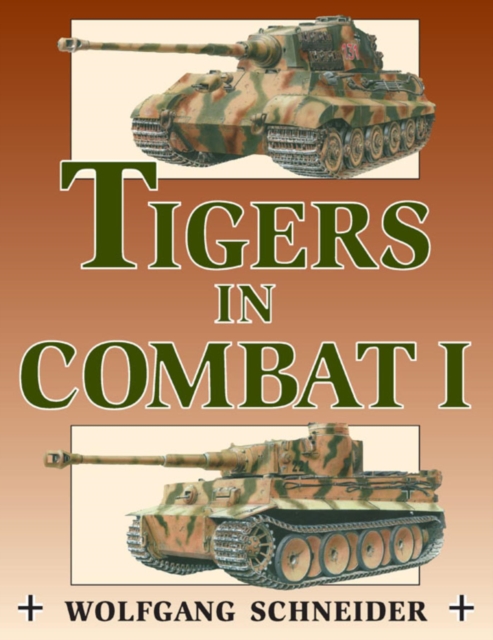
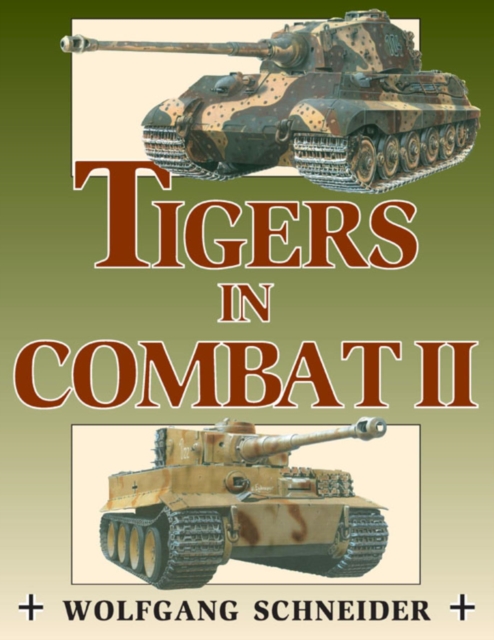
*; Hundreds of photos--many of them rare--of Tiger tanks and their crews *; Color illustrations by Jean Restayn focus on markings, camouflage, and insignia *; Inventories and timelines for each unit In this follow-up to Tigers in Combat I (0-8117-3171-5), Wolfgang Schneider turns his attention to the Tiger tanks of the Waffen-SS and the Wehrmachts named units, such as the Grodeutschland Division, Company Hummel, and Tiger Group Meyer.