The posthumous memoirs of a World War II Pathfinder pilot and Distinguished Flying Cross recipient who flew target-marking missions in enemy territory.
The history of the Flight began with the formation of the Historic Aircraft Flight in July 1957, it was later to become known as The Battle of Britain Memorial Flight.
This is a comprehensive reference to the structure, operation, aircraft and men of Fighter Command from its formation in 1936 to 1968 when it became part of Strike Command.
The Maginot Line, the complex system of strongpoints constructed between the world wars by the French to protect against attack from Germany, is one of the most famous, extensive and controversial defensive schemes in all military history.
An in-depth account of the invasion of Crete by Nazi Germany during World War II, the courageous civilian resistance, and the Allies' devastating defeat.
This is the story of one of the RAF's oldest and most distinguished heavy bomber squadrons in WW2, although an outline history of the unit since it was formed in WW1 and its post-war history are included.
For much of World War II England provided the only western European base from which the British and American air forces could take the war into Nazi-occupied Europe and Germany itself.
Dramatic photographs of Nazi Germany's shocking Ardennes Offensive that nearly turned the tide of World War II-from the author of In Pursuit of Hitler.
A World War II survivor describes his combat experiences as a member of the Red Army's 5th Guards Cavalry Division in the fight against the Nazi Germany.
There have been several books published about the wartime experiences of individual air gunners but there is no general history of Air Gunners, their equipment, training or service in the various RAF Commands in which they served.
For sixty years the dramatic story of the Dunkirk evacuation and the defeat of France-the story of the German conquest of northwest Europe-has been the focus of historical study and dispute, yet myths and misconceptions about this extraordinary event persist.
Designed to act as a diversion to the 'big push', Gommecourt was an attempt to force the Germans to commit their reserves to the front line before the main battle took place.
This WWII battlefield guide offers a detailed history of the Siege of Fort Eben Emael during the Nazi invasion of Belgium-with maps and photos throughout.
This is a comprehensive reference to the structure, operation, aircraft and men of Fighter Command from its formation in 1936 to 1968 when it became part of Strike Command.
Drawing upon a new international archive of the Second World War, the support of veterans world-wide and from archives overseas, the author uses previously unpublished letters, diaries, photographs and reminiscences to tell the story of D Day in a way which brings the reader closer to the actual experience.
Concentrating on the Ploegsteert and Neuve Eglise sectors in Belgium, this book features stories on such well known figures as sculptor Charles Sargent Jagger, ARA ; R Poulton Palmer and 'Tanky' Turner, great friends and rugby football captains of England and Scotland respectively; as well the discovery and eventual burial of a Lancashire Fuslier who was killed in action in 1914; the research leading to the erection in 2002 of a 'Believed to be buried' headstone in the Strand cemetery of an Australian killed in action at Messines in 1917; the action in 1914 that initiated the birth of the infamous 'Birdcage' on the western edge of Ploegsteert Wood and other stories of interest to enthusiasts of the Great War.
This book covers the bases used during the Second World War by the American fighter units that flew in support of the 8th Air Forces heavy bomber forces.
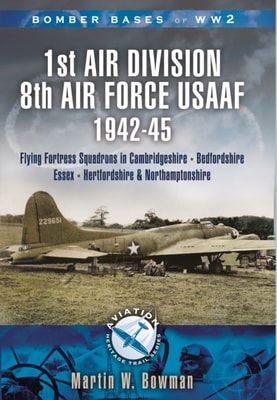
As part of the AHT series, the airfields and interest in this book are concentrated in a particular area-in this case Cambridgeshire, Bedfordshire and Northamptonshire.