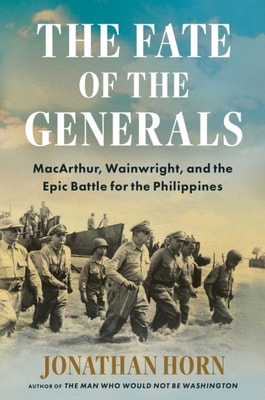
Thirteen-year-old Rodolfo Balao was in church listening to a solemn Mass when Japanese planes flew over his town in the Philippines and bombed the airfield.
"e;The United States Merchant Marine provided the greatest sealift in history between the production army at home and the fighting forces scattered around the globe in World War II.
Why: To provide selected examples of World War II and early Cold War events, operations, procedures, systems, and equipment related to the use of electronics and radio measures, countermeasures, and surveillance.
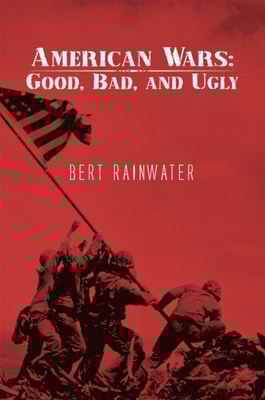
SynopsisAmerican Wars: Good, Bad, and UglyThis work contains an unusual view of American wars that may stimulate new thoughts of the price we have paid and the gains we have made in the folly of our wars.
Award-winning journalist Ruth Gruber's powerful account of a top-secret mission to rescue one thousand European refugees in the midst of World War IIIn 1943, nearly one thousand European Jewish refugees from eighteen different countries were chosen by President Franklin Delano Roosevelt's administration to receive asylum in the United States.
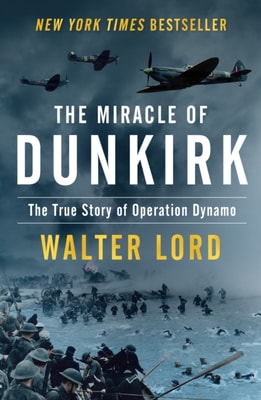
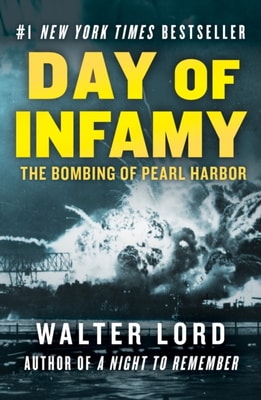
The true story of the World War II evacuation portrayed in the Christopher Nolan film Dunkirk, by the #1 New York Times-bestselling author of Day of Infamy.
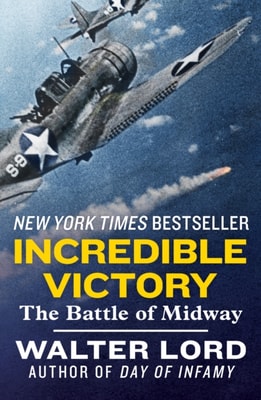
The "e;remarkable"e; New York Times bestseller about the battle in the Pacific that turned the tide of World War II-by the author of The Miracle of Dunkirk (Los Angeles Times).
Fast's fascinating biography of Joseph Broz, known to the world as Tito, including his rise to power and his remarkable stand against fascismThe world was mired in the Second World War when Howard Fast wrote The Incredible Tito.
West's acclaimed examination of traitors, this gripping profile takes readers inside World War II spy rings and gets to the heart of what it means to betray one's country Throughout her career, Rebecca West dug into psyches, real and fictional, to try to understand the meaning of betrayal.
Follow along as the author relates his experiences from the time he enlists in the Army Air Force in 1942, thru training as an Aviation Cadet and finally as the pilot-in-command of a B-17 Flying Fortress as the 8th Air Force mounts its attack against Hitlers Germany.
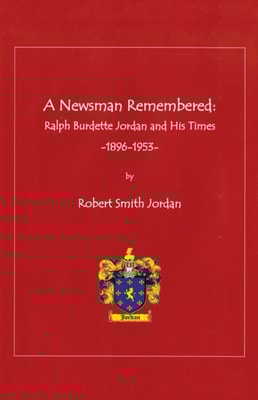
A Newsman Remembered is not just the story of the life of Ralph Burdette Jordan (RBJ or Jock) who was a remarkable newspaperman/motion picture publicist/war correspondent.
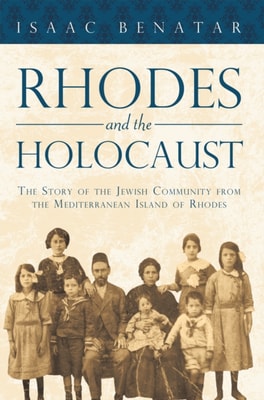
Rhodes and the Holocaust is the story of La Juderia, the Jewish community that once lived and flourished on Rhodes Island, the largest of the twelve Dodecanese islands in the Mediterranean Sea near the coast of Turkey.
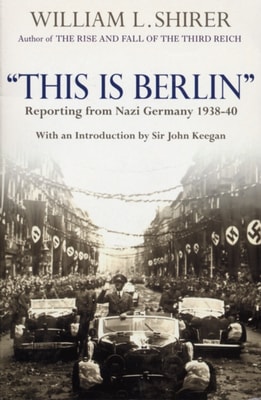
Before Britain and Germany went to war in 1939, Ed Murrow of CBS sent his star reporter William Shirer to report from Berlin on what was really happening in Hitler's Germany.
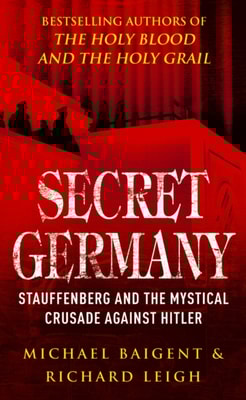
At thirty-seven, Colonel Count Claus von Stauffenberg, Chief of Staff of the Reich Reserve Army, was a charismatic figure destined for supreme command.
Now a major film starring GEORGE CLOONEY, MATT DAMON, CATE BLANCHETT, BILL MURRAY, JOHN GOODMAN, HUGH BONNEVILLE, BOB BALABAN, JEAN DUJARDIN and DIMITRI LEONIDAS.
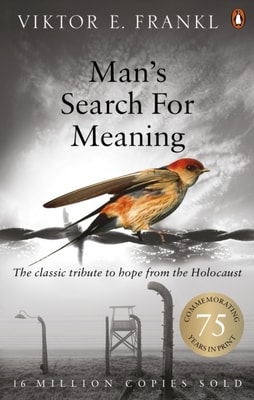
Over 16 million copies sold worldwide 'Every human being should read this book' Simon Sinek One of the outstanding classics to emerge from the Holocaust, Man's Search for Meaning is Viktor Frankl's story of his struggle for survival in Auschwitz and other Nazi concentration camps.
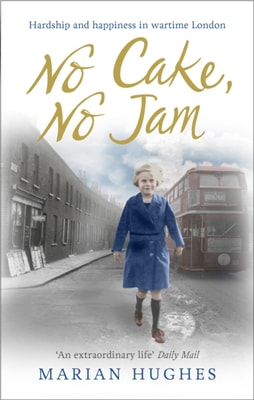
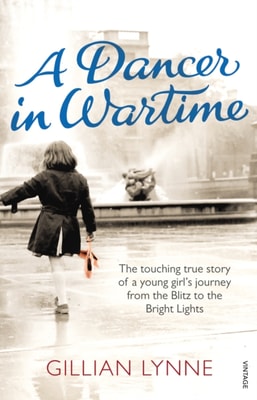
No Cake, No Jam is the heart-warming true story of a little girl s London childhood during the Blitz, and of how she rose above adversity through sheer guts and strength of character.
From the top ten bestselling author of Normandy 44 and Sicily 43The Second World War is the most cataclysmic and violent sequence of events in recent times.
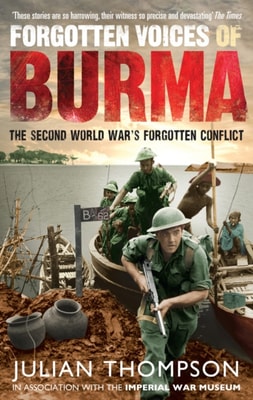
From the end of 1941 to 1945 a pivotal but often overlooked conflict was being fought in the South-East Asian Theatre of World War 2 - the Burma Campaign.
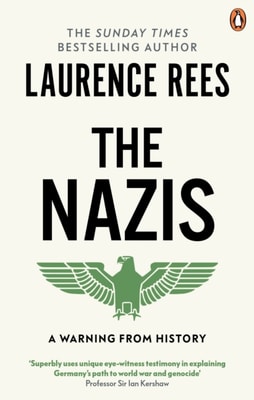
Following the success of Rees' bestselling Auschwitz, this substantially revised and updated edition of The Nazis - A Warning from History tells the powerfully gripping story of the rise and fall of the Third Reich.
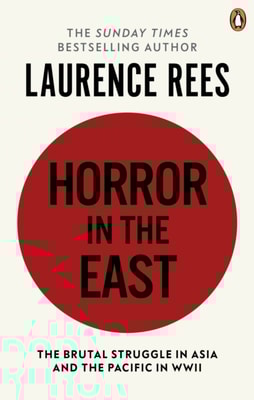
The brutality of Japanese soldiers towards both allied prisoners of war and millions of civilians in Asia during the Second World War was one of the greatest horrors of the Twentieth Century.
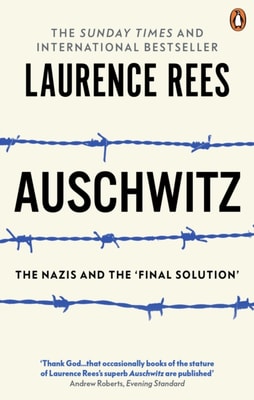
THE SUNDAY TIMES AND INTERNATIONAL BESTSELLER'Superb' ANDREW ROBERTSIn this classic book, highly acclaimed author and broadcaster Laurence Rees tells the definitive history of the most notorious Nazi institution of them all.
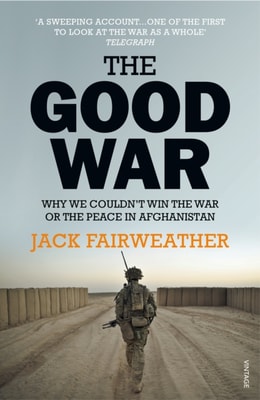
A timely lesson in the perils of nation-building and a sobering reminder of the limits of military power from the Costa Award winning author of The Volunteer.
The official book behind the Academy Award-winning film The Imitation Game, starring Benedict Cumberbatch and Keira Knightley Alan Turing was the mathematician whose cipher-cracking transformed the Second World War.
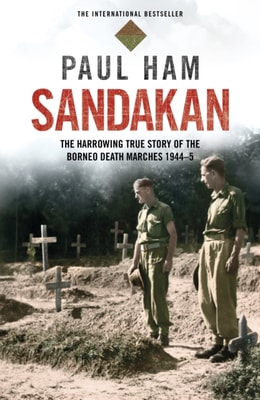
After the fall of Singapore in 1942, the conquering Japanese Army transferred some 2500 British and Australian prisoners to a jungle camp at Sandakan, on the east coast of North Borneo.