During World War II, Britain enjoyed spectacular success in the secret war between hostile intelligence services, enabling a substantial and successful expansion of British counter-espionage which continued to grow in the Cold War era.
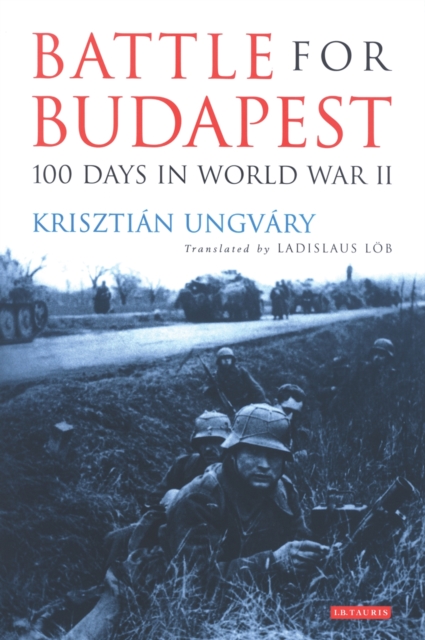
The story of Raoul Wallenberg - the Swedish businessman who, at immense personal risk, rescued many of Budapest's Jews from the Holocaust and subsequently disappeared into the Soviet prison system - is one of the most fascinating episodes of World War II.
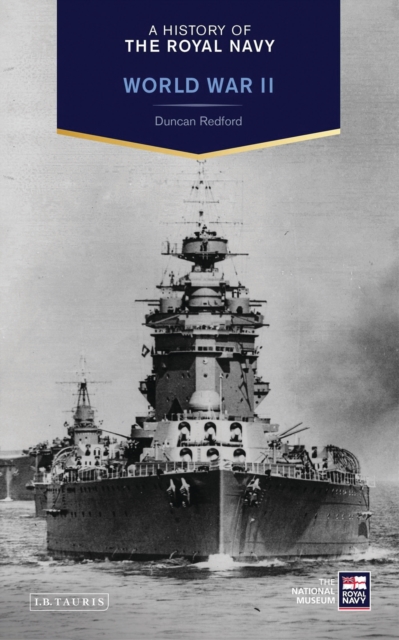
The Royal Navy's operations in World War II started on 3 September 1939 and continued until the surrender of Japan in August 1945 - there was no 'phoney war' at sea.
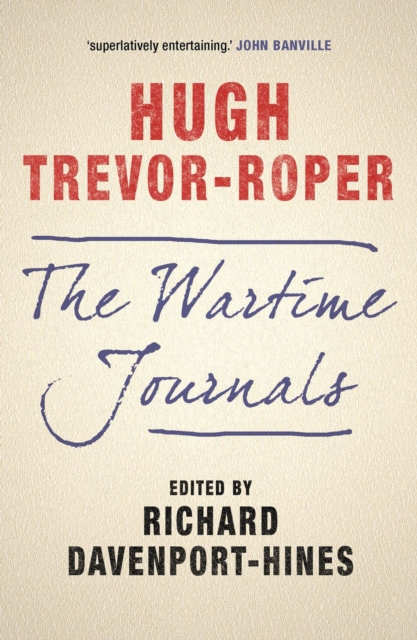
As a British Intelligence Officer during World War II, Hugh Trevor-Roper was expressly forbidden from keeping a diary due to the sensitive and confidential nature of his work.
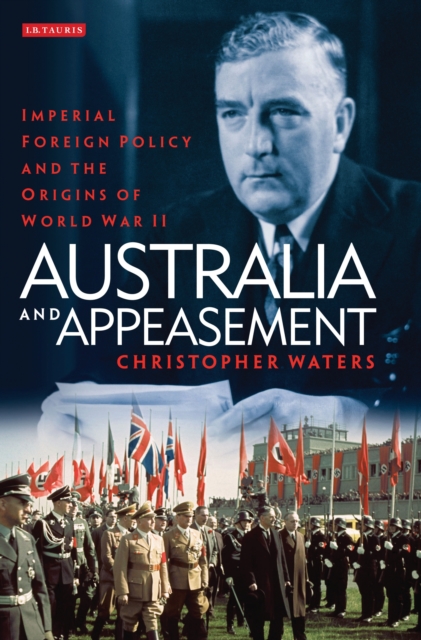
On 3 September 1939, Robert Menzies, the Australian Prime Minister, broadcast to the Australian people the news that their country was at war with Germany.
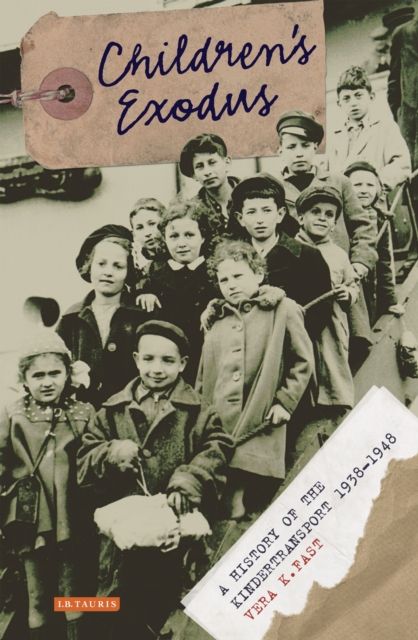
In the months leading up to the outbreak of World War Two, Britain rushed to evacuate nearly 10,000 Jewish children from the Nazi occupied territories.
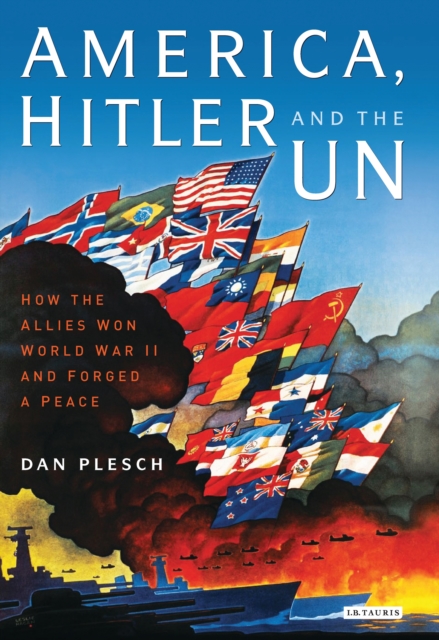
In January 1942, the Declaration by United Nations forged a military alliance based on human rights principles that included over 24 countries, marking the beginning of the UN.
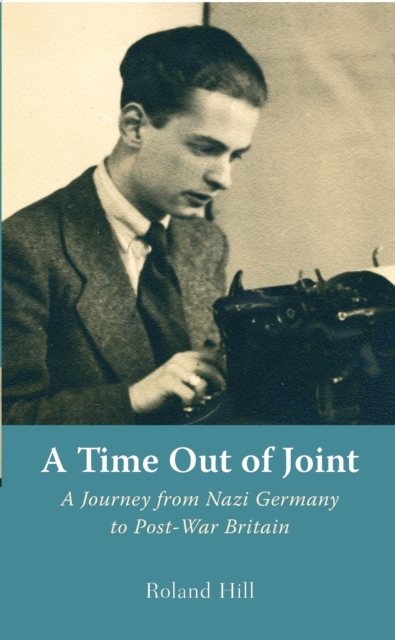
Roland Hill's autobiography, "e;A Time Out of Joint"e;, is a remarkable and moving personal story and much more: it enables readers to re-live European history during the darkest period of Nazi Germany and World War II, when traditional European culture and civilisation generally seemed to be extinguished, but also to experience the return of peace and a time of hope.
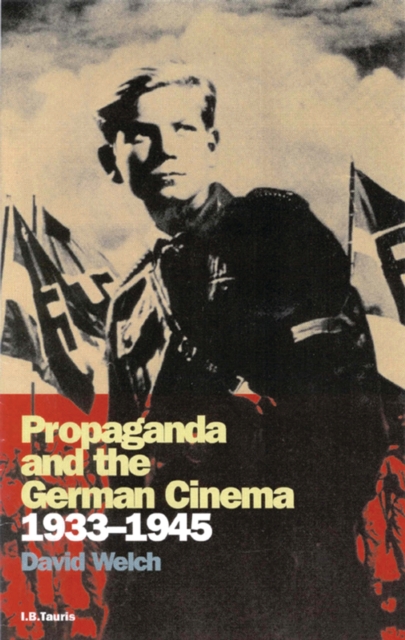
This is the most comprehensive analysis to date of Nazi film propaganda in its political, social, and economic contexts, from the pre-war cinema as it fell under the control of the Propaganda Minister, Joseph Goebbels, through to the end of the Second World War.
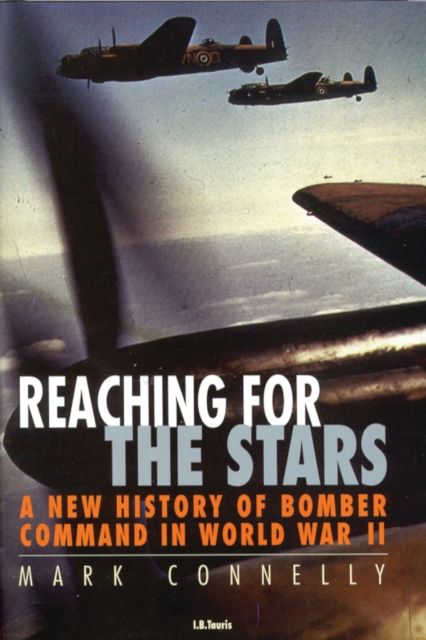
_Reaching for the Stars_ shows why Bomber Command, in one of the largest and bloodiest campaigns of the war, with 55,000 aircrew lost and more officer fatalities than in World War I, has received so much attention and yet remains a 'lost and black sheep' among British wartime achievements.
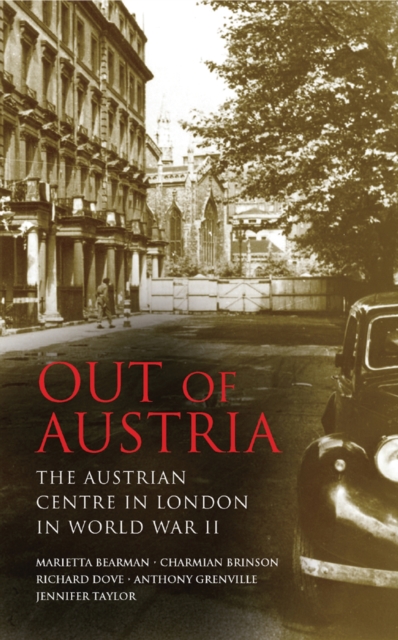
The Austrian Centre was established in London in 1939 by Austrians seeking refuge from Nazi Germany, of whom 30,000 had reached Britain by the outbreak of World War II.
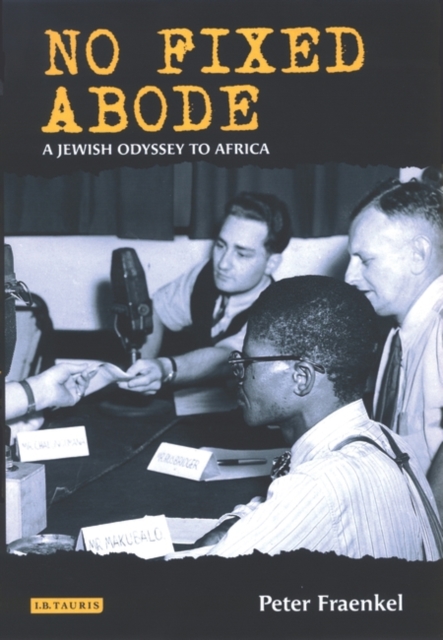
Peter Fraenkel here gives a vivid account of a childhood in a middle-class, non-observant Jewish family in Nazi Germany, forced to emigrate to Zambia (then Northern Rhodesia) in 1939.
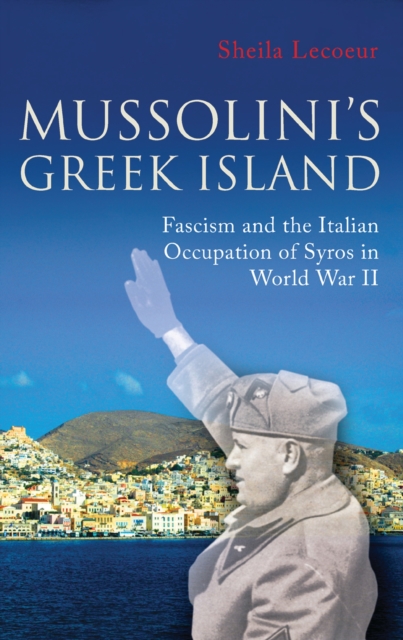
A powerful and unique study of the realities and long-term impact of occupation, "e;Mussolini's Greek Island"e; reveals the Italian dictator's imperial vision, the mechanisms of Italian occupation and its tragic consequences.
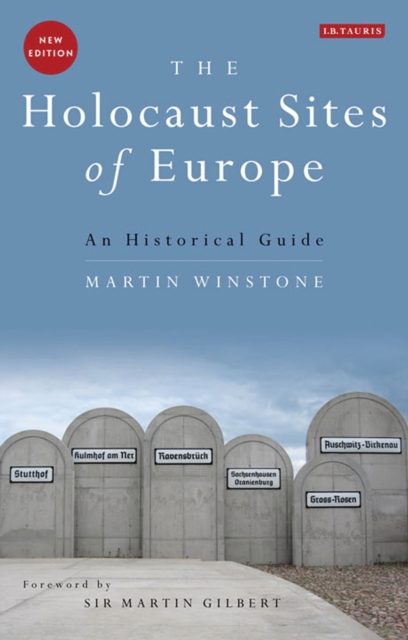
The Holocaust - the murder of approximately six million Jews by Nazi Germany and its collaborators in World War Two - is the gravest crime in recorded history, committed on a human and geographical scale which is almost unimaginable.
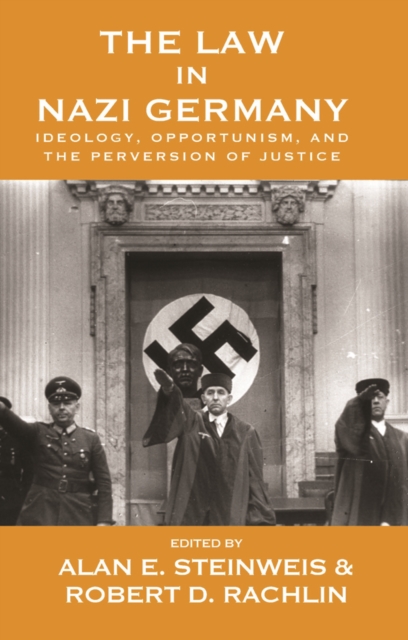
While we often tend to think of the Third Reich as a zone of lawlessness, the Nazi dictatorship and its policies of persecution rested on a legal foundation set in place and maintained by judges, lawyers, and civil servants trained in the law.
On 10 May 1941, Rudolf Hess, then the Deputy F hrer, parachuted over Renfrewshire in Scotland on a mission to meet with the Duke of Hamilton, ostensibly to broker a peace deal with the British government.
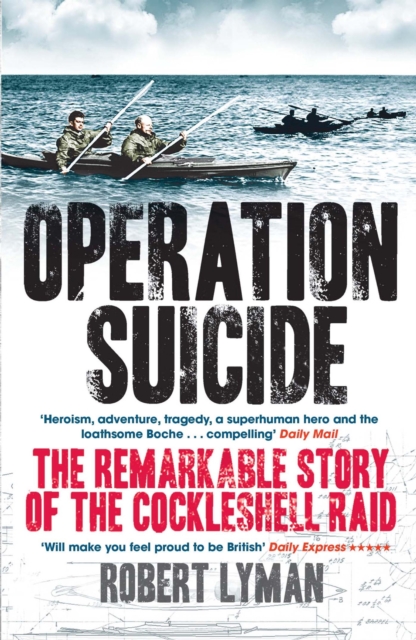
At nightfall on December 7 1942, twelve British canoeists arrived by submarine off the coast of France, tasked with infiltrating the dockyards of Bordeaux, and wreaking havoc with the German shipping they found there.
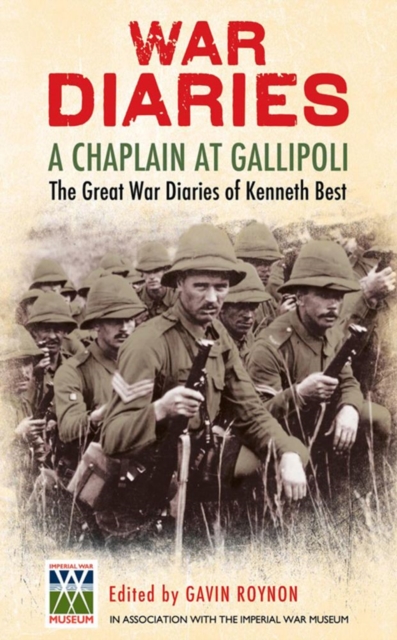
Many chaplains were not permitted to go near the Front in the First World War - others insisted on doing so, like Kenneth Best in the Gallipoli Campaign.
The International Bestseller of the Spanish Civil War - Winner of the Independent Foreign Fiction PrizeIn the final moments of the Spanish Civil War, fifty prominent Nationalist prisoners are executed by firing squad.
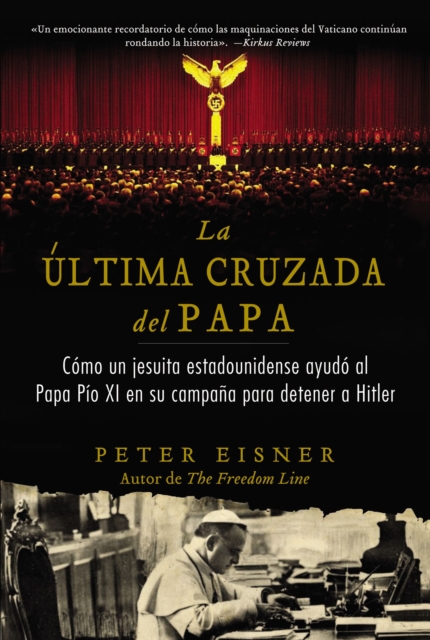
Basándose en recursos sin explotar, entrevistas exclusivas y nueva investigación de archivos, La última cruzada del Papa por Peter Eisner es un emocionante relato que trae a la luz el valiente esfuerzo del Papa Pío XI para condenar el nazismo y la política del Tercer Reich —una cruzada que podría haber cambiado el curso de la segunda guerra mundial.
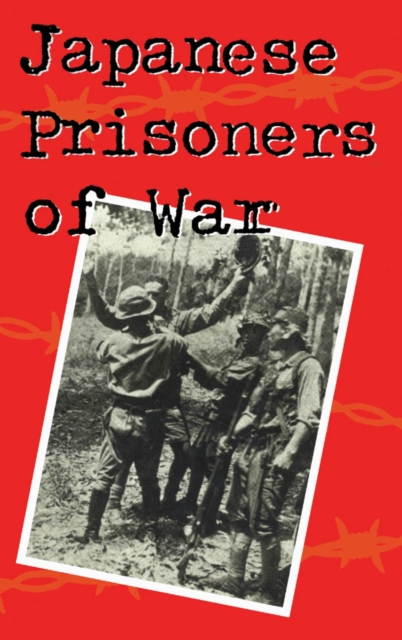
During World War II the Japanese were stereotyped in the European imagination as fanatical, cruel, almost inhuman - an image reflected in most books and films about prisoner of war in the Far East.
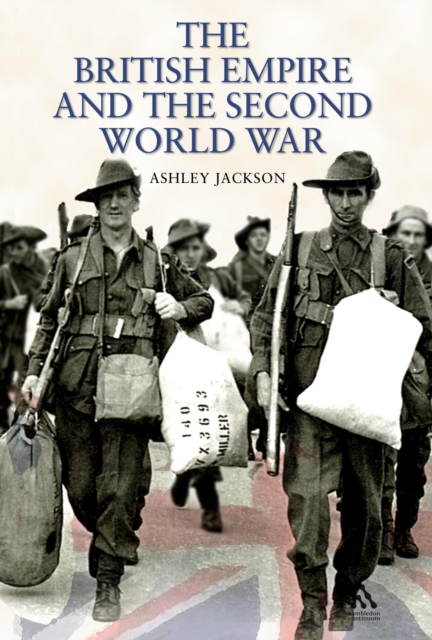
In 1939 Hitler went to war not just with Great Britain; he also went to war with the whole of the British Empire, the greatest empire that there had ever been.
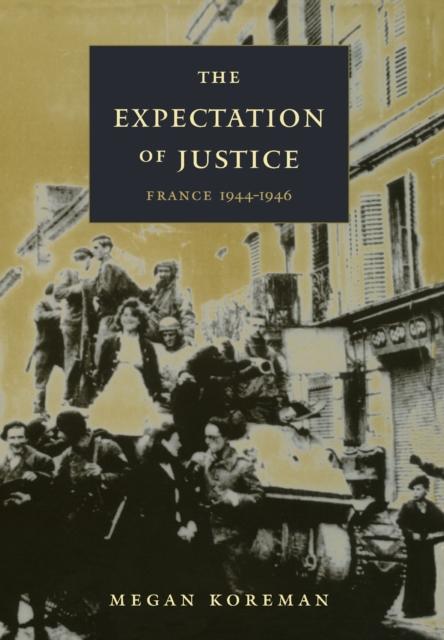
In The Expectation of Justice Megan Koreman traces the experiences of three small French towns during the troubled months of the Provisional Government following the Liberation in 1944.
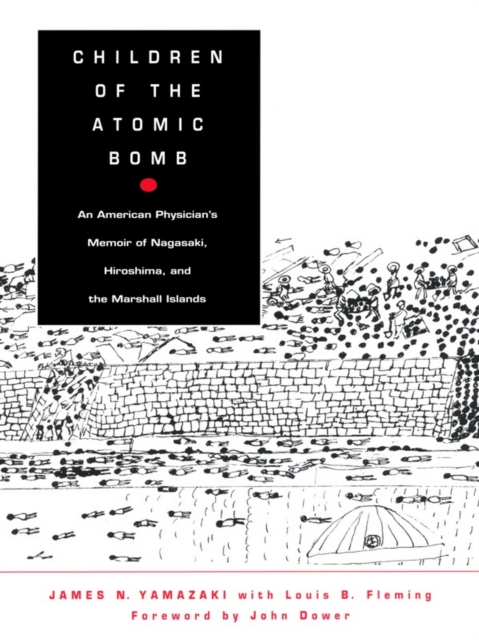
Despite familiar images of the dropping of the atomic bomb on Japan and the controversy over its fiftieth anniversary, the human impact of those horrific events often seems lost to view.
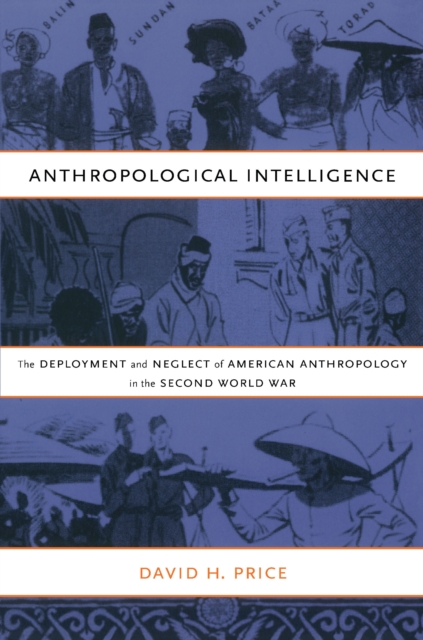
By the time the United States officially entered World War II, more than half of American anthropologists were using their professional knowledge and skills to advance the war effort.
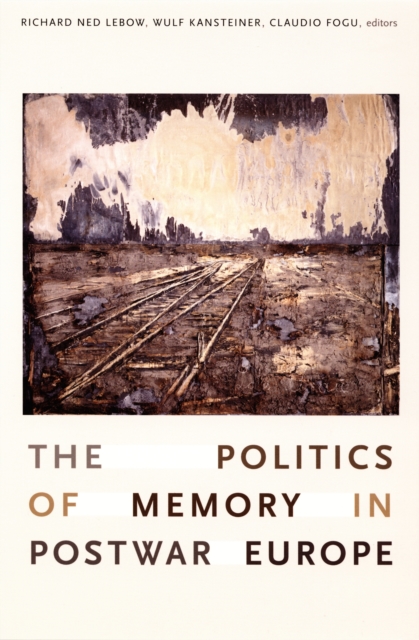
For sixty years, different groups in Europe have put forth interpretations of World War II and their respective countries' roles in it consistent with their own political and psychological needs.
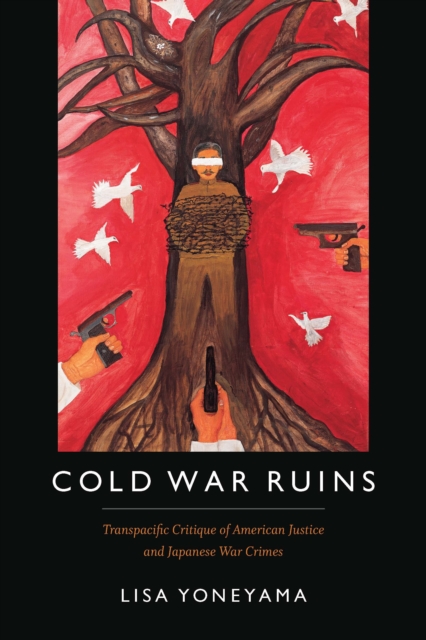
In Cold War Ruins Lisa Yoneyama argues that the efforts intensifying since the 1990s to bring justice to the victims of Japanese military and colonial violence have generated what she calls a "e;transborder redress culture.