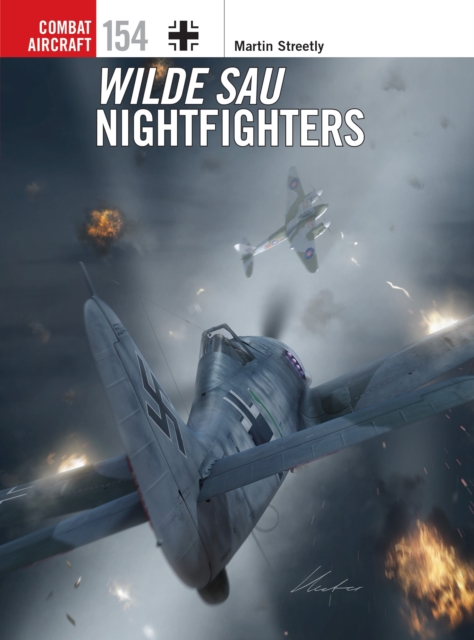
An illustrated exploration of the development, technology and operations of Wilde Sau fighters in the night skies over Germany during the Defence of the Reich.
To his enlisted men on U-154, Lieutenant Oskar Kusch was the ideal skipper--bright, experienced, successful, caring, tolerably eccentric--and a popular captain who always brought his boat home safely when so many others vanished without a trace.
The Marine Corps Way of War examines the evolving doctrine, weapons, and capability of the United States Marine Corps during the four decades since our last great conflict in Asia.
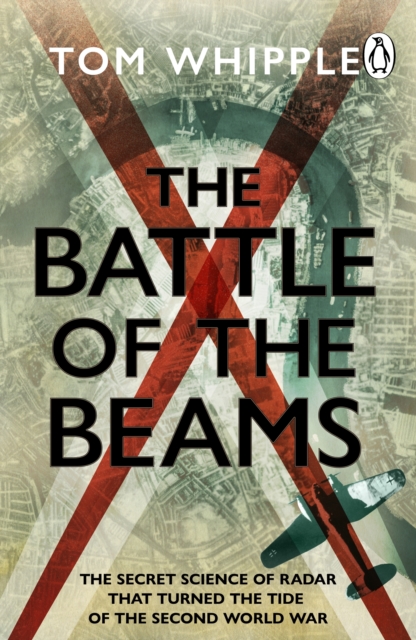
'Deeply researched and engagingly written' The Times'Has the pace and style of a well-crafted thriller' Mail on Sunday'Chock full of memorable characters and written with all the drama and pace of a Robert Harris thriller' Rowland White, author of MosquitoSummer 1939.
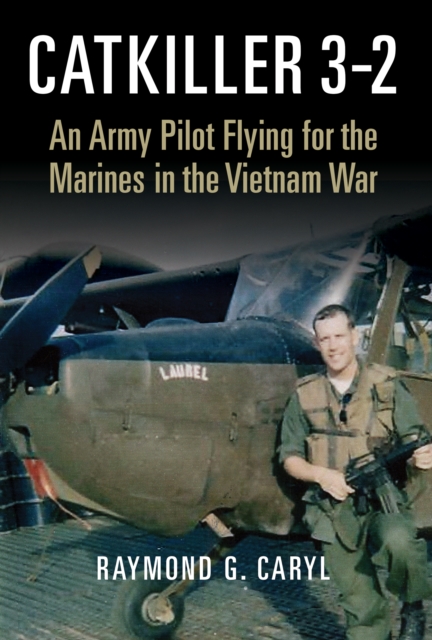
Catkiller 3-2 provides unique insights into the role of the tactical air controller, airborne (TACA) in I Corps as seen through the eyes of one of the pilots who flew low-flying, unarmed, single-engine aircraft in support of Marine ground units during the Vietnam War.
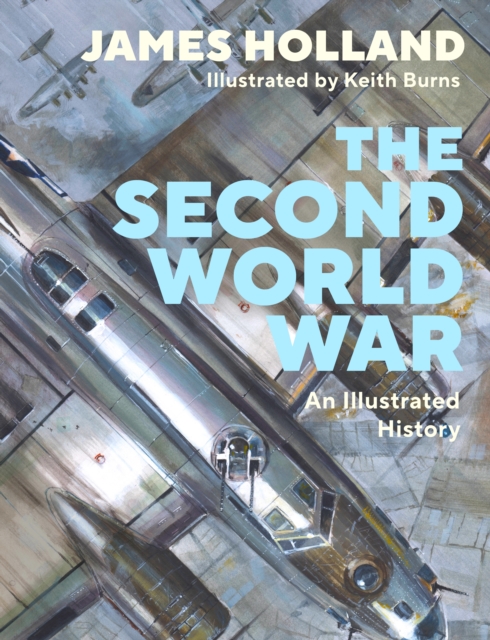
Discover the story of the Second World War brought to life in full colour by renowned historian James Holland and award-winning artist Keith Burns'A fully immersive experience.
This book focuses on India's foreign policy towards Sri Lanka before the Indo-Sri Lanka Accord (ISLA) in July 1987 and India's military intervention after the ISLA.
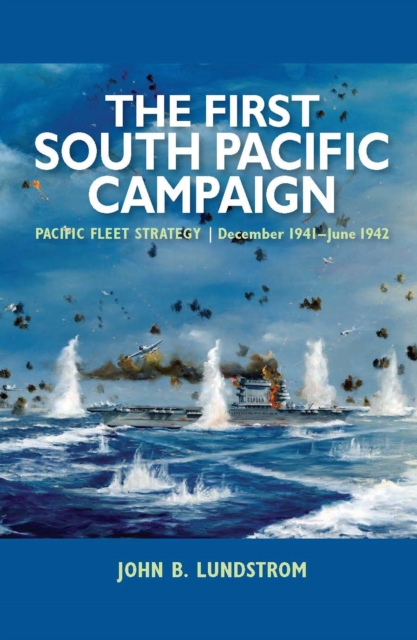
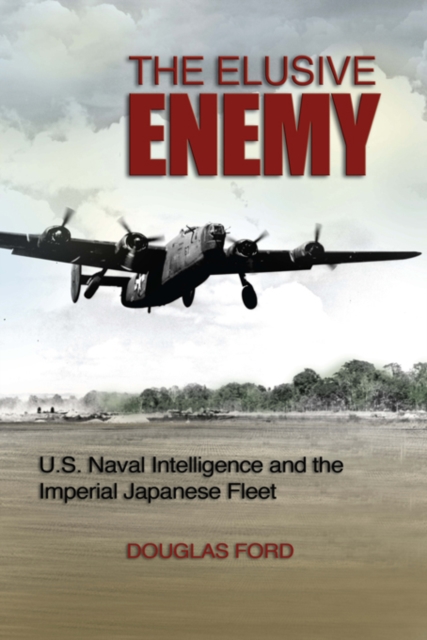
On May 7 and 8, 1942, fast carrier task forces from the United States and Imperial Japanese navies met in combat for the first time in the Battle of the Coral Sea.
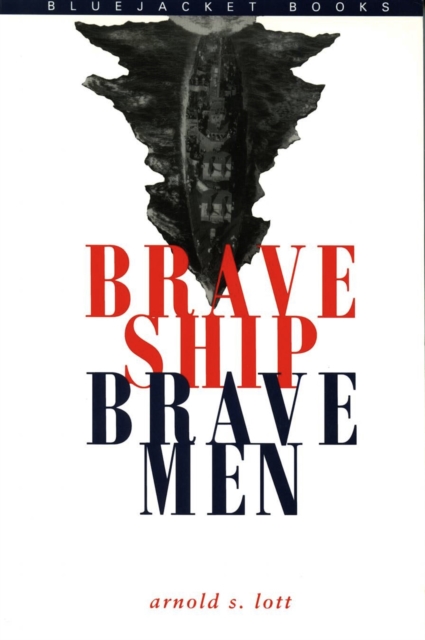
A masterpiece of World War II heroism, this book catches the spirit and tone of an incredible fighting ship, the USS Aaron Ward, a destroyer-turned-minelayer on the radar picket lines in the Pacific.
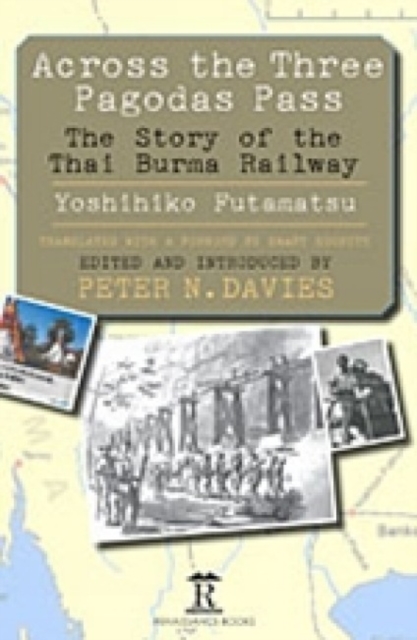
This is a translation of the only known detailed account of the building of the notorious 262-mile long Thai-Burma Railway by one of the Japanese professional engineers who was involved in its construction.
This book examines attitudes towards German held captive in Britain, drawing on original archival material including newspaper and newsreel content, diaries, sociological surveys and opinion polls, as well as official documentation and the archives of pressure groups and protest movements.
Back from their mission as the Bad Love Tigers to secure the secrets of Area 51 and the White Hole Project, the Bad Love Gang are summoned to the Oval Office by President Gerald Ford.
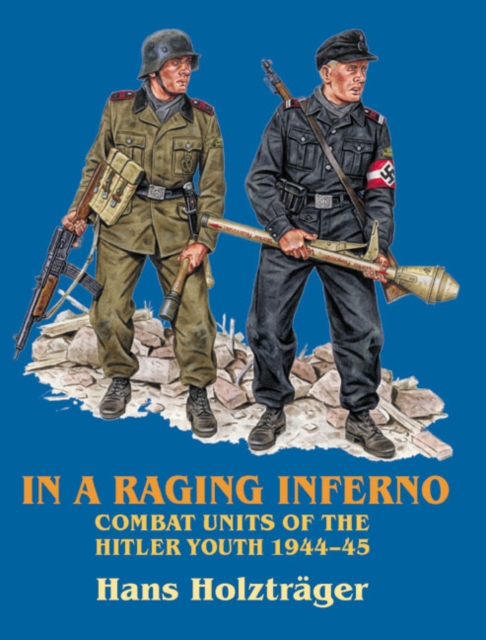
Translated from German, In a Raging Inferno is the first English-language book ever to recount the story of the Hitler Youth and its combat role at the end of World War II.
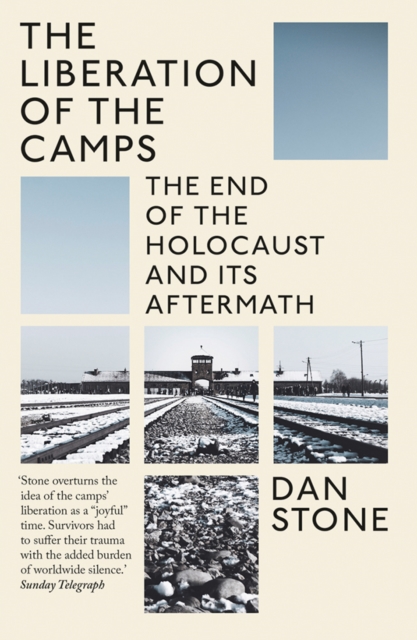
A moving, deeply researched account of survivors' experiences of liberation from Nazi death camps and the long, difficult years that followed When tortured inmates of Hitler's concentration and extermination camps were liberated in 1944 and 1945, the horror of the atrocities came fully to light.
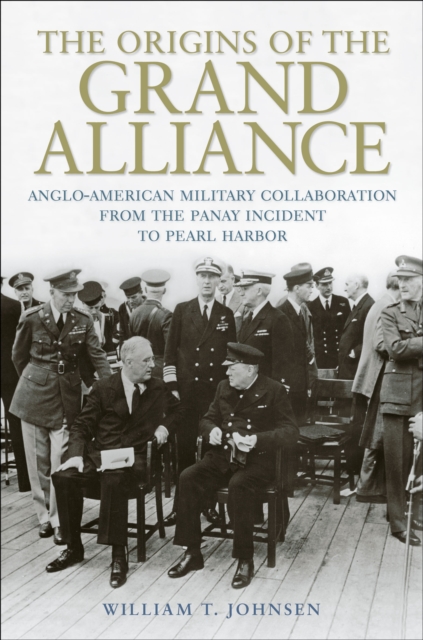
This "e;uncommonly astute study"e; examines the early development of the US-UK military alliance that would eventually lead to victory in WWII (Paul Miles, author of FDR's Admiral).
A groundbreaking book that gathers key wartime intelligence reportsDuring the Second World War, three prominent members of the Frankfurt School-Franz Neumann, Herbert Marcuse, and Otto Kirchheimer-worked as intelligence analysts for the Office of Strategic Services, the wartime forerunner of the CIA.
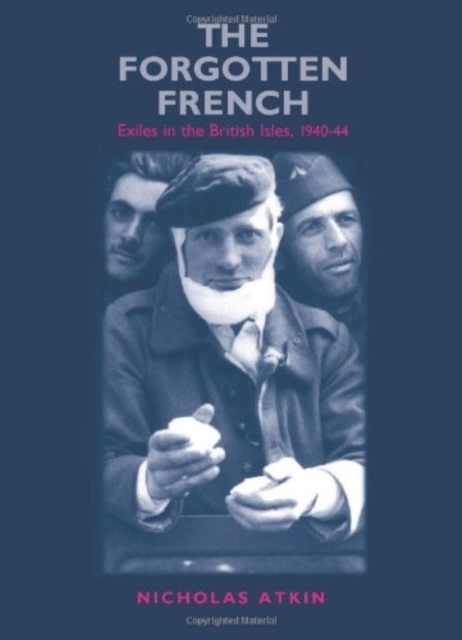
It is widely assumed that the French in the British Isles during the Second World War were fully fledged supporters of General de Gaulle, and that, across the channel at least, the French were a 'nation of resisters'.
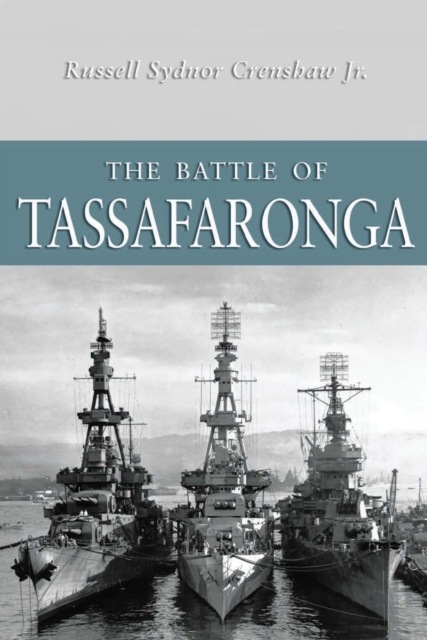
The Battle of Tassafaronga, November 30, 1942, was the fifth and last major night surface action fought off Savo Island during World War II's Guadalcanal campaign.
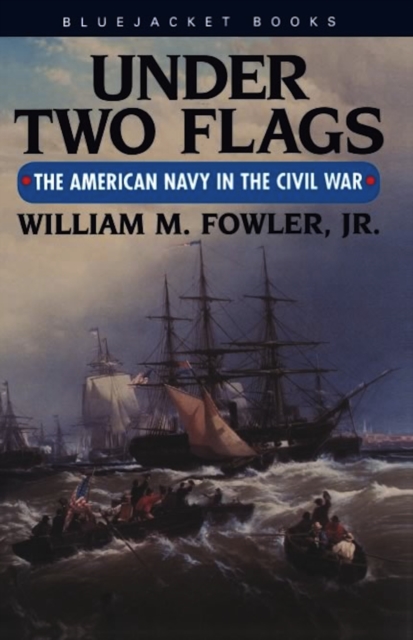
Vividly written and well researched by a noted historian of the period, this succinct history credits the Union Navy as an essential element in the northern victory.
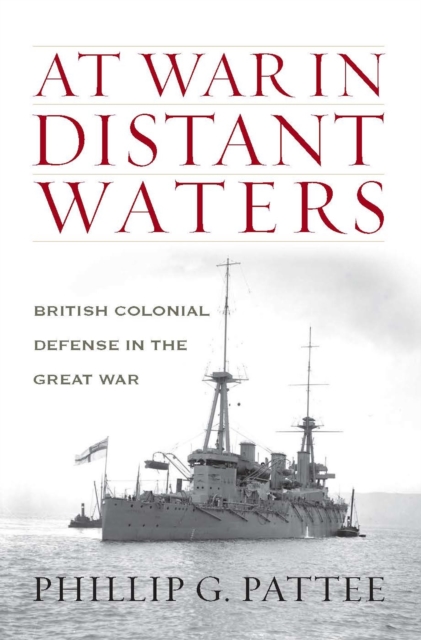
At War in Distant Watersinvestigates the reasons behind Great Britains combined military and naval offensive expeditions outside of Europe during the Great War.
Even in the harsh conditions of total war, food is much more than a daily necessity, however scarce-it is social glue and an identity marker, a form of power and a weapon of war.