An indispensable resource on the Treaty of Versailles, one of the most influential and controversial documents in history, this book explains how the treaty tried to solve the complex issues that emerged from the destruction of World War I.
Offering comprehensive coverage for those examining Civil War propaganda, this volume provides a broad analysis of efforts by both Union and Confederate sides to influence public opinion of America's deadliest conflict.
Work played a central role in Nazi ideology and propaganda, and even today there remain some who still emphasize the supposedly positive aspects of the regime s labor policies, ignoring the horrific and inhumane conditions they produced.
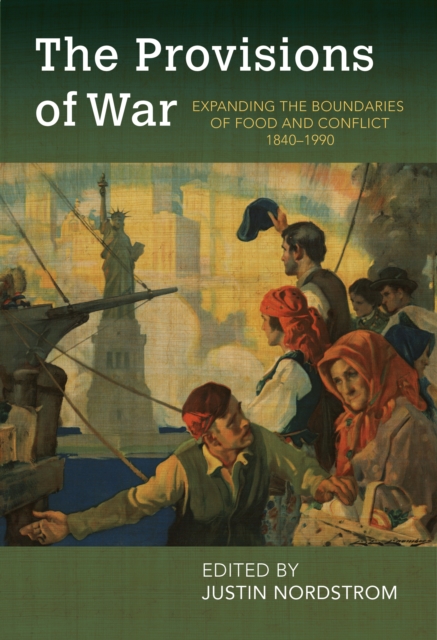
The Provisions of War examines how soldiers, civilians, communities, and institutions have used food and its absence as both a destructive weapon and a unifying force in establishing governmental control and cultural cohesion during times of conflict.
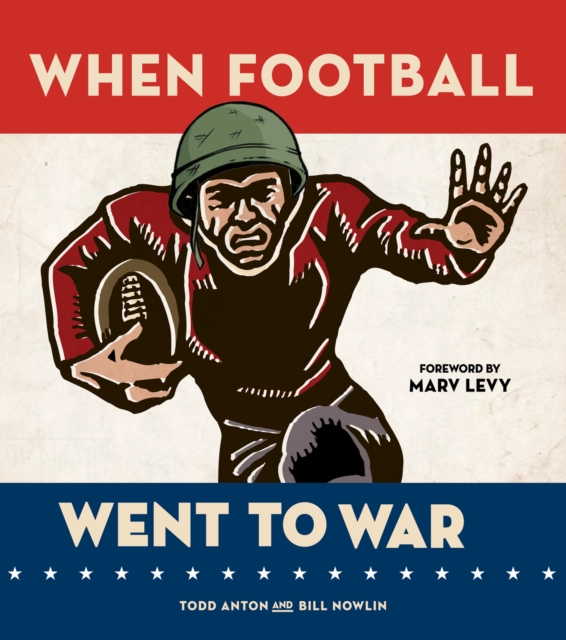
More than any other sport, professional football contributed fighting men to the battles of World War II, and the 22 or so players or former players that lost their lives are among the riveting stories told in this tribute to football's war heroes that spans many decades and military conflicts.
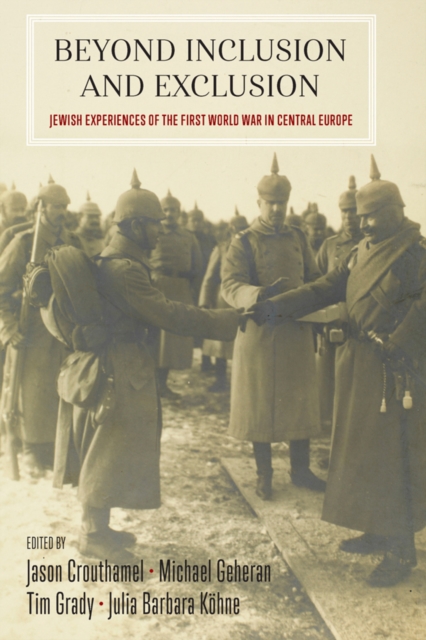
During the First World War, the Jewish population of Central Europe was politically, socially, and experientially diverse, to an extent that resists containment within a simple historical narrative.
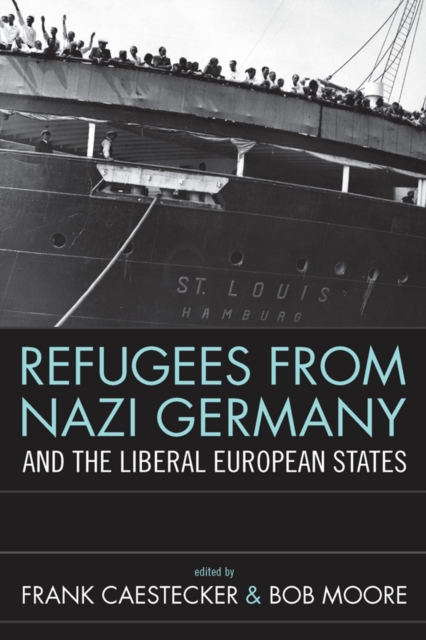
The exodus of refugees from Nazi Germany in the 1930s has received far more attention from historians, social scientists, and demographers than many other migrations and persecutions in Europe.
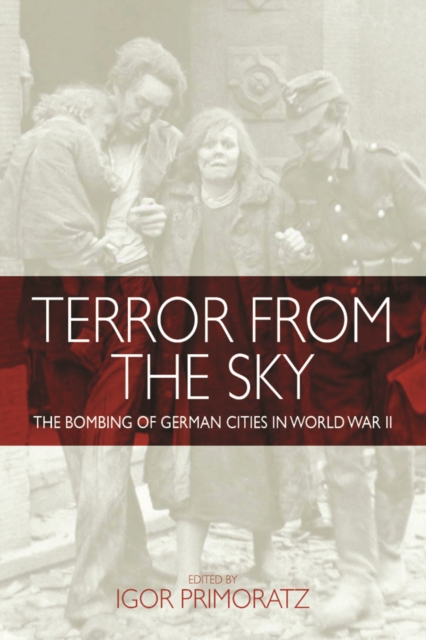
In this first interdisciplinary study of this contentious subject, leading experts in politics, history, and philosophy examine the complex aspects of the terror bombing of German cities during World War II.
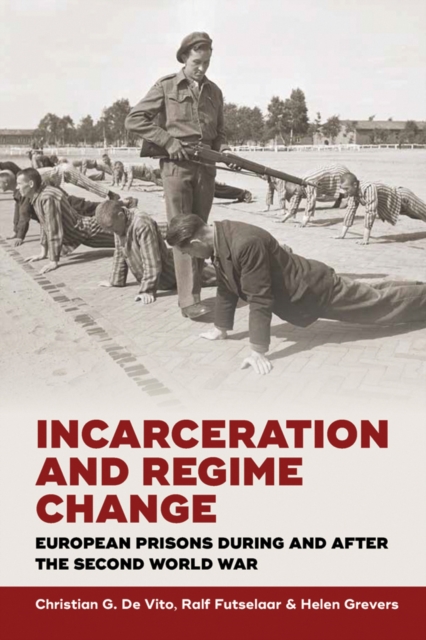
Political instability is nearly always accompanied by fuller prisons, and this was particularly true during the long Second World War, when military mobilization, social disorder, wrenching political changes, and shifting national boundaries swelled the ranks of the imprisoned and broadened the carceral reach of the state.
Prior to World War I, Britain was at the center of global relations, utilizing tactics of diplomacy as it broke through the old alliances of European states.
Historical research into the Armenian Genocide has grown tremendously in recent years, but much of it has focused on large-scale questions related to Ottoman policy or the scope of the killing.
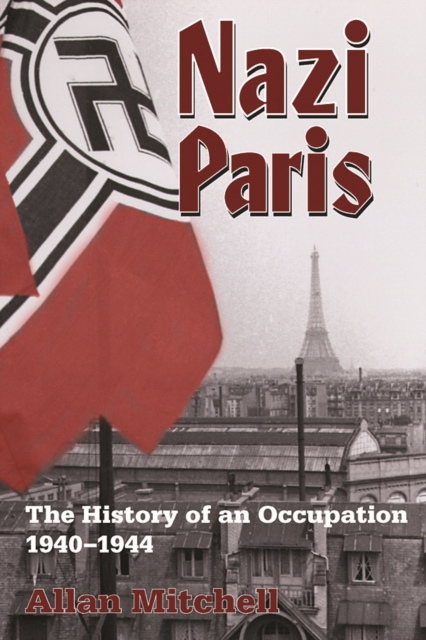
Basing his extensive research into hitherto unexploited archival documentation on both sides of the Rhine, Allan Mitchell has uncovered the inner workings of the German military regime from the Wehrmacht s triumphal entry into Paris in June 1940 to its ignominious withdrawal in August 1944.
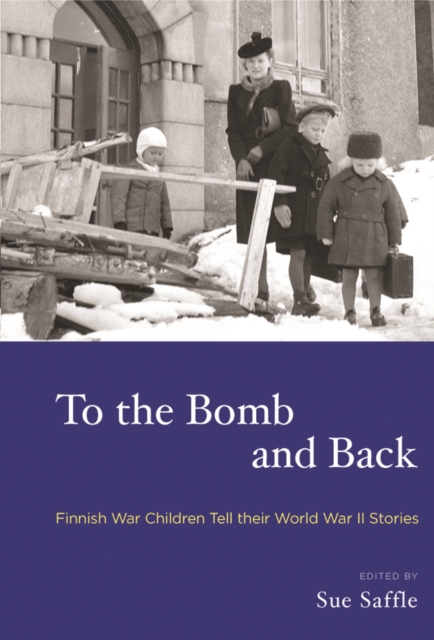
Between 1939 and 1945, some 80,000 Finnish children were sent to Sweden, Denmark, and elsewhere, ostensibly to protect them from danger while their nation s soldiers fought superior Soviet and German forces.
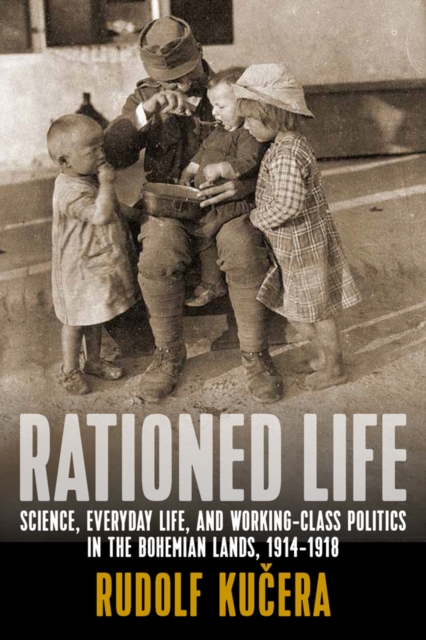
Far from the battlefront, hundreds of thousands of workers toiled in Bohemian factories over the course of World War I, and their lives were inescapably shaped by the conflict.
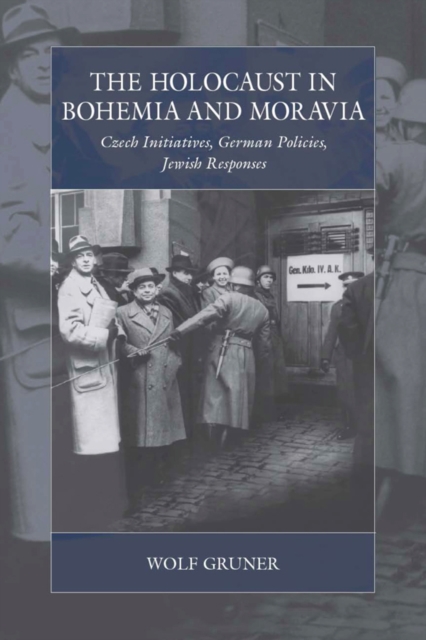
Prior to Hitler s occupation, nearly 120,000 Jews inhabited the areas that would become the Protectorate of Bohemia and Moravia; by 1945, all but a handful had either escaped or been deported and murdered by the Nazis.
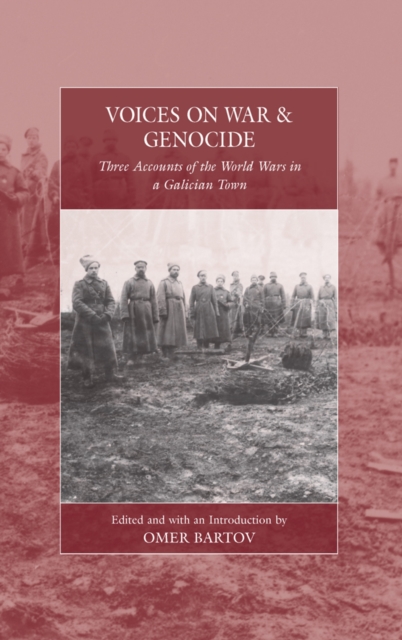
Taking as its point of departure Omer Bartov s acclaimed Anatomy of a Genocide, this volume brings together previously unknown accounts by three individuals from Buczacz.
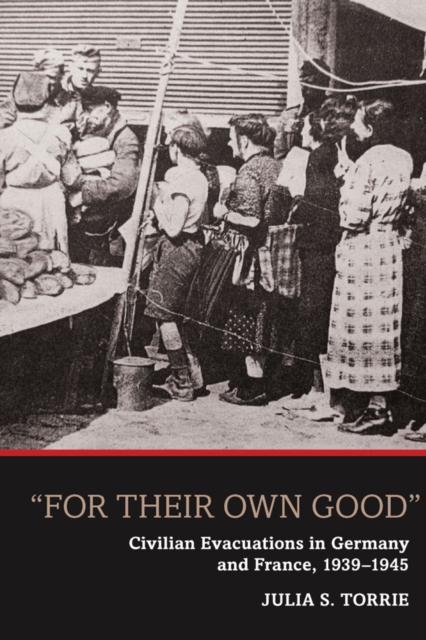
The early twentieth-century advent of aerial bombing made successful evacuations essential to any war effort, but ordinary people resented them deeply.
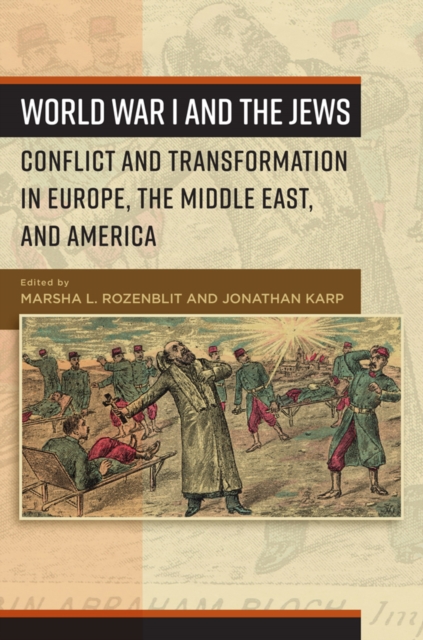
World War I utterly transformed the lives of Jews around the world: it allowed them to display their patriotism, to dispel antisemitic myths about Jewish cowardice, and to fight for Jewish rights.
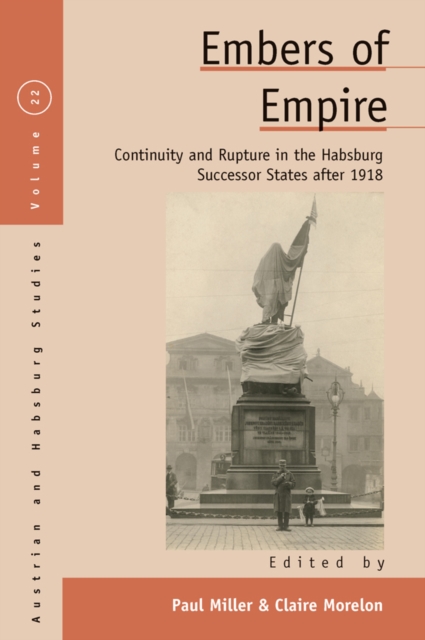
The collapse of the Habsburg Monarchy at the end of World War I ushered in a period of radical change for East-Central European political structures and national identities.
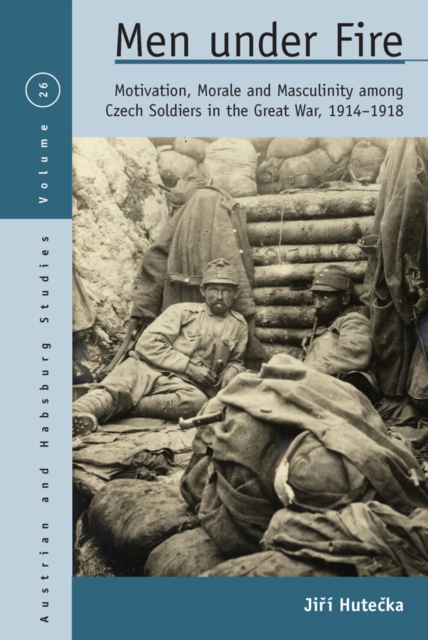
In historical writing on World War I, Czech-speaking soldiers serving in the Austro-Hungarian military are typically studied as Czechs, rarely as soldiers, and never as men.
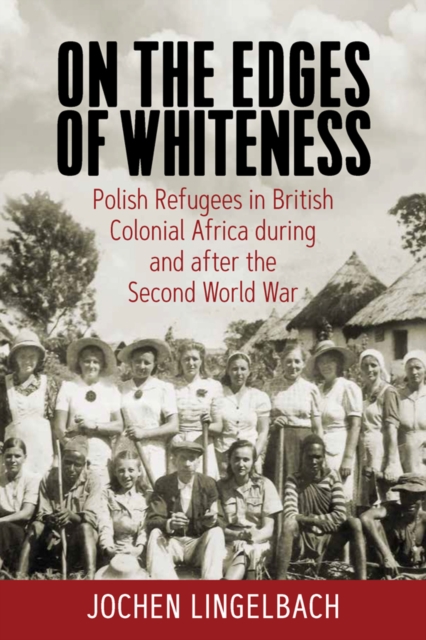
From 1942 to 1950, nearly twenty thousand Poles found refuge from the horrors of war-torn Europe in camps within Britain s African colonies, including Uganda, Tanganyika, Kenya and Northern and Southern Rhodesia.
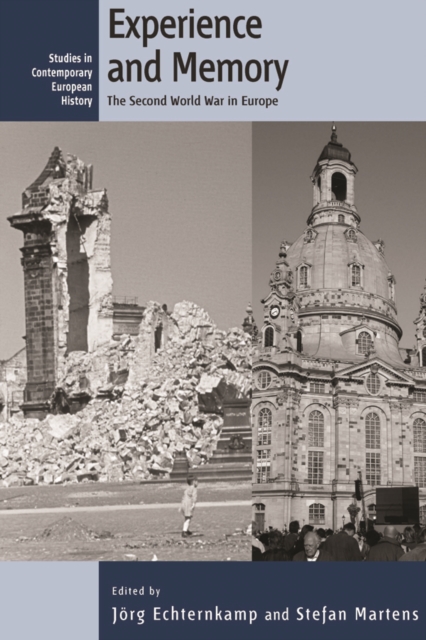
Modern military history, inspired by social and cultural historical approaches, increasingly puts the national histories of the Second World War to the test.
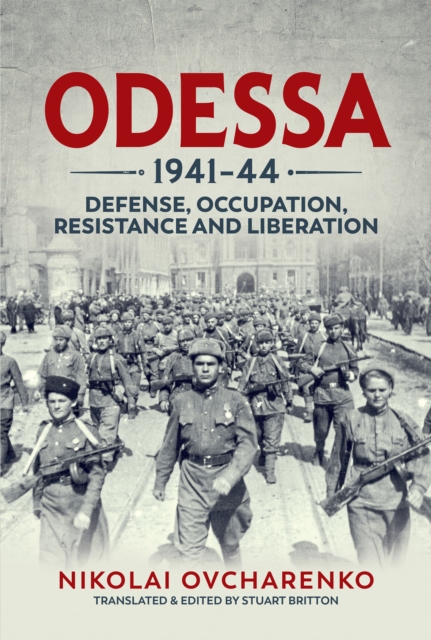
After a brief overview of the origins and development of the city of Odessa on the Black Sea Coast, author Nikolai Ovcharenko turns to its citizens’ ordeal during the Second World War.
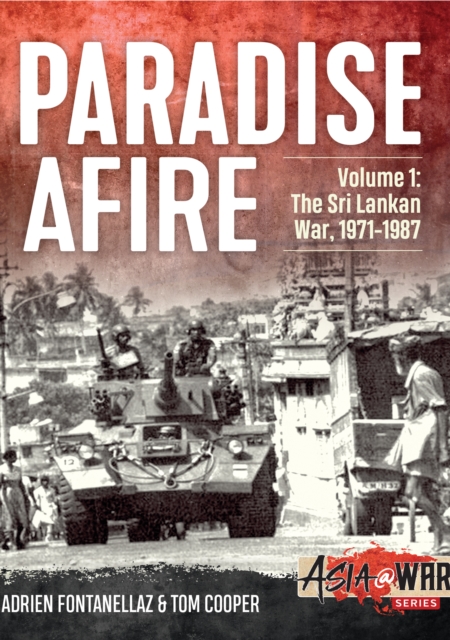
When released into independence from Great Britain in 1948, the stunningly beautiful island of Ceylon, renamed Sri Lanka in 1972, was expected to become a sort of ‘South Asian Singapore.
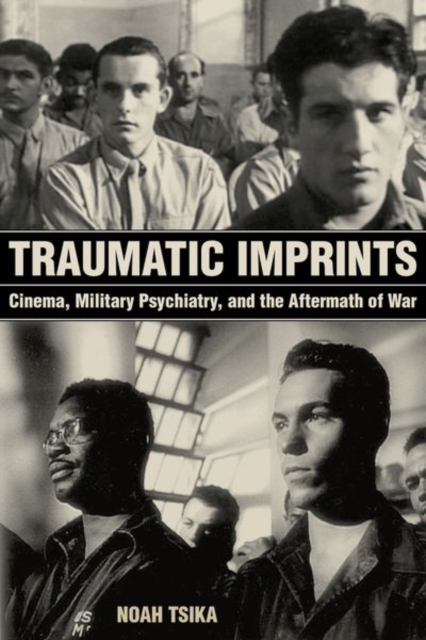
Forced to contend with unprecedented levels of psychological trauma during World War II, the United States military began sponsoring a series of nontheatrical films designed to educate and even rehabilitate soldiers and civilians alike.
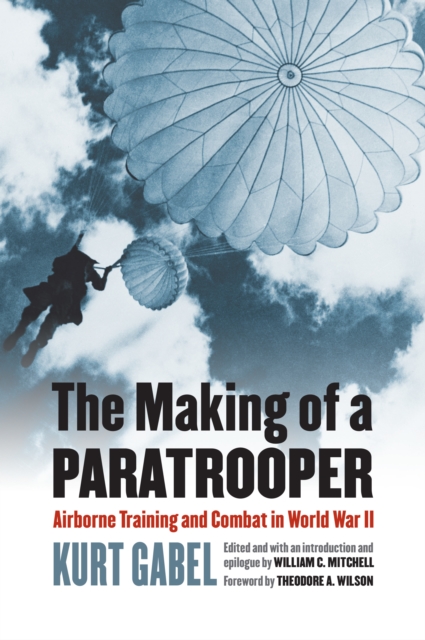
The memoir of paratrooper Kurt Gabela German Jew who emigrated to the US in 1938, joined the 513th Regiment of the 17th Airborne Division, and fought against his former countrymen in the Battle of the Bulge.
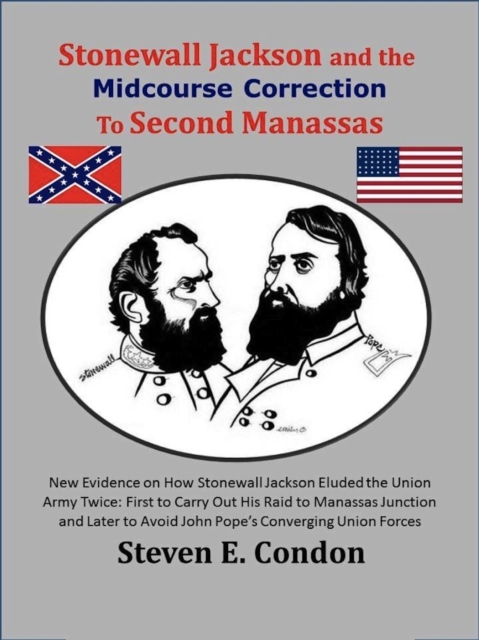
This book presents new evidence revealing how Stonewall Jackson was able to elude the Union army twice: first to carry out his raid to Manassas Junction and later to avoid General John Popes converging Union forces.
THE FIRST TUNNEL RATSThis is the thrilling, hilarious and inspiring true story of a ragtag band of Aussie Army Engineers who redefined the word heroes .
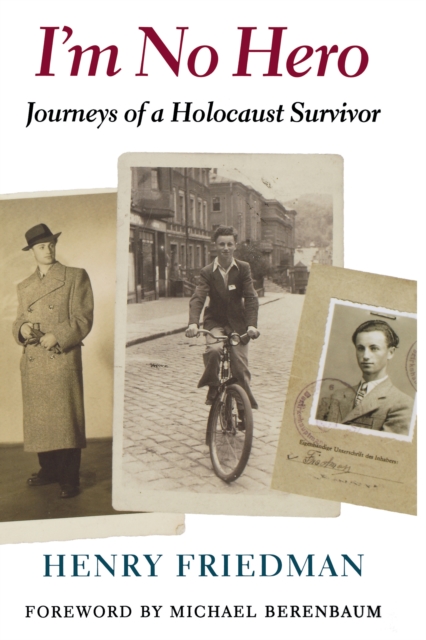
Henry Friedman was robbed of his adolescence by the monstrous evil that annihilated millions of European Jews and changed forever the lives of those who survived.
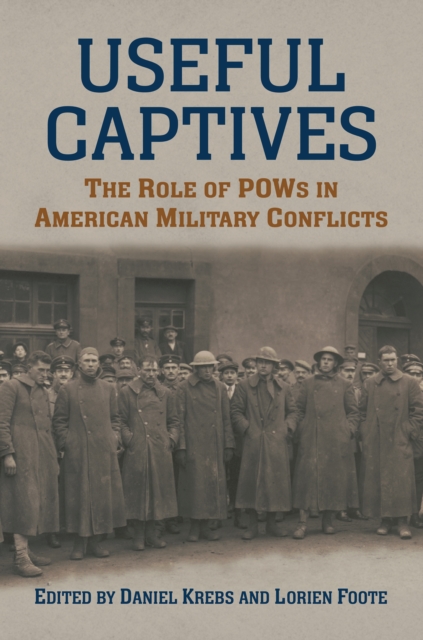
Useful Captives: The Role of POWs in American Military Conflicts is a wide-ranging investigation of the integral role prisoners of war (POWs) have played in the economic, cultural, political, and military aspects of American warfare.
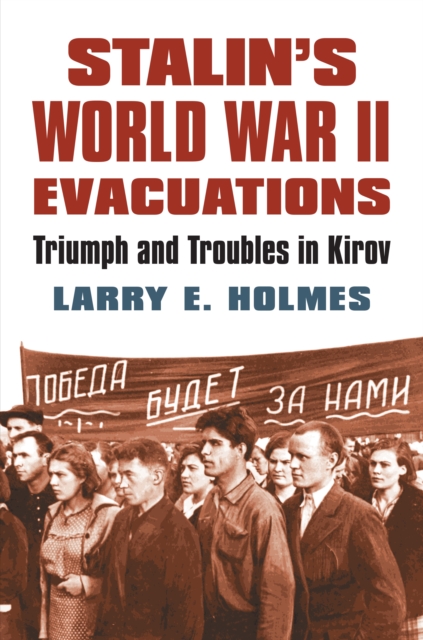
Choice Outstanding Academic TitleIn the face of the German onslaught in World War II, the Soviets succeeded, as Molotov later recalled, in relocating to the rear virtually an entire industrial country.
Postwar Journeys: American and Vietnamese Transnational Peace Efforts since 1975 tells the story of the dynamic roles played by ordinary American and Vietnamese citizens in their postwar quest for peacean effort to transform their lives and their societies.
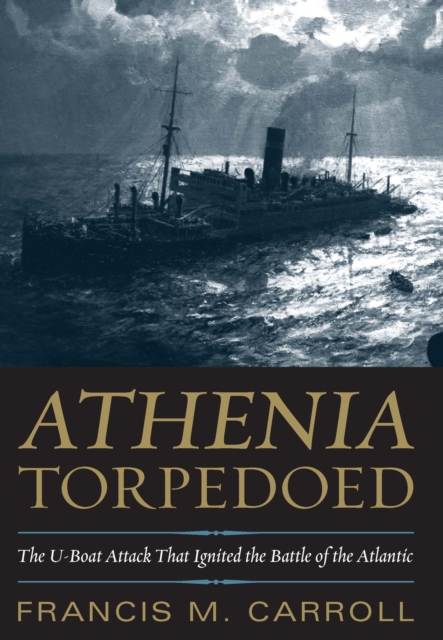
This book is an account of a disaster at sea, the sinking by a German submarine of the passenger liner Athenia sailing from Liverpool to Montreal, loaded with Americans, Canadians, and Europeans, attempting to cross the Atlantic before the outbreak of war.
Fighter pilot Butch O'Hare became one of America's heroes in 1942 when he saved the carrier Lexington in what has been called the most daring single action in the history of combat aviation.