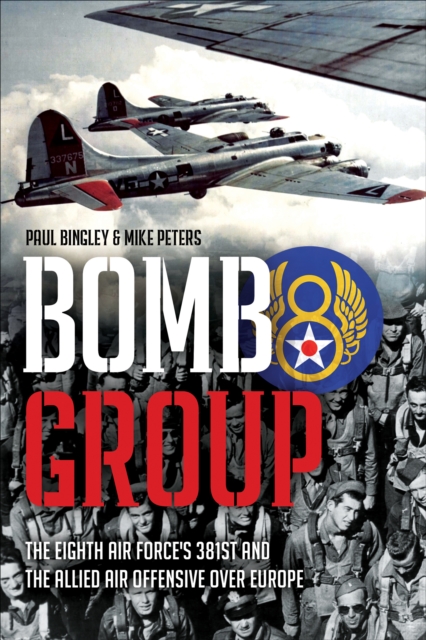
For the men of the Army Air Corps in early World War II, the chance of surviving the obligatory twenty-five missions without death, injury, or imprisonment was one in three.
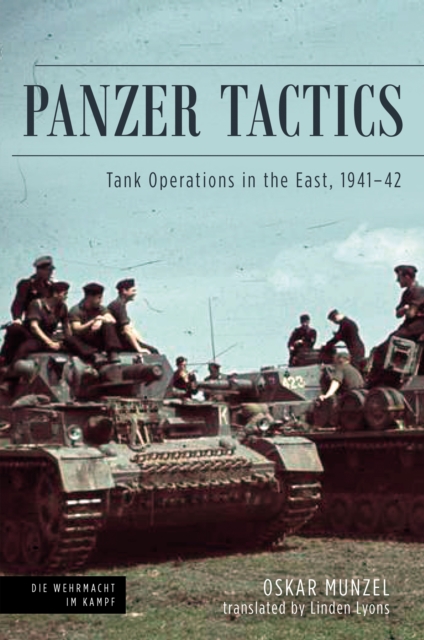
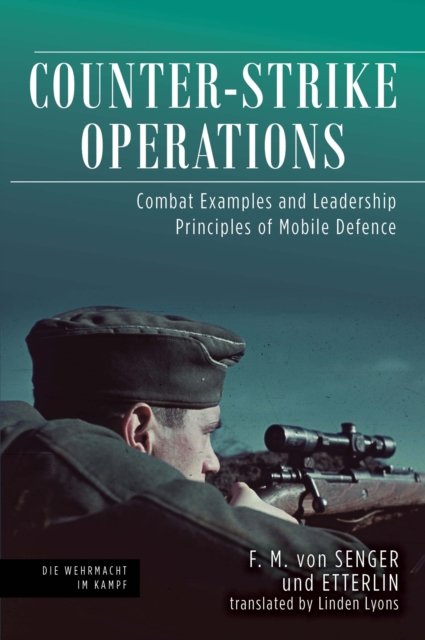
In August 1942, Hitler directed all German state institutions to assist Heinrich Himmler, the chief of the SS and the German police, in eradicating armed resistance in the newly occupied territories of Eastern Europe and Russia.
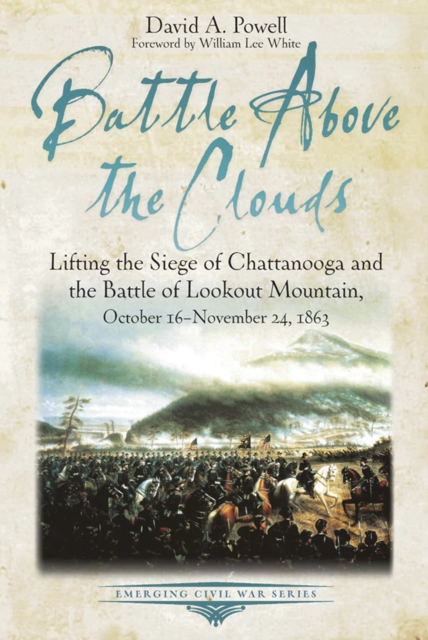
In October 1863, the Union Army of the Cumberland was besieged in Chattanooga, all but surrounded by familiar opponents: The Confederate Army of Tennessee.
The Pacific War changed abruptly in November 1943 when Admiral Chester Nimitz unleashed a relentless 18-month, 4,000-mile offensive across the Central Pacific, spearheaded by fast carrier task forces and U.
The National Maritime Museum in Greenwich houses the largest collection of scale ship models in the world, many of which are contemporary artifacts made by the craftsmen of the navy or the shipbuilders themselves, ranging from the mid-seventeenth century to the present day.
Historians have published countless studies of the American Civil War from 1861 to 1865 and the era of Reconstruction that followed those four years of brutally destructive conflict.
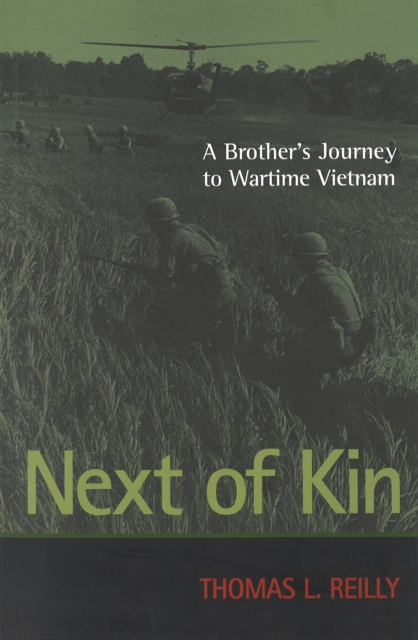
In February 1971, the Army of the Republic of Vietnam (ARVN) launched an incursion into Laos in an attempt to cut the Ho Chi Minh Trail and destroy North Vietnamese Army (NVA) base areas along the border.
Few figures in modern French history have aroused more controversy than Marshal Philippe Petain, who rose from obscurity to great fame in the First World War only to fall into infamy during the dark days of Nazi occupation in World War II.
Hailed as one of the finest examples of aviation research, this comprehensive 1984 study presents a detailed and scrupulously accurate operational history of carrier-based air warfare.
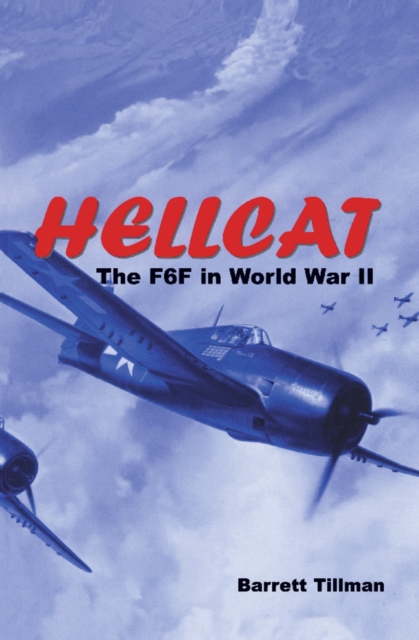
Largely responsible for crushing Japanese airpower wherever the American fast carrier force sailed, the Grumman F6F Hellcat was considered the most important Allied aircraft in the Pacific during 1943 and 1944.
A German perspective of D-Day, written by an Army Corps intelligence officer in Normandy when the Allies invaded, published in English for the first time.
Fought under the cover of elaborate deceptions and ruthless lies, the deadly intelligence operations of World War II produced victories and defeats that were often as important as any reached on the battlefield.
World War II had many superlatives, but none like Operation Torch-a series of simultaneous amphibious landings, audacious commando and paratroop assaults, and the Atlantic's biggest naval battle, fought across a two thousand mile span of coastline in French North Africa.
Fallujah Redux is the first book about the Fallujah Awakening written by Operation Iraqi Freedom military veterans who served there, providing a comprehensive account of the turning of Fallujah away from the al-Qaeda insurgency in 2007.
"e;The authors do a good job using the diaries, interviews, and books written by group members to convey a vivid-sometimes too vivid-picture of war at its most elemental.