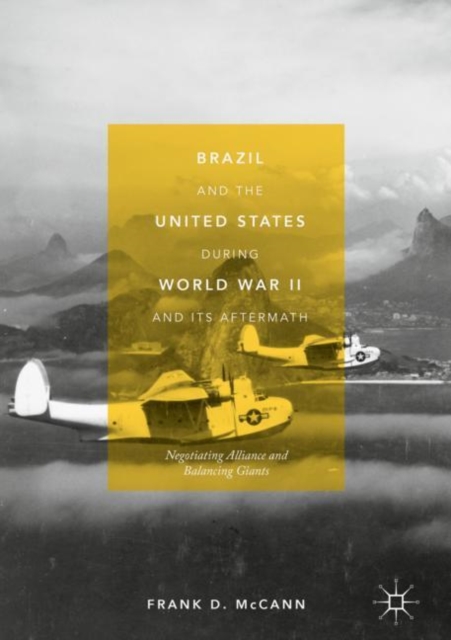
The military alliance between the United States and Brazil played a critical role in the outcome of World War II, and yet it is largely overlooked in historiography of the war.
This volume presents insights from five years of intensive Holocaust, genocide, and mass atrocity education at Queensborough Community College (QCC) of the City University of New York (CUNY), USA, to offer four approaches-Arts-Based, Textual, Outcomes-Based, and Social Justice-to designing innovative, integrative, and differentiated pedagogies for today's college students.
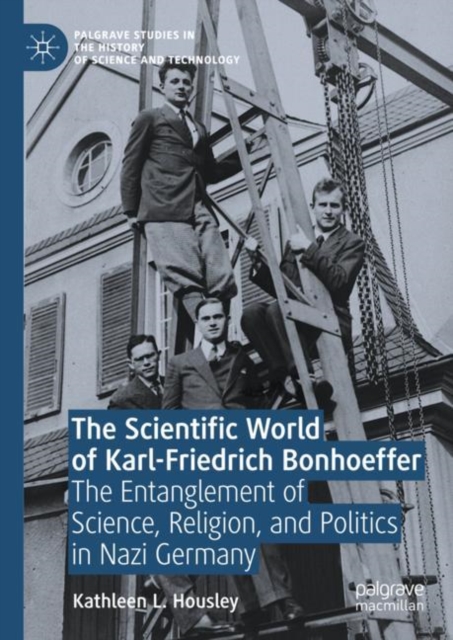
In twentieth-century Germany, Karl-Friedrich Bonhoeffer rose to prominence as a brilliant physical chemist, even as several of his relatives-Dietrich Bonhoeffer among them-became involved in the resistance to Hitler, leading to their executions.
Die vorliegende Studie ist die erste, die den Erinnerungsspuren nachgeht, die Jehovas Zeugen (Bibelforscher) in den Erzähltexten Überlebender des Nationalsozialismus hinterlassen haben.
Mehr als 70 Jahre nach dem Ende des Nationalsozialismus prägt die wachsende zeitliche Distanz zum historischen Geschehen die Auseinandersetzung mit diesem.
In diesem Buch wird das Rezeptionsverhalten von Zuschauer(inne)n erforscht, welche Amateurtheaterprojekte zu ‚Holocaust und Nationalsozialismus‘ besuchen.
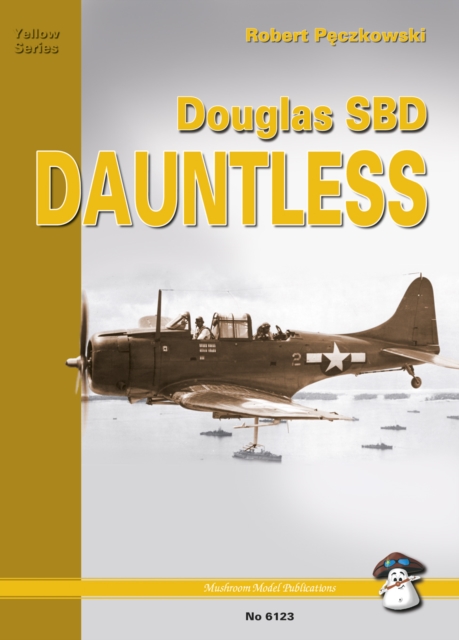
The “Slow But Deadly” Dauntless was the US Navy’s premier carrier-borne dive bomber, and proved immensely successful in all the major Pacific naval campaigns of WW2.
This book compares the systems of exploitative race relations associated with two racist regimes - slavery in the British colonial Caribbean and forced labour in the Holocaust in Germany and the Nazi-occupied lands in Europe.
William of Tyre's monumental twelfth-century history of the First Crusade and the Latin Kingdom of Jerusalem inspired a rich series of interrelated Old French continuations that proved very popular in the later Middle Ages.
A fascinating exploration of how between February 1 and March 10, 1942, three small US task forces launched several unexpected raids across the Japanese defensive perimeter in the Central and South Pacific.
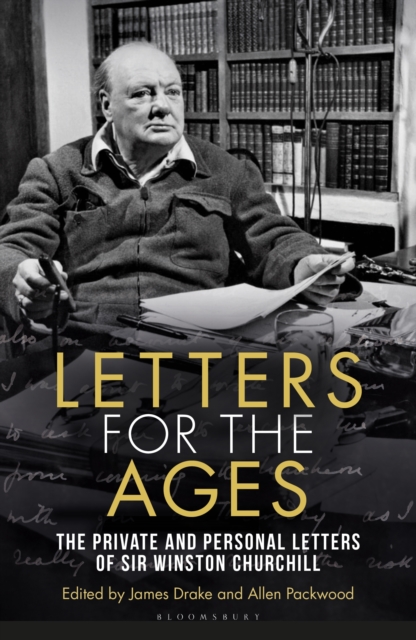
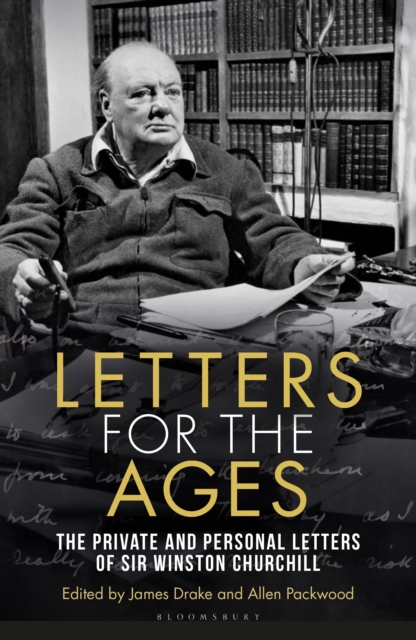
Here are some of the best of Churchill's letters, many of a more personal nature, written to a wide range of people, including his schoolmaster, his American grandmother and former President Eisenhower.
Here are some of the best of Churchill's letters, many of a more personal nature, written to a wide range of people, including his schoolmaster, his American grandmother and former President Eisenhower.
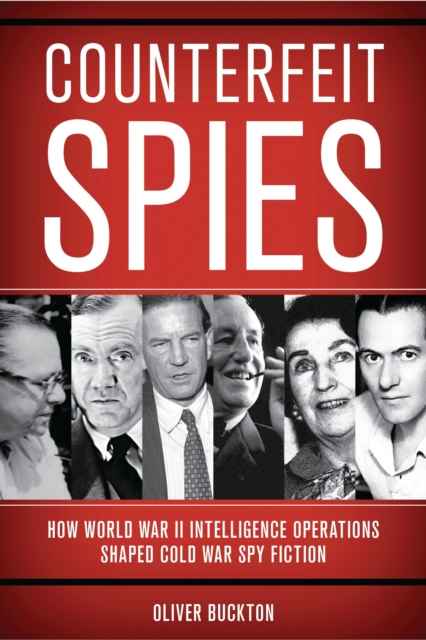
A "e;savvy study"e; (Publishers Weekly) and a fascinating exploration of the roles many spy novelists played during World War II and the influence of intelligence work on their writing.
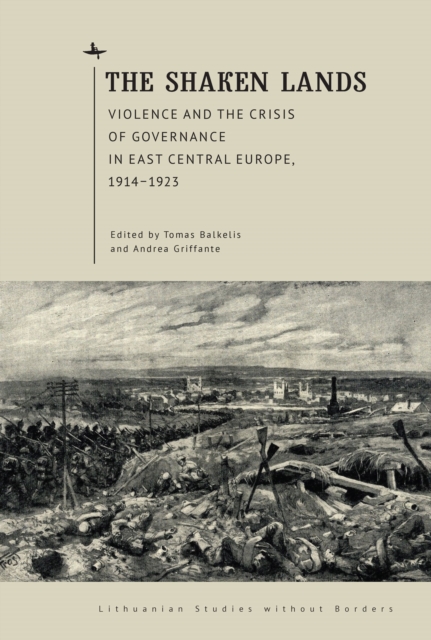
The volume focuses on violence during the breakdown of East Central European states brought by one of the most violent periods in modern European history: from the start of the Great War in 1914 until 1923 when Europe, finally, achieved peace after a series of civil conflicts and interstate wars.
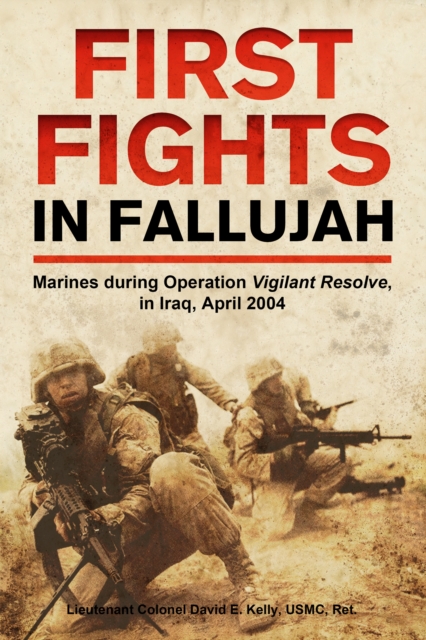
"e;This book will add to the long and distinguished collection of marine history and is well worth the read for anyone interested in personal accounts of modern combat.
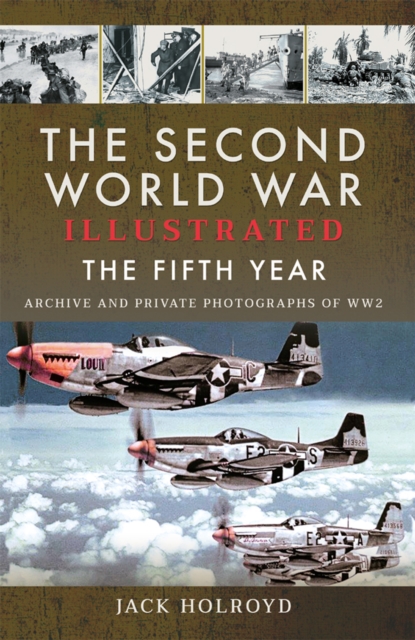
The Second World War Illustrated: 1944 follows the author's visual tour of the war by means of painstakingly researched and digitally restored pictures from the period of the key battlefields and events of the period from September 1943 to the late summer of 1944.
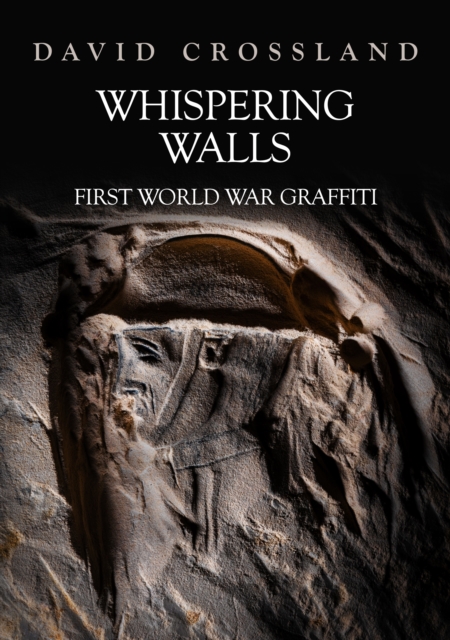
The soldiers of the First World War left a little-known legacy in forgotten caves along the Western Front: thousands of inscriptions and wall carvings that tell stories of courage, pride, hope and fear.
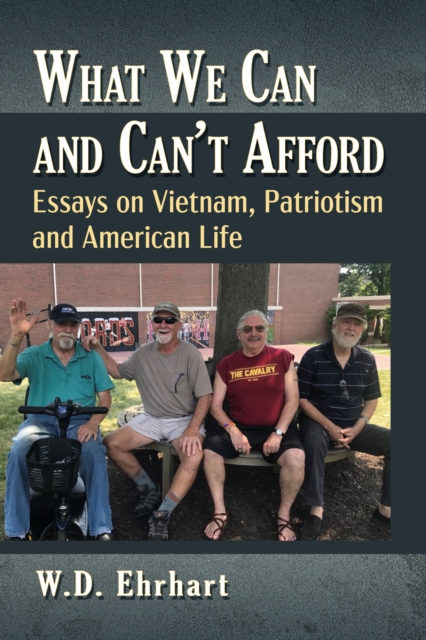
Bill Ehrhart's experiences in the Vietnam War have defined his life--first as an enlisted member of a Marine infantry battalion, then as an author, poet and teacher who has spent fifty years explicating the war and its consequences in books, lectures and interviews.
Wechselvolle Geschichte: Zwischen NS-Vergangenheit und PutinDie Bundeswehr ist ein Kind des Kalten Krieges und ein Stiefkind der Bundesrepublik: Auf Druck der Amerikaner ins Leben gerufen, haben Bevölkerung und Armee bis heute nicht wirklich zueinander gefunden.
Bill Ehrhart's experiences in the Vietnam War have defined his life--first as an enlisted member of a Marine infantry battalion, then as an author, poet and teacher who has spent fifty years explicating the war and its consequences in books, lectures and interviews.
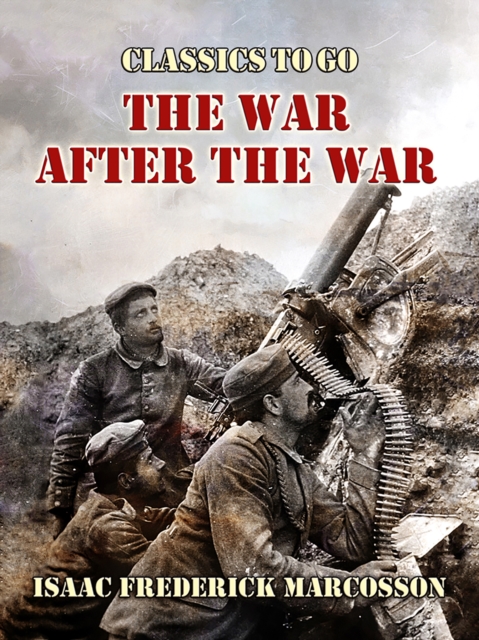
The War After The War is a non-fiction book by Isaac Frederick Marcosson, published in 1919, which discusses the challenges faced by the United States after World War I.