The Art of Commemoration focuses on a particular historical event that illustrates how nations define their own identities and establish mutual relations in their discourse: the Warsaw Uprising of August 1944 and its Commemoration in 1994.
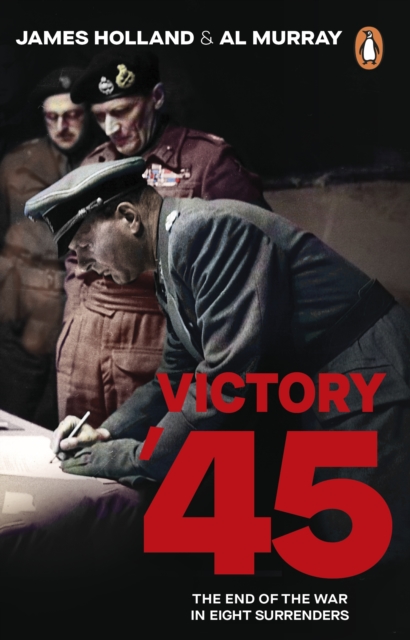
Bestselling historians James Holland and Al Murray tell the unflinching story of the eight surrenders that brought victory to the Allies and ended the Second World War.
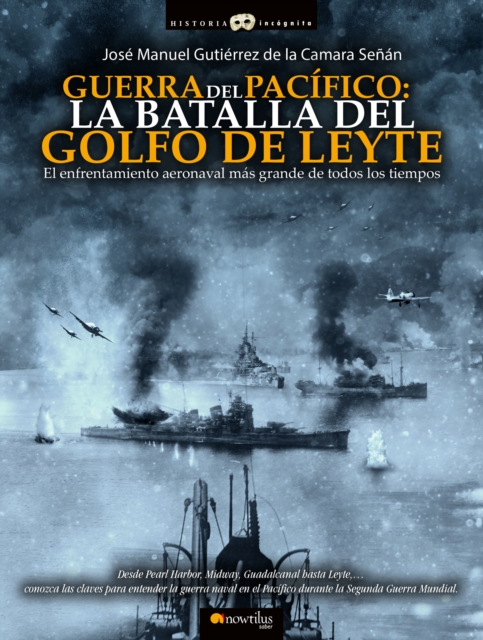
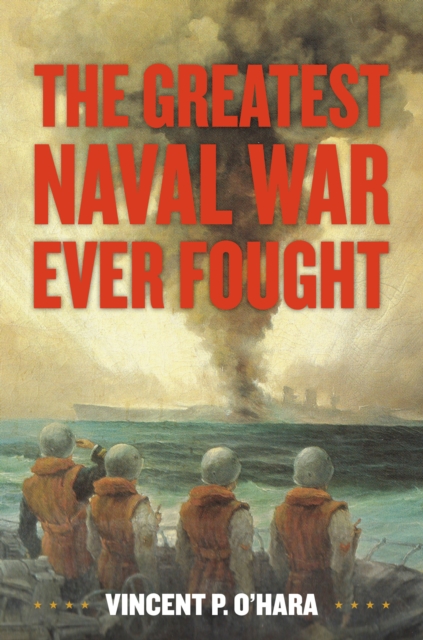
La obra describe y analiza la batalla del Golfo de Leyte, que fue la confrontación aeronaval más grande de todos los tiempos, tanto por el número de barcos, aviones y hombres enfrentados como por la gran extensión del escenario de la batalla.
"El autor hace un despliegue increíble de conocimientos, no nos cuenta la historia, nos hace partícipe de ella y nos presenta varias lecturas del momento histórico.
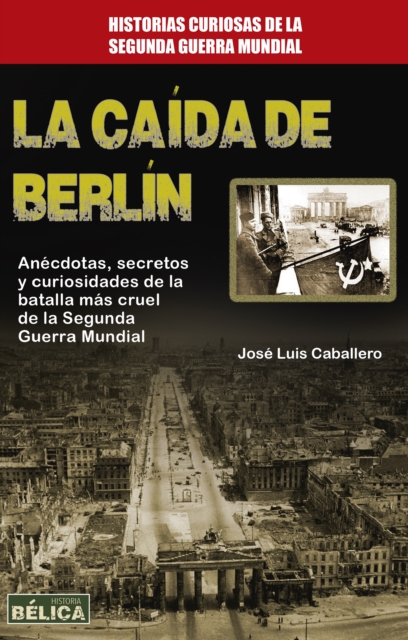
Las pequeñas historias que se esconden bajo las grandes batallas de la Segunda Guerra Mundial: los hombres que perecieron por cambiar el destino del mundo.
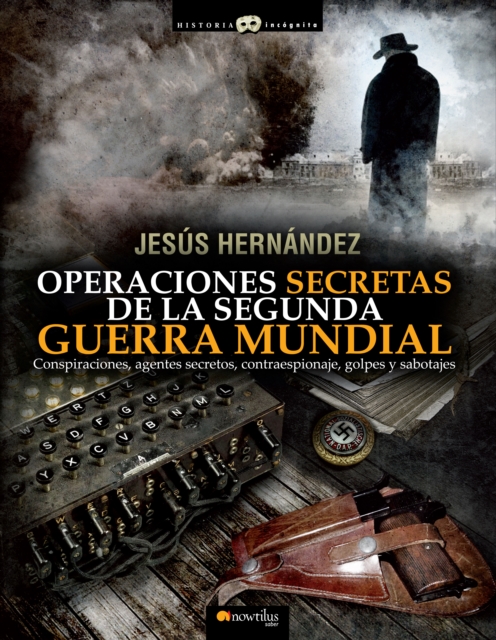
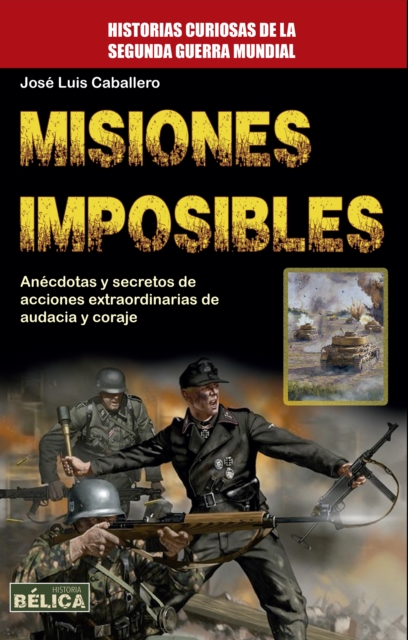
Bombardeos, asesinatos, secuestros, grandes desembarcos, paracaidistas tras las líneas enemigas, la imaginación a la hora de decantar la guerra hacia un lado u otro no tuvo límites durante la Segunda Guerra Mundial, y en la mayor parte de los casos el asunto se dilucidó entre las mentes más preclaras o simplemente por el curso de los acontecimientos.
La Segunda Guerra Mundial fue un conflicto en el que se vieron implicadas la mayor parte de naciones del mundo, especialmente las grandes potencias, que se agruparon en dos bandos enfrentados: el de los Aliados y el del Eje.
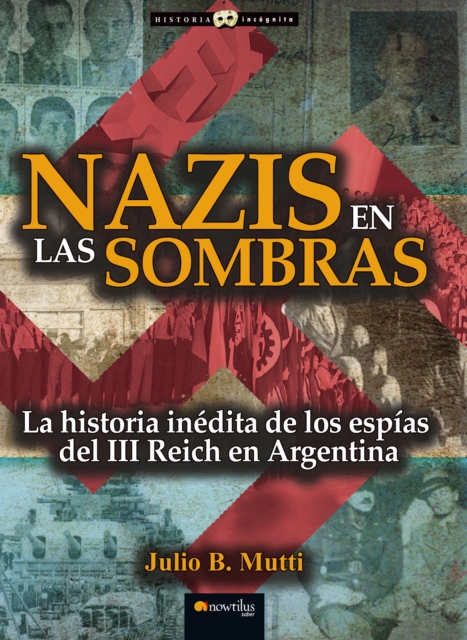
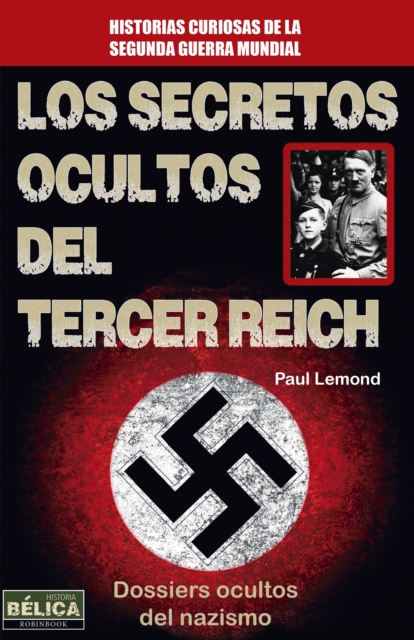
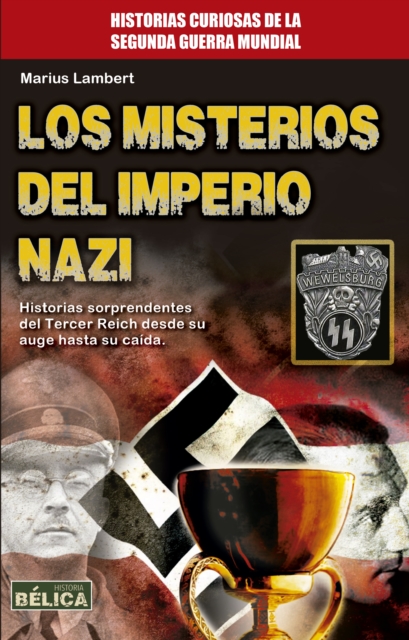
He aquí un conjunto de relatos que diseccionan —con la agudeza y profundidad de un afilado bisturí— diferentes episodios sucedidos durante la segunda guerra mundial y que tienen como telón de fondo el régimen nazi instaurado en Alemania.
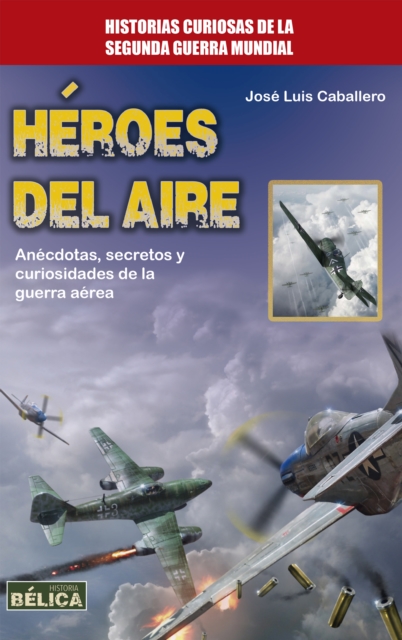
En los años que van desde 1934, más o menos, hasta 1945, la aviación pasó de los biplanos de hélice fabricados en gran parte en madera y tela a los motores a reacción en aviones de aleaciones metálicas duras y ligeras capaces incluso de salir al espacio exterior.
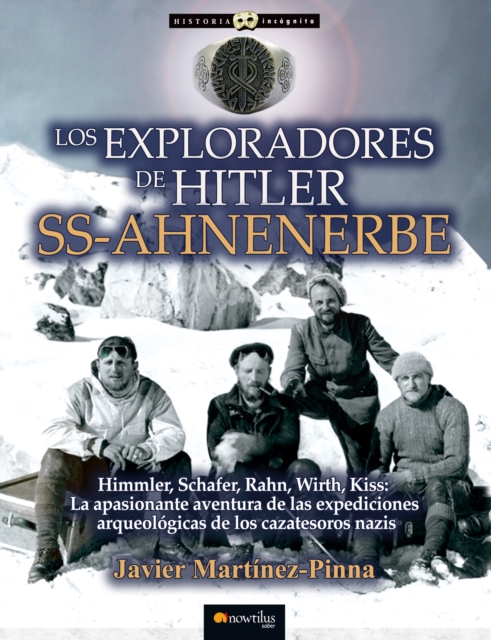
Este libro traza un retrato fiel de aquellos sucesos más significativos que promovieron el auge y la caída del Tercer Reich y de los personajes que generaron la ideología que condujo Europa a una inmensa hecatombe.
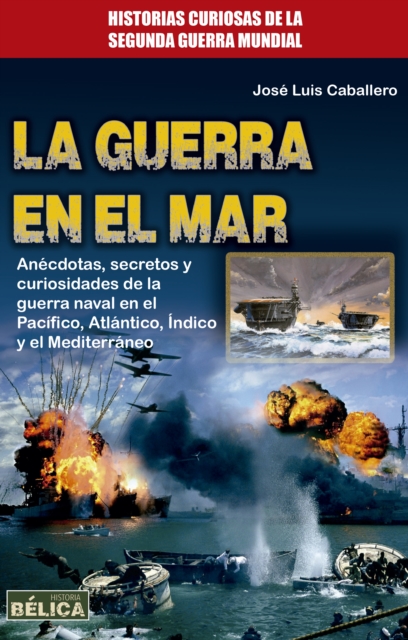
Convoyes silenciosos que navegaban al amparo de la noche, arriesgadas operaciones de desembarco, combates navales a mar abierto, acorazados capaces de destruir el enemigo con sus cañones de largo alcance, torpedos humanos, portaviones atentos a la aparición de kamikazes.
"Gracias al estilo ameno y cercano de su escritura, en la que logra aunar la rigurosidad de su formación como historiador con el lenguaje claro y directo del periodismo, unido a su conocimiento de los escenarios del conflicto, ha conseguido que cada uno de sus trabajos sea recibido calurosamente por un número cada vez mayor de seguidores.
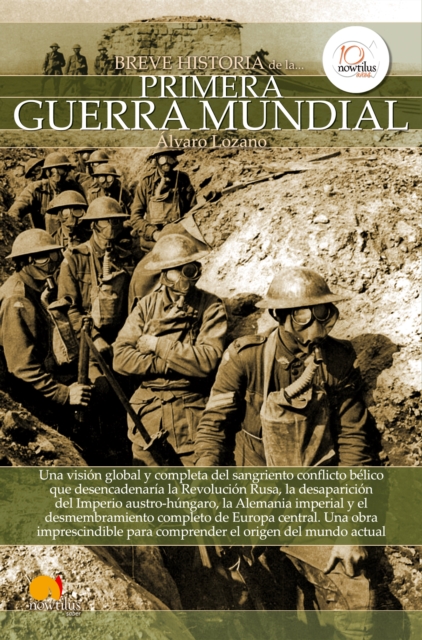
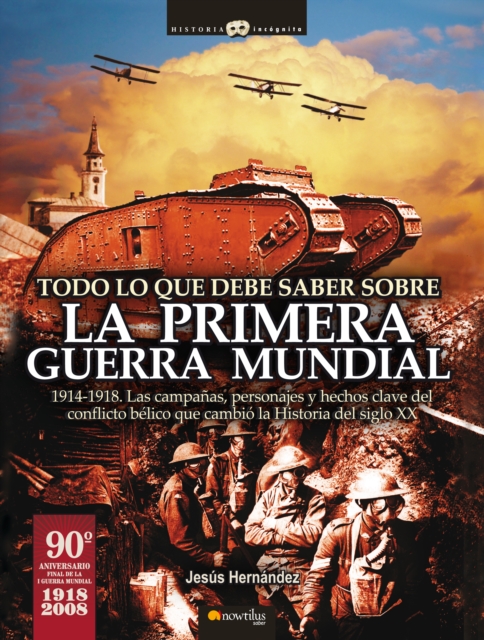
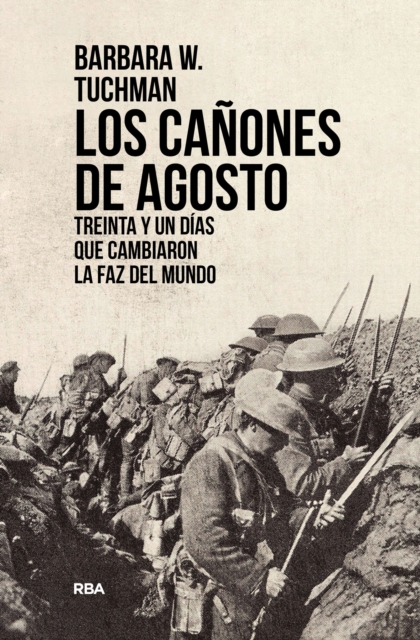
En Junio de 1914 el asesinato del archiduque Francisco Fernando de Austria provocó la primera "guerra total" de la historia: un conflicto que cambiará el destino del mundo.
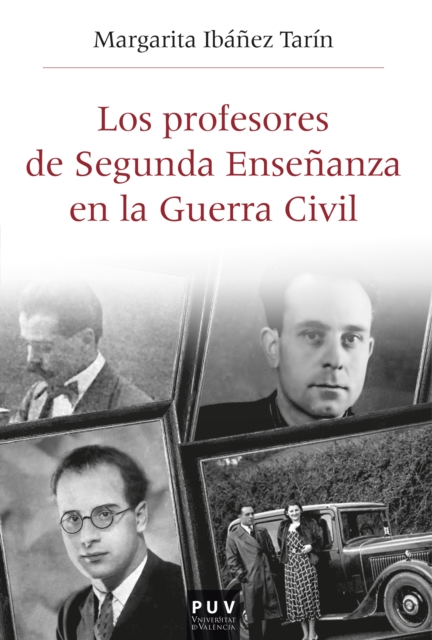
La batalla ideológica que se libró en los institutos de Segunda Enseñanza durante la Guerra Civil ya se venía gestando en Europa desde la Primera Guerra Mundial.
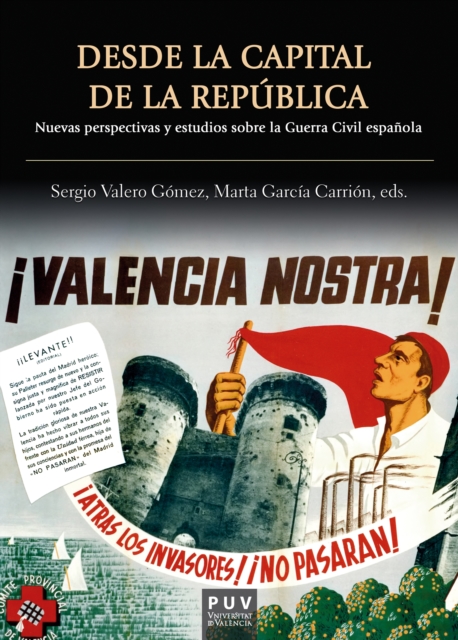
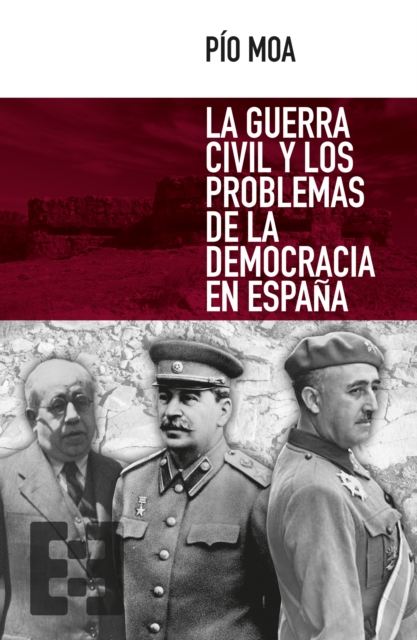
Los diferentes estudios del presente volumen recorren el ambito politico tanto interno como externo, a traves de la influencia que la Guerra Civil espanola tuvo en las relaciones internacionales del momento, y ponen tambien su atencion en el papel que jugaron las identidades nacionales, tanto en su propio desarrollo como en su relacion con otras.
"Tanto los psicólogos como los historiadores han demostrado que el recuerdo de acontecimientos pasados no es estable, sino cambiante, y está sujeto a la influencia de las circunstancias actuales y los proyectos futuros de los individuos o los grupos sociales.
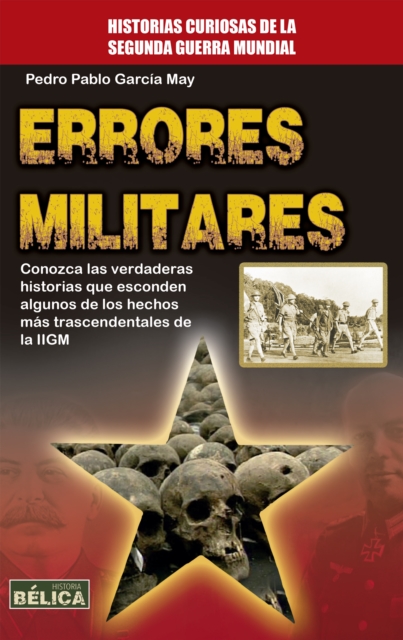
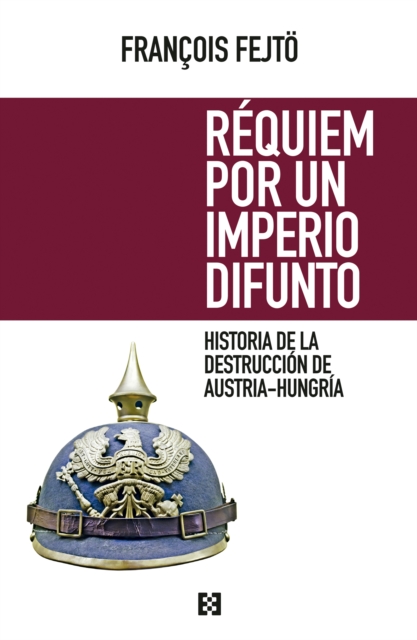
Frente a la interpretación historiográfica habitual, según la cual el Imperio austro-húngaro "se disgregó" porque los pueblos que lo conformaban rechazaron continuar en su seno, François Fejtö nos muestra en este libro que la principal razón de su desmembramiento fue la voluntad de alterar definitivamente el equilibrio europeo por parte de los vencedores de la Gran Guerra.
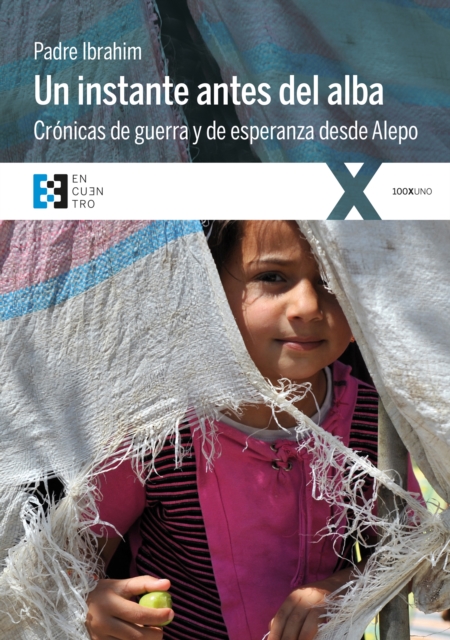
El 22 de diciembre de 2016 los grupos militares que ocupaban el este de la ciudad de Alepo entregaron las armas, pasando a ser considerada como "ciudad segura" tras más de cuatro años de durísimos enfrentamientos entre el ejército y las milicias armadas.
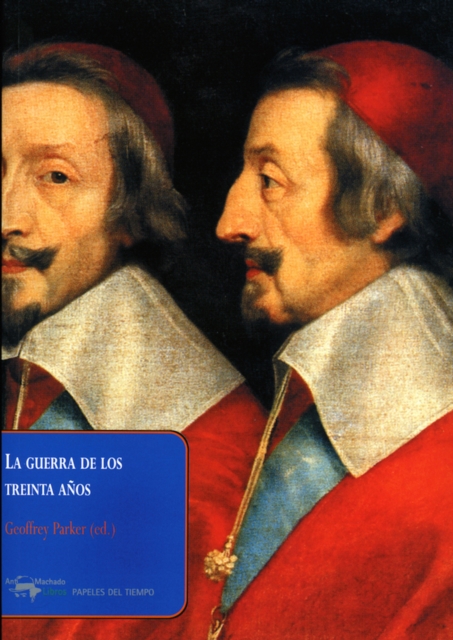
Esta es una obra de vital importancia sobre la "guerra de los treinta años", posiblemente, como se ha descrito en ocasiones, la "guerra civil europea".
En 2008, leyendo "The castle in the forest", uno de los buenos libros escritos por Norman Mailer, subrayé muy al comienzo de la obra la frase que inspiró el ensayo que ofrezco al público lector.
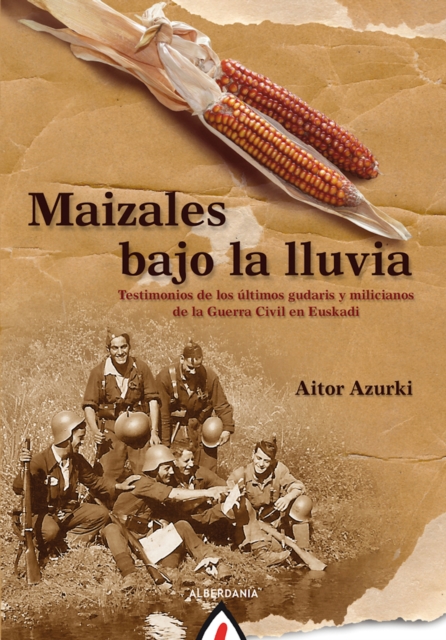
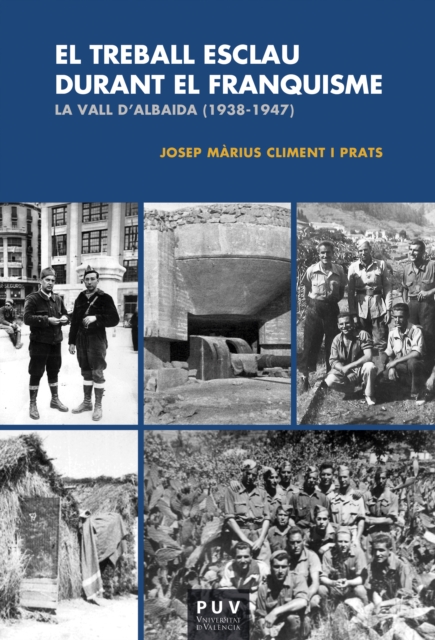
La Guerra Civil espanola no acabo para todos en 1939: quienes se encontraron en el bando de los vencidos tuvieron que sufrir las represalias de los vencedores.