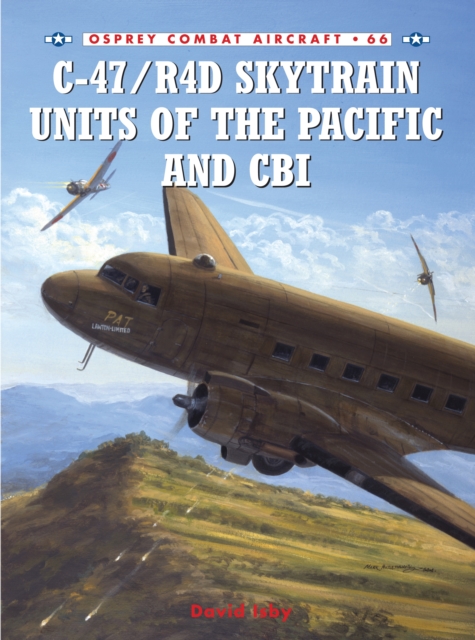
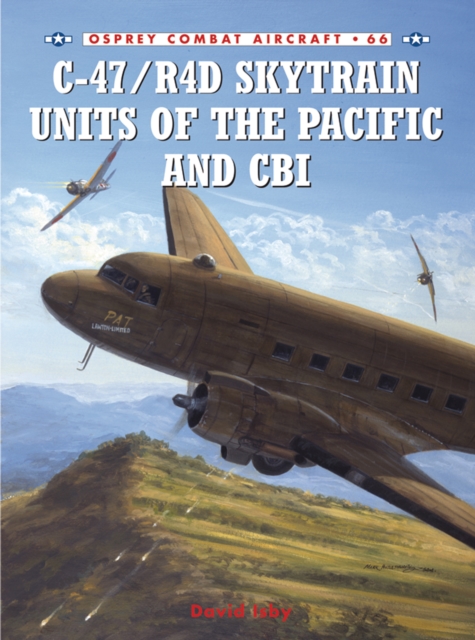
From Pearl Harbor to VJ-Day, the humble Douglas C-47/R4D carried out missions every bit as strategically important, and as dramatic for the aircrew involved, as those of the fighters and bombers in the vast Pacific/CBI theatres.
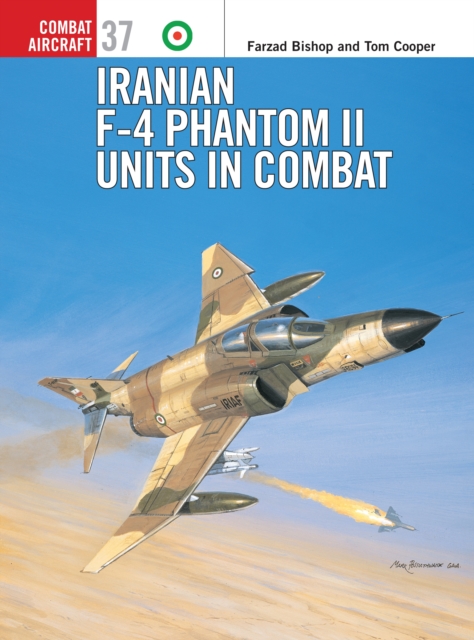
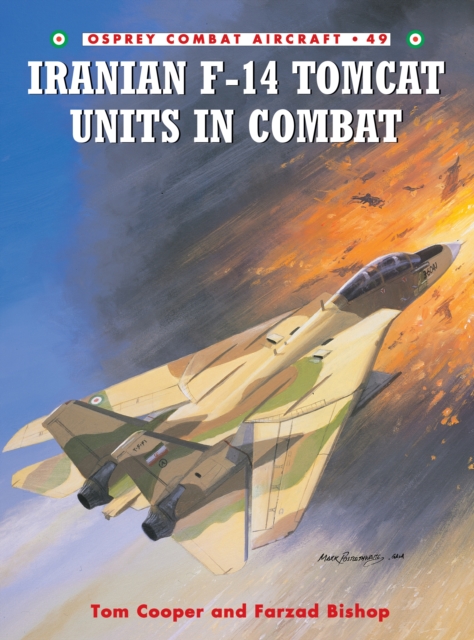
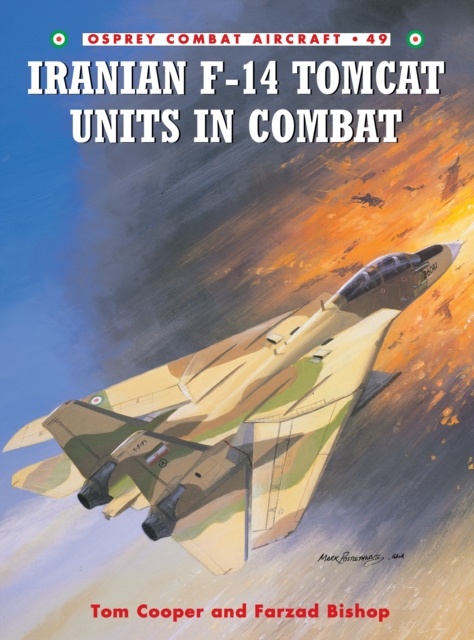
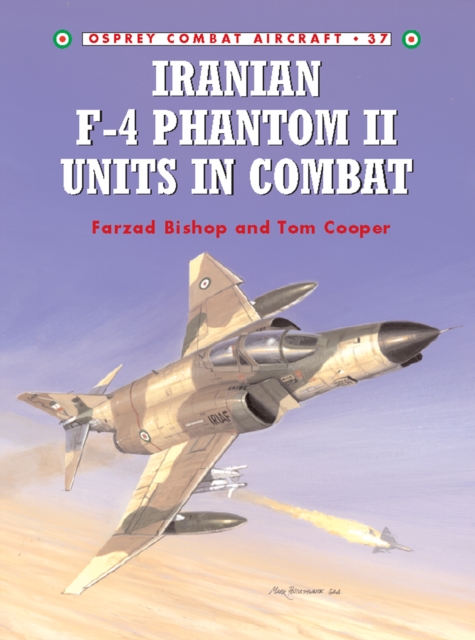
An illustrated combat history of the jet, different versions of which have provided the backbone of the frontline strength of the Iranian air force since the 1970s.
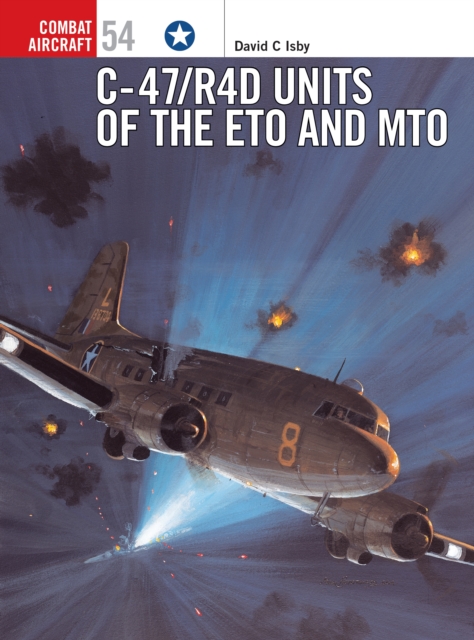
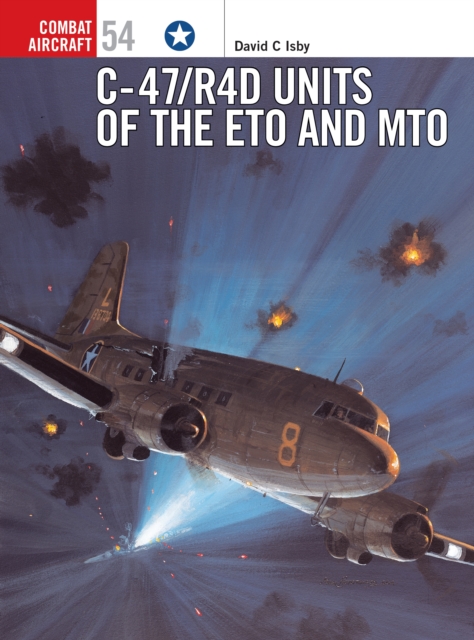
The C-47 units of the USAAF were an integral part of some of the most dramatic episodes of the European war: the airborne assaults in North Africa, Sicily, Normandy, southern France, Operation Market Garden and the crossing of the Rhine.
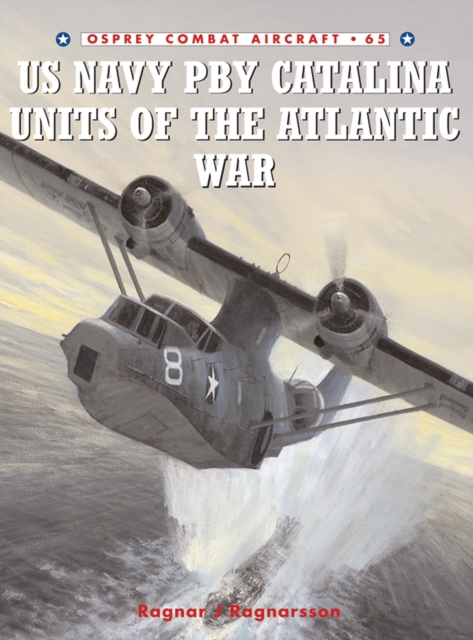
Several books have been written about US naval patrol aviation in World War 2, but none do full justice to the role played by patrol squadrons of the US Navy in the longest, most bitterly fought campaign of the war - the Battle of the Atlantic.
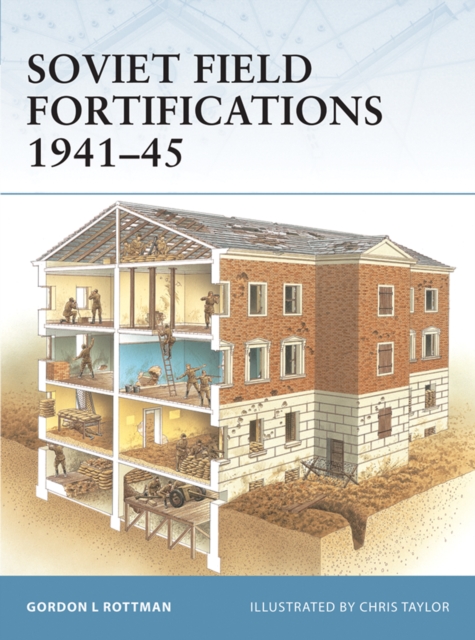
From June 1941, the Soviets were forced to undertake large-scale defensive operations in the face of the overwhelming German blitzkrieg assault, operations which ran counter to their preference for highly mobile, offensive warfare.
Several books have been written about US naval patrol aviation in World War 2, but none do full justice to the role played by patrol squadrons of the US Navy in the longest, most bitterly fought campaign of the war - the Battle of the Atlantic.
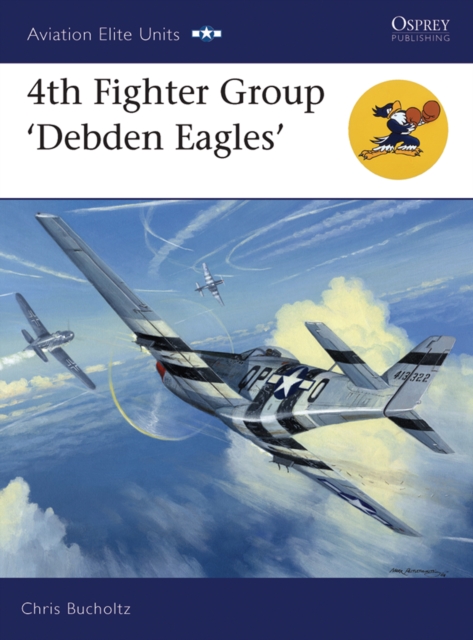
With first-hand accounts and colour artwork, this title describes the planes and pilots of the famous 4th Fighter Group 'Fourth but First' that became the highest-scoring unit of the mighty 8th Air Force in World War 2.
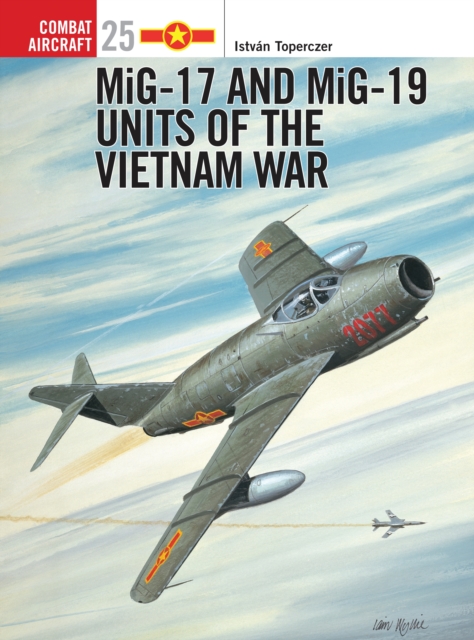
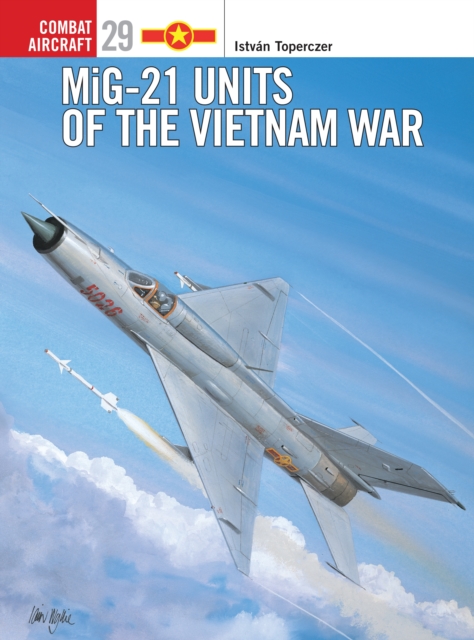
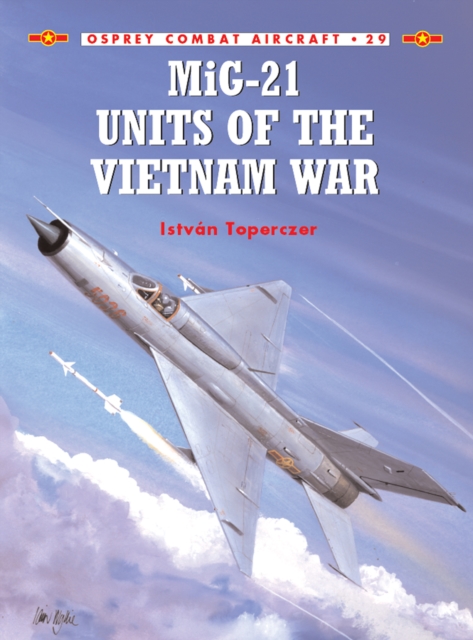
Having honed their piloting skills on the subsonic MiG-17 and transonic MiG-19, the Vietnamese Peoples' Air Force (VPAF) received their first examples of the legendary MiG-21 supersonic fighter in 1966.
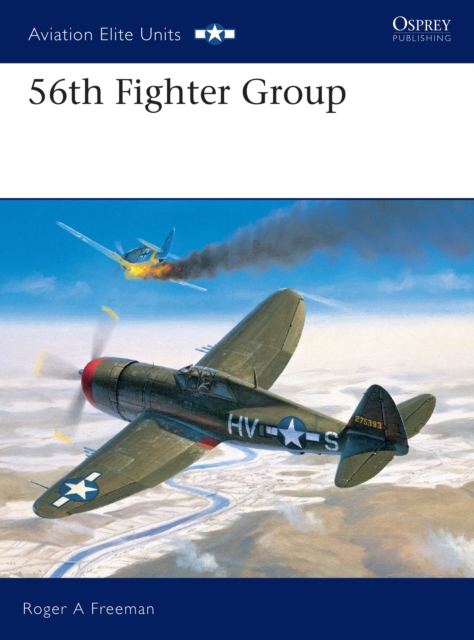
One of the first Thunderbolt groups to see action in the European Theatre of Operations (ETO) with the US Army Air Forces, the 56th Fighter Group (FG) was also the only fighter unit within the Eighth Air Force to remain equipped with the mighty P-47 until war's end.
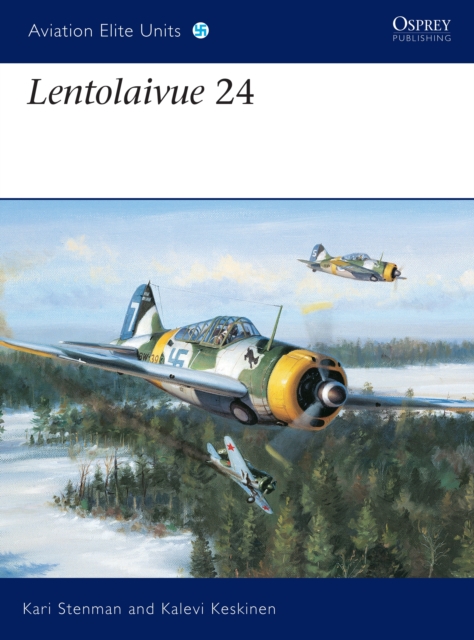
Illustrated throughout with photographs and detailed aircraft profiles, this book tells the story of the Finnish air force's most successful fighter unit.
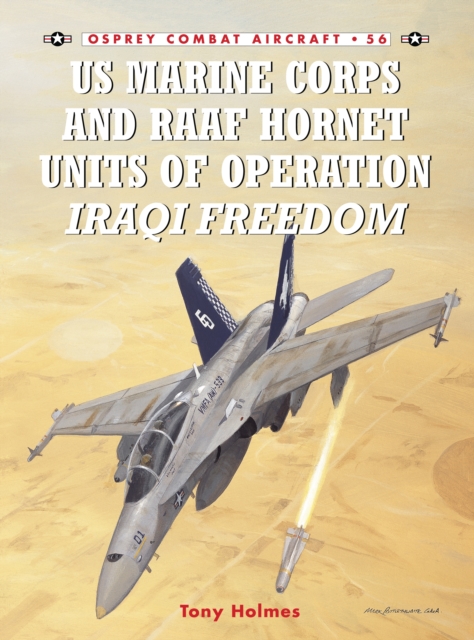
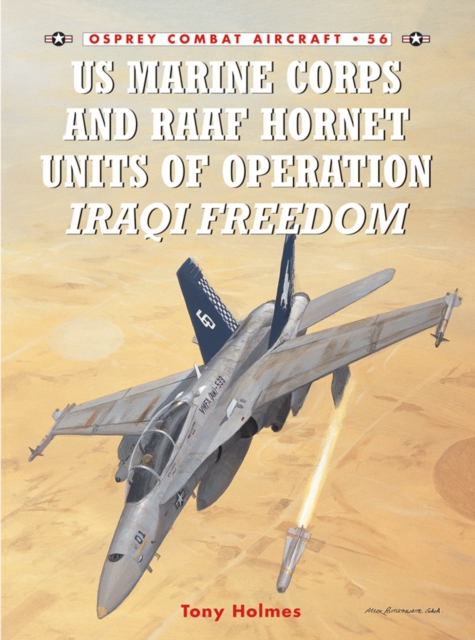
The exploits achieved by the units that flew these jets into combat is detailed in this volume, the third of three titles published in the Combat Aircraft series on what has been dubbed by many TACAIR insiders the 'Hornet's War'.
From Pearl Harbor to VJ-Day, the humble Douglas C-47/R4D carried out missions every bit as strategically important, and as dramatic for the aircrew involved, as those of the fighters and bombers in the vast Pacific/CBI theatres.
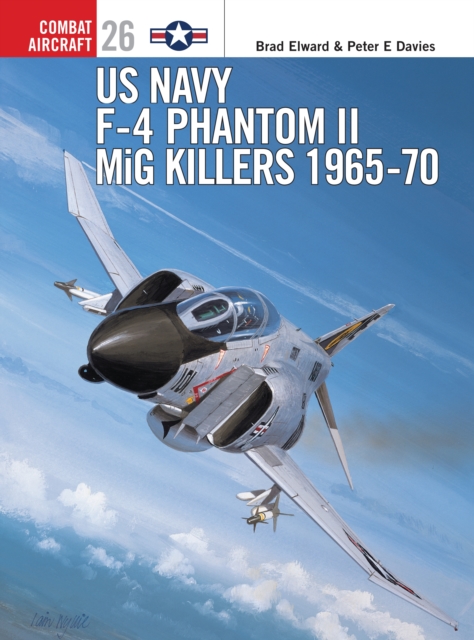
This book tells the story of the 26 US Navy Squadrons, most of which were carrier based, and the six Marine Corps F-4 squadrons that flew combat missions against the North Koreans.
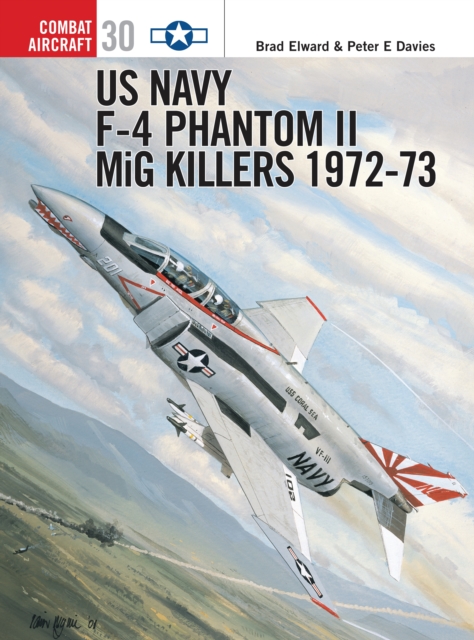
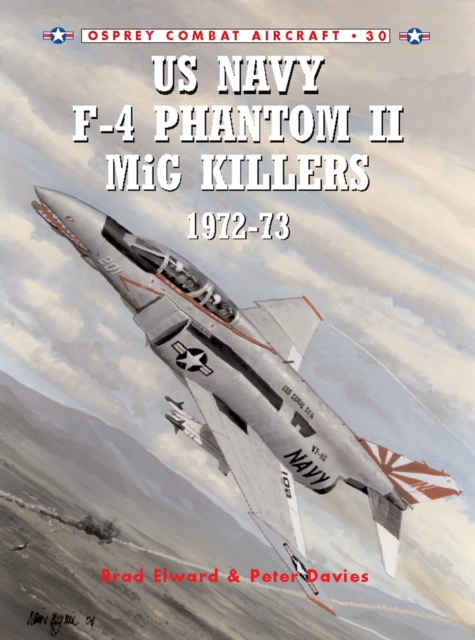
The second of two books on the Navy's Phantom II MiG killers of the Vietnam War, this book covers the numerous actions fought out over North Vietnam during the Linebacker I and II operations of 1972-73.
The C-47 units of the USAAF were an integral part of some of the most dramatic episodes of the European war: the airborne assaults in North Africa, Sicily, Normandy, southern France, Operation Market Garden and the crossing of the Rhine.
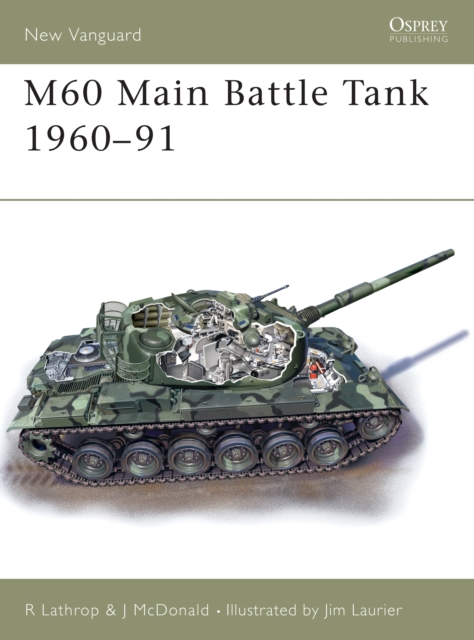
Entering service in the early 1960s, the M60 tank was in production for 23 years and formed the backbone of US Army and Marine armoured units during the Cold War.
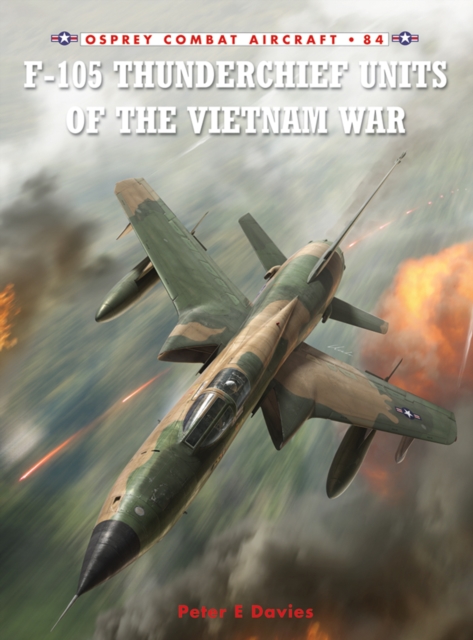
The combat history of the F-105 Thunderchief units during the Vietnam War, detailing the strengths and weaknesses of the aircraft, and the difficulties it faced during many months of dangerous combat.
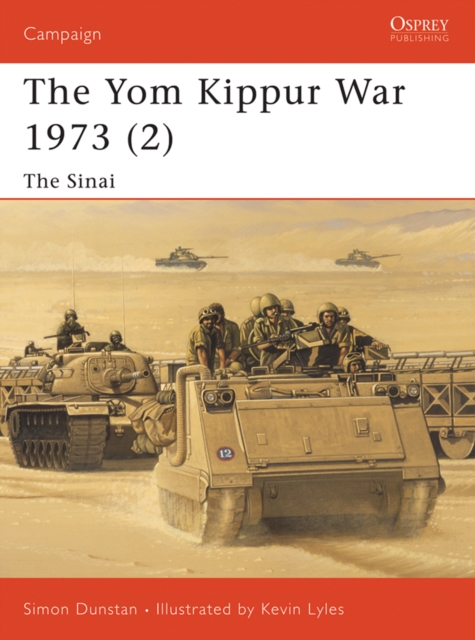
The second instalment of Simon Dunstan's Yom Kippur War 1973, this book charts how Israel's victory in the 1967 'Six Day War' sowed the seeds of the 1973 Yom Kippur War.
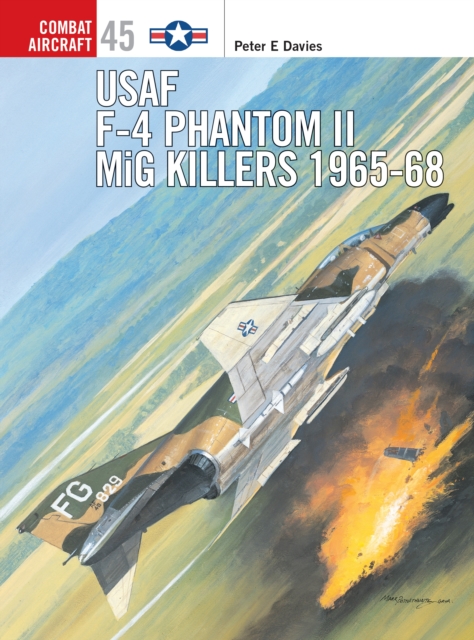
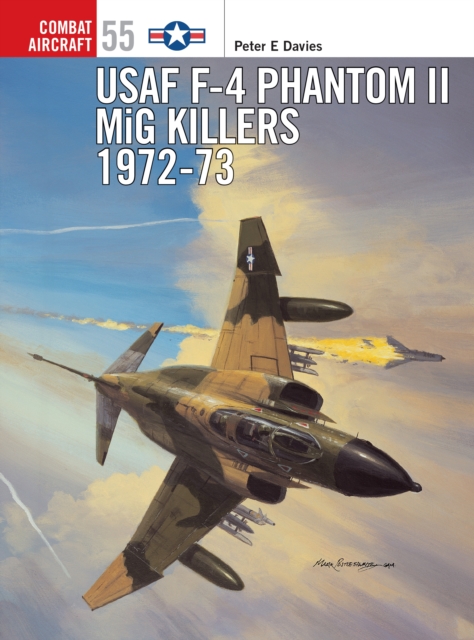
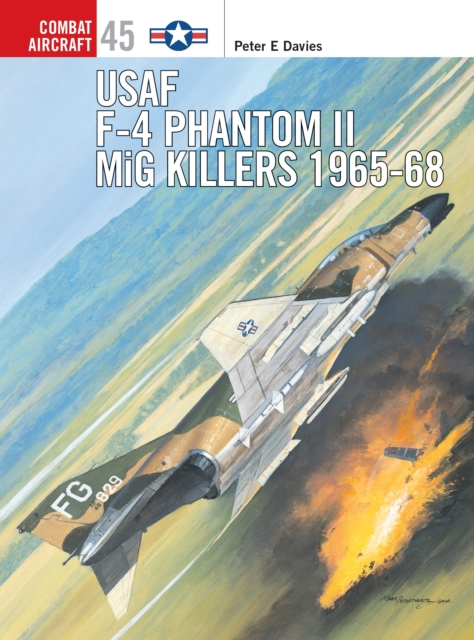
A detailed history of the F-4 Phantom II, the USAF workhorse fighter-bomber for the Linebacker campaign, which eventually saw US forces withdraw from Vietnam 'with honour' in 1973.
An illustrated combat history of the jet, different versions of which have provided the backbone of the frontline strength of the Iranian air force since the 1970s.
Having honed their piloting skills on the subsonic MiG-17 and transonic MiG-19, the Vietnamese Peoples' Air Force (VPAF) received their first examples of the legendary MiG-21 supersonic fighter in 1966.
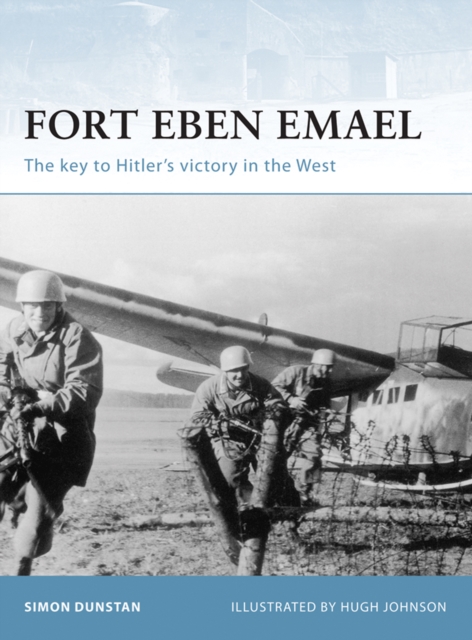
At the outbreak of World War II, Fort Eben Emael in Belgium was the strongest fortress in the world, and it lay exactly across the German invasion route of Belgium and France.
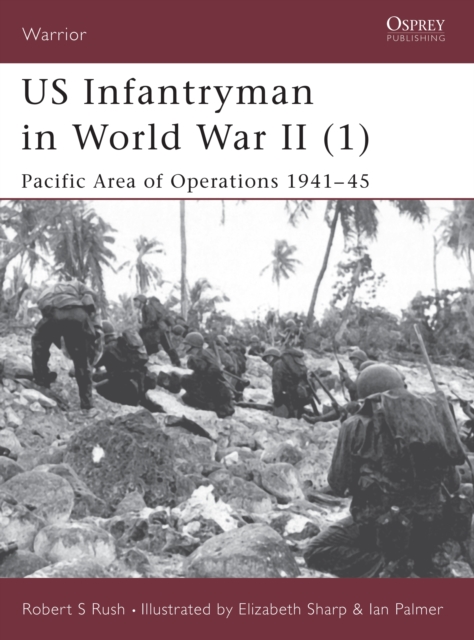
This title deals with the experiences of the American soldiers who fought the Japanese across the Pacific islands, and the specific nature of this combat environment.
The exploits achieved by the units that flew these jets into combat is detailed in this volume, the third of three titles published in the Combat Aircraft series on what has been dubbed by many TACAIR insiders the 'Hornet's War'.
The second of two books on the Navy's Phantom II MiG killers of the Vietnam War, this book covers the numerous actions fought out over North Vietnam during the Linebacker I and II operations of 1972-73.
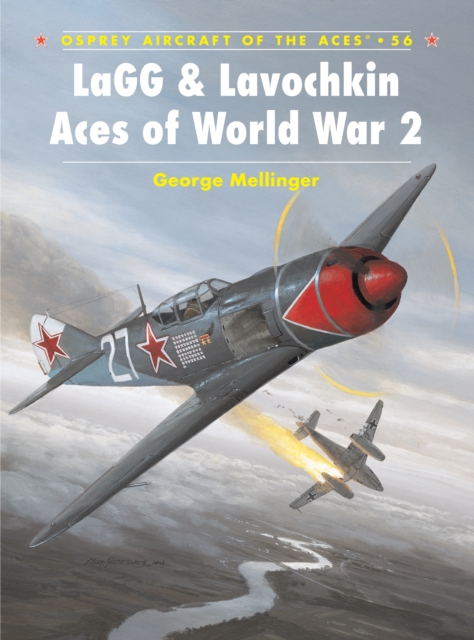
This book examines the LaGG family of fighters, that were amongst the first modern piston-engined interceptors made available to the Red Air Forces in early 1941 and proved far better fighters than their radial-engined predecessors.
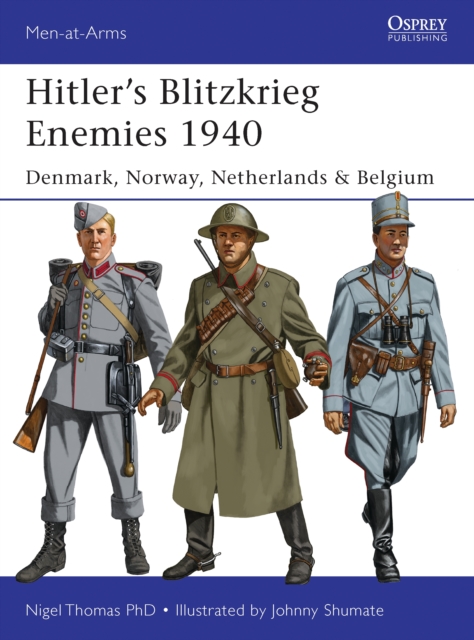
The armies of Denmark, Norway, the Netherlands and Belgium bore the first crushing impact of Hitler's mighty Blitzkrieg war machine in Western Europe, in a campaign that astonished and terrified the world.
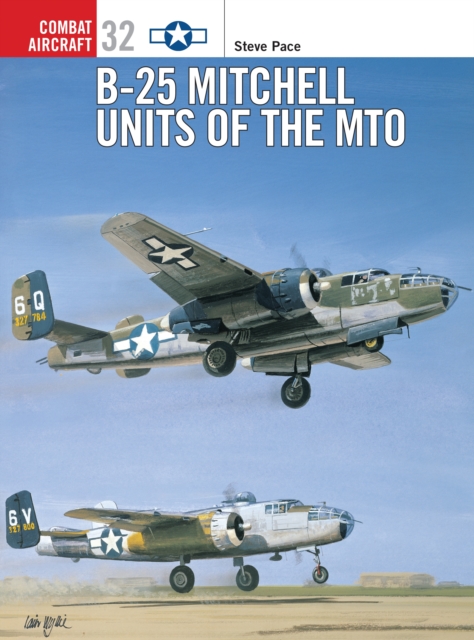
From November 1942 through to May 1945, the backbone of the USAAF's medium bomber force was provided by the clutch of bomb groups equipped with the B-25 Mitchell.
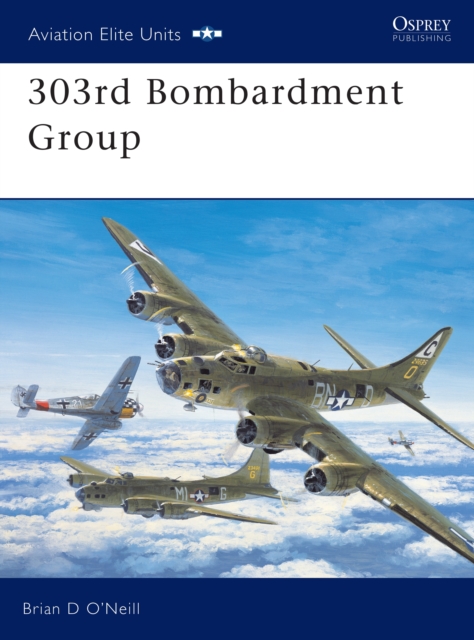
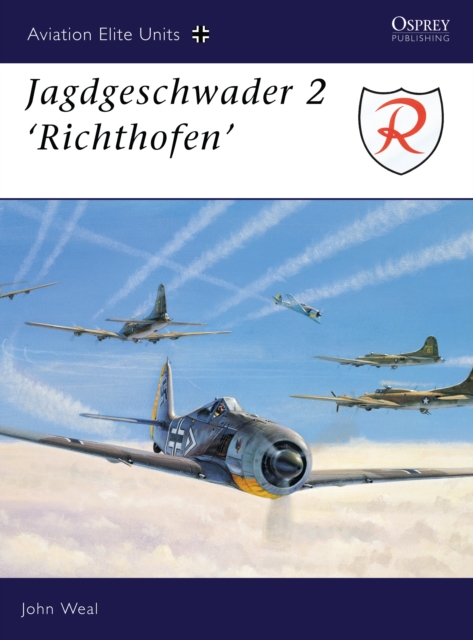
The first instalment of the Aviation Elite Units series, a detailed history of this key unit, featuring photographs and colour illustrations throughout.
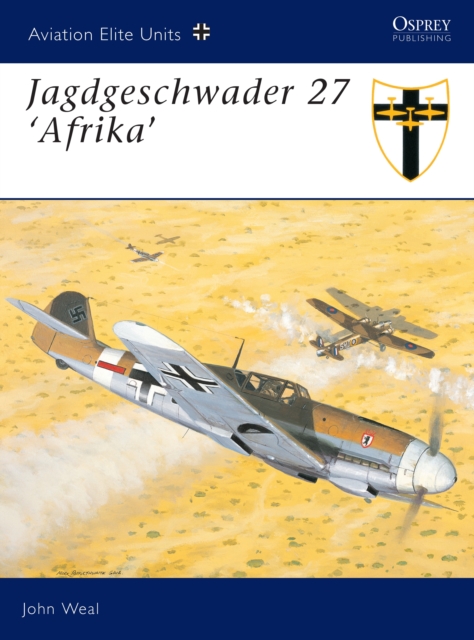
Synonymous with the Afrika Korps and the campaign in North Africa, JG 27 provided Rommel's army with fighter protection for virtually the whole 'roller coaster ride that was the war in the Western Desert from 1941-43.