Anthem - Ayn Rand - Anthem is a dystopian fiction novella by Russian-American writer Ayn Rand, written in 1937 and first published in 1938 in the United Kingdom.
The End: How the Great War was Stopped; A Novelistic Vagary (1917) is a World War I fantasy in which the risen dead terrify the living into stopping the war.
August Bebel war einer der Begründer der organisierten sozialdemokratischen Arbeiterbewegung in Deutschland und Vorsitzender der Sozialdemokratischen Partei Deutschlands (SPD).
Excerpt: "e;The American people of today, weighed in the balances of the greatest armed conflict of all time and found not wanting, can afford to survey, in a spirit of candid scrutiny and without reviving an ancient grudge, that turbulent episode in the welding of their nation which is called the War of 1812.
Excerpt: "e;As we arrived a steady down-pour of rain was falling from an inky sky; the white men who met us on the wharf appeared ghostly and wraith-like, and the very negroes seemed pale and wan.
Excerpt: "e;If the intelligent foreigner, who is supposed to make so many interesting and novel observations on the aspect of the countries he visits, and on the manners of the people among whom he travels, were to visit the United States at this juncture, he would fail to detect any marked indication of the extraordinary crisis which agitates the members of the Great Republic, either at the principal emporium of its commerce, or at the city which claims to be the sole seat of its Government.
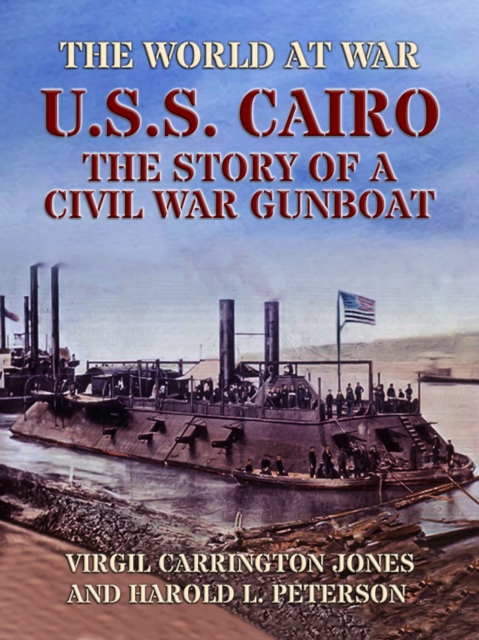
Foreword: "e;For 11 years, I was closely associated with the Cairo project, and I know how difficult it is to place the undertaking in its proper perspective and to dispassionately evaluate its historical significance.
Excerpt: "e;The interest of the War of 1812, to Americans, has commonly been felt to lie in the brilliant evidence of high professional tone and efficiency reached by their navy, as shown by the single-ship actions, and by the two decisive victories achieved by little squadrons upon the lakes.
Haciendo memoria se centra en la trayectoria de la memoria de la Guerra Civil en la España de la primera década del siglo XXI, desde la aparición de la Asociación para la Recuperación de la Memoria Histórica y la apertura de fosas comunes, hasta la fallida búsqueda de la fosa de Federico García Lorca, pasando por la aprobación de la Ley de Memoria Histórica.
Für die eBook-Ausgabe völlig neu überarbeitet und in aktualisierter Rechtschreibung ||In seinem letzten Roman schildert Hans Fallada den authentischen Fall des Ehepaars Otto und Elise Hampel, das Postkarten-Flugblätter gegen Hitler an öffentlichen Plätzen Berlins auslegt, schließlich denunziert und 1943 hingerichtet wird.
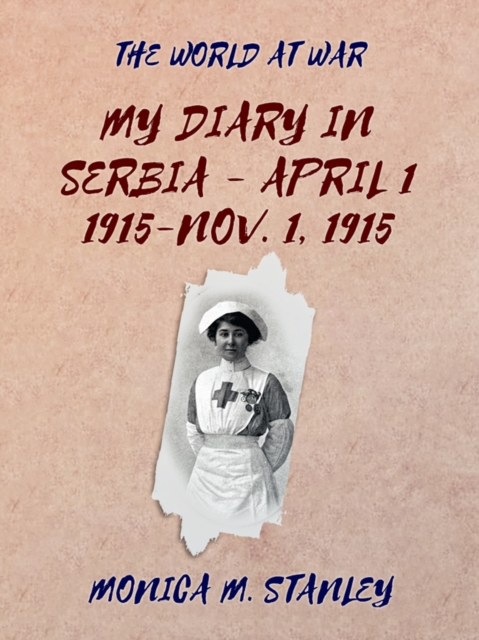
Excerpt: "e;We had endeavoured to ward off typhoid by initiating a sort of sanitary vigilance committee, having first sacked the chief of police: we had laid drains, which the chief Serbian engineer said he would pull up as soon as we had gone away.
"e;The Light That Failed"e; is Kipling's first novel, written when he was 26 years old, and is semi-autobiographical; being based upon his own unrequited love for Florence Garrard.
Auszug: "Bekanntlich entwickelten die Franzosen, denen die Engländer nur ungerne, in schlauer Vorsicht, folgten, als erste einen brauchbaren Unterseebootstyp.
"e;The Defence of Duffers Drift"e; is a fictional account of a young, inexperienced British officer, who is tasked with holding a river crossing with 50 troops against a larger enemy force.
It was a time of bloody confrontation between the white man and the red man, a time when the pioneers of a new nation were pushing out across the Great Plains and yet the powerful spirits of an ancient mystical religion still held sway over the Indians.
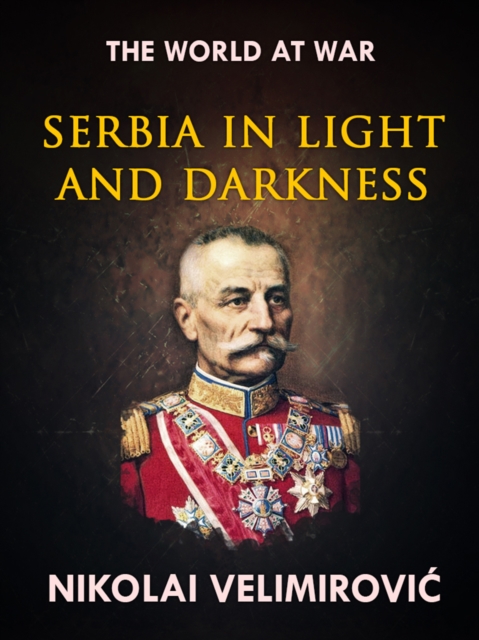
Excerpt: "e;The aim of this volume is to give to the English-speaking people some glimpses into the past struggles, sufferings and hopes of the Serbian nation.
Excerpt: "e;When this old Singapore jail was put an end to in 1873, some six years after the transfer of the Straits Settlements to the Crown, the convicts then under confinement were removed to the Andaman Islands, at that time not long established as a penal settlement for India; while those on a ticket-of-leave were permitted to merge into the population, continuing to earn their livelihood as artisans, cow keepers, cart drivers, and the like.
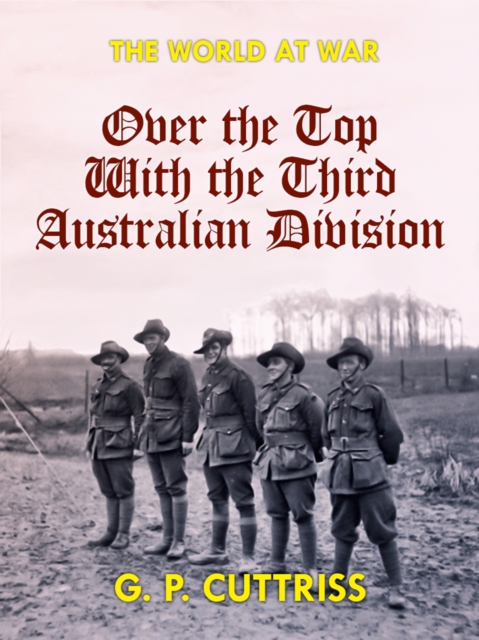
Excerpt: "e;There has been so much written about the trenches, there are so many war photographs, so many cinema films, that one might well hesitate before even mentioning the war-to try to write a book about it is, I fear, to incur the censure of the many who are tired of hearing about bombs and bullets, and who prefer to read of peace, and games, and flirtations.
Excerpt: "e;The evils arising from religious persecution, sectarian hatred, ill government, and oppression were never more strongly illustrated than by the fact that, for a century, Ireland, which has since that time furnished us with a large proportion of our best soldiers, should have been among our bitterest and most formidable foes, and her sons fought in the ranks of our greatest continental enemy.
These Sketches were made during a year's service as a camion driver with the French army in the Chemin-des-Dames sector and a year's service with the A.
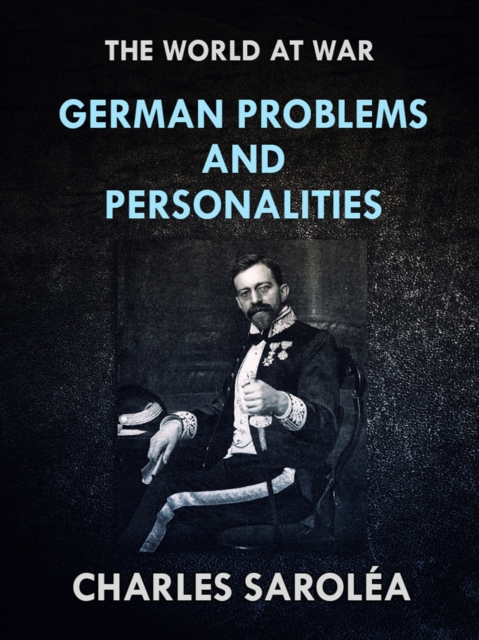
No one more accurately forecast the War than has Charles Sarolea, who may be forgiven a justifiable pride in the accuracy and excellence of his prognosis, in 1906 and 1912, of the conditions that led to the present contest.