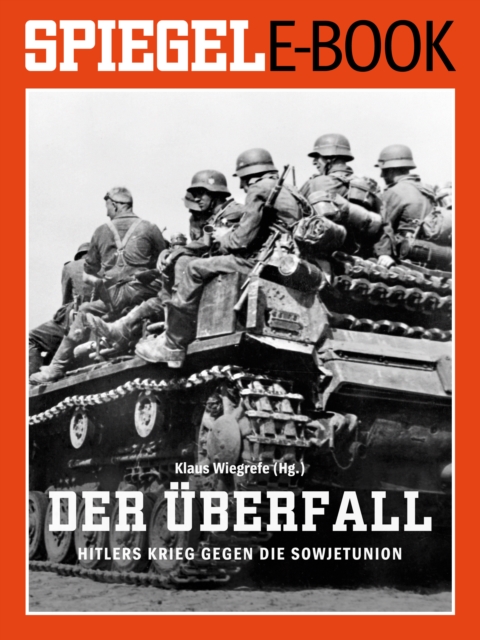
The aim of this edition is to present in a comprehensive way the strategy and military operations of the German army in the attack on Russia in World War 2.
Während die Besetzung der britischen Kanalinseln durch die Wehrmacht in den Jahren 1940 bis 1945 in Deutschland vergessen ist, ist sie in Großbritannien durchaus im kollektiven historischen Bewusstsein präsent.
Este volumen aborda el estudio de las guerras civiles a lo largo del proceso de la formación de los Estados en el espacio iberoamericano, desde puntos de vista renovados por la originalidad de los enfoques temáticos y teórico-metodológicos.
"e;In this book I have written about some aspects of the war which, I believe, the world must know and remember, not only as a memorial of men's courage in tragic years, but as a warning of what will happen again-surely-if a heritage of evil and of folly is not cut out of the hearts of peoples.
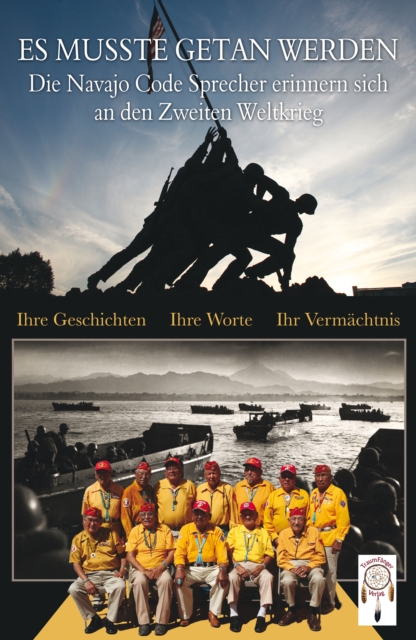
Anfang 1942, während der düsteren Monate nach der abrupten Bombardierung von Pearl Harbor, wurde eine Gruppe von 29 Navajo-Marines, unmittelbar nach ihrem Ausbildungslager in einen Raum mit vergitterten Fenstern und Wachpersonal gebracht.
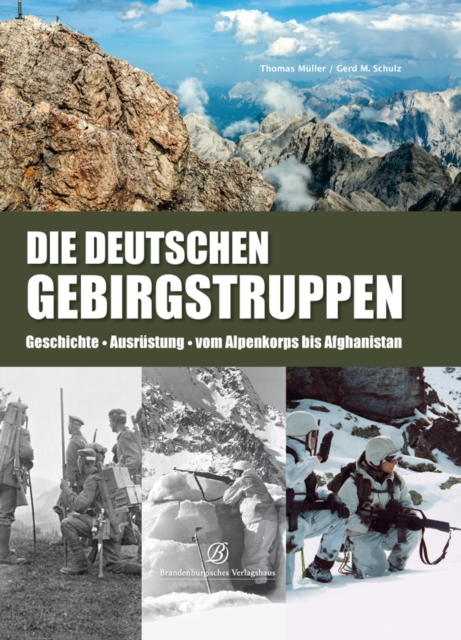
Mit ihren vielfältigen Einsätzen in schwierigem Gelände und unter ungünstigen klimatischen Bedingungen sind die Gebirgsjäger sicherlich einer der faszinierendsten Truppenteile der Bundeswehr.
Auch diese - im "Völkischen Beobachter" seinerzeit unter der Rubrik "VB-Feldpost" erschienenen - Erzählungen stammen aus der Feder von Offizieren und Mannschaften.
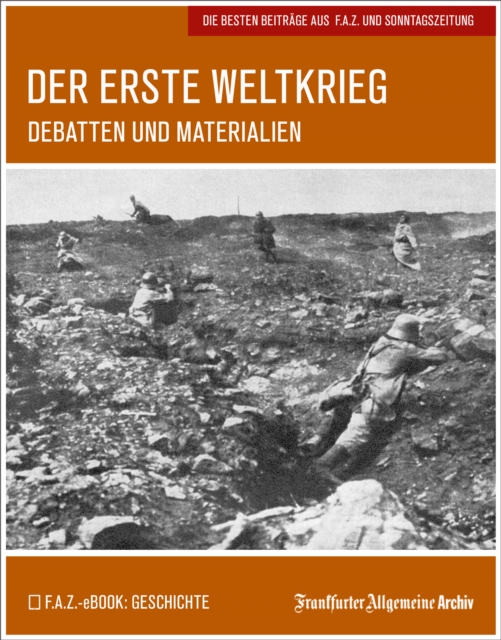
Die Entwicklung, welche zum Ausbruch des Ersten Weltkriegs führte, wird heute zumeist an den Bündnisverpflichtungen innerhalb Europas festgemacht, hinzu kommen Fehlurteile sowie Selbstüberschätzung bei den Mächtigen, allen voran bei Kaiser Wilhelm II.
Hans Deichelmann arbeitete als Arzt in Königsberg und blieb auch nach der Einkesselung der Stadt durch die Rote Armee im Frühjahr 1945 in der alten Hauptstadt der Provinz Ostpreußen.
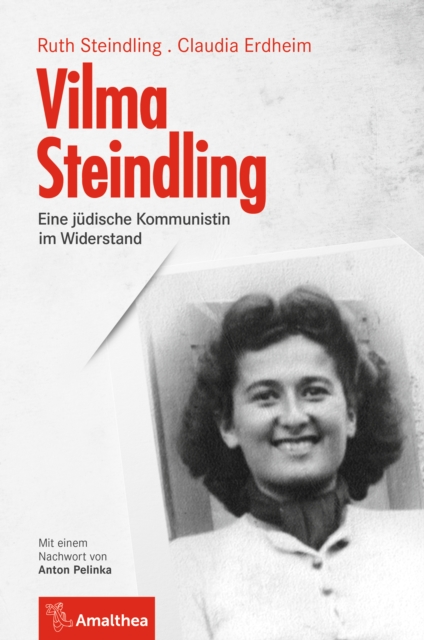
Die Arbeit an der TV-Dokumentation führt die ORF-Journalistinnen in die ehemaligen Konzentrationslager Mauthausen und Auschwitz, nach Israel und Hamburg.
"Die Juden mögen wir nicht", schwadronierte Sigbert Ramsauer, ehemaliger SS-Arzt im KZ am Loiblpass, amnestierter Kriegsverbrecher und praktischer Arzt in Klagenfurt, Anfang der 1990er Jahre in einem TV-Interview.
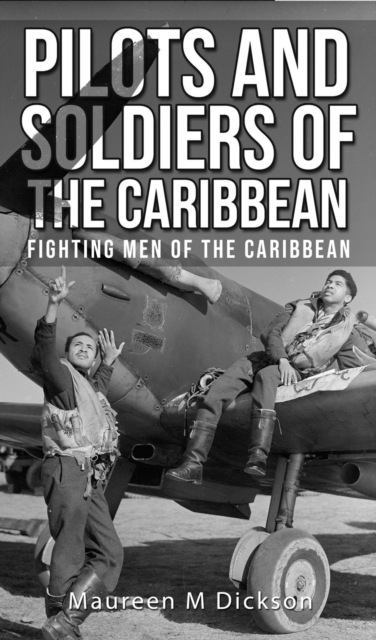
Pilots and Soldiers of the Caribbean is the story of the human spirit in the brave and talented men of the Caribbean who fought through adversity, in order to achieve their goals and to earn a place at the top table.
Als vor 100 Jahren der Erste Weltkrieg begann, ahnte niemand, mit welcher Vehemenz die Frage von Schuld und Verantwortung für diese Menschheitskatastrophe noch nach einem Jahrhundert diskutiert werden würde.
"Meine Herren, es kann ein siebenjähriger, es kann ein dreißigjähriger Krieg werden -, und Wehe dem, der zuerst die Lunte an das Pulverfass schleudert.
Für die Forschung zur nationalsozialistischen Besatzungspolitik in Polen scheint der Befund eindeutig: Auf einen mit äußerster Brutalität geführten Krieg folgte der von der SS vorangetriebene Versuch, zumindest den annektierten Westen des Landes in einen "Exerzierplatz" rassischer Lebensraumpolitik zu verwandeln, in eine - so Himmler - "blonde Provinz".