In this discourse history, W J Dodd analyses the 'unquiet voices' of opponents whose contemporary critiques of Nazism, from positions of territorial and inner exile, focused on the 'language of Nazism'.
This collection is the first of its kind, bringing together Holocaust educational researchers as well as school and museum educators from across the globe, to discuss the potentials of Holocaust education in relation to primary school children.
This volume presents the intellectual autobiographies of fourteen leading scholars in the fields of history, literature, film and cultural studies who have dedicated a considerable part of their career to researching the history and memories of France during the Second World War.
This book probes the relationship between Martin Heidegger and theology in light of the discovery of his Black Notebooks, which reveal that his privately held Antisemitism and anti-Christian sentiments were profoundly intertwined with his philosophical ideas.
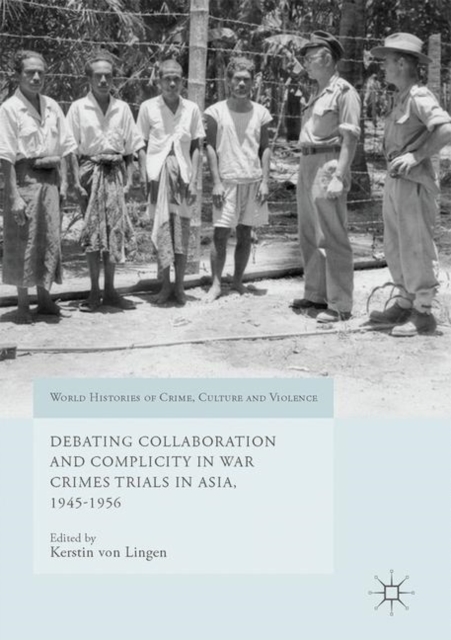
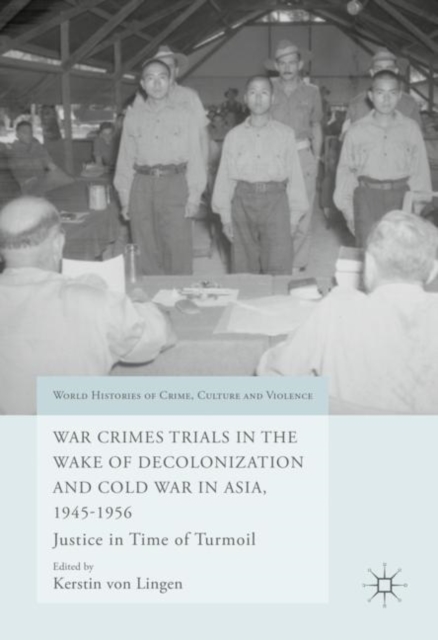
This book discusses the impact of war on the complex interactions between various actors involved in justice: individuals and social groups on the one hand and 'the justice system' (police, judiciary and professionals working in the prison service) on the other.
This book analyses four case studies of Holocaust memory activism in Poland, contextualized within recent debates about Polish-Jewish relations and approached through a theoretical framework informed by critical theory.
This book is a study of the legal reckoning with the crimes of the Latvian Auxiliary Security Police and its political dimensions in the Soviet Union, West and East Germany, and the United States in the context of the Cold War.
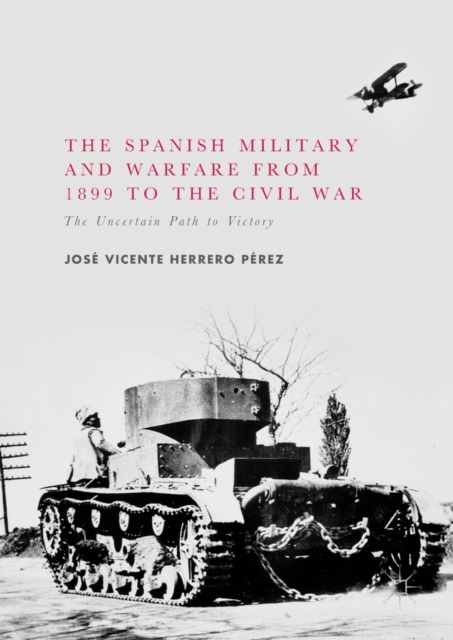
This book explores the attitudes of the Spanish army officer corps towards the evolution of warfare during the early decades of the twentieth century, and their influence on the armies of the Spanish Civil War.
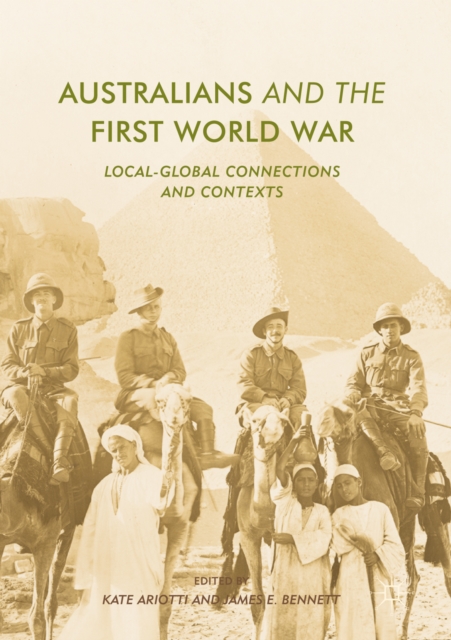
This book contributes to the global turn in First World War studies by exploring Australians' engagements with the conflict across varied boundaries and by situating Australian voices and perspectives within broader, more complex contexts.
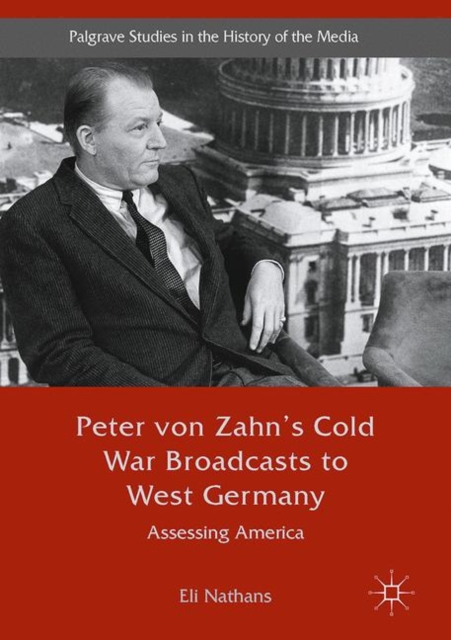
This book examines the pioneering radio broadcasts and television documentaries about the United States made in the 1950s by the influential West German journalist Peter von Zahn.
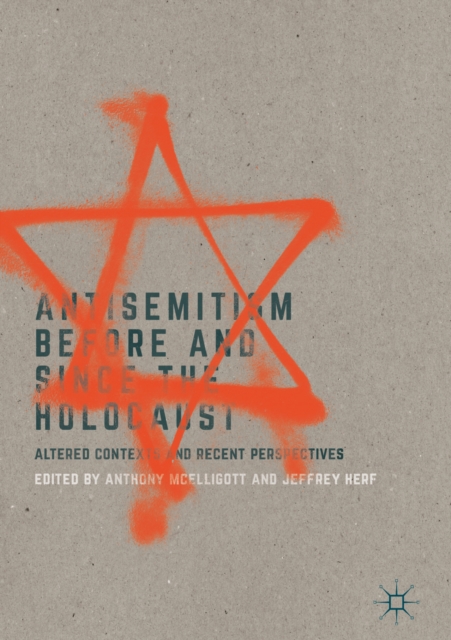
Divided into five discrete sections, this book examines the issue of Holocaust denial, and in some cases "e;Holocaust inversion"e; in North America, Europe, and the Middle East and its relationship to the history of antisemitism before and since the Holocaust.
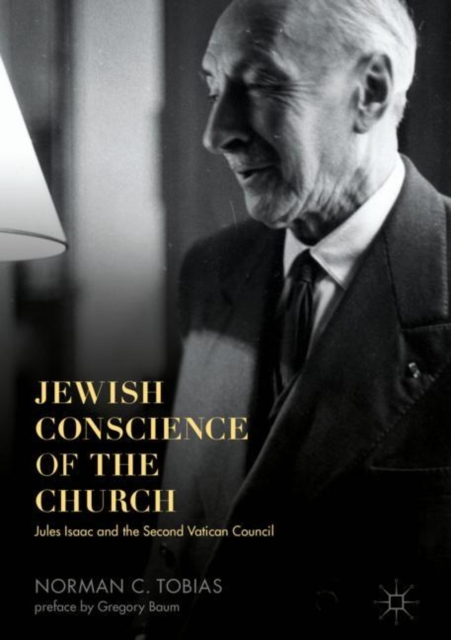
This book presents the backstory of how the Catholic Church came to clarify and embrace the role of Israel in salvation history, at the behest of an unlikely personality: Jules Isaac.
This collection investigates the social and cultural history of trauma to offer a comparative analysis of its individual, communal, and political effects in the twentieth century.
This book explores how the women's orchestra at Auschwitz-Birkenau has been remembered in both media and popular culture since the end of the Second World War.
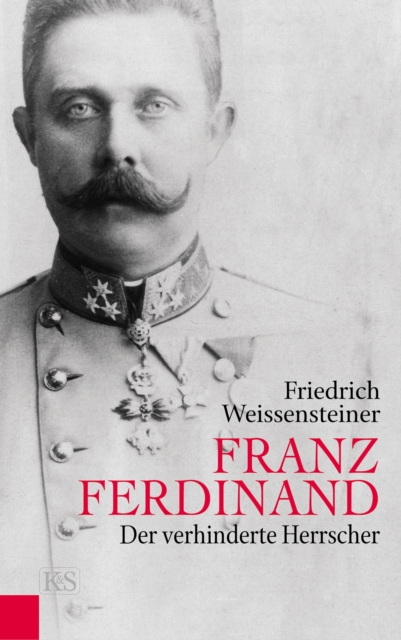
Das Leben Franz Ferdinands birgt alle Zutaten für einen dramatischen Hollywoodfilm: eine widersprüchliche Persönlichkeit, politisch konservativ, aber scharfsinnig; eine lebensbedrohende Tuberkulose; eine unstandesgemäße Ehe - Gräfin Sophie von Chotek, die Liebe seines Lebens, entsprach keineswegs den kaiserlichen Standesregeln; ein tragisches Ende.
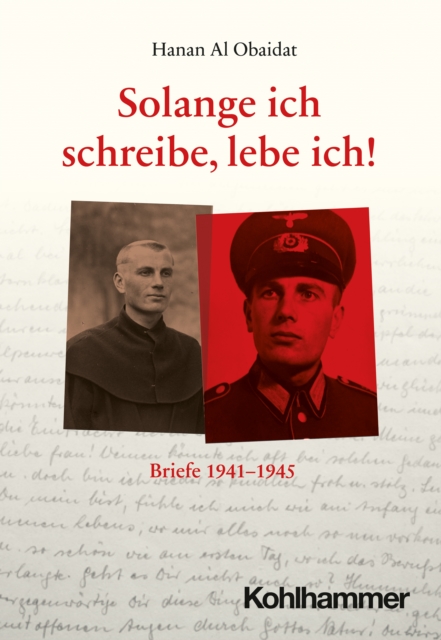
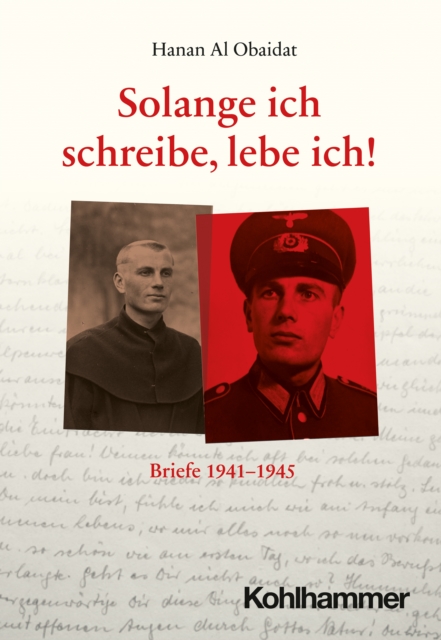
Beim Entrümpeln des Elternhauses findet Hanan Al Obaidat 1998 einen Koffer mit 630 Briefen ihres Großvaters, die ihr Bild von den Großeltern radikal verändern.
Beim Entrümpeln des Elternhauses findet Hanan Al Obaidat 1998 einen Koffer mit 630 Briefen ihres Großvaters, die ihr Bild von den Großeltern radikal verändern.
Napoleon I is still a polarizing figure even today and is usually presented either as an outstanding saviour or as an abysmal monster who was merely driven on by fast-moving events.
Napoleon I is still a polarizing figure even today and is usually presented either as an outstanding saviour or as an abysmal monster who was merely driven on by fast-moving events.
Im Mai 1940 beginnt die 51-jährige Anna Haag ein schonungslos offenes und regimekritisches Tagebuch zu führen, das sie über Jahre im Kohlenkeller versteckt.