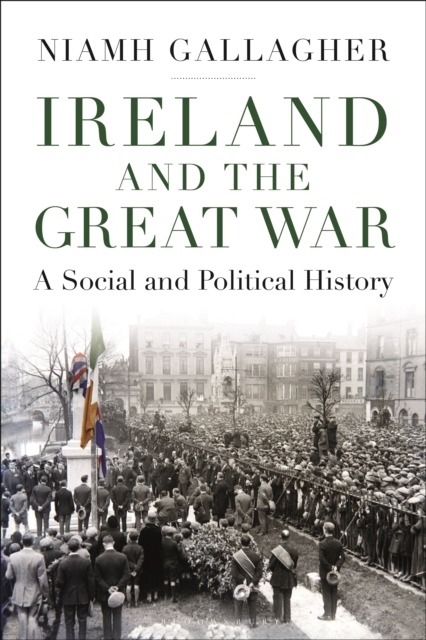
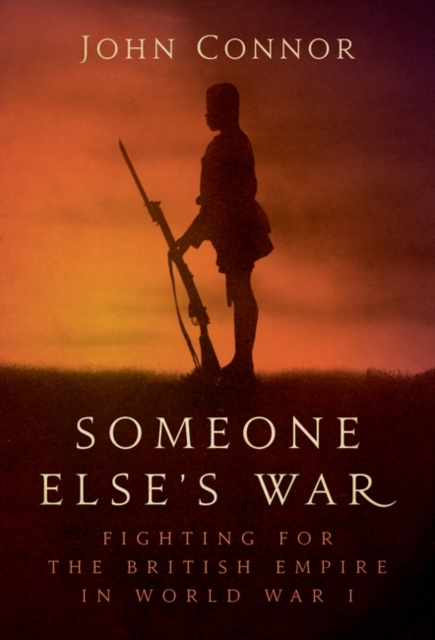
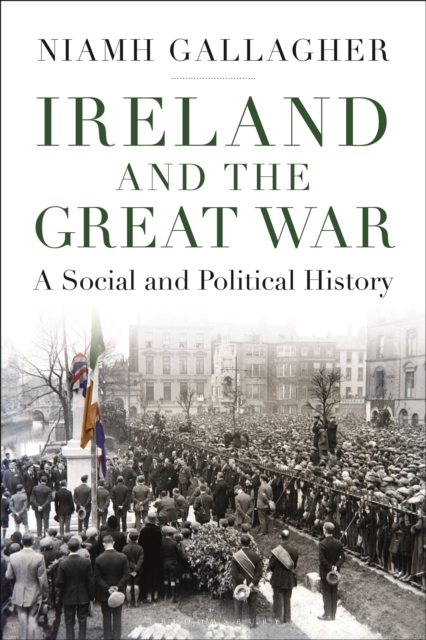
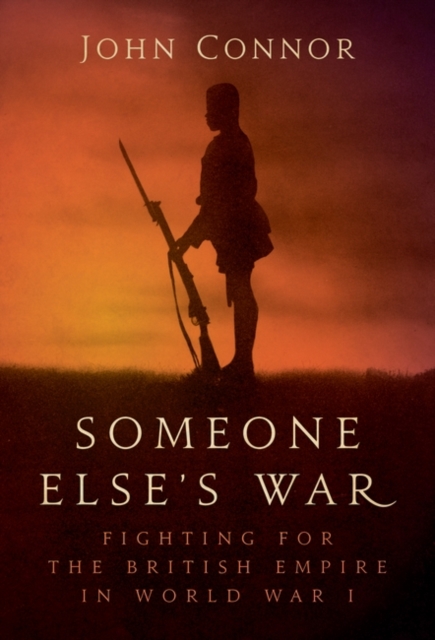
Winner of the Whitfield Book Prize 2020On 4 August 1914 following the outbreak of European hostilities, large sections of Irish Protestants and Catholics rallied to support the British and Allied war efforts.
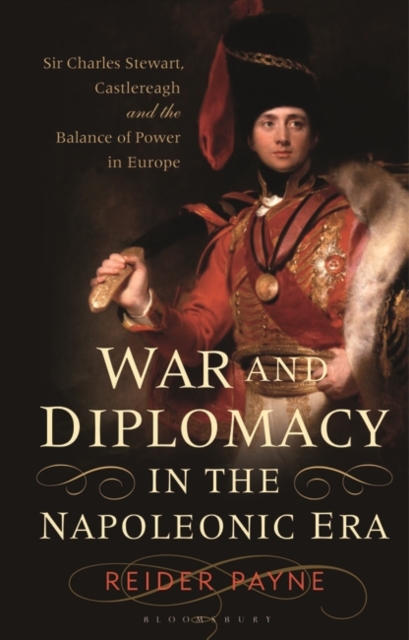
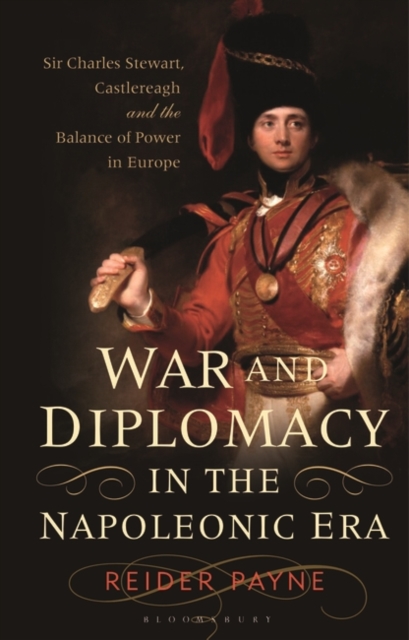
The lives and careers of Sir Charles Stewart and his brother Lord Castlereagh take in a grand stage, from Britain and Ireland to the kingdoms and empires of western and central Europe.
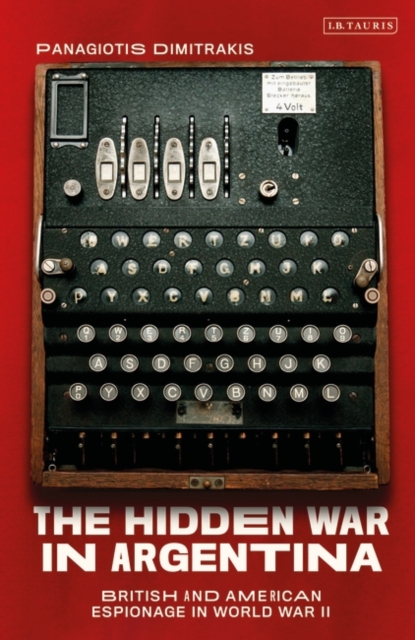
Though officially neutral until March 1945, Buenos Aires played a key role during World War II as a base for the South American intelligence operations of the major powers.
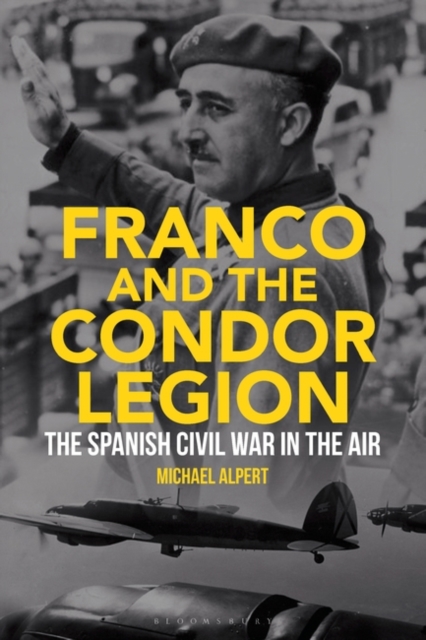
In the 1930s, the British public's emotional response to the atrocities of the Spanish Civil War, including the bombing of Guernica, shaped the mass-politics of the age.
The second volume shines a light on the cultural and social changes that took place during the epoch of European Restorations, when the death of the Napoleonic empire existed as a crucial moment for contemporaries.
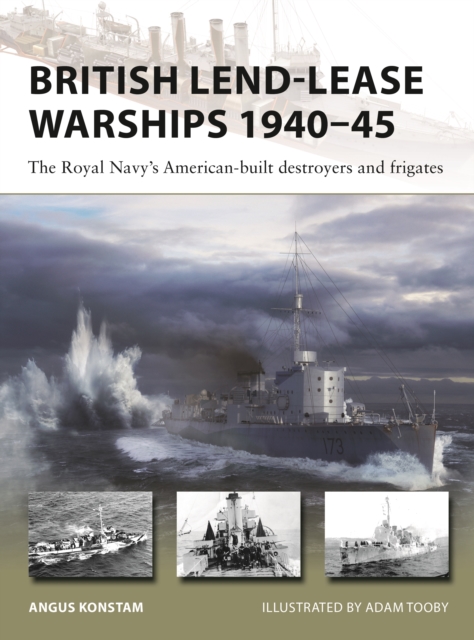
An illustrated history of the American-built destroyers and frigates supplied to the Royal Navy under Lend-Lease, which played a crucial role in Britain's war in the Atlantic.
Winner of the Whitfield Book Prize 2020On 4 August 1914 following the outbreak of European hostilities, large sections of Irish Protestants and Catholics rallied to support the British and Allied war efforts.
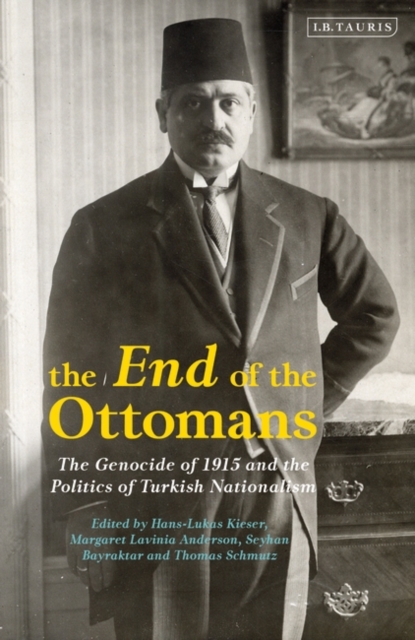
In the early part of the twentieth century, as Europe began its descent into the First World War, the Ottoman world – once the largest Empire in the Middle East – began to experience a revolution which would culminate in the new, secular Turkish state.
Though officially neutral until March 1945, Buenos Aires played a key role during World War II as a base for the South American intelligence operations of the major powers.
In 1903 Tsar Nicholas II issued a decree allowing the confiscation of Armenian Church property, marking the low point in relations between imperial Russia and its Armenian subjects.
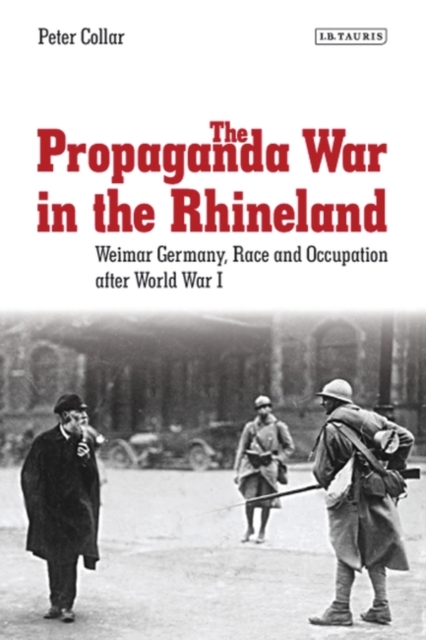
Piecing together a fractured European continent after World War I, the Versailles Peace Treaty stipulated the long term occupation of the Rhineland by Allied troops.
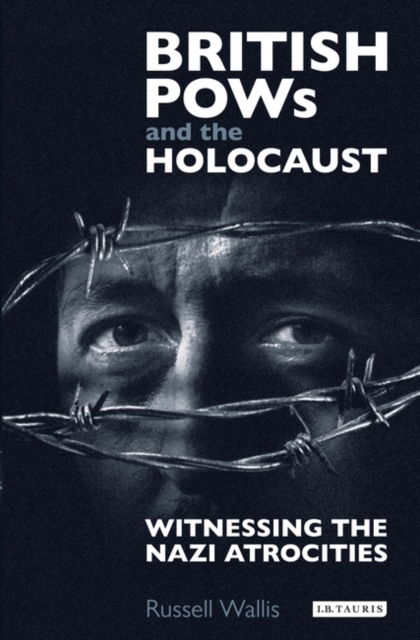
In the network of Nazi camps across wartime Europe, prisoner of war institutions were often located next to the slave camps for Jews and Slavs; so that British PoWs across occupied Europe, over 200,000 men, were witnesses to the holocaust.
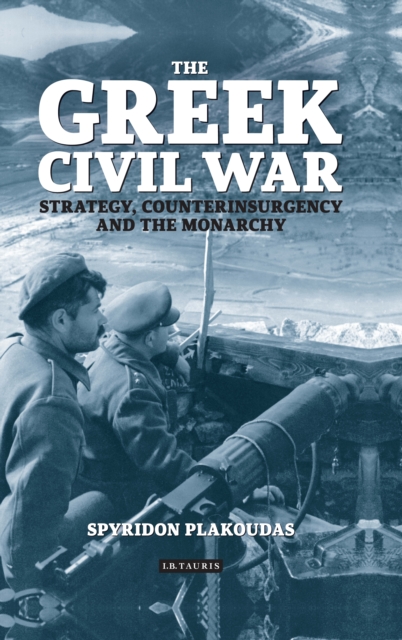
The Greek Civil War (1946-1949) was one of the few instances in the post-World War II era of a clear-cut and permanent victory by right-wing government forces over an insurgent communist movement.
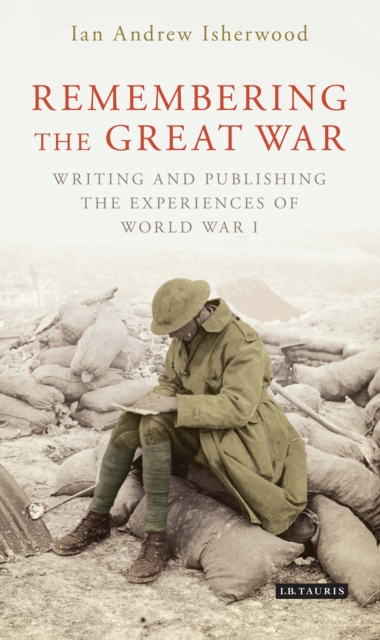
The horrors and tragedies of the First World War produced some of the finest literature of the century: including Memoirs of an Infantry Officer; Goodbye to All That; the poetry of Wilfred Owen and Edward Thomas; and the novels of Ford Madox Ford.
'When the Nazi power was broken, I asked myself what was the best advice I could give to my fellow citizens here in this island and across the channel in our ravaged continent.
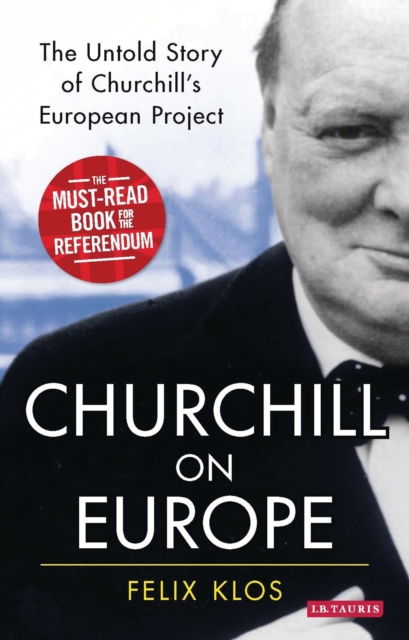
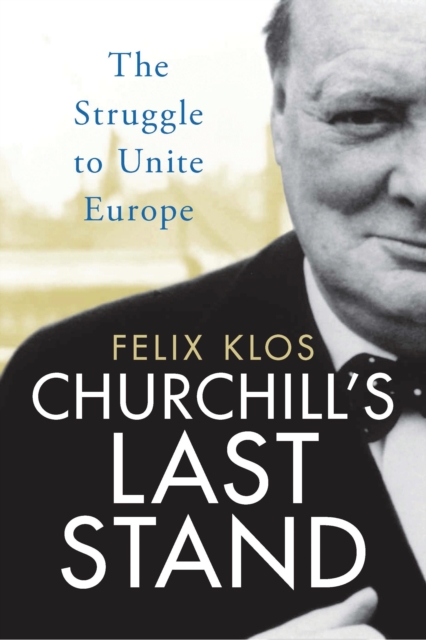
After the Second World War, with much of Europe in ruins, the victorious Winston Churchill swore to build a peace across Europe that would last a generation.
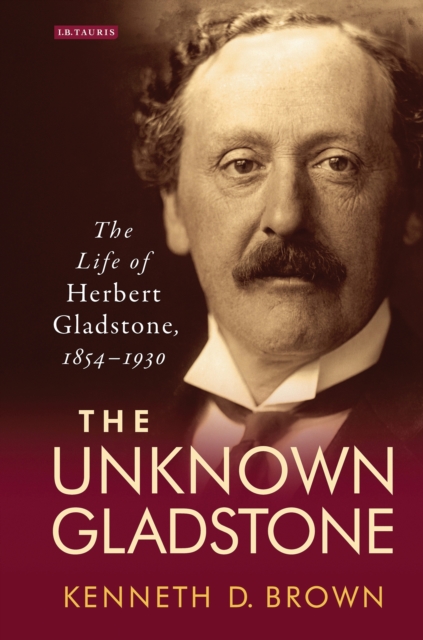
Herbert Gladstone (1854-1930) was the only one of the sons of the renowned nineteenth-century Prime Minister William Ewart Gladstone to enjoy a significant political career in his own right.
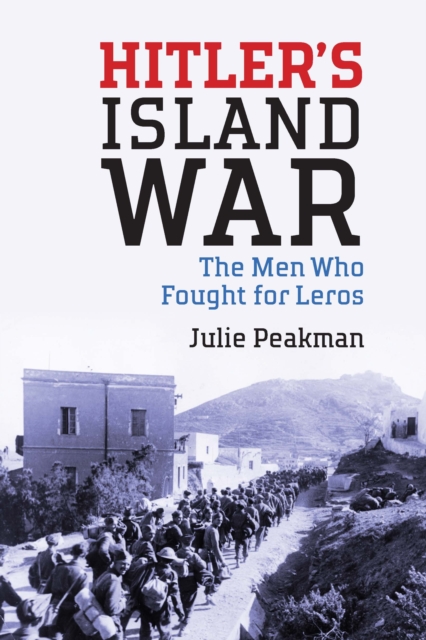
*Highly Commended by the British Records Association for the 2019 Janette Harley Prize* In September 1943, at the height of World War II, the Aegean island of Leros became the site of the most pivotal battle of the Dodecanese campaign as the British tried, in vain, to retain control of the island.
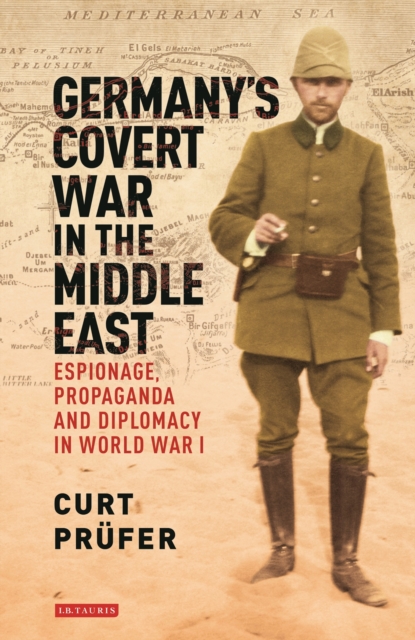
Ultimately these cross purposes brought disaster, pulling a fatally weak and woefully unprepared Ottoman state into a global war, and unleashing vicious, internal ethnic repression that brought it defeat and dismemberment.
The lives and careers of Sir Charles Stewart and his brother Lord Castlereagh take in a grand stage, from Britain and Ireland to the kingdoms and empires of western and central Europe.