The Battle of Arnhem was a major World War II battle at the vanguard of the Allied Operation Market Garden, the dramatic but unsuccessful campaign fought by the British Army in the Netherlands from 17 to 25 September 1944.
The Battle of Arnhem was a major World War II battle at the vanguard of the Allied Operation Market Garden, the dramatic but unsuccessful campaign fought by the British Army in the Netherlands from 17 to 25 September 1944.
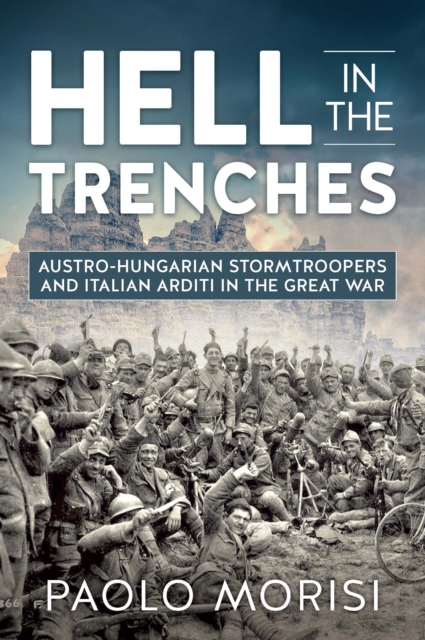
The Austro-Hungarian Stormtroopers and the Italian Arditi of World War I were elite special forces charged with carrying out bold raids and daring attacks.
This book compares the systems of exploitative race relations associated with two racist regimes - slavery in the British colonial Caribbean and forced labour in the Holocaust in Germany and the Nazi-occupied lands in Europe.
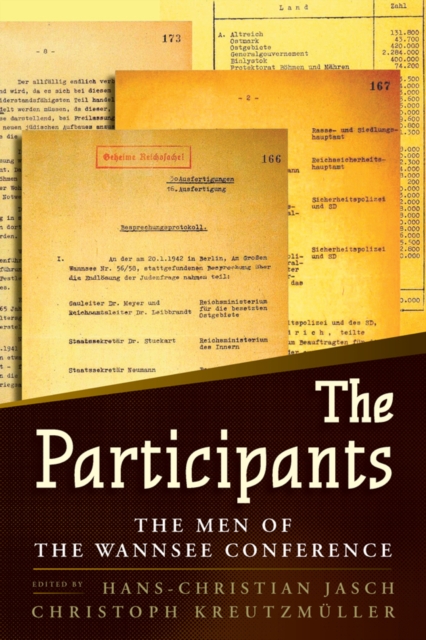
Combining accessible prose with scholarly rigor, The Participants presents fascinating profiles of the all-too-human men who implemented some of the most inhuman acts in history.
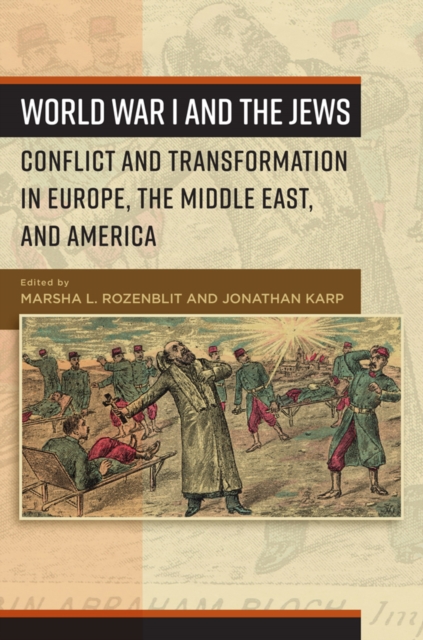
World War I utterly transformed the lives of Jews around the world: it allowed them to display their patriotism, to dispel antisemitic myths about Jewish cowardice, and to fight for Jewish rights.
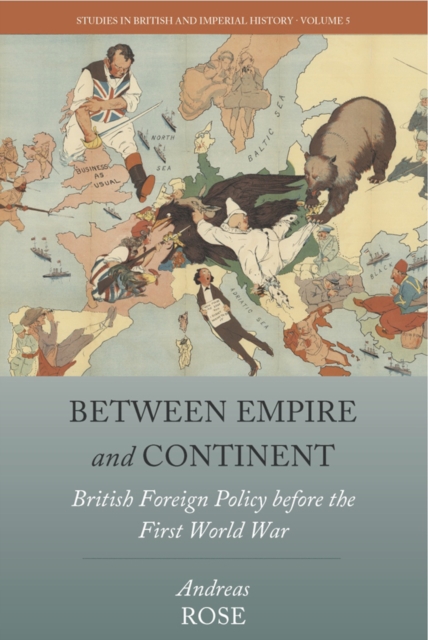
Prior to World War I, Britain was at the center of global relations, utilizing tactics of diplomacy as it broke through the old alliances of European states.
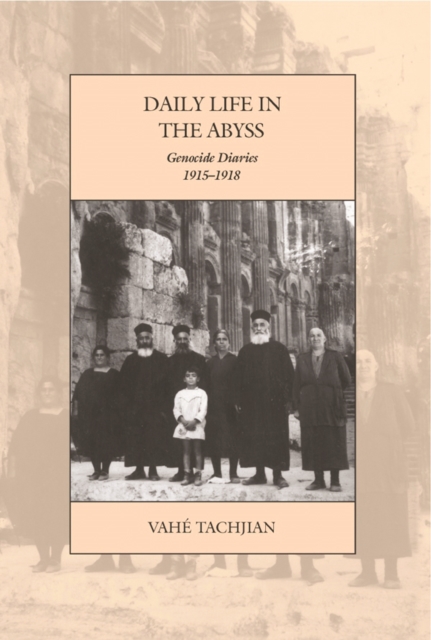
Historical research into the Armenian Genocide has grown tremendously in recent years, but much of it has focused on large-scale questions related to Ottoman policy or the scope of the killing.
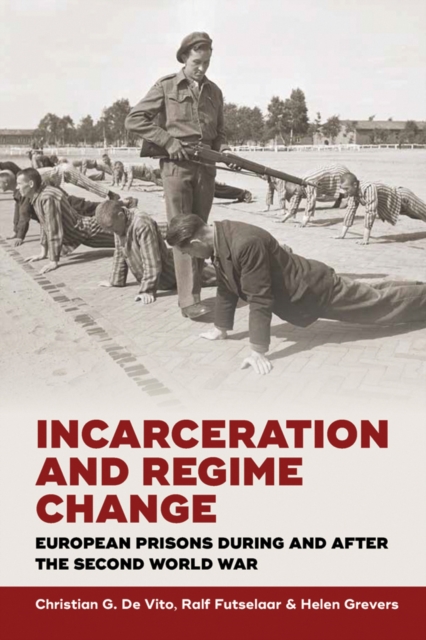
Political instability is nearly always accompanied by fuller prisons, and this was particularly true during the long Second World War, when military mobilization, social disorder, wrenching political changes, and shifting national boundaries swelled the ranks of the imprisoned and broadened the carceral reach of the state.
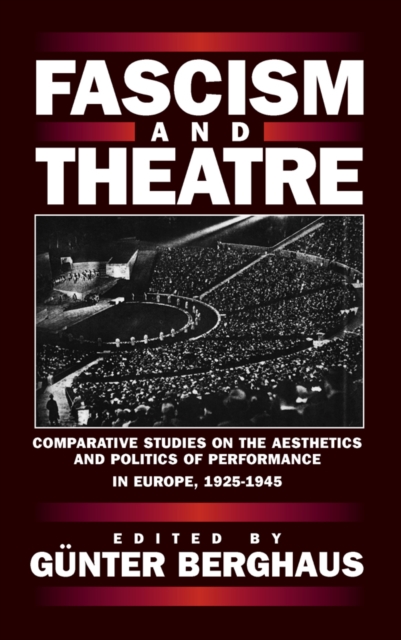
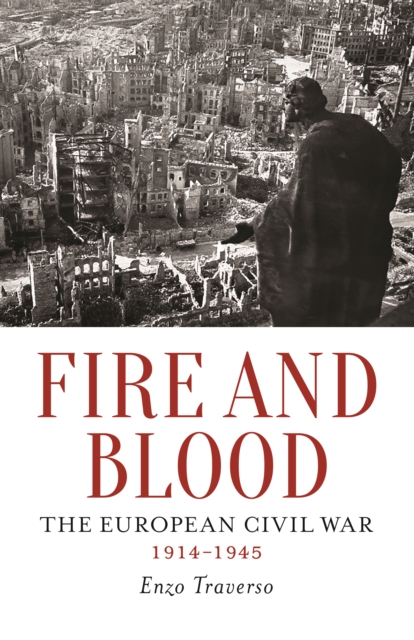
Since the 1920s, an endless flow of studies has analyzed the political systems of fascism, theseizure of power, the nature of the regimes, the atrocities committed, and, finally, the wars waged against other countries.
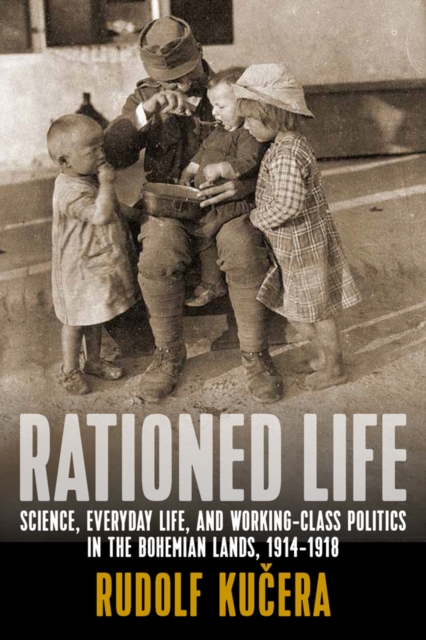
Far from the battlefront, hundreds of thousands of workers toiled in Bohemian factories over the course of World War I, and their lives were inescapably shaped by the conflict.
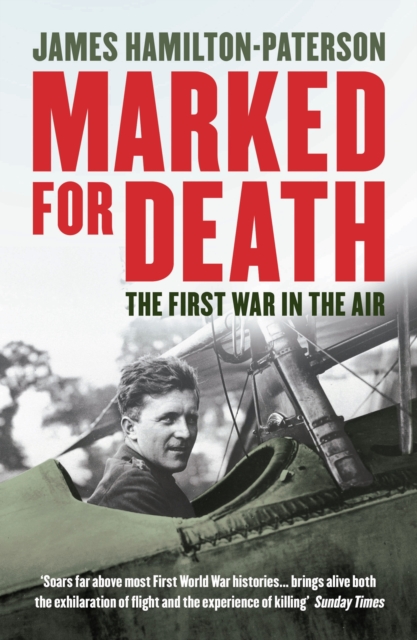
A compelling and fascinating account of aerial combat in World War I, revealing the terrible risks run by the men who fought and died in the world's first air war.
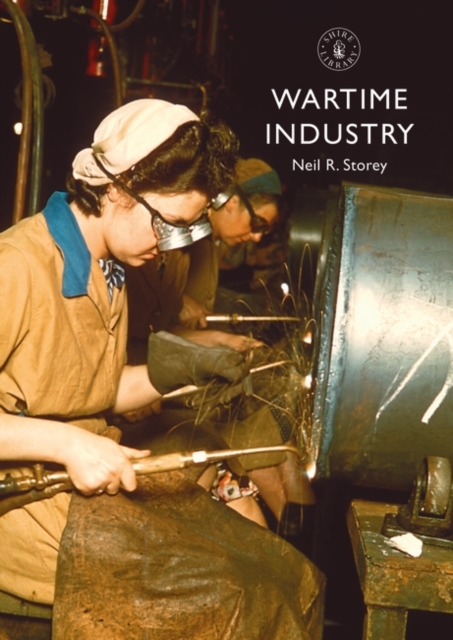
An illustrated introduction to how British industries, supported by thousands of newly recruited women, strove to meet the nation's wartime need for munitions, armour, shipping, uniforms and aircraft.
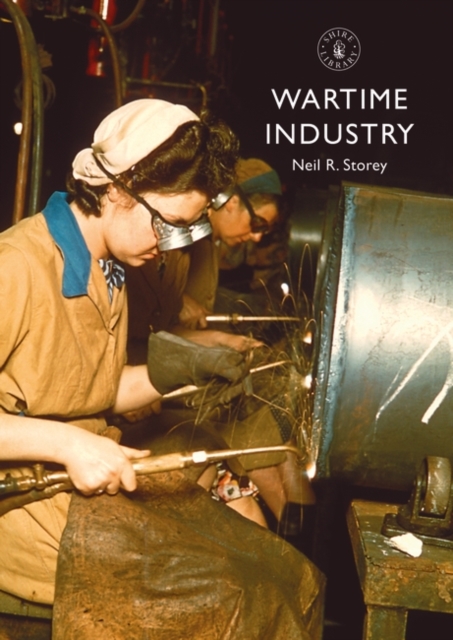
An illustrated introduction to how British industries, supported by thousands of newly recruited women, strove to meet the nation's wartime need for munitions, armour, shipping, uniforms and aircraft.
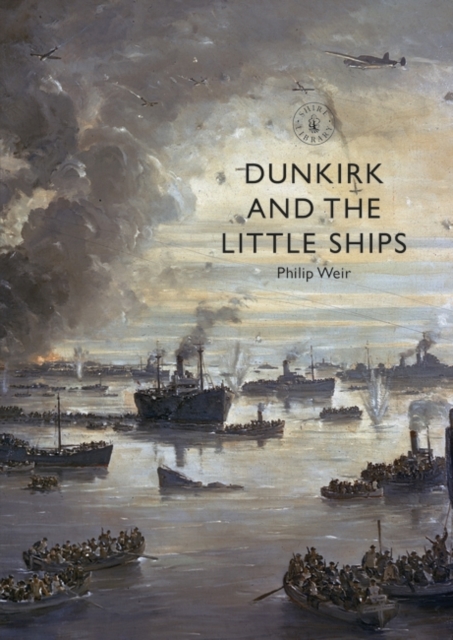
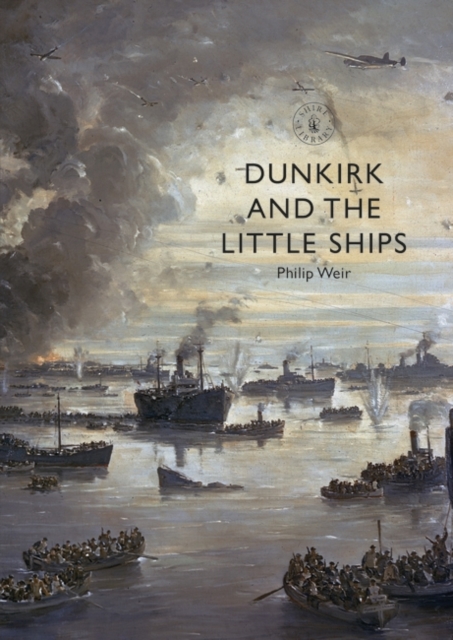
During 1940 the German army swept with devastating speed across the Low Countries and into northern France and drove Allied forces back into a small pocket around Dunkirk.
During 1940 the German army swept with devastating speed across the Low Countries and into northern France and drove Allied forces back into a small pocket around Dunkirk.
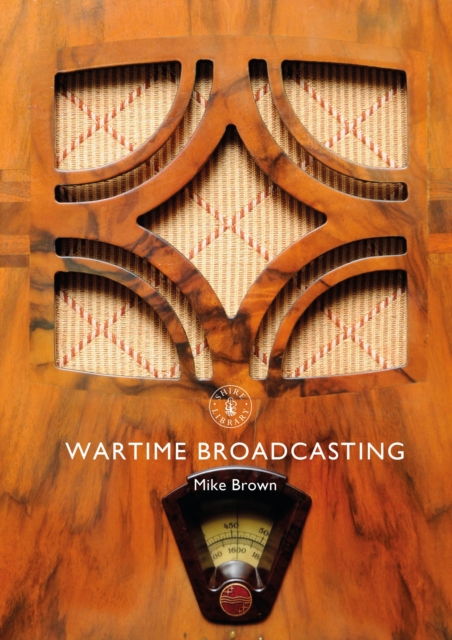
On 3 September 1939, Prime Minister Neville Chamberlain sat tensely at a microphone, using radio to declare that 'this country is at war with Germany'.
Between July and October 1940, in what became known as the Battle of Britain, a nation held its breath while the pilots of the Royal Air Force battled Hitler's Luftwaffe in the skies above England.
Between July and October 1940, in what became known as the Battle of Britain, a nation held its breath while the pilots of the Royal Air Force battled Hitler's Luftwaffe in the skies above England.
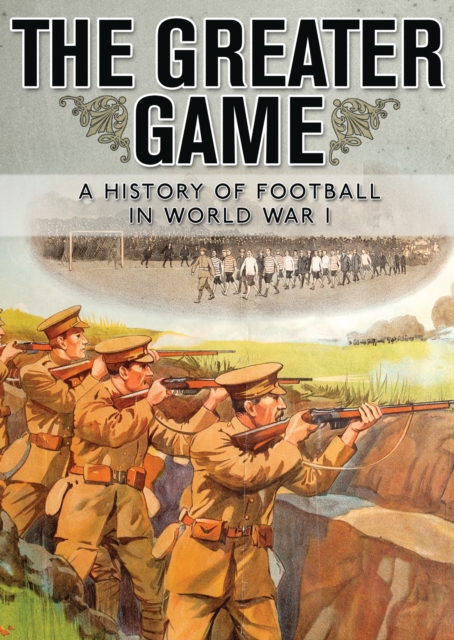
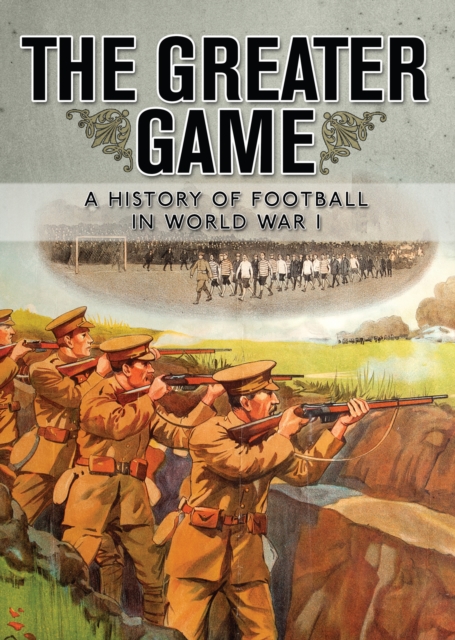
The Greater Game is a major exhibition (December 2014 September 2015) by the National Football Museum exploring the history of English football in the First World War.
The Greater Game is a major exhibition (December 2014 September 2015) by the National Football Museum exploring the history of English football in the First World War.
On 3 September 1939, Prime Minister Neville Chamberlain sat tensely at a microphone, using radio to declare that 'this country is at war with Germany'.