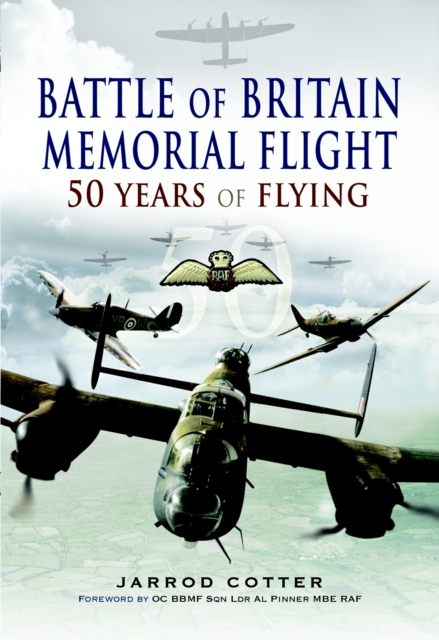
The history of the Flight began with the formation of the Historic Aircraft Flight in July 1957, it was later to become known as The Battle of Britain Memorial Flight.
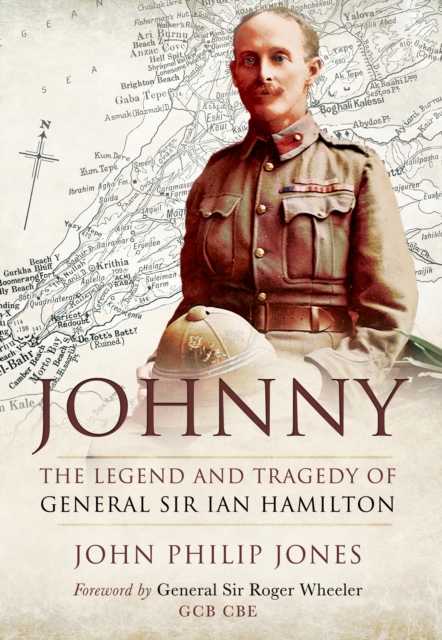
The Gallipoli campaign was launched in April 1915 in an effort to knock Turkey out of the war but the force that was deployed was too small to achieve its aim.
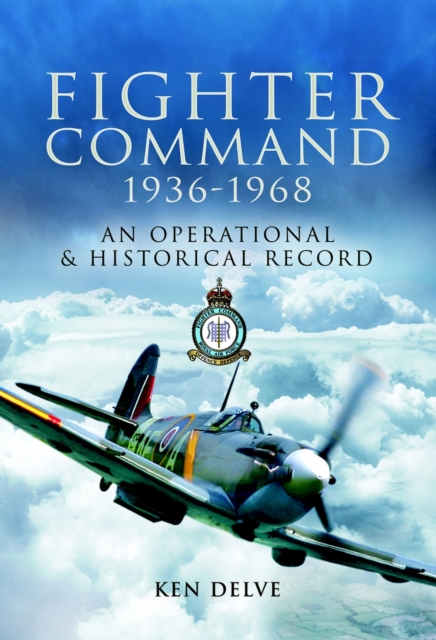
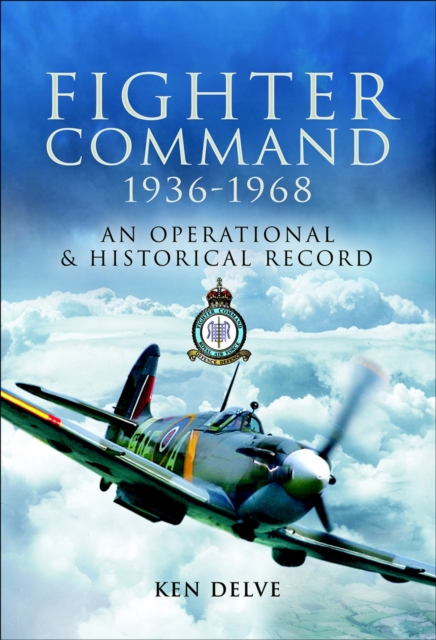
This is a comprehensive reference to the structure, operation, aircraft and men of Fighter Command from its formation in 1936 to 1968 when it became part of Strike Command.
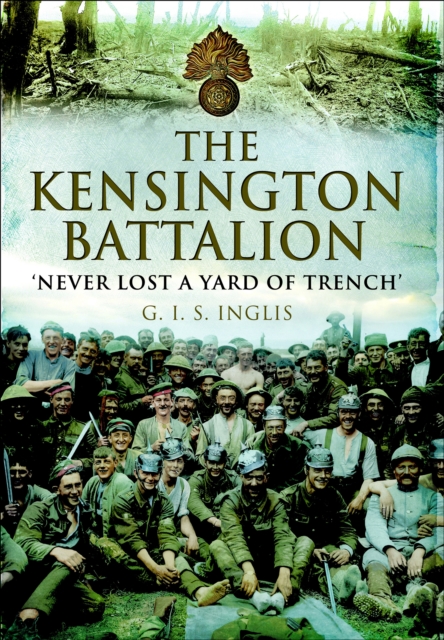
Raised by the Mayor of Kensington, the 22nd Royal Fusiliers (the Kensington Battalion) were a strange mixture of social classes (bankers and stevedores, writers and laborers) with a strong sprinkling of irreverent colonials thrown in.
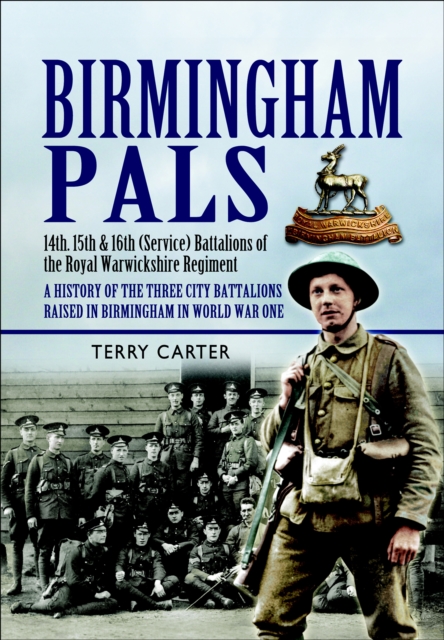
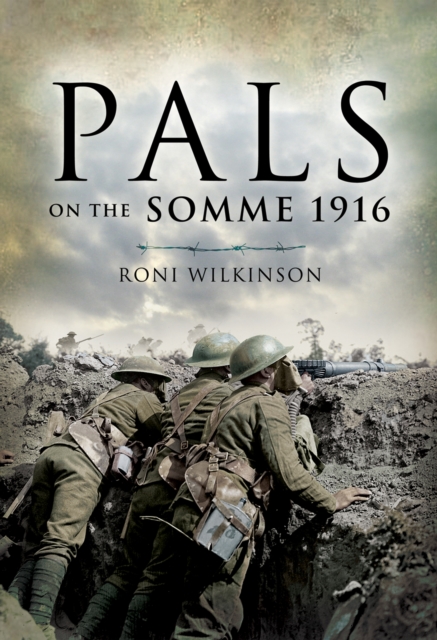
In the summer of 1914, our finest young men flocked to the colors in Northern towns and cities to answer Lord Kitcheners Call to Arms in a spontaneous burst of enthusiasm and patriotism.
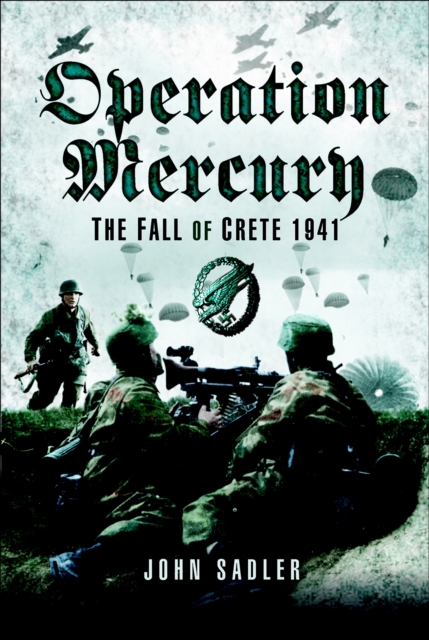
An in-depth account of the invasion of Crete by Nazi Germany during World War II, the courageous civilian resistance, and the Allies' devastating defeat.
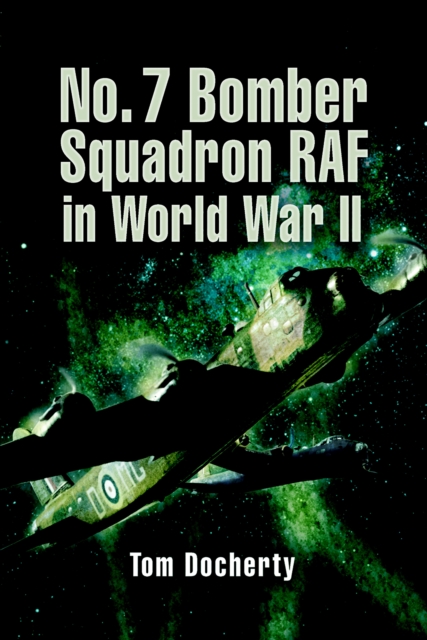
This is the story of one of the RAF's oldest and most distinguished heavy bomber squadrons in WW2, although an outline history of the unit since it was formed in WW1 and its post-war history are included.
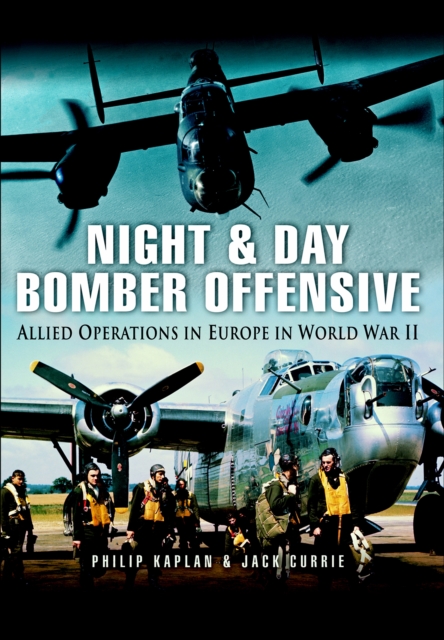
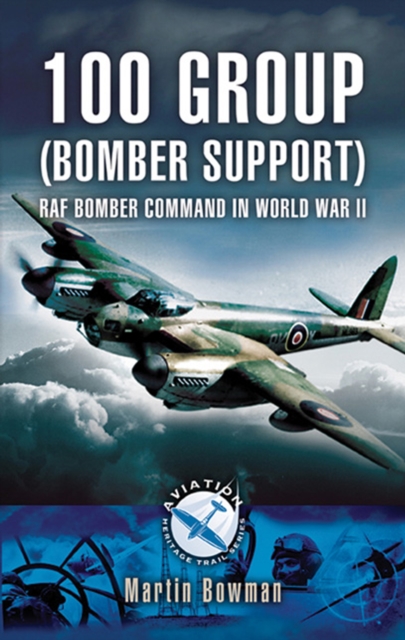
For much of World War II England provided the only western European base from which the British and American air forces could take the war into Nazi-occupied Europe and Germany itself.
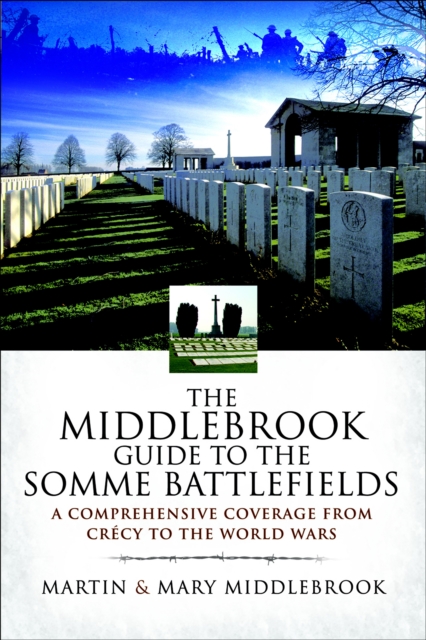
While best known as being the scene of the most terrible carnage in the WW1 the French department of the Somme has seen many other battles from Roman times to 1944.
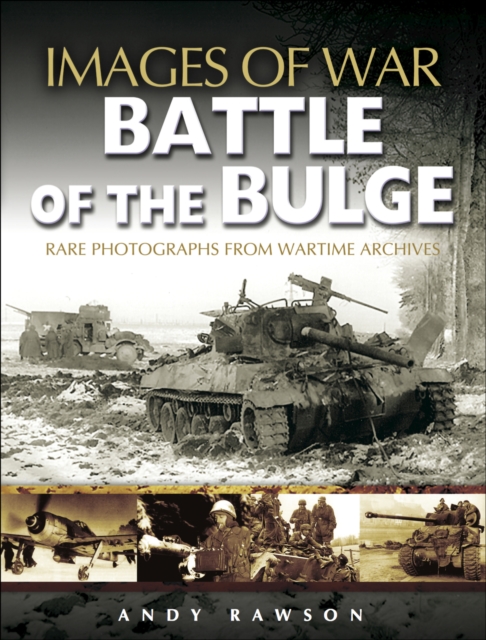
Dramatic photographs of Nazi Germany's shocking Ardennes Offensive that nearly turned the tide of World War II-from the author of In Pursuit of Hitler.
In an overdue attempt to portray the real effect of the war on life at home, David Bilton examines all the major events of the period and charts their effect on everyday life for those trying to live a normal existence.
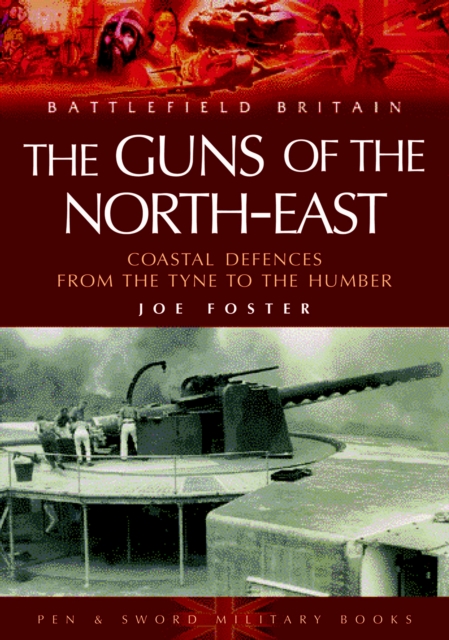
A graphic account of the defence of Hartlepool, Whitby and Scarborough against German seaborne raiders in 1914 and a detailed history the coastal defences that confronted the German navy.
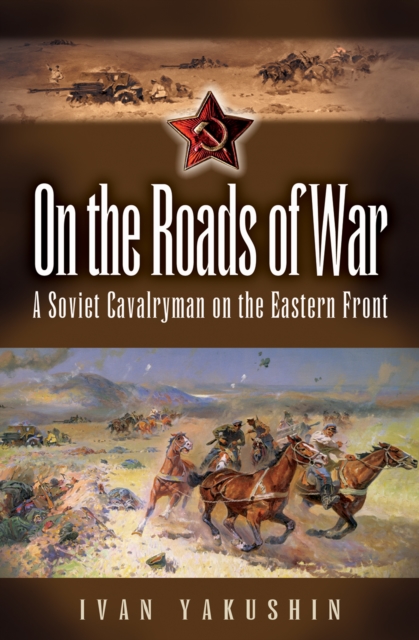
A World War II survivor describes his combat experiences as a member of the Red Army's 5th Guards Cavalry Division in the fight against the Nazi Germany.
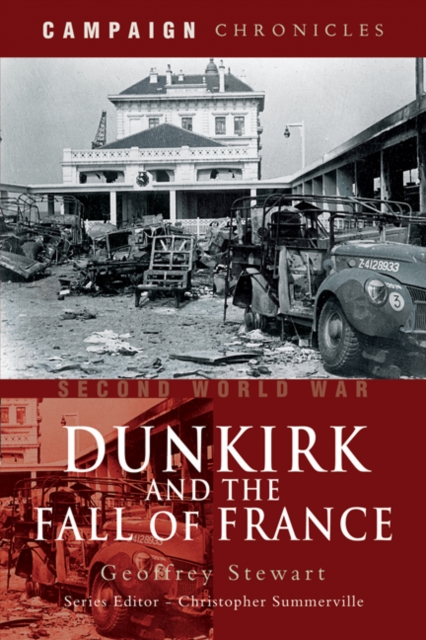
For sixty years the dramatic story of the Dunkirk evacuation and the defeat of France-the story of the German conquest of northwest Europe-has been the focus of historical study and dispute, yet myths and misconceptions about this extraordinary event persist.
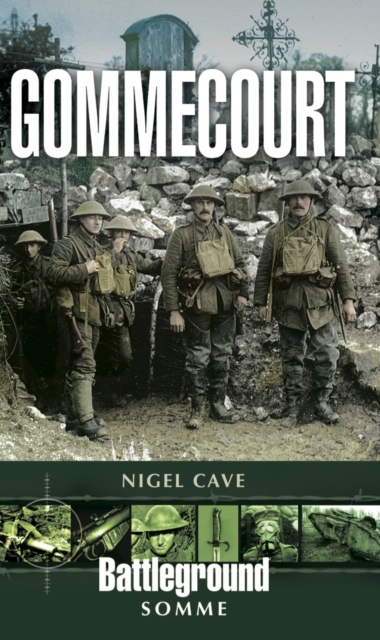
Designed to act as a diversion to the 'big push', Gommecourt was an attempt to force the Germans to commit their reserves to the front line before the main battle took place.
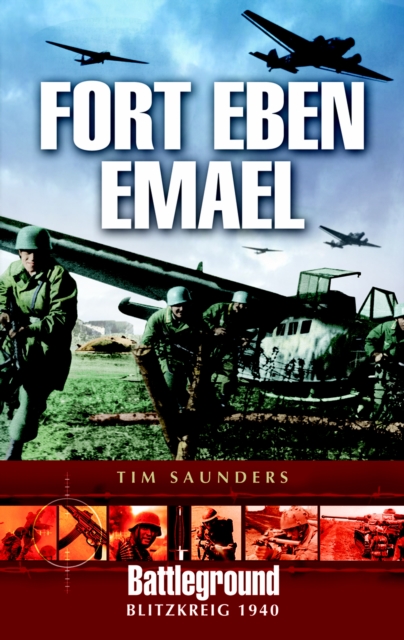
This WWII battlefield guide offers a detailed history of the Siege of Fort Eben Emael during the Nazi invasion of Belgium-with maps and photos throughout.
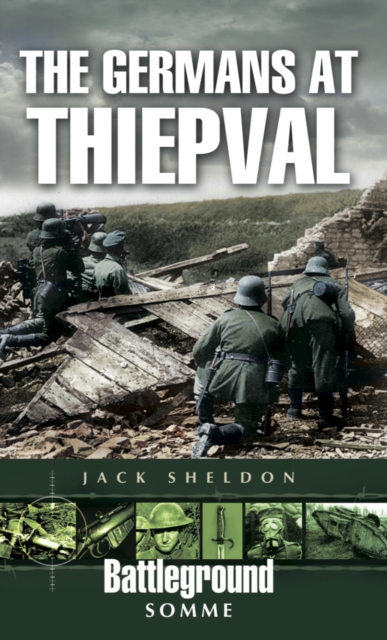
Ninety years after the Battle of the Somme was fought, visitors continue to flock in very large numbers to the massive Memorial to the Missing at Thiepval, site of a bitter three-month struggle during the summer of 1916.
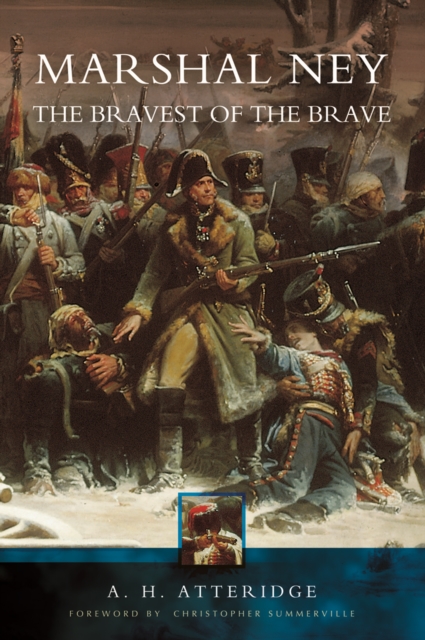
A stirring biography of the fiery marshal who led Napoleon's forces-from his swift rise to fame to his tragic fall from grace and death by firing squad.
This is a comprehensive reference to the structure, operation, aircraft and men of Fighter Command from its formation in 1936 to 1968 when it became part of Strike Command.
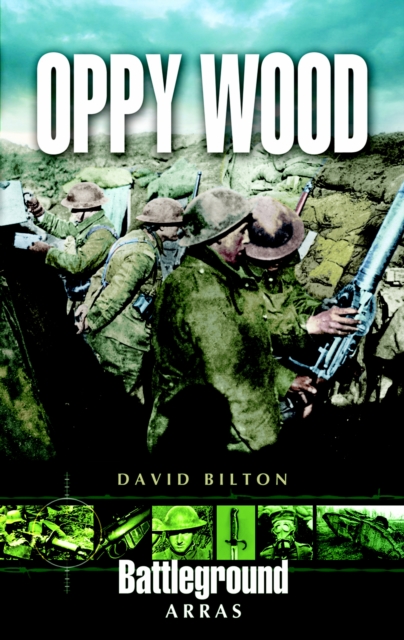
This latest book in the Battleground Europe series describes the battles over several years, and in particular 1917 and 1918, for a wood and small village.
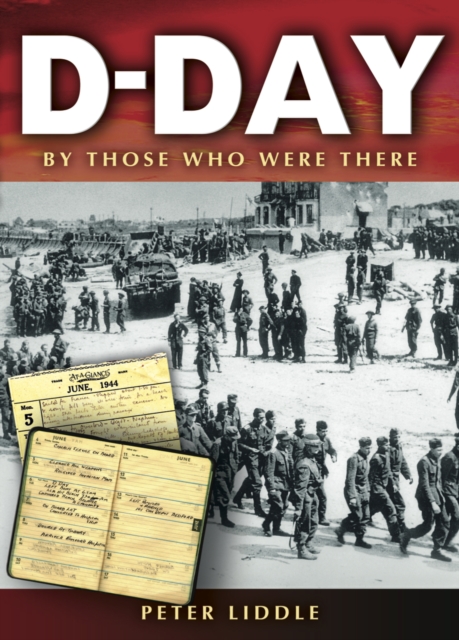
Drawing upon a new international archive of the Second World War, the support of veterans world-wide and from archives overseas, the author uses previously unpublished letters, diaries, photographs and reminiscences to tell the story of D Day in a way which brings the reader closer to the actual experience.
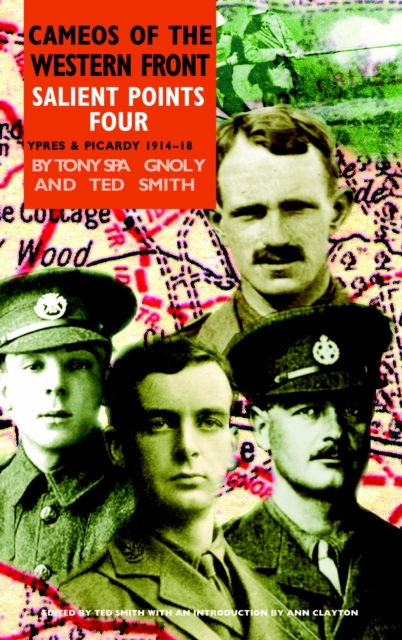
Concentrating on the Ploegsteert and Neuve Eglise sectors in Belgium, this book features stories on such well known figures as sculptor Charles Sargent Jagger, ARA ; R Poulton Palmer and 'Tanky' Turner, great friends and rugby football captains of England and Scotland respectively; as well the discovery and eventual burial of a Lancashire Fuslier who was killed in action in 1914; the research leading to the erection in 2002 of a 'Believed to be buried' headstone in the Strand cemetery of an Australian killed in action at Messines in 1917; the action in 1914 that initiated the birth of the infamous 'Birdcage' on the western edge of Ploegsteert Wood and other stories of interest to enthusiasts of the Great War.