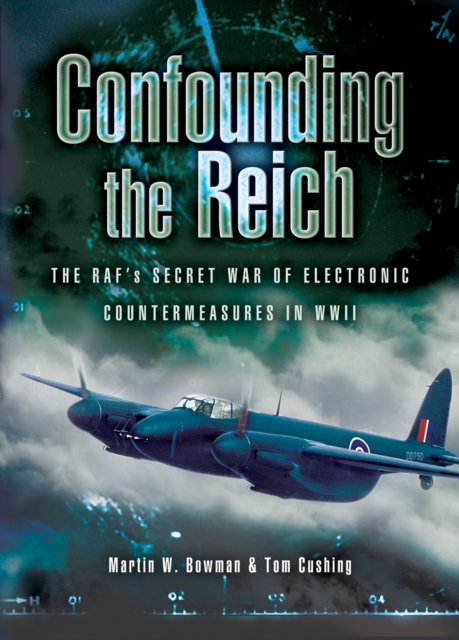
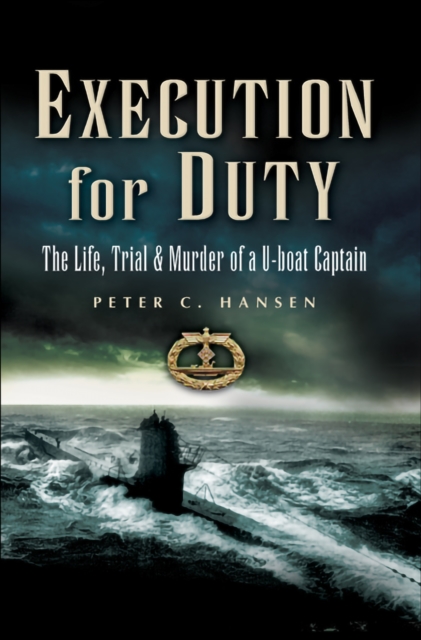
Every day for nine months from September 1944 to the end of the war, young British, Commonwealth and Norwegian airmen flew from Banff aerodrome in northern Scotland in their Mosquitoes and Beaufighters to target the German U-Boats, merchantmen and freighters plying along the coast and in the fjords and leads of southwest Norway, encountering the Luftwaffe and flakships every step of the way.
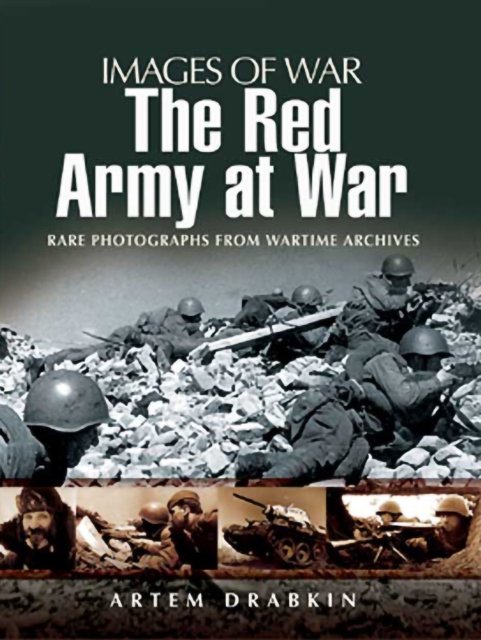
The Great Patriotic War (GPW) of the Soviet people against Nazi Germany, known in the West as the Eastern Front of WWII, continues to attract a number of military historians from different countries around the world.
The diary kept by Ronald Edward Tritton is a revealing and often frank record of the internal conflicts at the Public Relations Department of the War Office and the Ministry of Information during the Second World War.
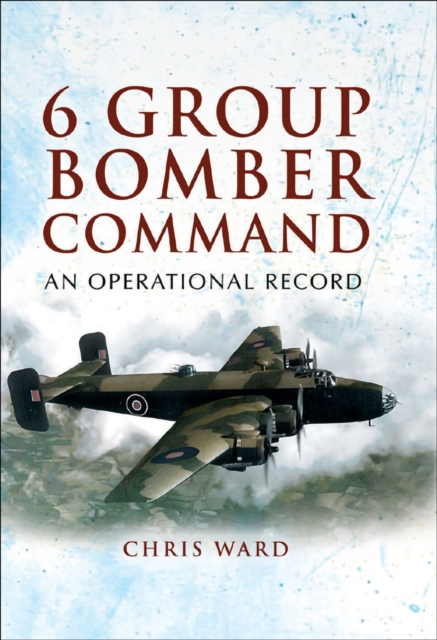
This book captures the experience of the South African Air Force helicopter pilot as never before; from 'rookie' to seasoned combat aviator in one of history's most intense counterinsurgency conflicts - the South African Border War.
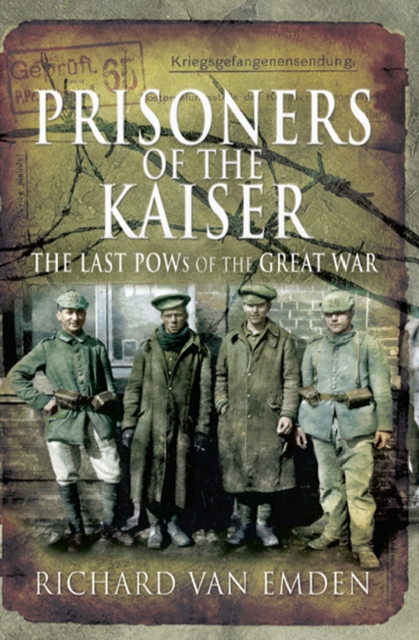
Once I Had a Comrade is the story of the author's German father-in-law, Karl Roth, who grew up during the tumultuous 1930s in the Franconian town of Schweinfurt, located in northern Bavaria, and of his regiment, 36th Panzer Regiment.
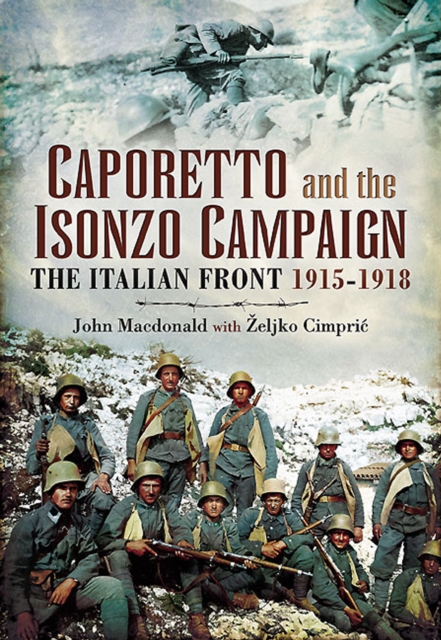
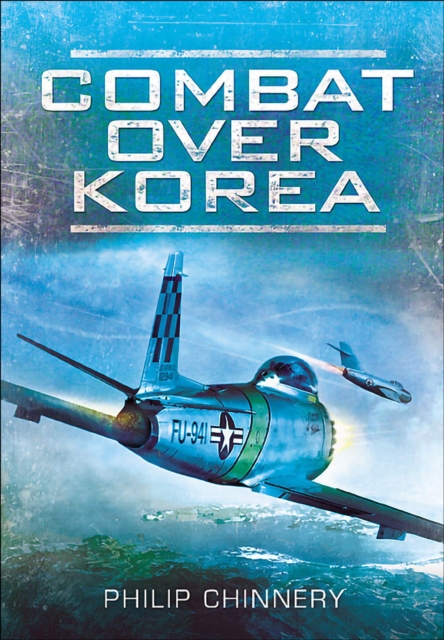
Since the publication of The Rifles Are There in 2005, which dealt with the 1st and 2nd Battalions Royal Ulster Rifles in the Second World War, it was felt by many that a follow up volume dealing with the Korean conflict was overdue.
The year of 1914 had been a difficult one for the British Expeditionary Force, the war that had started in August had not been over by the expected time of Christmas.
In the first of a two-volume study, the author presents an extremely detailed record of the Organisation, doctrine and equipment of US Army infantry divisions during the latter part of World War II.
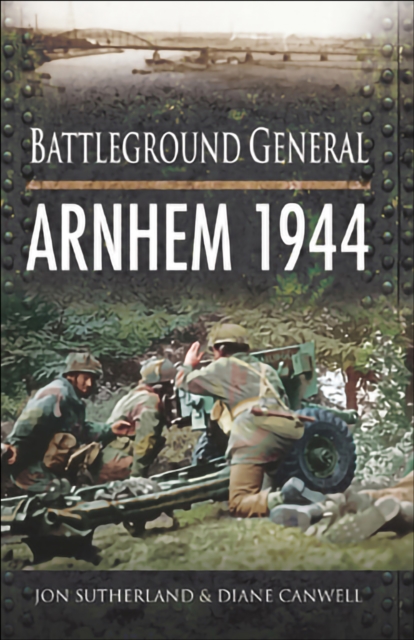
Based on the written testimonies and personal archives of two veterans of the 508th Parachute Infantry Regiment attached to the famous US 82nd Airborne Division, this book tells the story of two young Americans who unwittingly became actors in one of the greatest crusades against tyranny the world has ever known.
In the wake of the Red Army's signal victory at Stalingrad, which began when its surprise counteroffensive encircled German Sixth Army in Stalingrad region in mid-November 1942 and ended when its forces liquidated beleaguered Sixth Army in early February 1943, the Soviet High Command (Stavka) expanded its counteroffensive into a full-fledged winter offensive which nearly collapsed German defenses in southern Russia.
The British are well known for their unique sense of humour - for the ability to see the funny side even in the most dire situation - and it was that humour that helped the nation through the dark days of the Second World War.
Told largely in the words of people who lived through this extraordinary time, The Forties: GoodTimes Just Around the Corner is a vividly remembered account of the most important decade of the twentieth century.
Women at War captures the reality of women at war in their own words, examining the enormously important part that women played in the major wars of the twentieth century.
Faced with infectious diseases, starvation, lack of medicines, lack of clean water, and safe sewage, Jewish physicians practiced medicine under severe conditions in the ghettos and concentration camps of the Holocaust.
When studying the origins of the First World War, scholars have relied heavily on the series of key diplomatic documents published by the governments of both the defeated and the victorious powers in the 1920s and 1930s.
Nazi "e;justice"e; following the attempt on Hitler's life on 20 July 1944 led not only to the brutal execution of scores of conspirators, but also dramatically changed the lives of their families.
Between 1939 and 1945, some 80,000 Finnish children were sent to Sweden, Denmark, and elsewhere, ostensibly to protect them from danger while their nation s soldiers fought superior Soviet and German forces.
France's response to the rise of European fascism during the 1930s, and subsequently to the Nazi occupation 1940-44, has been a difficult subject for the nation s historians.
During the fifty years since the end of hostilities, European literary memories of the war have undergone considerable change, influenced by the personal experiences of writers as well as changing political, social, and cultural factors.
During the past decade, the role of Germany's economic elites under Hitler has once again moved into the limelight of historical research and public debate.
During World War II, London was transformed into a European city, as it unexpectedly became a place of refuge for many thousands of European citizens who through choice or the accidents of war found themselves seeking refuge in Britain from the military campaigns on the Continent of Europe.
Bohemia and Moravia, today part of the Czech Republic, was the first territory with a majority of non-German speakers occupied by Hitler s Third Reich on the eve of the World War II.
Eastern European museums represent traumatic events of World War II, such as the Siege of Leningrad, the Warsaw Uprisings, and the Bombardment of Dresden, in ways that depict the enemy in particular ways.
In the English-speaking world the Great War maintains a tenacious grip on the public imagination, and also continues to draw historians to an event which has been interpreted variously as a symbol of modernity, the midwife to the twentieth century and an agent of social change.
In its totality, the Long Second World War extending from the beginning of the Spanish Civil War to the end of hostilities in 1945 has exerted enormous influence over European culture.
World War II was the greatest conflict in human history, involving over 100 million people serving in the forces of the Axis and the Allies and resulting in 50 to 70 million deaths.
Presenting the Allied and German experience of war - both military and on a personal level - Victory on the Western Front is an immensely readable, visually striking account of the pivotal final stages of World War I, when two very different concepts went head-to-head on the battlefield.
World War II in Photographs is an innovative visual account of the major events of the greatest conflict of the twentieth century, the Second World War.
Perhaps it was Adolf Hitler's implacable hatred of Soviet dictator Joseph Stalin that compelled the Fu*hrer to order the taking, whatever the cost, of the city that bore his enemy's name.
On the night of 28 March 1942 the Royal Navy and British commandos assaulted the German-held French Atlantic port of Saint-Nazaire in one of the most audacious raids of the Second World War.