Norwich, in common with most English cities, suffered enemy air attack and during a period of almost three and a half years bombs were dropped in every part of the city.
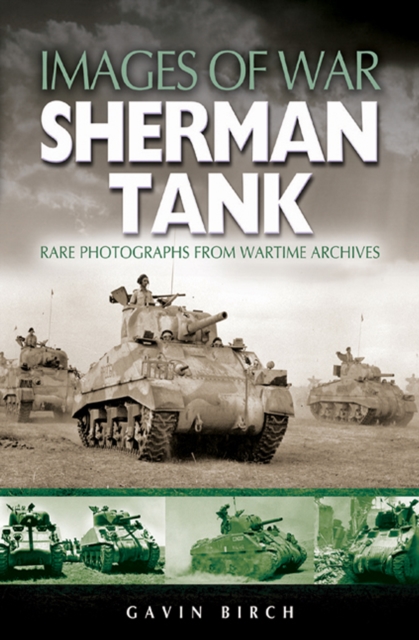
A brilliant and prolific collection of rare photographs celebrating the war-winning qualities of arguably the most important tank of the Second World War.
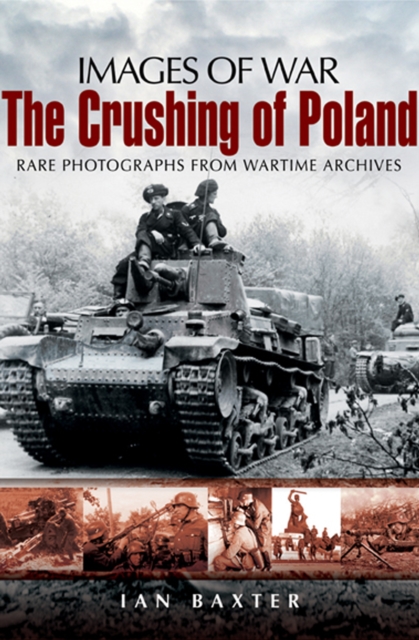
The author of the bestselling Panzer IV at War delivers a highly illustrated look at "e;a key element in the German Blitzkrieg"e; during the Second World War (HistoryOfWar.
"e;German Guns of the Third Reich is an illustrated record of German light and heavy artillery, heavy mortars, anti-tank and anti-aircraft guns at war.
In this companion volume to British Tanks: The Second World War, Pat Ware provides an expert introduction to the design, production and operation of British tanks since 1945.
Perhaps the British did not produce the most successful tanks of the Second World War, but they certainly designed an extraordinary range of light, medium and heavy tanks along with many that were adapted for special purposes.
"e;The greatest tank battle in world history, known as Operation CITADEL, opened during the early hours of 5 July 1943, and its outcome was to decide the eventual outcome of the war on the Eastern Front.
The North African campaign, the struggle of the Italians and Germans against the Allies in Egypt, Libya and Tunisia between 1940 and 1943, was a war of movement and maneuver, of dramatic changes of fortune, and it was a war in which mechanized forces-tanks in particular-excelled.
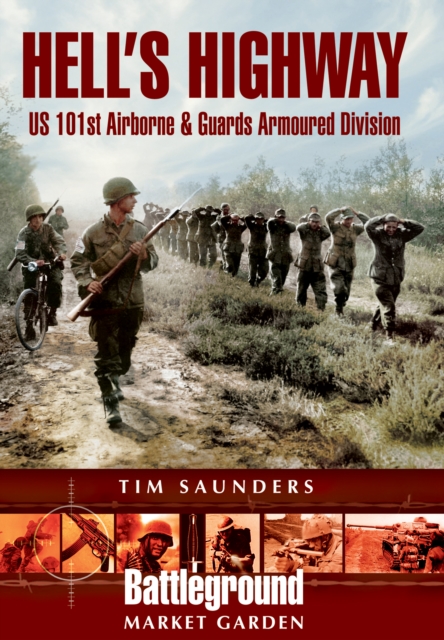
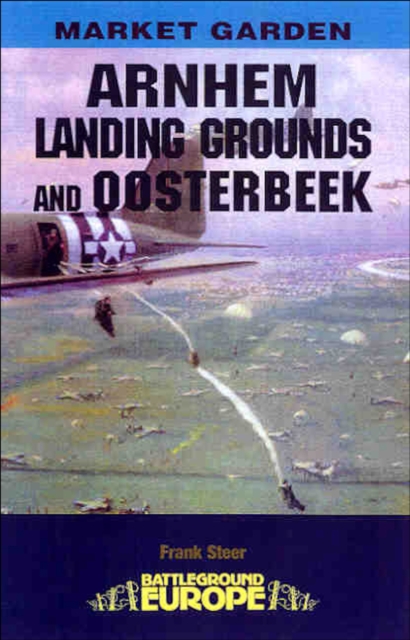
Having fought their way up fifty miles of Hell's Highway and through Nijmegen, XXX Corps was just ten miles from Arnhem and the 1st British Airborne Division.
When German General Rommel and the lead elements of what would become the Afrika Korps landed in Libya in February 1941, nobody could have foreseen the legendary status they would achieve.
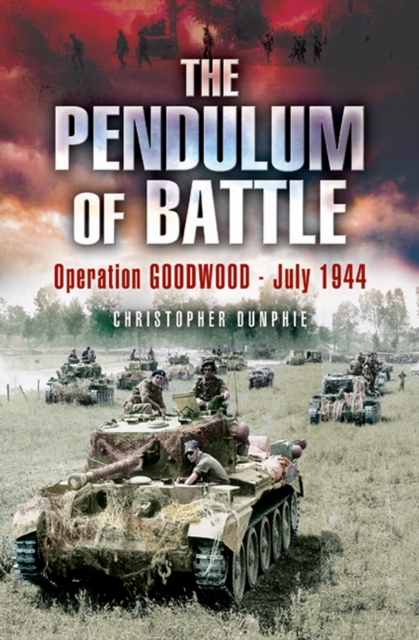
An account of the World War II clash between British and German forces, "e;the largest tank battle involving British armor ever fought"e; (MQ Magazine).
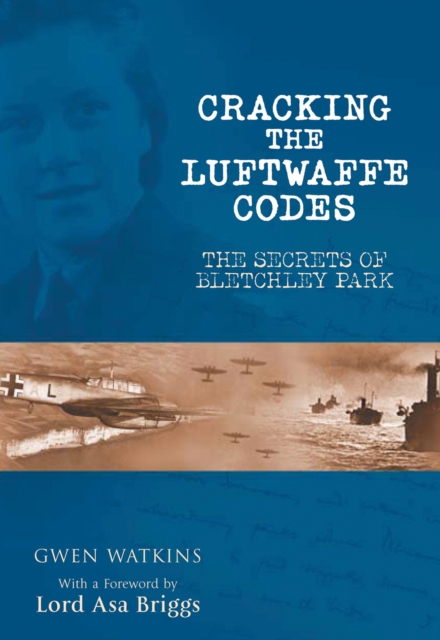
An intriguing page-turning and personal account of that most secretive of wartime institutions, Bletchley Park, and of the often eccentric people who helped to win the war Beryl BainbridgeBletchley Park, or 'Station X', was home to the most famous code breakers of the Second World War.
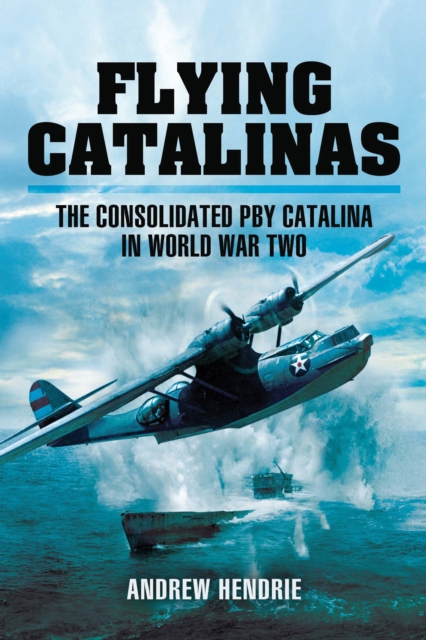
The consolidated PBY Catalina was probably the most versatile and successful flying boat/amphibian ever built, serving not just with the US Army, Navy and Coast Guard during the Second World War, but also with the air forces of Britain, Canada, Australia and New Zealand, with the Danes, Free French and Norwegians as well as in Brazil, Chile, Indonesia and elsewhere.
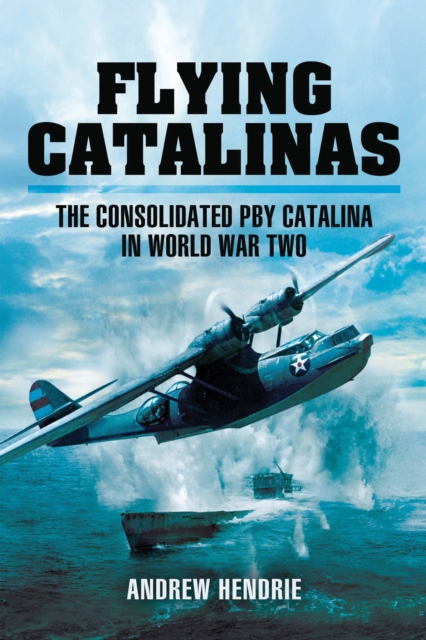
The consolidated PBY Catalina was probably the most versatile and successful flying boat/amphibian ever built, serving not just with the US Army, Navy and Coast Guard during the Second World War, but also with the air forces of Britain, Canada, Australia and New Zealand, with the Danes, Free French and Norwegians as well as in Brazil, Chile, Indonesia and elsewhere.
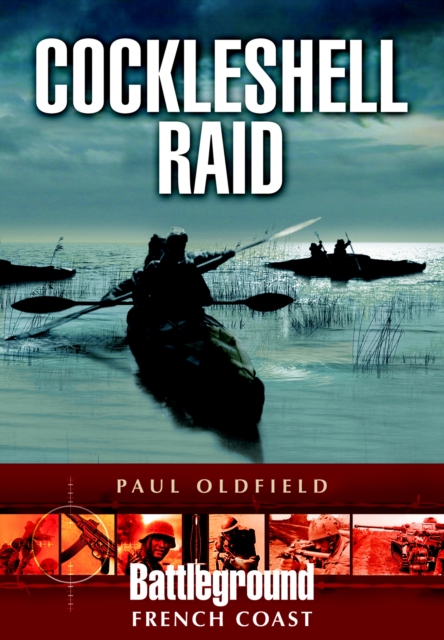
Operation Frankton is a story of how a handful of determined and resourceful men, using flimsy canoes, achieved what thousands could not by conventional means.
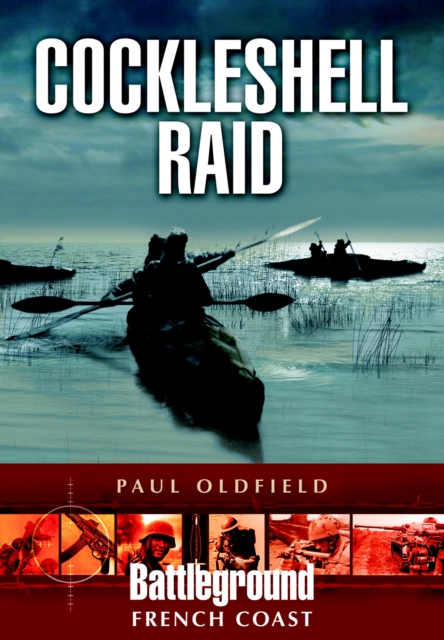
Operation Frankton is a story of how a handful of determined and resourceful men, using flimsy canoes, achieved what thousands could not by conventional means.
"e;This is the memoir of a 26 year career in the RAF, told with humor and modesty that belies the danger of flying over 47 different types of military aircraft in war and peace.
Made up entirely of volunteer civil servants and their friends and despite the Government's reluctance to release them, the Prince of Wales' Own Civil Service Rifles fought with distinction at Loos, the Somme, Messines, Cambrai, Salonika and Palestine.
Originally designed in 1934 for anti-submarine training, by the end of the war 72 U-Class subs had been commissioned; 17 were lost to the enemy, and 3 in accidents.
Many of the 617 Squadron crews who took part in the famous attacks on the Mohne, Eder and Sorpe Dams and also the raids on the Dortmund-Ems Canal did not return.