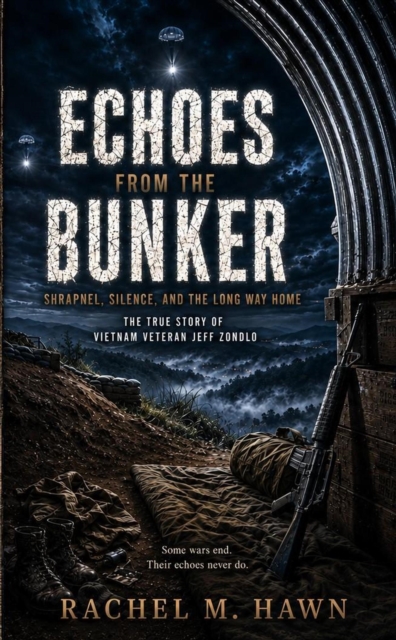
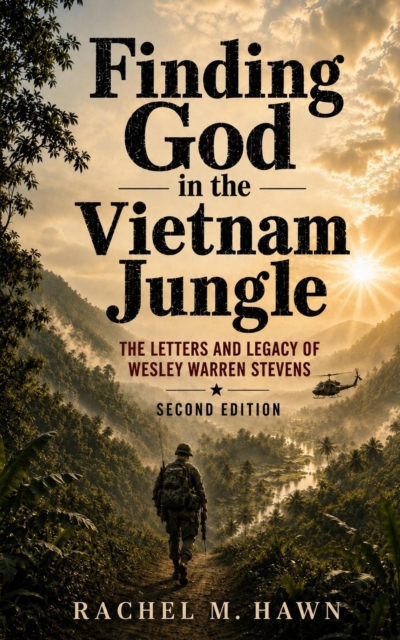
By the late 1960s, what had been widely heralded as the best qualified, best-trained army in US history was descending into crisis as the Vietnam War raged without end.
By the late 1960s, what had been widely heralded as the best qualified, best-trained army in US history was descending into crisis as the Vietnam War raged without end.
This monograph explores British Conflict Related Metal Boxes (CRMBs) and the memories they contain that come directly from, or are influenced by, the First World War.
This monograph explores British Conflict Related Metal Boxes (CRMBs) and the memories they contain that come directly from, or are influenced by, the First World War.
From string-and-canvas deathtraps to sleek metal machines relive the dawn of British aviation'Gripping, exuberant, racy and deeply researched, here is the amazing tale of the flying machines.
An "e;exciting and informative"e; account of the Civil War battle that opened the 1864 Shenandoah Valley Campaign, with illustrations included (Lone Star Book Review).
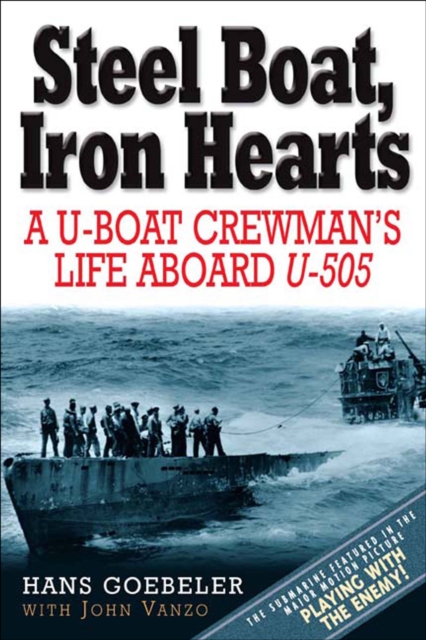
"e;A fascinating look into the experiences of the men of an elite armored unit that fought on the Eastern Front, written essentially in their own words.
Cet ouvrage part du postulat que le degre d'effervescence memorielle est proportionnel au degre de violence subie dans le passe ou de silence impose et percu comme une injustice non reparee.
The centenary of the Great War"e; not only inspired the memory on this "e;great seminal catastrophe of this century"e;, but has also reopened the question of its interpretation and description.
The centenary of the Great War"e; not only inspired the memory on this "e;great seminal catastrophe of this century"e;, but has also reopened the question of its interpretation and description.
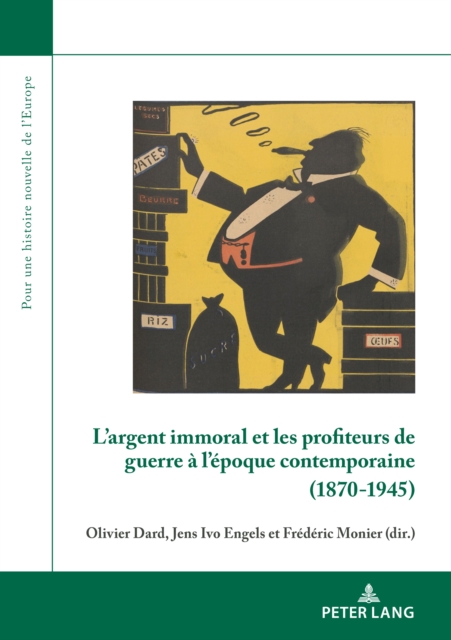
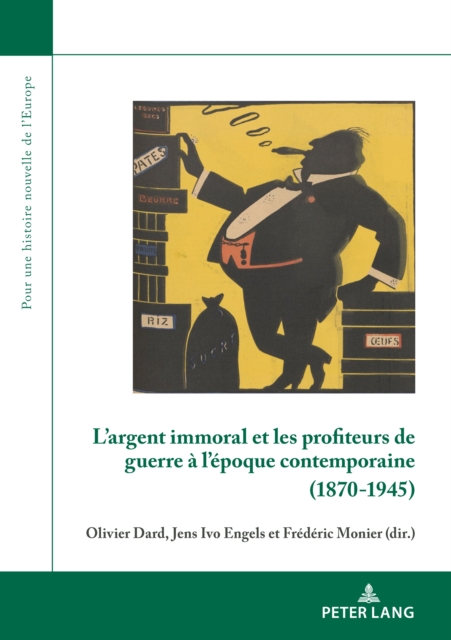
Soucieux d'une chronologie large (1870-1945) comme d'une perspective europeenne (Allemagne, Espagne, France, Italie, Norvege) et partiellement transatlantique (Canada) ce volume reunissant 16 contributions de chercheuses et chercheurs est issu d'un colloque international tenu en 2018 a la Maison de la recherche de Sorbonne Universite.
Soucieux d'une chronologie large (1870-1945) comme d'une perspective europeenne (Allemagne, Espagne, France, Italie, Norvege) et partiellement transatlantique (Canada) ce volume reunissant 16 contributions de chercheuses et chercheurs est issu d'un colloque international tenu en 2018 a la Maison de la recherche de Sorbonne Universite.
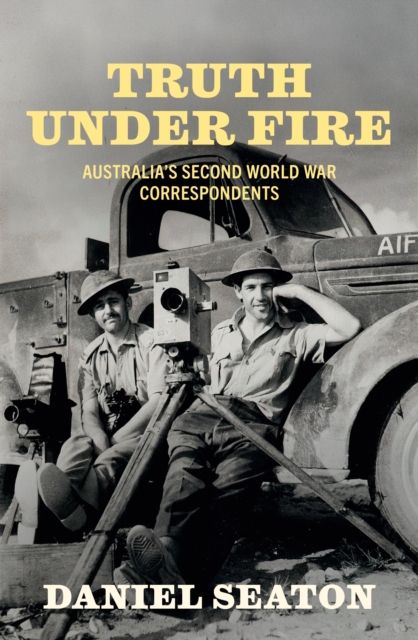
The story of six remarkable men who shaped the way Australians witnessed and remember warThis is a biography of six of Australia s most notable Second World War correspondents, who were also significant cultural figures: Kenneth Slessor, Damien Parer, Chester Wilmot, George Johnston, Osmar White and George Silk.
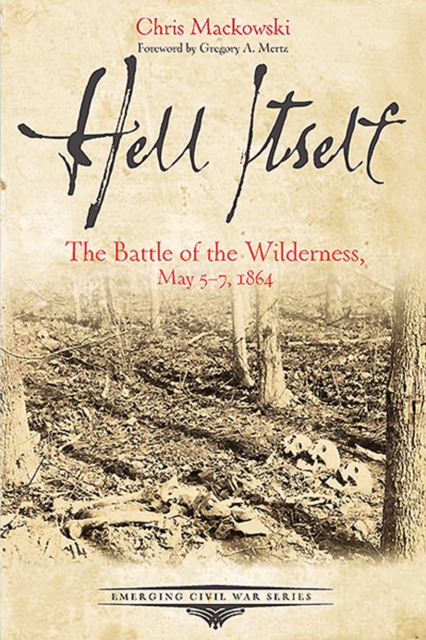
This Civil War history and guide offers a vivid chronicle of this dramatic yet misunderstood battle, plus invaluable information for battlefield visitors.
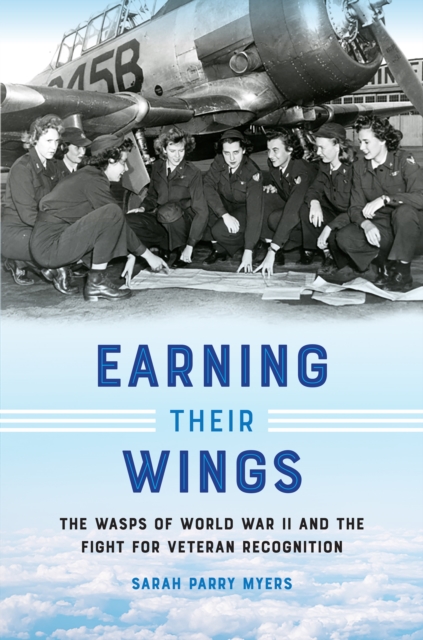
Established by the Army Air Force in 1943, the Womens Airforce Service Pilots (WASP) program opened to civilian women with a pilots license who could afford to pay for their own transportation, training, and uniforms.
Established by the Army Air Force in 1943, the Womens Airforce Service Pilots (WASP) program opened to civilian women with a pilots license who could afford to pay for their own transportation, training, and uniforms.
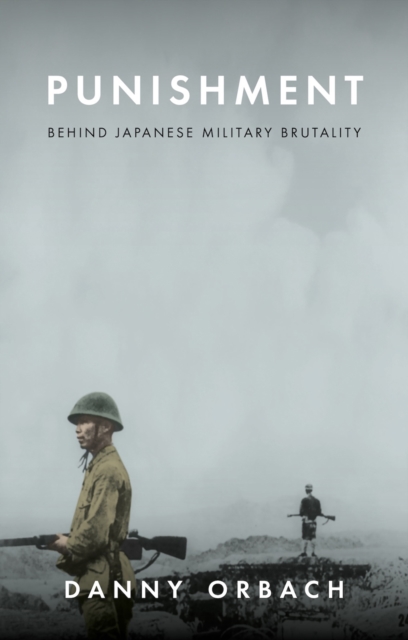
A chilling exploration of how Imperial Japan framed war as justiceand how that moral logic helped unleash extraordinary brutality across Asia and the Pacific.
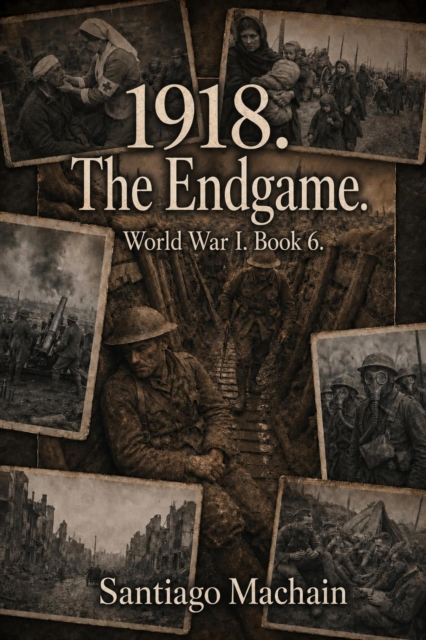
1918: The Endgame follows the dramatic final year of the First World War, when exhausted empires, collapsing armies, revolutions, and desperate offensives pushed the conflict toward its devastating conclusion.
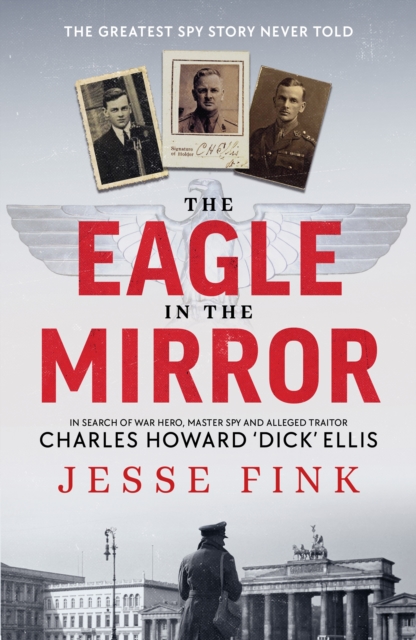
Part biography, part forensic jigsaw puzzle, part cold-case detective investigation, The Eagle in the Mirror is the story of Charles Howard 'Dick' Ellis.