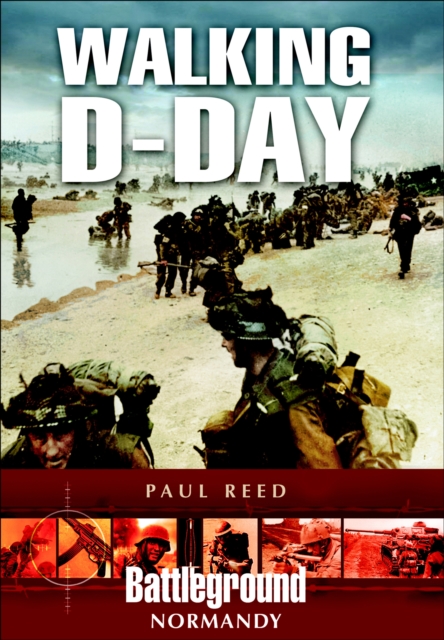
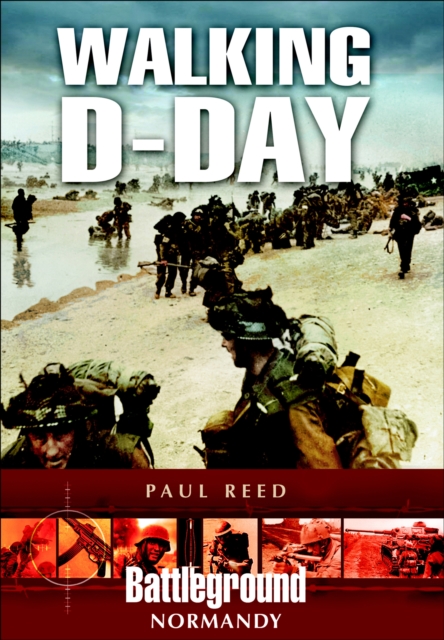
This WWII battlefield guide offers twelve walking tours covering all the major sites of the D-Day landings in Normandy with in-depth historical context.
This WWII battlefield guide offers twelve walking tours covering all the major sites of the D-Day landings in Normandy with in-depth historical context.
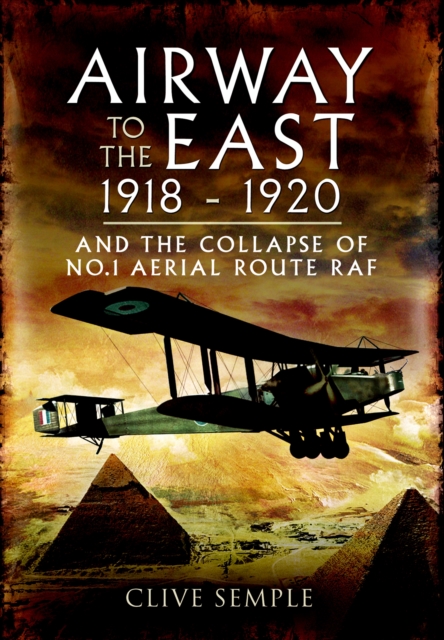
The origins of what became officially known as No 1 Aerial Route lay in the newly formed Royal Air Forces desire to move several squadrons of the then recently designed first heavy bomber to enter service the Handley Page O/400, to the war in the Middle-East.
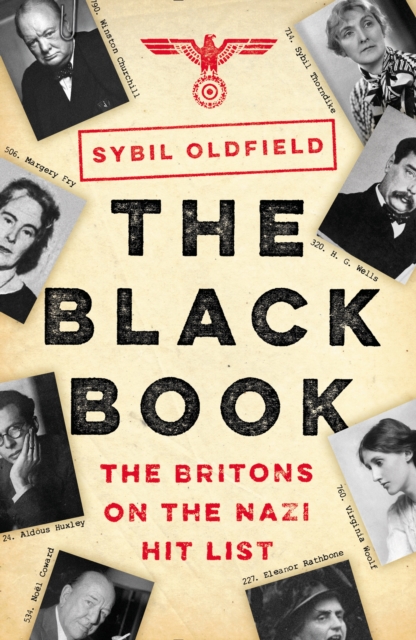
'Oldfield's thoroughly researched and fascinating historical biography explores the lives of many of the 2,600 citizens who attracted Hitler's ire, ranging from high-profile entertainers and writers to those naturalised refugees who doggedly resisted the Nazis from afar' - ObserverIn 1939, the Gestapo created a list of names: the Britons whose removal would be the Nazis' priority in the event of a successful invasion.
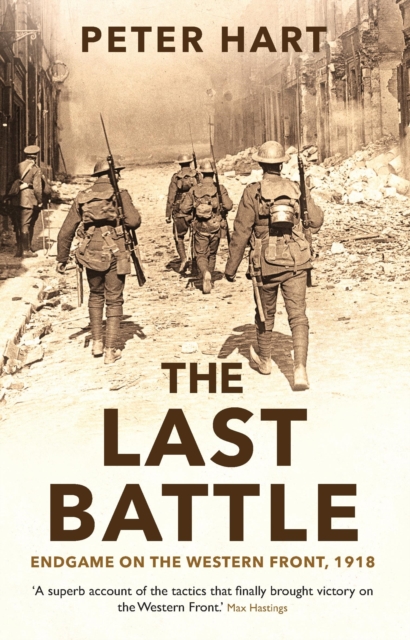
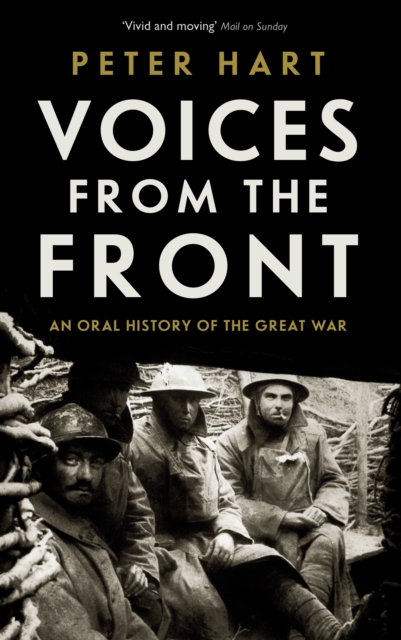
Every man who served in the Great War is now deceased, but they have left behind them an enormous collection of oral history, which captures the authentic voices of the front line soldiers.
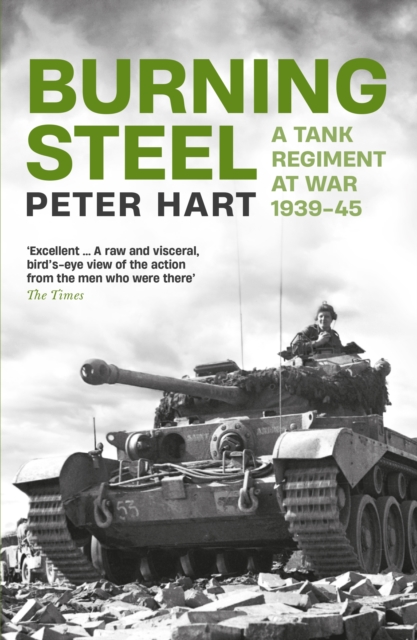
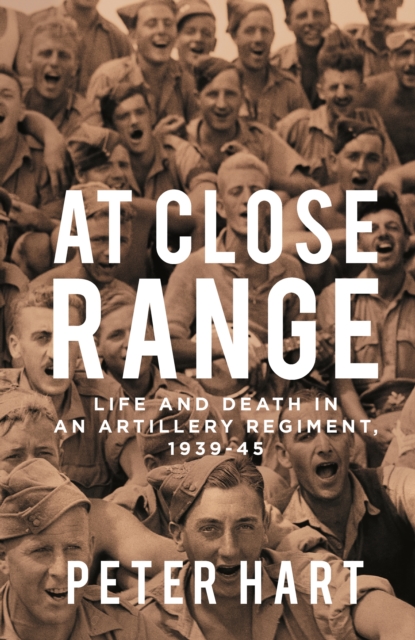
WINNER OF THE MILITARY HISTORY MATTERS AWARD 'Hart is a historian and author at the peak of his powers' Richard van EmdenThe best way to understand what it was like to fight in the Second World War is to see it through the eyes of the soldiers who fought it.
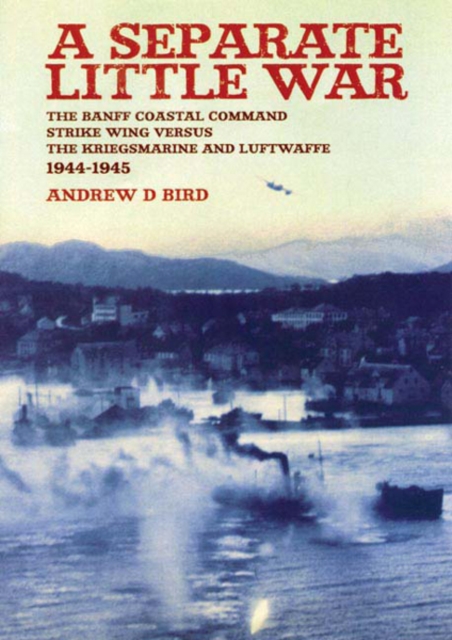
Every day for nine months from September 1944 to the end of the war, young British, Commonwealth and Norwegian airmen flew from Banff aerodrome in northern Scotland in their Mosquitoes and Beaufighters to target the German U-Boats, merchantmen and freighters plying along the coast and in the fjords and leads of southwest Norway, encountering the Luftwaffe and flakships every step of the way.
The Great Patriotic War (GPW) of the Soviet people against Nazi Germany, known in the West as the Eastern Front of WWII, continues to attract a number of military historians from different countries around the world.
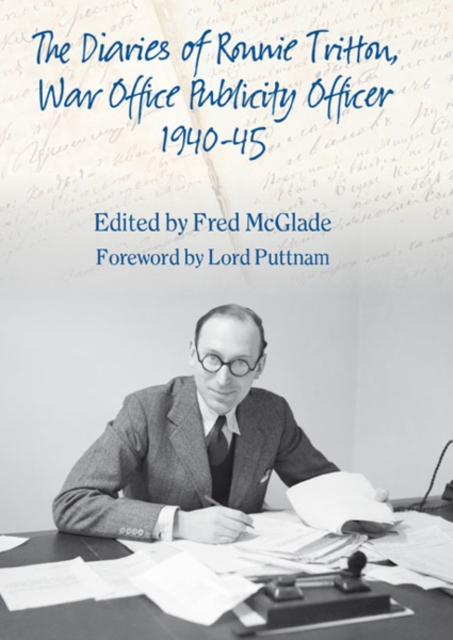
The diary kept by Ronald Edward Tritton is a revealing and often frank record of the internal conflicts at the Public Relations Department of the War Office and the Ministry of Information during the Second World War.
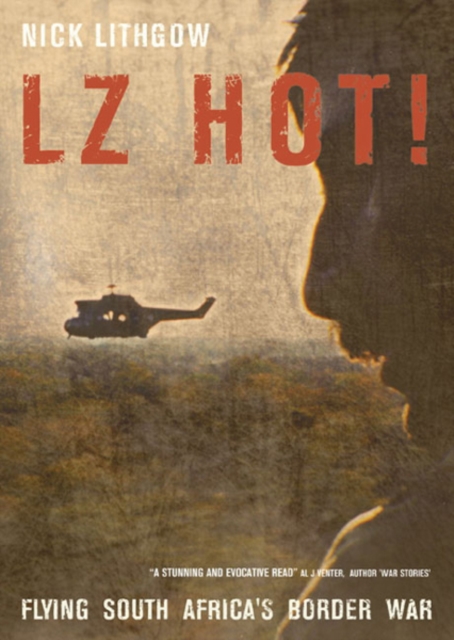
This book captures the experience of the South African Air Force helicopter pilot as never before; from 'rookie' to seasoned combat aviator in one of history's most intense counterinsurgency conflicts - the South African Border War.
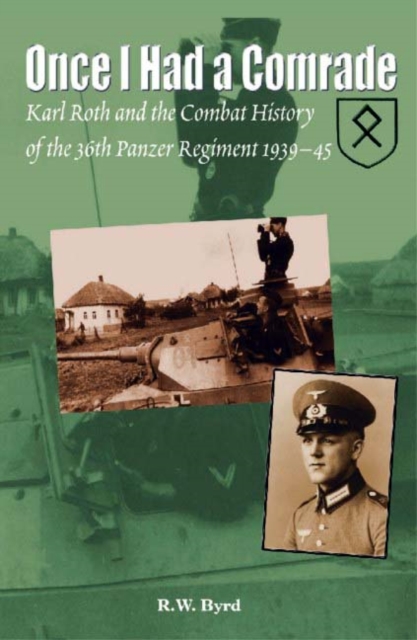
Once I Had a Comrade is the story of the author's German father-in-law, Karl Roth, who grew up during the tumultuous 1930s in the Franconian town of Schweinfurt, located in northern Bavaria, and of his regiment, 36th Panzer Regiment.
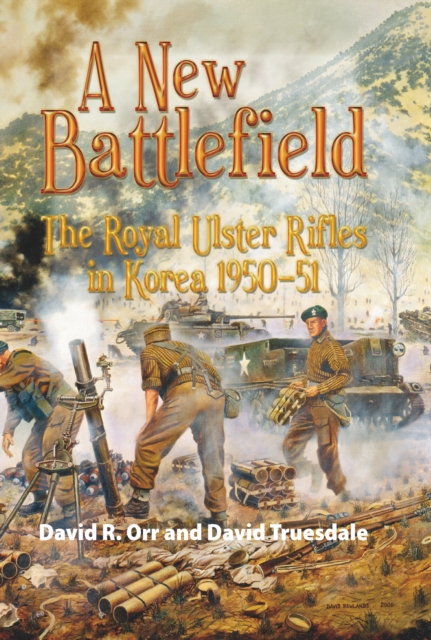
Since the publication of The Rifles Are There in 2005, which dealt with the 1st and 2nd Battalions Royal Ulster Rifles in the Second World War, it was felt by many that a follow up volume dealing with the Korean conflict was overdue.
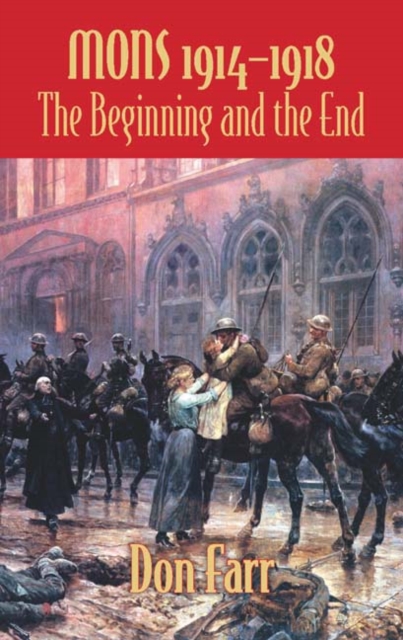
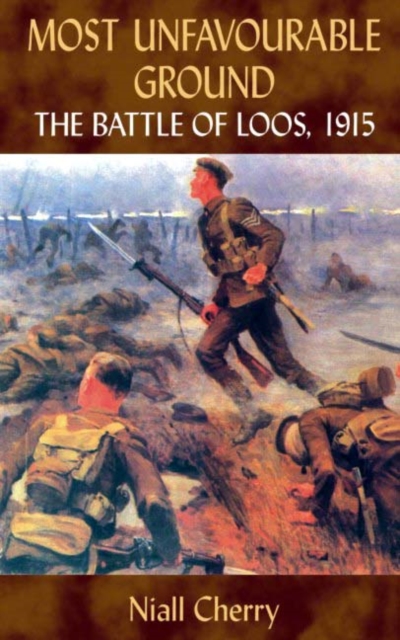
The year of 1914 had been a difficult one for the British Expeditionary Force, the war that had started in August had not been over by the expected time of Christmas.
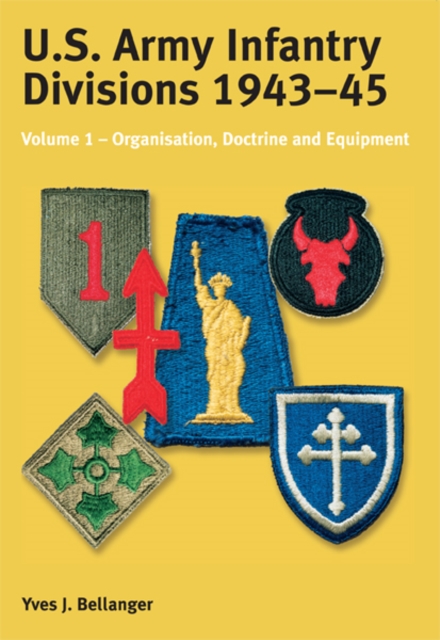
In the first of a two-volume study, the author presents an extremely detailed record of the Organisation, doctrine and equipment of US Army infantry divisions during the latter part of World War II.
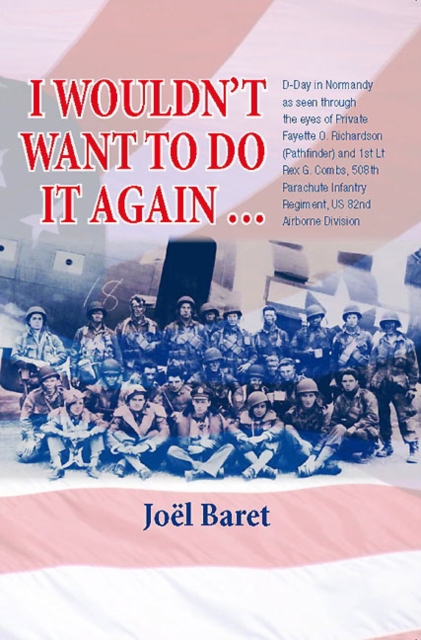
Based on the written testimonies and personal archives of two veterans of the 508th Parachute Infantry Regiment attached to the famous US 82nd Airborne Division, this book tells the story of two young Americans who unwittingly became actors in one of the greatest crusades against tyranny the world has ever known.
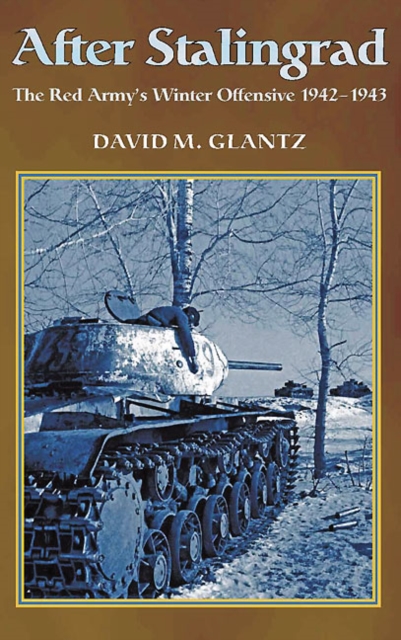
In the wake of the Red Army's signal victory at Stalingrad, which began when its surprise counteroffensive encircled German Sixth Army in Stalingrad region in mid-November 1942 and ended when its forces liquidated beleaguered Sixth Army in early February 1943, the Soviet High Command (Stavka) expanded its counteroffensive into a full-fledged winter offensive which nearly collapsed German defenses in southern Russia.
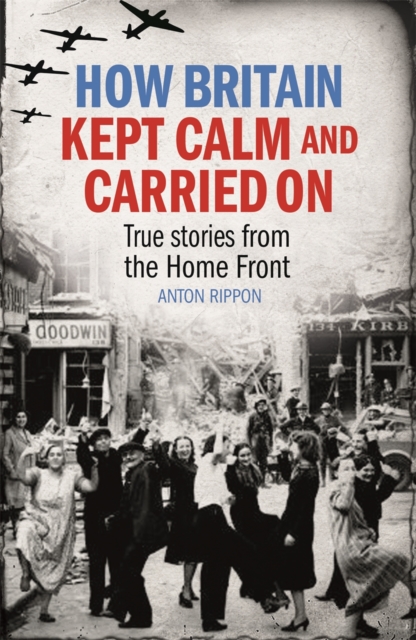
The British are well known for their unique sense of humour - for the ability to see the funny side even in the most dire situation - and it was that humour that helped the nation through the dark days of the Second World War.
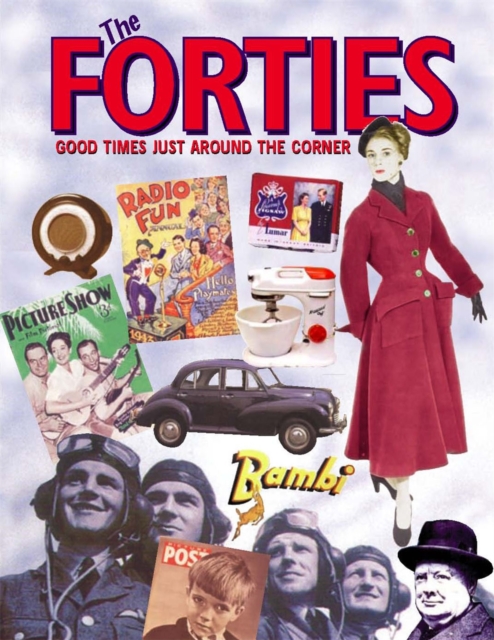
Told largely in the words of people who lived through this extraordinary time, The Forties: GoodTimes Just Around the Corner is a vividly remembered account of the most important decade of the twentieth century.
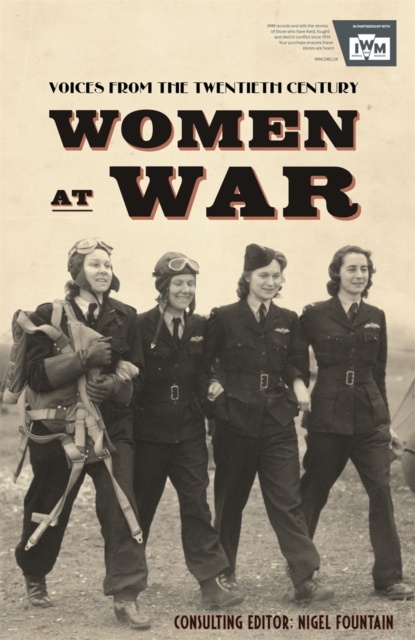
Women at War captures the reality of women at war in their own words, examining the enormously important part that women played in the major wars of the twentieth century.
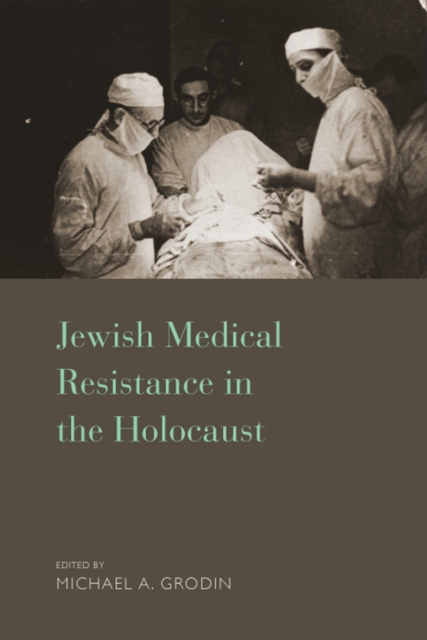
Faced with infectious diseases, starvation, lack of medicines, lack of clean water, and safe sewage, Jewish physicians practiced medicine under severe conditions in the ghettos and concentration camps of the Holocaust.
When studying the origins of the First World War, scholars have relied heavily on the series of key diplomatic documents published by the governments of both the defeated and the victorious powers in the 1920s and 1930s.