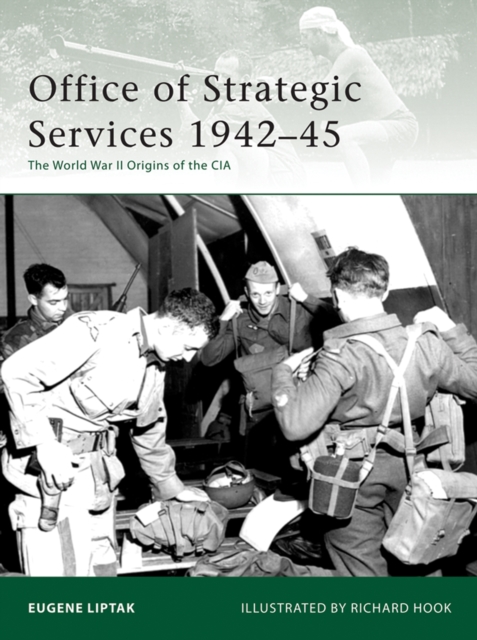
The Office of Strategic Services, the forerunner of the CIA, was founded in 1942 by William 'Wild Bill' Donovan under the direction of President Roosevelt.
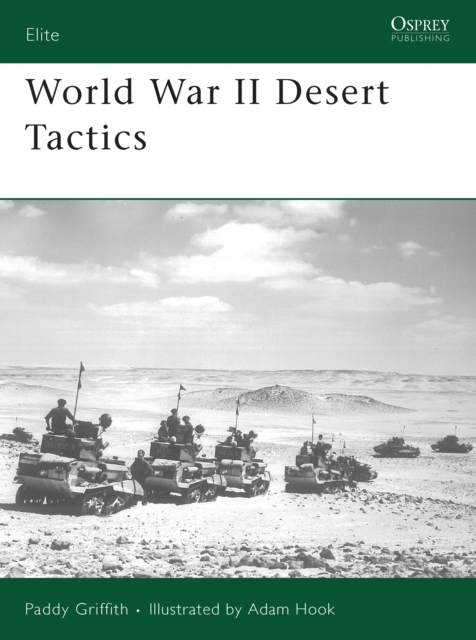
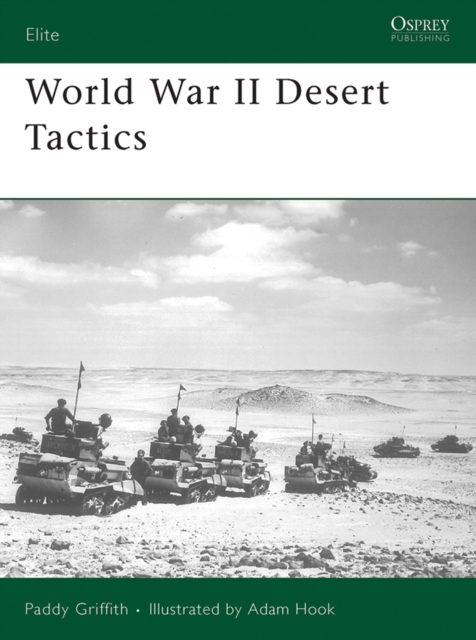
A fascinating insight into the dangers and difficulties of operating within the desert terrain From 1940 to 1943 North Africa saw the first major desert campaign by modern mechanised armies.
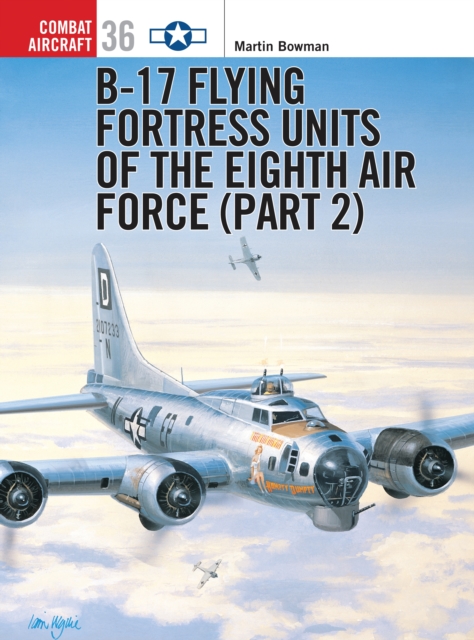
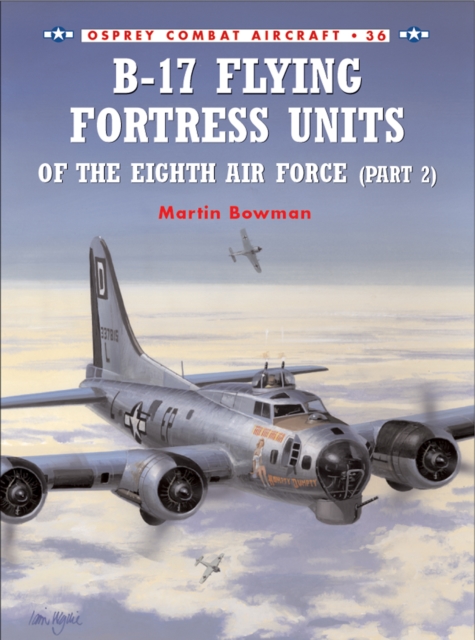
The Boeing B-17, which has come to epitomise the American war effort in Europe, took the fight to Germans from the late summer of 1942 through to VE-Day.
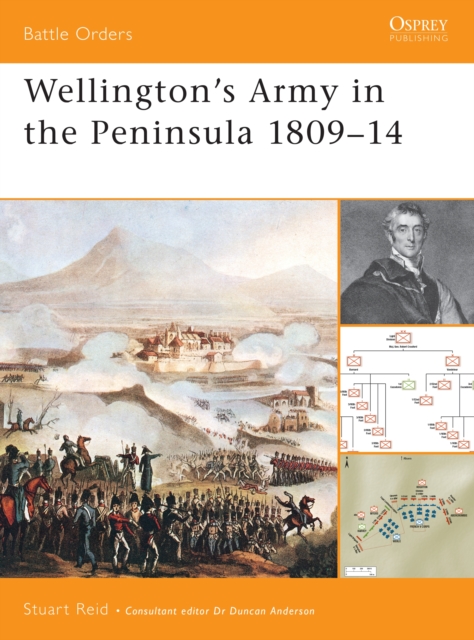
This highly detailed study provides a clear account of how the British Army was organised, who commanded it, and how it functioned in the field during the Peninsular War.
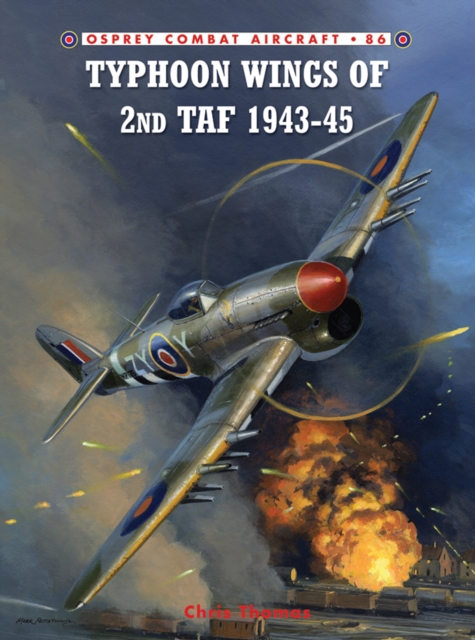
In this book, aviation expert Chris Thomas - inspired to research Typhoons by his own father, who flew numerous raids in a Typhoon during World War 2 - extols the great importance of the Typhoon wings in the ultimate Allied victory in Europe.
A fascinating insight into the dangers and difficulties of operating within the desert terrain From 1940 to 1943 North Africa saw the first major desert campaign by modern mechanised armies.
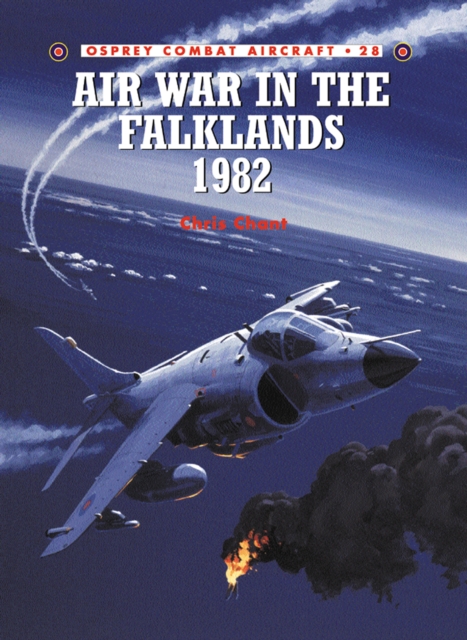
The war fought between the United Kingdom and Argentina in 1982, for the possession of the Falkland Islands, was probably the last 'colonial' war that will ever be undertaken by the British.
A fascinating and action-packed look at the highest scoring unit within the CBI theatre telling the story of the colourful characters who fought a difficult guerrilla war against the Japanese.
The Boeing B-17, which has come to epitomise the American war effort in Europe, took the fight to Germans from the late summer of 1942 through to VE-Day.
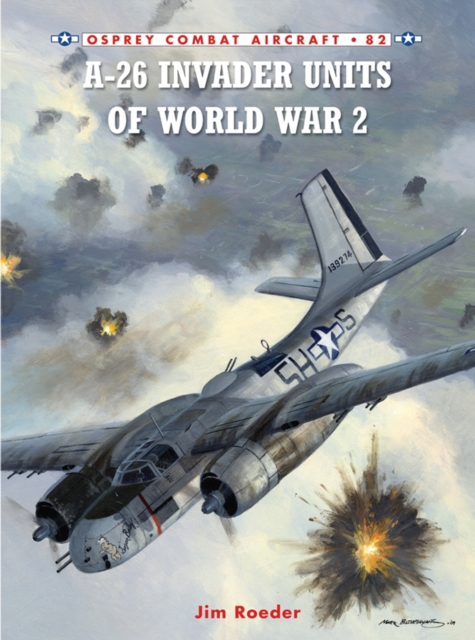
Designed to combine the bombing capability of the B-26 Marauder with the versatility of the ground-attack A-20 Havoc, the A-26 Invader would become the USAAF's attack bomber par excellence.
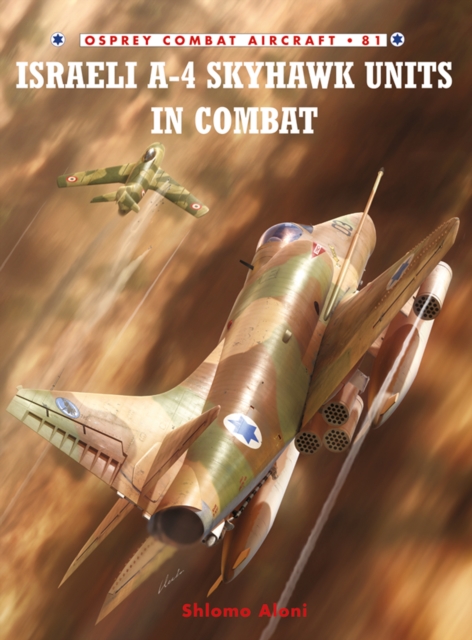
An illustrated combat history of the A-4 Skyhawk, which flew numerous attack missions in Israeli service and initiated the Israeli Air Force's transition from French to US aircraft.
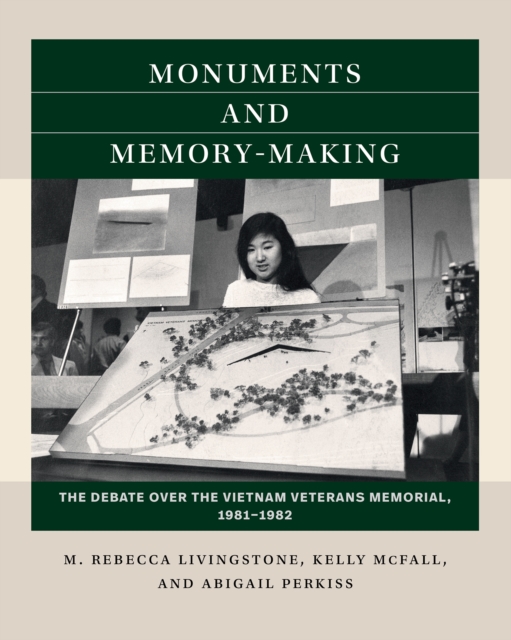
Monuments and Memory-Making immerses students in the conversations and controversies that emerged as the nation grappled with how best to memorialize what was at the time the longest military conflict in US history.
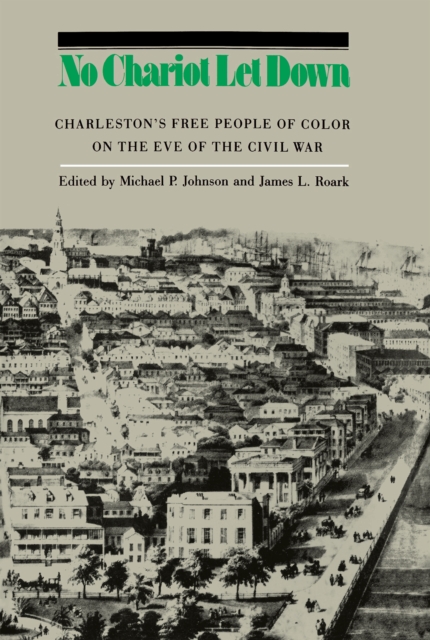
These thirty-four letters, written by members of the William Ellison family, comprise the only sustained correspondence by a free Afro-American family in the late antebellum South.
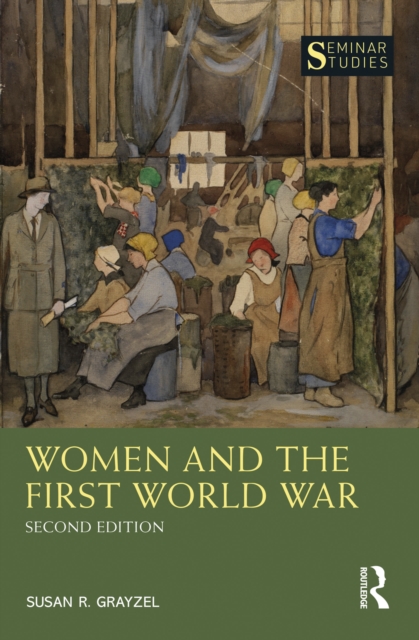
In this revised version of a ground-breaking global history of women and the First World War, Susan Grayzel shows the multiple ways in which women faced the enormous challenges the war presented, both the losses as well as the opportunities that the war provided.
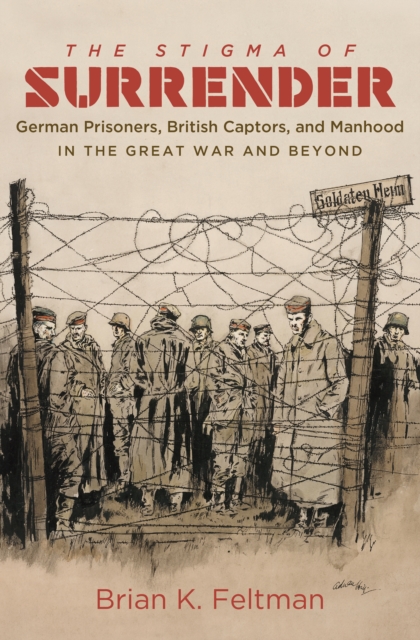
Approximately 9 million soldiers fell into enemy hands from 1914 to 1918, but historians have only recently begun to recognize the prisoner of wars significance to the history of the Great War.
Monuments and Memory-Making immerses students in the conversations and controversies that emerged as the nation grappled with how best to memorialize what was at the time the longest military conflict in US history.
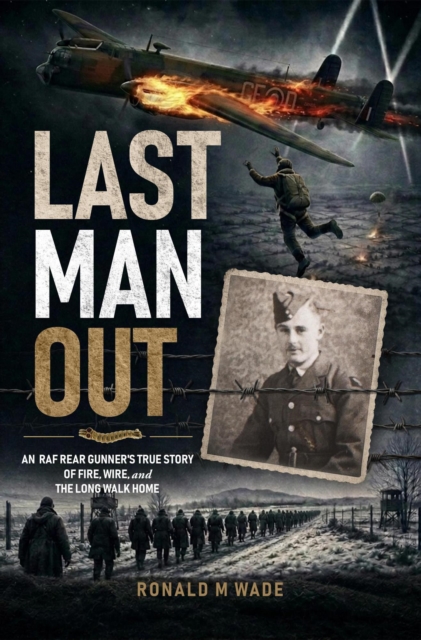
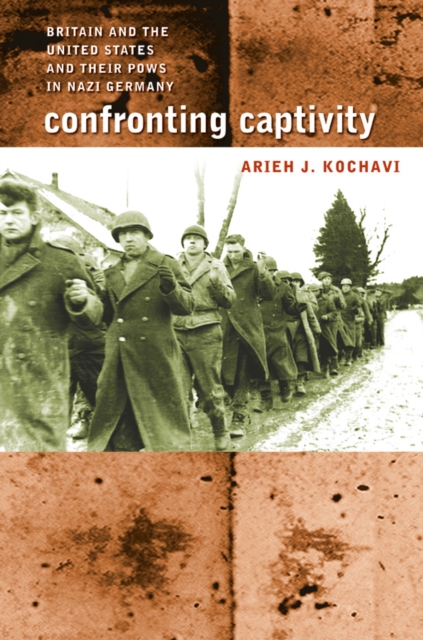
How was it possible that almost all of the nearly 300,000 British and American troops who fell into German hands during World War II survived captivity in German POW camps and returned home almost as soon as the war ended?
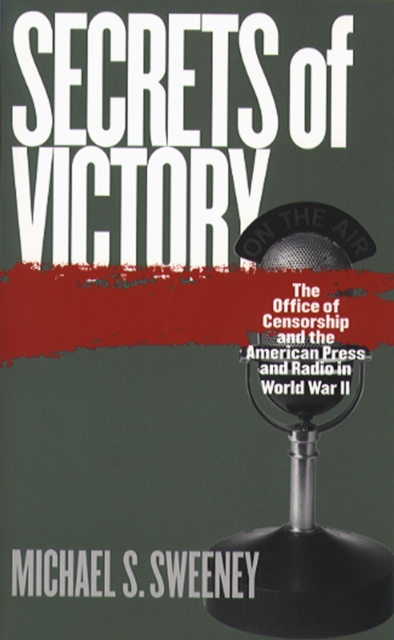
During World War II, the civilian Office of Censorship supervised a huge and surprisingly successful program of news management: the voluntary self-censorship of the American press.
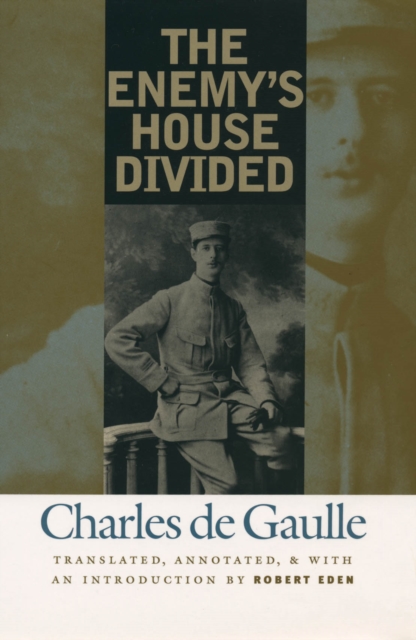
Originally published in 1924 and available here in English for the first time, The Enemys House Divided is Charles de Gaulles analysis of the major errors that led the Germans to disaster in World War I.
Approximately 9 million soldiers fell into enemy hands from 1914 to 1918, but historians have only recently begun to recognize the prisoner of wars significance to the history of the Great War.
These thirty-four letters, written by members of the William Ellison family, comprise the only sustained correspondence by a free Afro-American family in the late antebellum South.
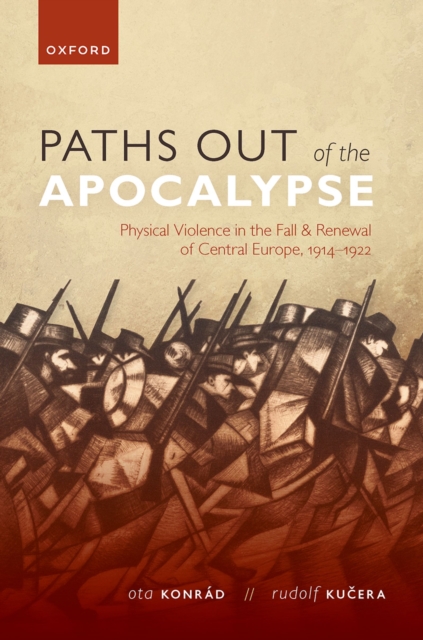
Paths out of the Apocalypse uses violence as a prism through which to investigate the profound social, cultural, and political changes experienced by (post-) Habsburg Central Europe during and immediately after the Great War.
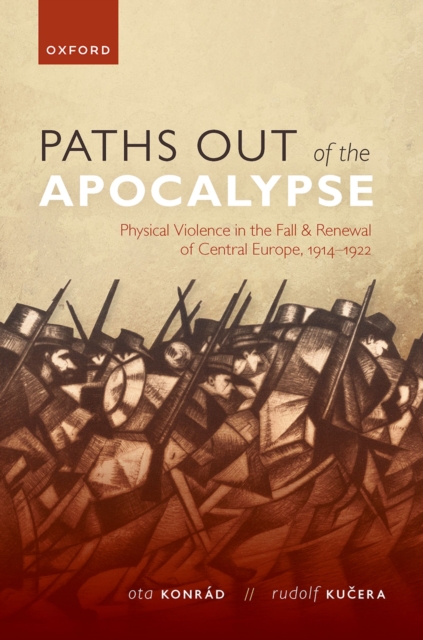
Paths out of the Apocalypse uses violence as a prism through which to investigate the profound social, cultural, and political changes experienced by (post-) Habsburg Central Europe during and immediately after the Great War.