This volume charts the history of transnational and transatlantic fascism in East Central and Southeastern Europe, a lesser-known phenomenon that occurred throughout the twentieth century into the present.
This book provides the first history of the Silk Screen Shop (1943-45) at the Granada War Relocation Center (“Amache”) in Colorado, a World War II incarceration site for Japanese Americans.
This book provides the first history of the Silk Screen Shop (1943-45) at the Granada War Relocation Center (“Amache”) in Colorado, a World War II incarceration site for Japanese Americans.
This book covers the period from the approach of Allied and Soviet armies to the Reich frontiers in late summer 1944 right up to the final collapse in May 1945.
This book covers the period from the approach of Allied and Soviet armies to the Reich frontiers in late summer 1944 right up to the final collapse in May 1945.
This book is about “zero generation” witness literature: texts written by those who died in the Holocaust and who knew, at the time of their writing, that they would not survive.
This book is about “zero generation” witness literature: texts written by those who died in the Holocaust and who knew, at the time of their writing, that they would not survive.
Dieser Sammelband geht den unbewussten Wirkungsweisen gesellschaftlicher Machtverhältnisse nach und plädiert dafür, diese auch in der klinischen Praxis zu adressieren und zu analysieren.
Dieser Sammelband geht den unbewussten Wirkungsweisen gesellschaftlicher Machtverhältnisse nach und plädiert dafür, diese auch in der klinischen Praxis zu adressieren und zu analysieren.
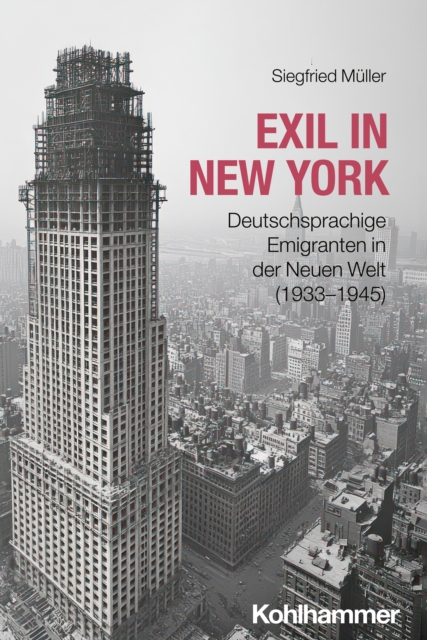
Migration ist in aller Munde, und schnell wird vergessen, dass auch viele Deutsche und Österreicher einst gezwungen waren, ihr Heimatland zu verlassen.
Athen, August 1944: Deutsche Besatzer und griechische Kollaborateure unterdrücken den Widerstand einheimischer Partisaninnen und Partisanen mit brutaler Gewalt und Deportationen, diese antworten mit Anschlägen und Überfällen.
Diese Studie analysiert die ukrainische Erinnerungskultur seit der Unabhängigkeit 1991 im Hinblick auf die sowjetischen Soldaten, die im Zweiten Weltkrieg kämpften.
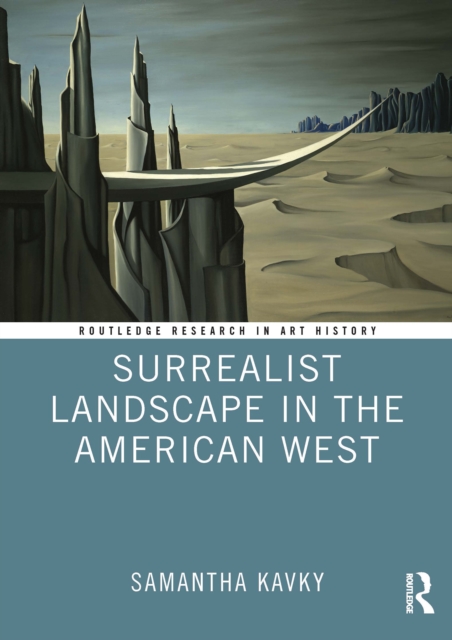
Focusing on the period of the Second World War, this book explores the emergence of surrealist landscape as a genre throughout the period of surrealist exile in the Americas.
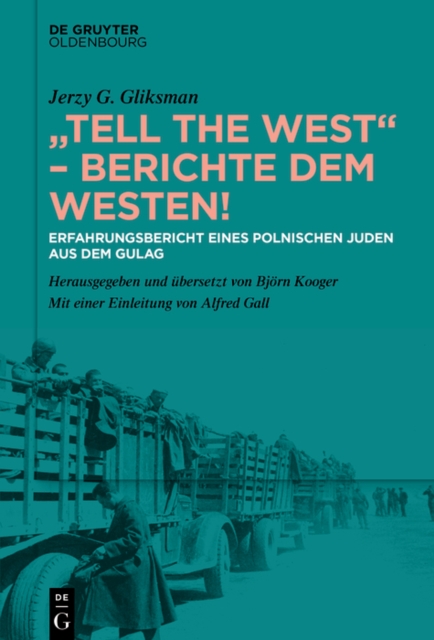
Der Erfahrungsbericht des judisch-polnischen Gewerkschaftsanwalts Jerzy Gliksman aus dem Gulag der Jahre 1939-1941 stellt eines der bedeutendsten judischen Zeugnisse aus dem sowjetischen Lagersystem dar.
The Division was created as part of the 1944 expansion of the Waffen SS and was rooted in Hitler's policy of divide and rule that he implemented even among his closest confidants.
This book analyzes a little-known but highly significant document that played a key role in early nuclear history: the Frisch-Peierls memorandum of March 1940.