When Woodrow Wilson called on the American people to mobilize for war in April 1917, it was hardly surprising that historians should respond to their one-time colleague.
In Land of Famished Beings, Sophie Chao examines how Indigenous Marind communities understand and theorize hunger in lowland West Papua, a place where industrial plantation expansion and settler-colonial violence are radically reconfiguring ecologies, socialities, and identities.
After relatively successful military interventions in Iraq in 1992 and Yugoslavia in 1998, many American strategists believed that airpower and remote technology were the future of U.
Die letzte Folge meiner Familiengeschichte, angefangen mit den Feldpostbriefen meines Vaters, der Inhaftierung meines Großvaters wegen angeblicher Vorbereitung zum Hochverrat und der Biographie unserer Familie und der meiner eigenen, möchte ich schließen mit dem Versuch, den Lebensweg zweier mit meiner Familie befreundeten jüdischen Menschen aufzuzeigen, die unter der Gewaltherrschaft der Nationalsozialisten gelitten haben und zu Opfern wurden.
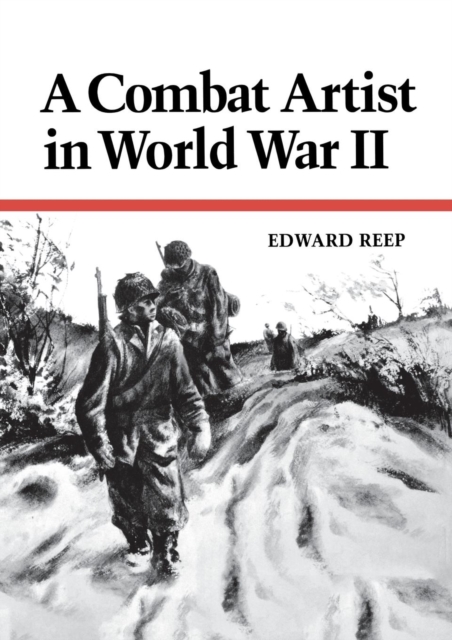
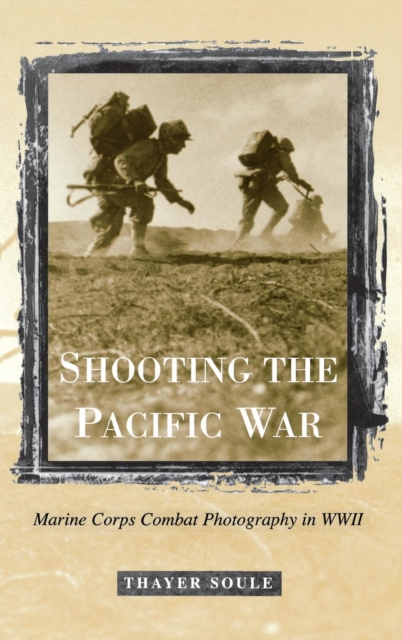
Many artists have fought in wars, and renowned painters have recorded heroic scenes of great battles, but those works were usually done long after the battles were waged.
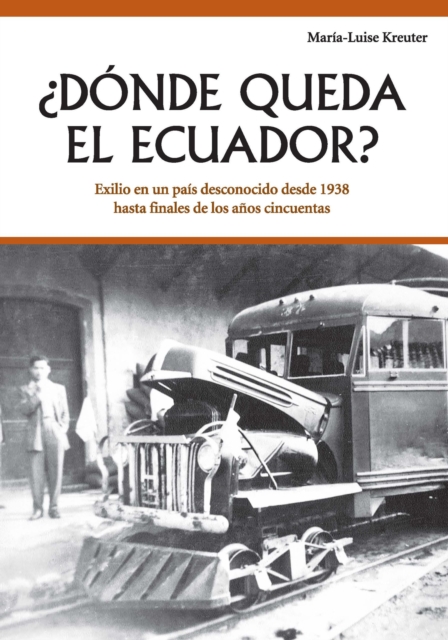
Toda época de la historia trajo consigo exilio y emigración, pero en el siglo XX, la "emigración" se convirtió en un fenómeno mundial que se debió, en gran medida, a la persecución, expulsión y fuga de las personas afectadas sobre todo por los efectos del acenso del Nacionalismo.
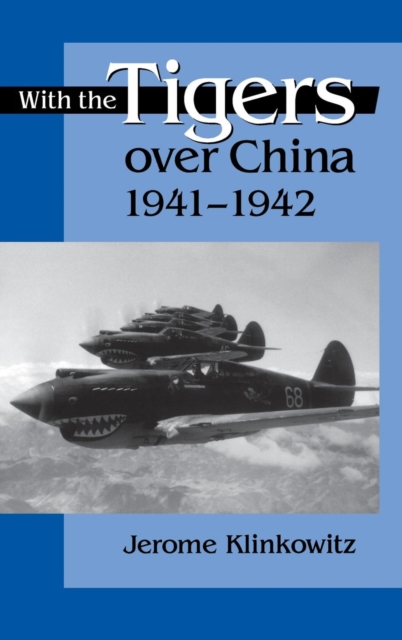
In the twelve months centered around the Japanese attack on Pearl Harbor, a diverse group of American and British flyers fought one of the most remarkable air campaigns of WWII.
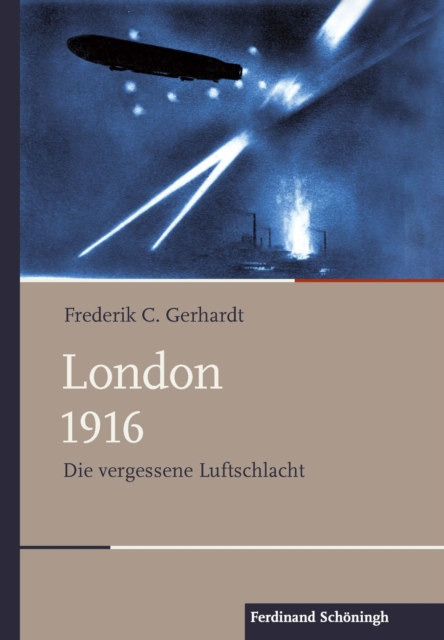
Im Spätsommer 1916 trafen hoch über London deutsche Zeppeline als die ersten Langstreckenbomber der Geschichte auf die Jagdflugzeuge der britischen Armee und Marine.
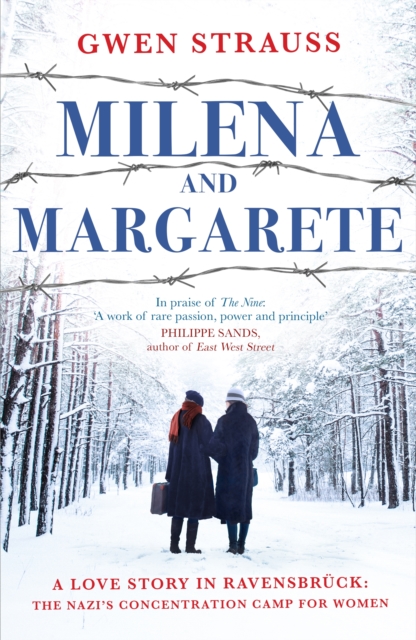
A profoundly moving celebration of love under the darkest of circumstances from the author of The NineFrom the moment they met in 1940 in Ravensbruck concentration camp, Milena Jesenska and Margarete Buber-Neumann were inseparable.
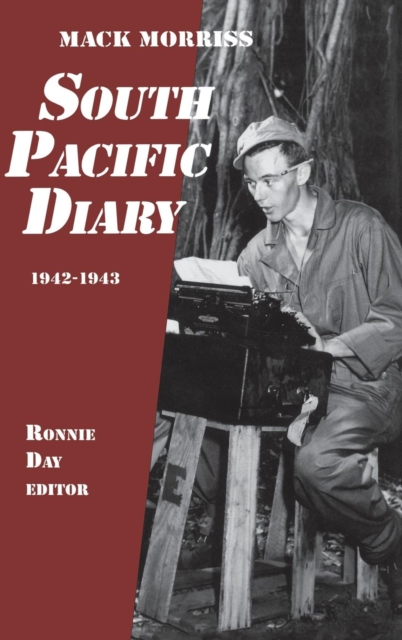
A unique chronicle of the war from the perspective of a sensitive twenty-four-year-old sergeant who wrote for the Army's in-house paper, Yank, the Army Weekly and a tale of the South Pacific that will not soon be forgotten.
Le 9 novembre 1970, alors qu'il peregrine dans les flammes du Purgatoire, Charles de Gaulle a une surprise de taille en tombant nez a nez avec Petain qui attend depuis plus de dix-neuf ans son entretien avec Dieu le Pere.
Aracy de Carvalho (1908-2011), 'Righteous Among the Nations', saved German Jews by facilitating their emigration to Brazil in the late 1930s, while working at the Brazilian consulate in Hamburg.
The Citizen Soldiers explores the military reform movement that took its name from the famous Business Men's Military Training Camps at Plattsburg, New York.
Aracy de Carvalho (1908-2011), 'Righteous Among the Nations', saved German Jews by facilitating their emigration to Brazil in the late 1930s, while working at the Brazilian consulate in Hamburg.
Generations after war and violence the experiences are engraved in memories and influence individual and collective attitudes toward political and social conflicts.
Naval dominance was crucial to the defence of South Korea, and this illustrated study explains how the US Navy brought its war-winning fleet to bear in a complex campaign.
Naval dominance was crucial to the defence of South Korea, and this illustrated study explains how the US Navy brought its war-winning fleet to bear in a complex campaign.