During the course of the Second World War, the Allies mounted a series of attempts to prevent Germany from manufacturing heavy water utilising hydroelectric plants in occupied Norway.
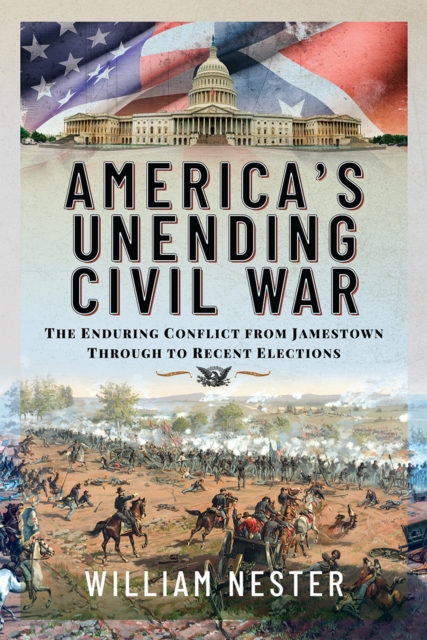
Although the Civil War and the Great War were fought only fifty years apart, the perceived time between these two cataclysmic events seems far longer in popular American memory: the Civil War was the centerpiece of the nineteenth century and lies deep in Americas past whereas World War I was a modern prelude to World War II, a conflict still in living memory.
For Frederick the Great, the prescription for warfare was simple: kurz und vives (short and lively)wars that relied upon swift, powerful, and decisive military operations.
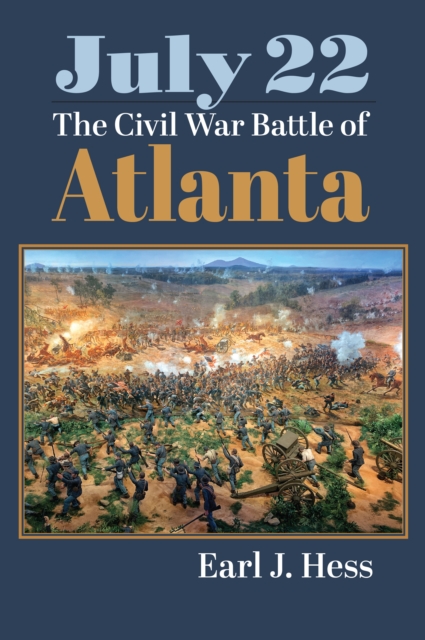
So remarkable was the fighting to the east of Atlanta on July 22, 1864, that it earned its place as the only engagement of the Civil War to be widely referred to by the date of its occurrence.
Although the Civil War and the Great War were fought only fifty years apart, the perceived time between these two cataclysmic events seems far longer in popular American memory: the Civil War was the centerpiece of the nineteenth century and lies deep in Americas past whereas World War I was a modern prelude to World War II, a conflict still in living memory.
For Frederick the Great, the prescription for warfare was simple: kurz und vives (short and lively)wars that relied upon swift, powerful, and decisive military operations.
So remarkable was the fighting to the east of Atlanta on July 22, 1864, that it earned its place as the only engagement of the Civil War to be widely referred to by the date of its occurrence.
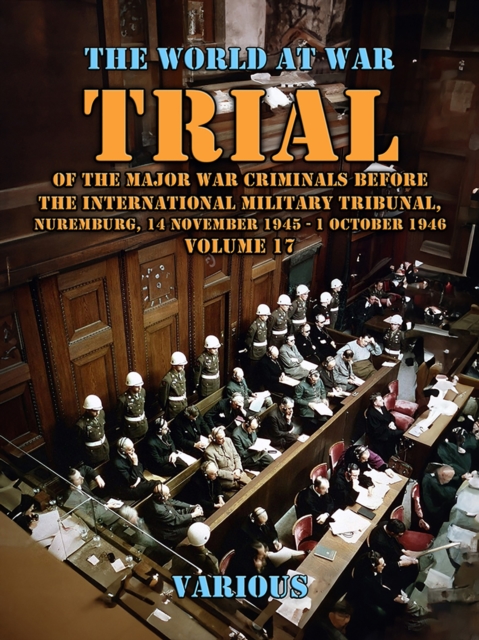
Trial Of The Major War Criminals Before The International Military Tribunal, Nuremberg, 14 November 1945 - 1 October 1946 Volume 17, authored by Various, is an essential anthology that transports readers to one of the 20th century's most pivotal legal events.
In Between Shadows and Noise Amber Jamilla Musser theorizes sensation as a Black feminist method for aesthetic interpretation and criticism that uses the knowledges held by the body to access the unrepresentable.
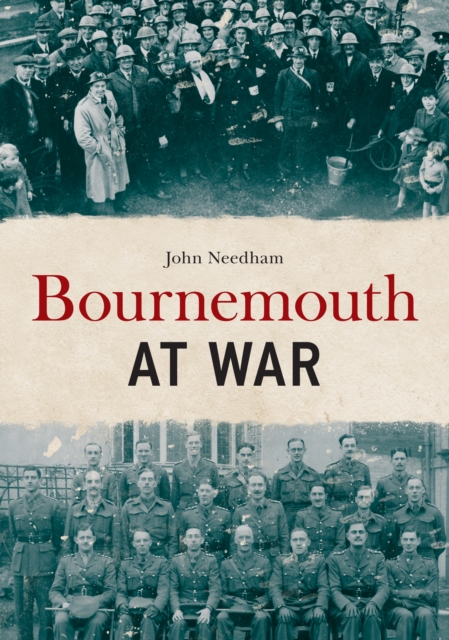
Bournemouth was originally a deserted heathland on England's south coast until the area was developed as a health resort in the early nineteenth century.
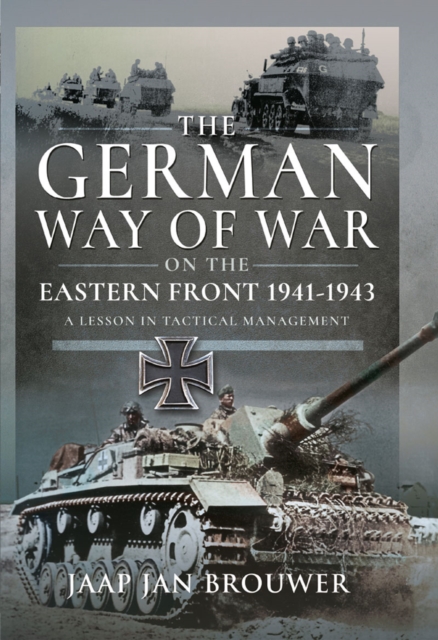
Read how both German and Soviet armies learned to adapt themselves quickly to the ever changing situation on the battlefield, their innovative capacity and which new weapon systems and tactics they introduced to get the upper hand.
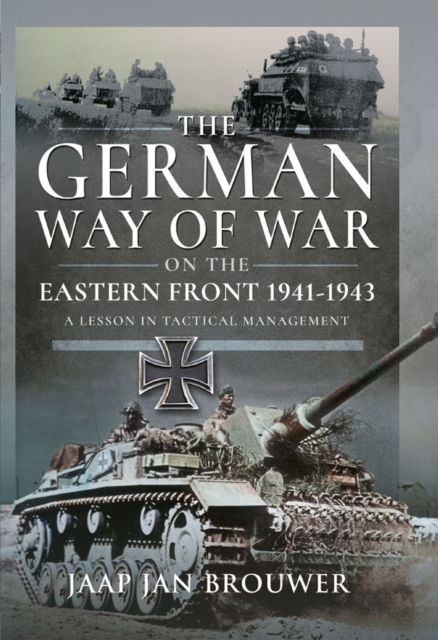
Read how both German and Soviet armies learned to adapt themselves quickly to the ever changing situation on the battlefield, their innovative capacity and which new weapon systems and tactics they introduced to get the upper hand.
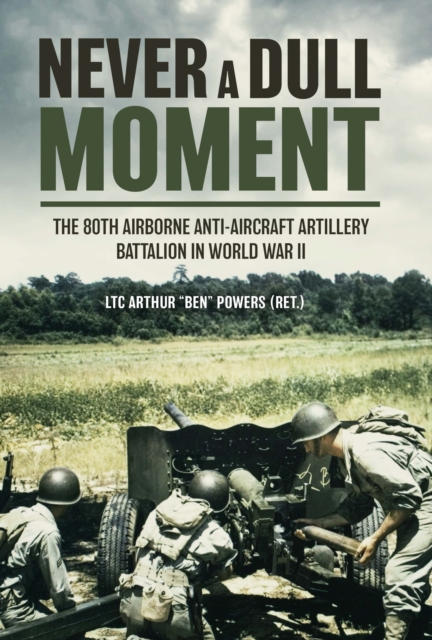
"e;Just when you thought everything about the 82nd Airborne Division in World War II had been published, author Ben Powers delivers Never a Dull Moment, The 80th Airborne Anti-Aircraft Artillery Battalion in World War II.
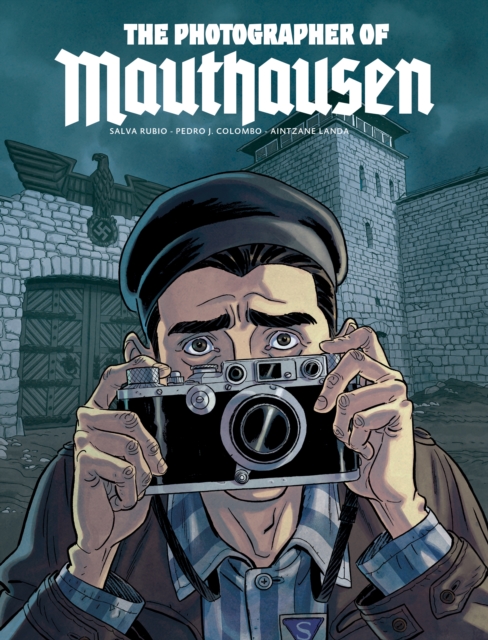
This is a dramatic retelling of true events in the life of Francisco Boix, a Spanish press photographer and communist who fled to France at the beginning of World War II.
During World War II, the United States earned the nickname "e;the arsenal of democracy"e; due to its sheer productive output, which included over 3,000,000 trucks and jeeps, 86,000 tanks, 6,750 naval platforms, 300,000 aircraft of all types.
A companion to World War II in Europe, Africa, and the Americas, this volume reevaluates the most enduring literature on basic aspects of the war in Asia and the Pacific.
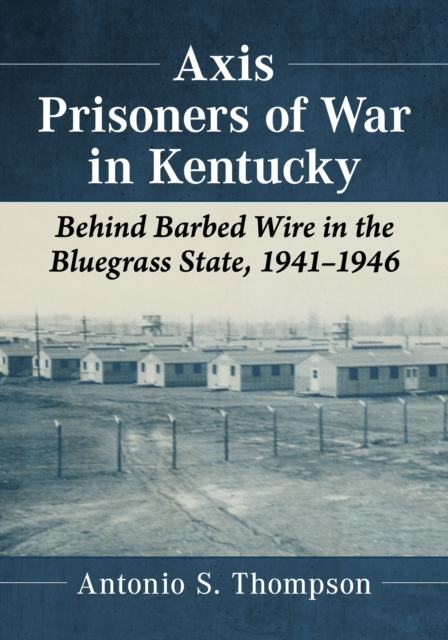
During World War II, Kentuckians rushed from farms to factories and battlefields, leaving agriculture throughout the state--particularly the lucrative tobacco industry--without sufficient labor.
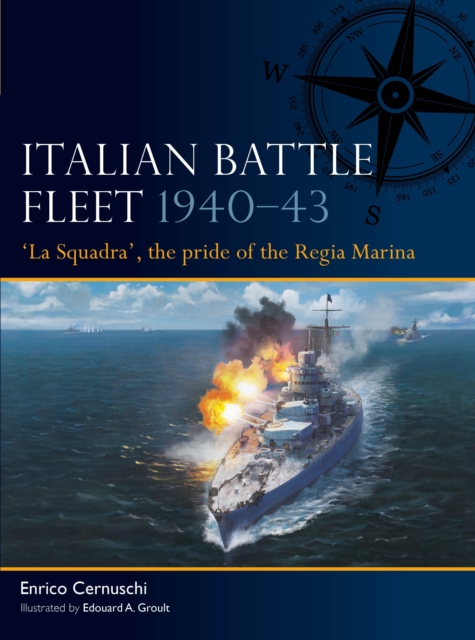
This work is a close examination of the conditions surrounding and precipitating the last gasp of British naval hegemony and events that led to its demise.
Bettina Görings Biografie ist eine Auseinandersetzung mit ihrer dunklen Familiengeschichte und dem verbrecherischen Erbe ihres Großonkels, Reichsmarschall Hermann GöringBettina Görings Name ist ihr Schicksal.
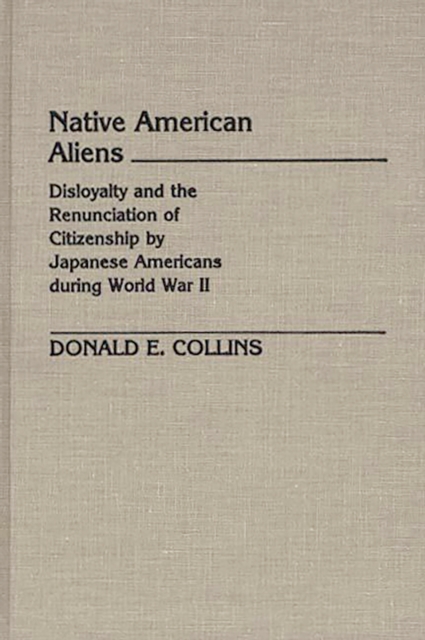
"e;Collins addresses a subject that has been the object of much research and controversy in the past decade: the internment of tens of thousands of Japanese-Americans during WW II.
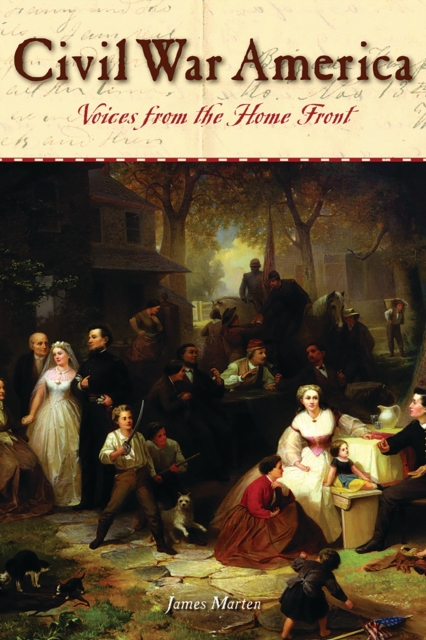
A revealing compilation of essays documenting the effects of the Civil War and its aftermath on Americans-young and old, black and white, northern and southern.
This work is a close examination of the conditions surrounding and precipitating the last gasp of British naval hegemony and events that led to its demise.