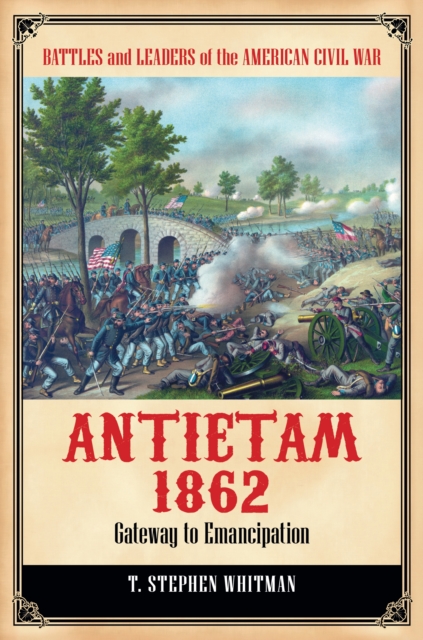
This book explains how the Battle of Antietam-a conflict that changed nothing militarily-still played a pivotal role in the Civil War by affording Abraham Lincoln an opportunity to announce the emancipation of slaves in states in rebellion.
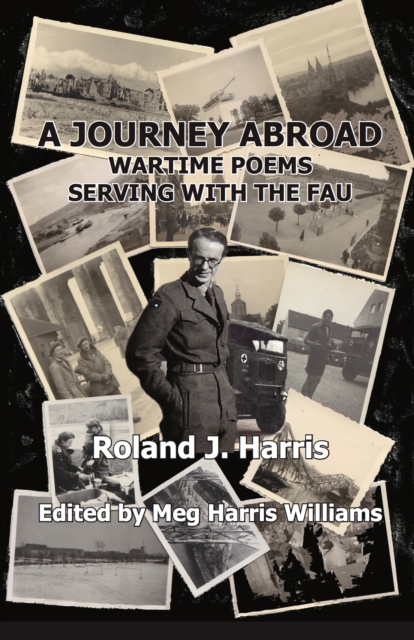
'May the army of millions of dead of all nations bear witness to humanity for the hope that future generations may learn to discard war as the best way to resolve their differences.
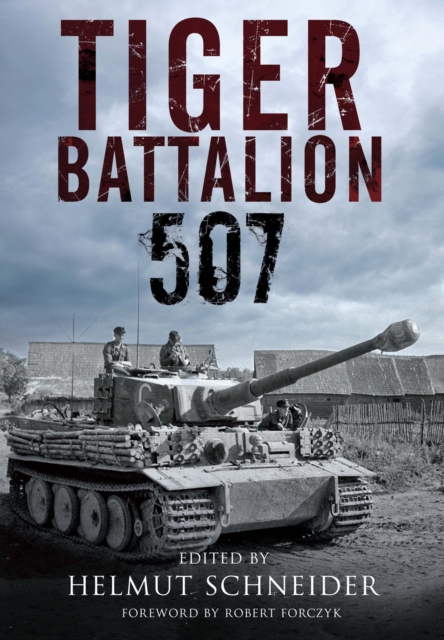
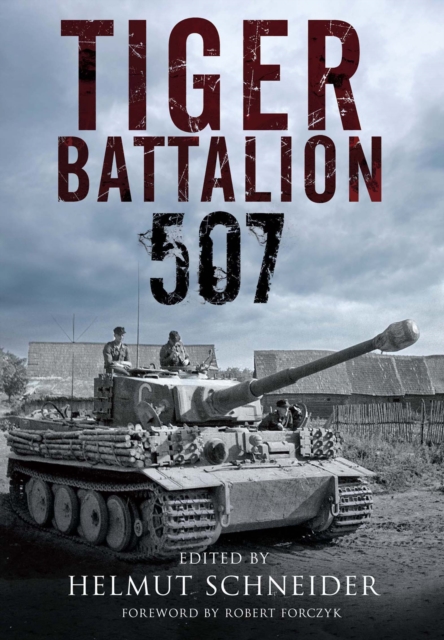
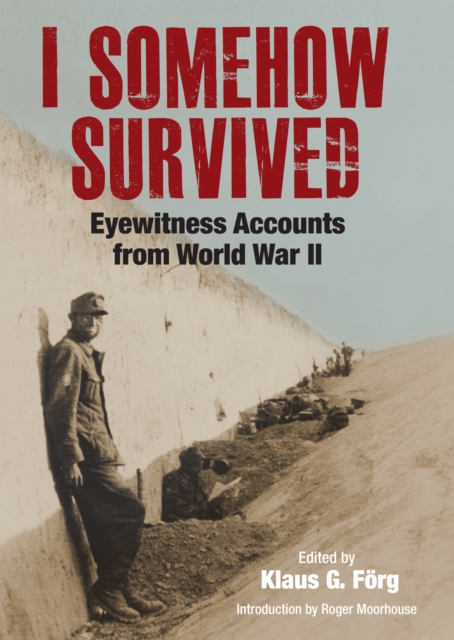
A personal history of a Nazi battalion's experiences on the Eastern and Western fronts of WWII, told through the vivid accounts of the soldiers themselves.
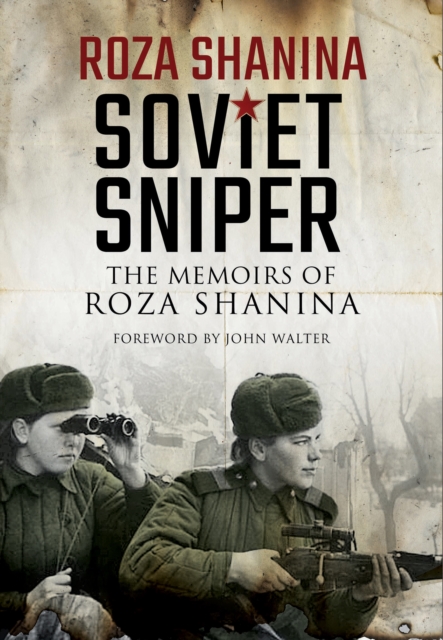
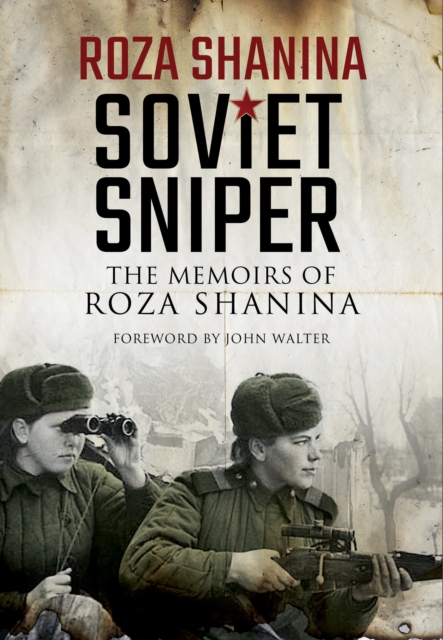
Described as the 'unseen terror of East Prussia', Soviet World War II sniper, Roza Shanina was celebrated for her remarkable shooting accuracy and astonishing bravery.
The diary of the Soviet World War II sniper known as the "e;unseen terror of East Prussia"e; who killed 59 enemy soldiers before dying heroically at age 20.
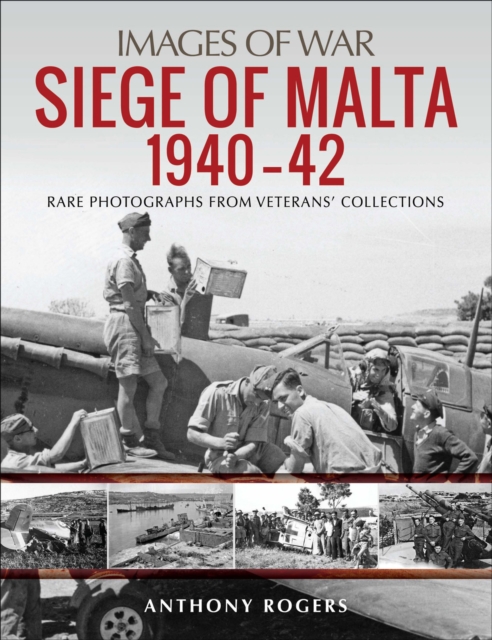
The story of a Mediterranean island under constant bombardment: "e;Packed with over 200 photographs, this book is a must for any World War II enthusiast.
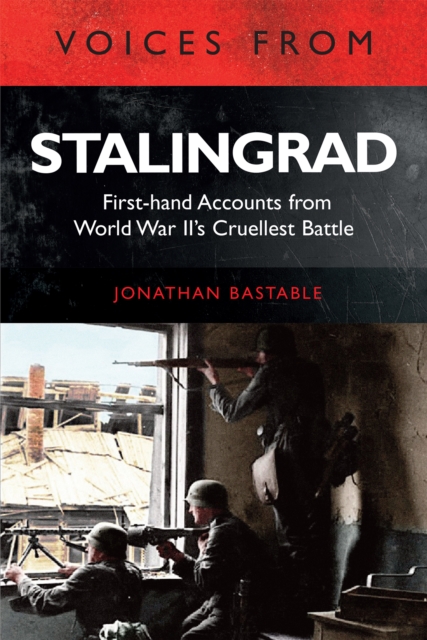
This history of the pivotal WWII Battle of Stalingrad reveals newly translated firsthand accounts from Russian and German soldiers as well as civilians.
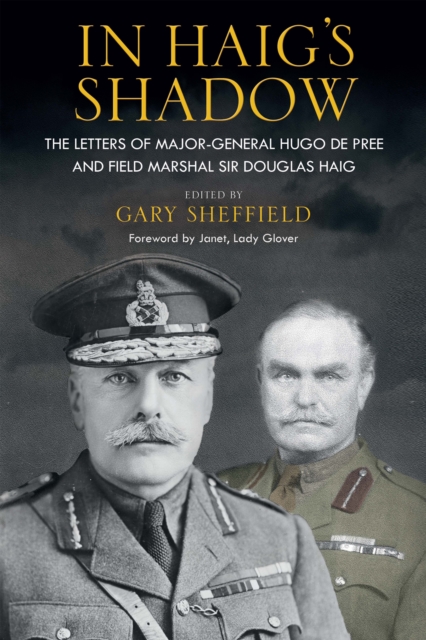
This collection of correspondence and newly discovered family papers is "e;a good read for anyone interested in WWI, or the British Army"e; (The NYMAS Review).
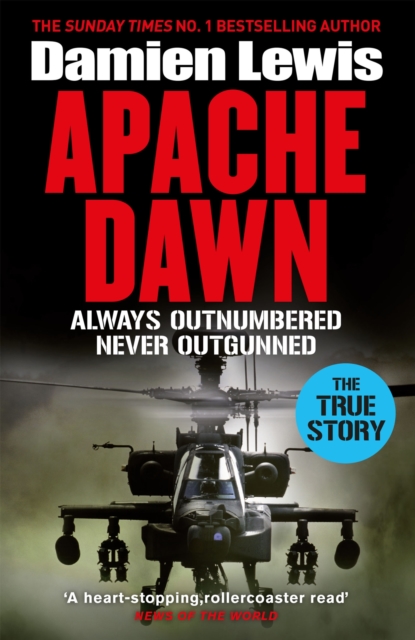
'Damien Lewis is both a meticulous historian and a born storyteller' Lee ChildIn the summer of 2007 the British Army's 662 Squadron deployed its most potent weapons system in combat for the very first time - the iconic Apache attack helicopter.
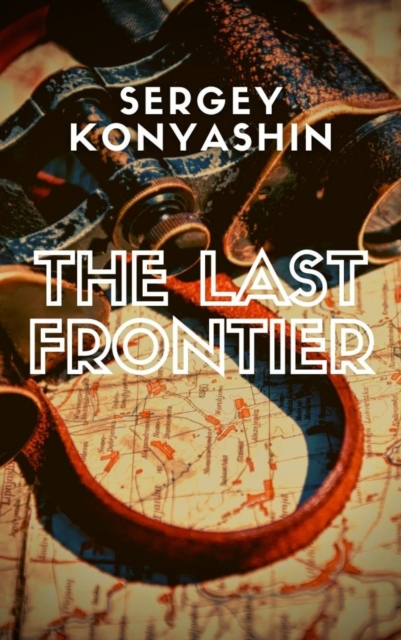
The action of the historical novel "e;The Last Frontier"e; takes place on the ruins of Novorossiysk - a small town on the Black Sea shore, almost completely swept away the face of the earth in the result of fierce battles with the fascist invaders in 1942-1943.
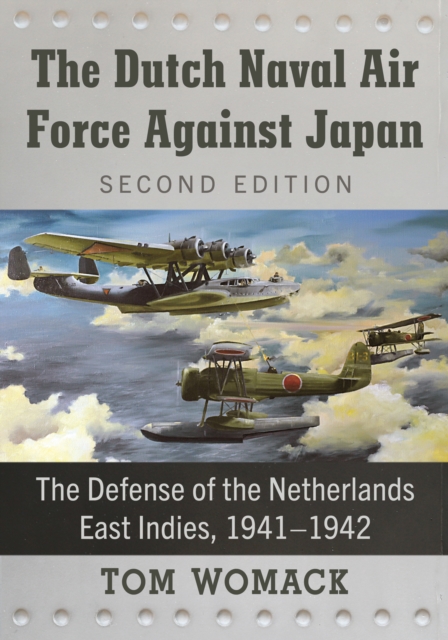
Following the Japanese attack on Pearl Harbor, the Dutch Naval Air Force--or Marine Luchtvaart Dienst (MLD)--played a significant but largely overlooked role in the opening months of the Pacific War.
Following the Japanese attack on Pearl Harbor, the Dutch Naval Air Force--or Marine Luchtvaart Dienst (MLD)--played a significant but largely overlooked role in the opening months of the Pacific War.
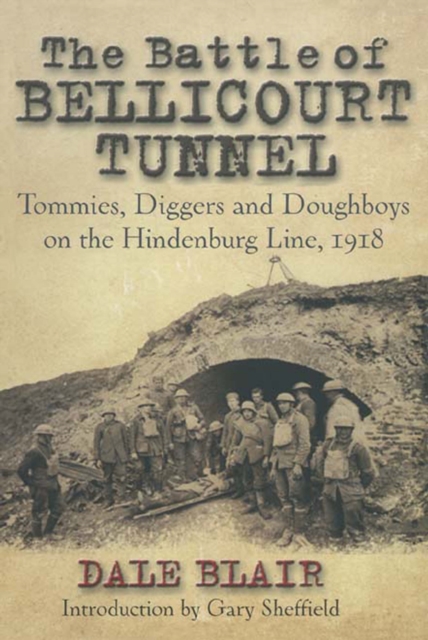
In the summer and autumn of 1918, the British Expeditionary Force, under Field Marshal Haig, fought a series of victorious battles on the Western Front that contributed mightily to the German Army's final defeat.
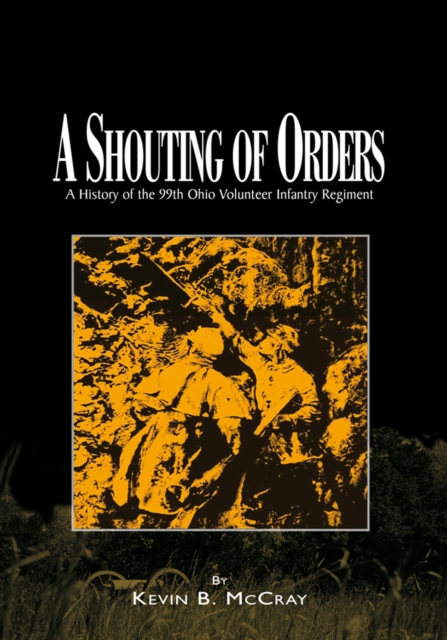
A Shouting of Orders conveys the history of the 99th Ohio Volunteer Infantry, an American Civil War unit formed from the counties of northwest Ohio surrounding Lima.
This book is a study of Adolf Hitler in his role as military commander and strategist from the beginning of the Second World War until the end of 1942, examining in detail the campaign in southern Russia that year.
This book is a study of Adolf Hitler in his role as military commander and strategist from the beginning of the Second World War until the end of 1942, examining in detail the campaign in southern Russia that year.
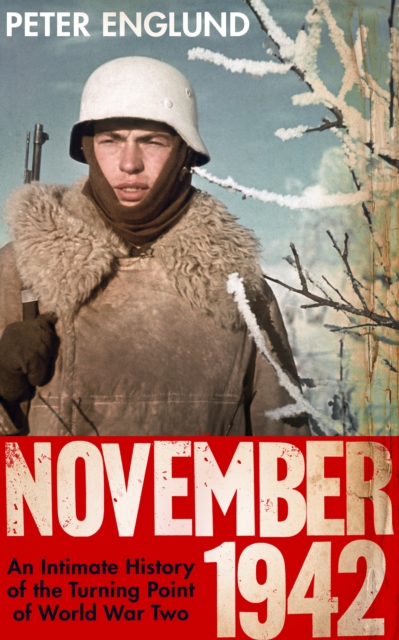
*A Telegraph History Book of the Year, 2023*'An astonishing achievement' ANTONY BEEVOR A remarkably moving and humane book WILLIAM BOYDAn intimate history of the most important month of the Second World War as experienced by those who lived through it, completely based on their diaries, letters and memoirs.
Die Heeresgruppe "Jildirim" (Türkisch für "Blitz"), auch bekannt als Heeresgruppe F, war eine Einheit der Osmanischen Armee während des Ersten Weltkriegs.
In 25 innovative thematic essays, The Bloomsbury Handbook of the Spanish Civil War sees an interdisciplinary team of scholars examine a conflict that, more than 80 years after its conclusion, continues to generate both scholarly and public controversy.