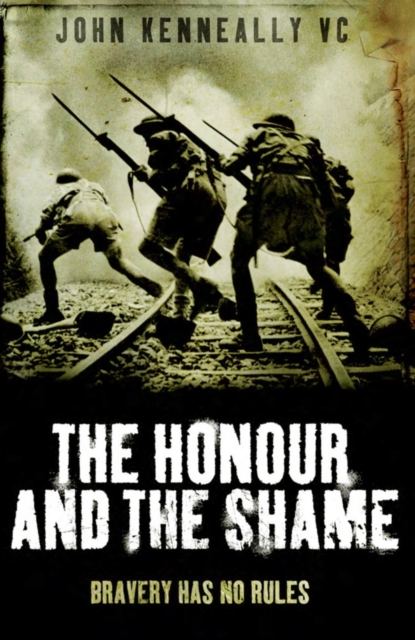
Many years after becoming the youngest person ever to be awarded the VC for attacking a company of Panzer Grenadiers on his own - an action that proved a turning point in one of the major battles of the Second World War - John Kenneally made an extraordinary confession.
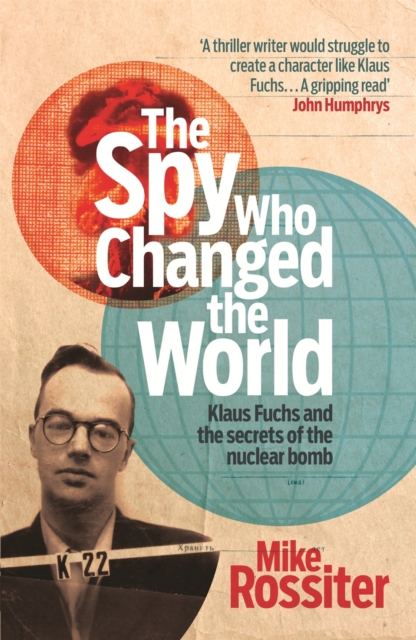
The world first heard of Klaus Fuchs, the head of theoretical physics at the British Research Establishment at Harwell in February 1950 when he appeared at the Old Bailey, accused of passing secrets to the Soviet Union.
This is the story of the Anglo-American amphibious assault and subsequent battle on the Italian west coast at Anzio which was launched in January 1944 in a bold attempt to outflank the formidable German defences known as the 'Gustav Line'.
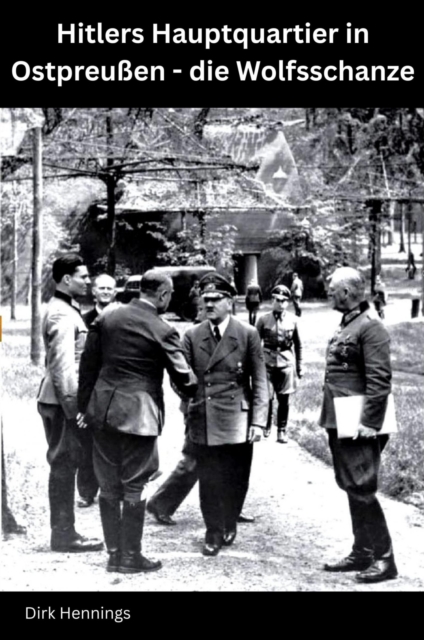
Hitlers Hauptquartier in Ostpreußen - die WolfsschanzeDie Wolfsschanze war das erste militärische Hauptquartier Adolf Hitlers an der Ostfront im Zweiten Weltkrieg.
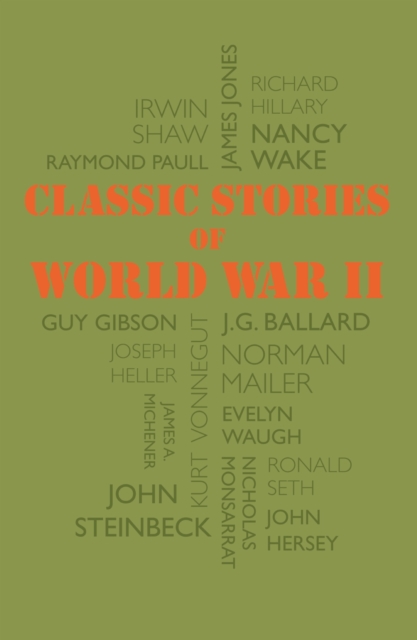
Classic Stories of World War II is a collection of fiction and non-fiction excerpts from the works of world-class authors who lived through the conflict.
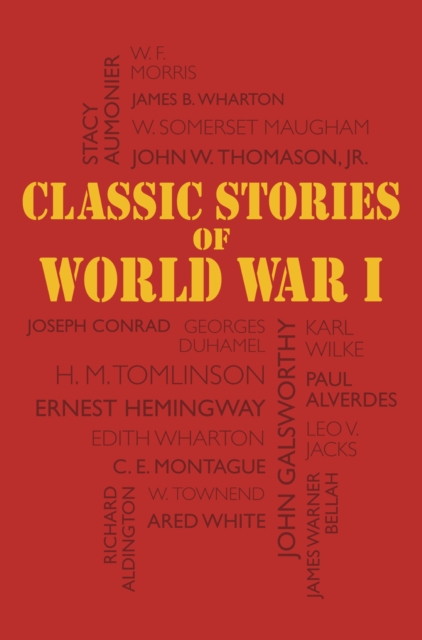
Published to mark the 100th anniversary of the end of The Great War, Classic Stories of World War I is a compilation of fiction and non-fiction excerpts from the works of world-class authors - such as Joseph Conrad and W.
One of the Sunday Times paperbacks of the Year 2020One of the Financial Times best books of 2020 'Totally gripping'-- Simon Sebag Montefiore'Pilecki is perhaps one of the greatest unsung heroes of the second world war .
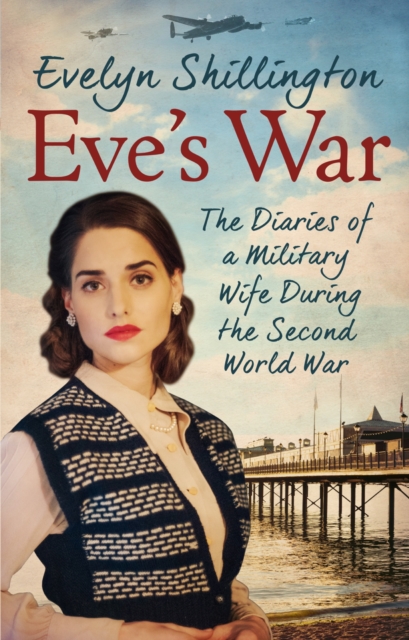
THE DIARIES OF A MILITARY WIFE DURING THE SECOND WORLD WARIn 1935, Evelyn Shillington started a diary, little knowing the years of turmoil it would cover, and how insightful her experiences as an army wife would be to the following generations.
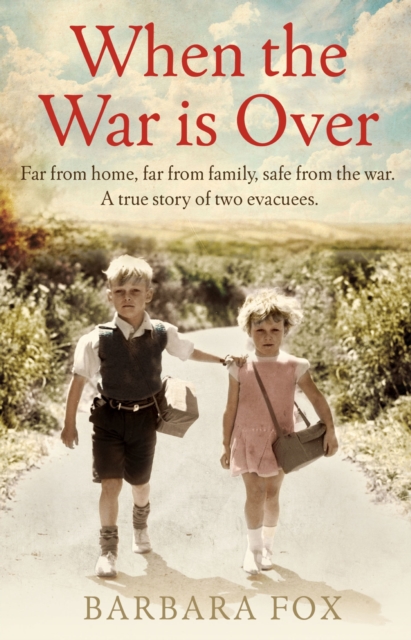
THE TOUCHING TRUE STORYTwo young Second World War evacueesFar from home, far from family, safe from the warGwenda and Douglas Brady were among the millions of British children sent to live with new families for their own safety during the Second World War, leaving behind their parents, their friends and all that felt familiar and safe.
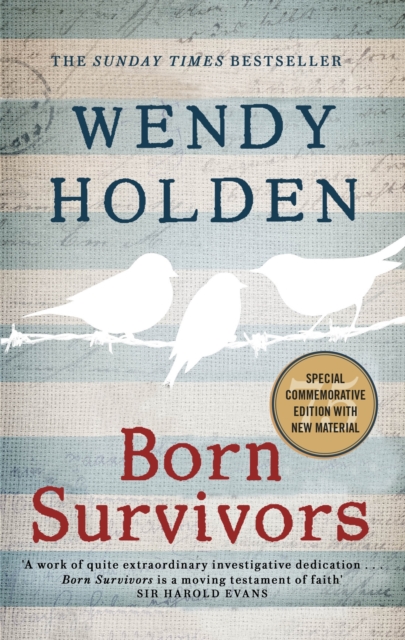
The Sunday Times bestseller now updated with a new forewordAmong millions of Holocaust victims sent to Auschwitz II-Birkenau in 1944, Priska, Rachel, and Anka each passed through its infamous gates with a secret.
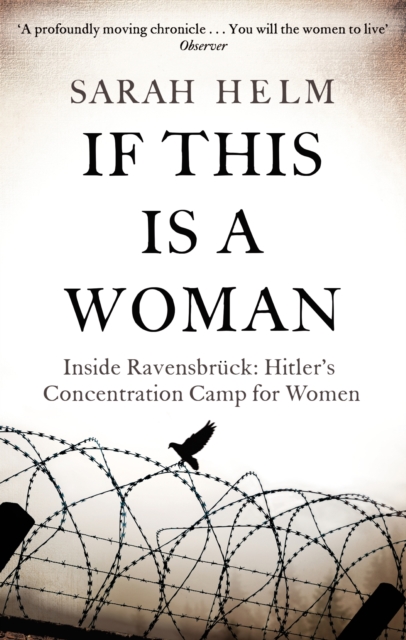
Winner of the Longman-History Today Book Prize: A 'profoundly moving chronicle' (Observer) that tells the story of Ravensbr ck, the only concentration camp designed specifically for women, using new testimony from survivorsOn a sunny morning in May 1939 a phalanx of 800 women - housewives, doctors, opera singers, politicians, prostitutes - were marched through the woods fifty miles north of Berlin, driven on past a shining lake, then herded through giant gates.
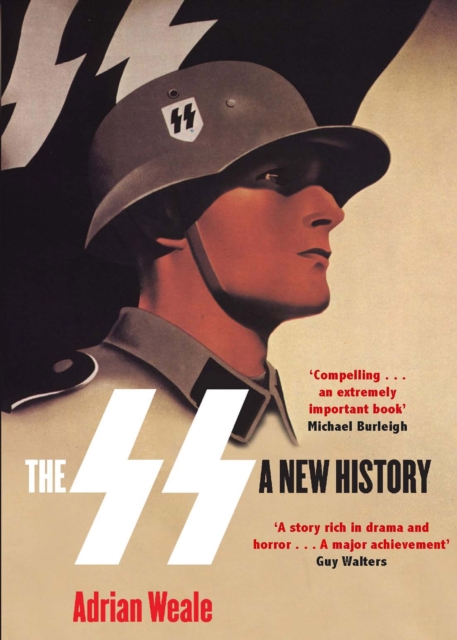
Terror was central to the Nazi regime, and the Nazi concentration camps were places of horror where prisoners were dehumanized and robbed of their dignity and where millions were murdered.
Katyn the Soviet massacre of over 21,000 Polish prisoners in 1940 has come to be remembered as Stalin s emblematic mass murder, an event obscured by one of the most extensive cover-ups in history.