A classic about real-life WWII espionage,as conducted by its modern master*A Man Called Intrepid is the classic true story of Sir William Stephenson (codenamed Intrepid) and the spy network he founded that would ultimately stall the Nazi war machine and help winWorld War II.
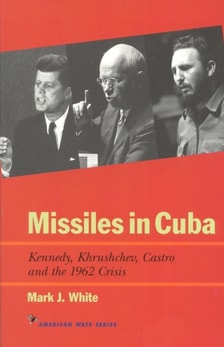
For many years historians of the Cuban missile crisis have concentrated on those thirteen days in October 1962 when the world teetered on the brink of nuclear war.
Many accounts of the secession crisis overlook the sharp political conflict that took place in the Border South states of Delaware, Kentucky, Maryland, and Missouri.
In the Netherlands, a small group of biracial citizens has entered its eighth decade of lives that have been often puzzling and difficult, but which offer a unique insight into the history of race relations in America.
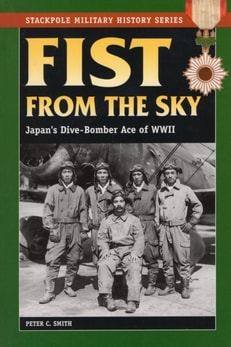
Fascinating look from the Japanese side at Pearl Harbor and the Battle of Midway Fully authorized account including contemporary interviews with those that flew with Lt.
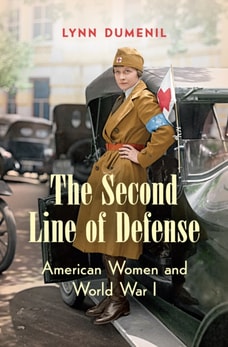
In tracing the rise of the modern idea of the American "e;new woman,"e; Lynn Dumenil examines World War I's surprising impact on women and, in turn, women's impact on the war.
Running Toward the Guns is an autobiographical story and an accounting of Chanty Jong's personal inner self-healing journey that led to a successfully unexpected discovery.
The Albanian Operation, carried out by British and American secret services from 1949 to 1953, was one of the first Western attempts to subvert a country behind the Iron Curtain.
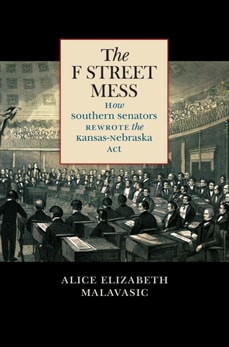
Pushing back against the idea that the Slave Power conspiracy was merely an ideological construction, Alice Elizabeth Malavasic argues that some southern politicians in the 1850s did indeed hold an inordinate amount of power in the antebellum Congress and used it to foster the interests of slavery.
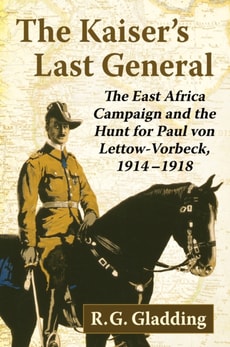
At the outbreak of World War I, Lieutenant Colonel Paul Emil von Lettow-Vorbeck, military commander of Germany's East African Colony, planned to divert British troops from Europe to East Africa.
After Operation Valkyrie--the failed July 20, 1944, plot to assassinate Adolf Hitler and seize control of the German government--both the Third Reich and Hitler came to a violent end.
From the dime novels of the Civil War era to the pulp magazines of the early 20th century to modern paperbacks, lurid fiction has provided thrilling escapism for the masses.
This firsthand account, never before published in English, details a secret World War II mission in 1944 called Operation Salamander, in which Tadeusz Chciuk (writing as Marek Celt) parachuted into German-occupied Poland with the enigmatic political adviser Dr.
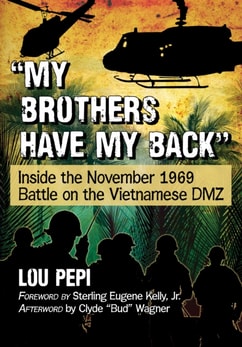
In November 1969, what Time Magazine called the "e;largest battle of the year"e; took place less than two miles from the Vietnamese Demilitarized Zone.
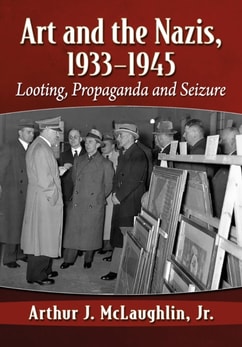
This first comprehensive analysis of the Third Reich's efforts to confiscate, loot, censor and influence art begins with a brief history of the looting of artworks in Western history.
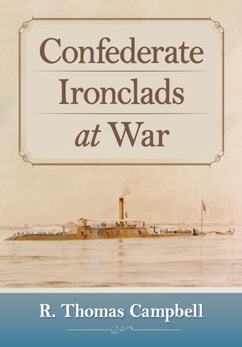
Hampered by lack of materials, shipyards and experienced shipbuilders, even so the South managed to construct 34 iron-armored warships during the Civil War, of which the Confederate Navy put 25 into service.
Drawing on six years of research, this book covers the military service and postwar lives of notable Confederate veterans who moved into Northern California at the end the Civil War.
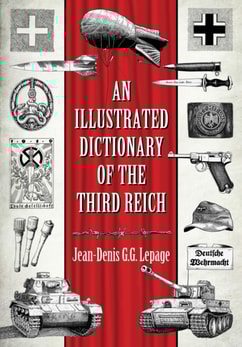
This dictionary gives an enormous amount of basic information on the Third Reich era by listing, and often depicting, German terms connected to Nazism and the Germany of World War II.