Without discrediting the expedition's success or Admiral Richard Byrd's leadership, this book makes clear for the first time that the admiral was not the saintly hero he and the press depicted.
Even as we celebrate the return of our military from wars in the Middle East, we are becoming increasingly aware of the struggles that await veterans on the home front.
"e;The authors do a good job using the diaries, interviews, and books written by group members to convey a vivid-sometimes too vivid-picture of war at its most elemental.
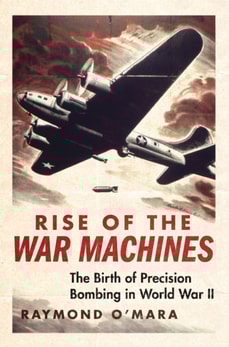
Rise of the War Machines: The Birth of Precision Bombing in World War II examines the rise of autonomy in air warfare from the inception of powered flight through the first phase of the Combined Bomber Offensive in World War II.
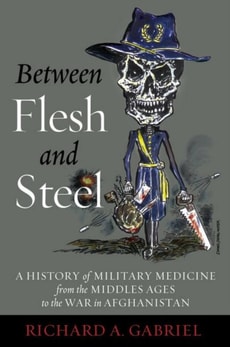
Over the last five centuries, the development of modern weapons and warfare has created an entirely new set of challenges for practitioners in the field of military medicine.
The most flamboyant, consistently dishonest racketeer was Supervisor of Internal Revenue John McDonald, whose organization defrauded the federal government of millions of dollars.
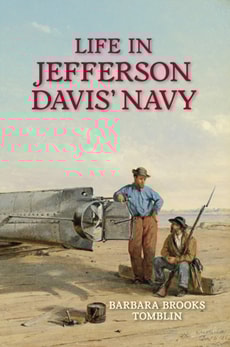
The Civil War is often considered a "e;soldiers' war,"e; but Life in Jefferson Davis' Navy acknowledges the legacy of service of the officers and sailors of the Confederate States Navy.
The Arctic's growing strategic importance in world affairs and the increasing attention it receives from states inside and outside the region warrants greater cooperation and understanding of practical measures for maintaining regional security and stability.
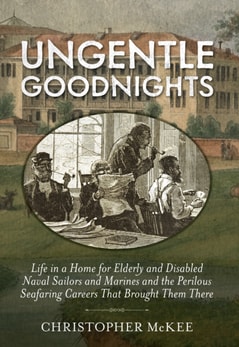
Ungentle Goodnights uses the records of the United States Naval Asylum (later the United States Naval Home), a residence for disabled and elderly sailors and Marines established by the U.
Within this fascinating new book, Barbara Morrill analyses the journal writings of Etty Hillesum, a young Jewish woman in the 1940s, as she began analysis with a Jungian oriented practitioner in 1941.
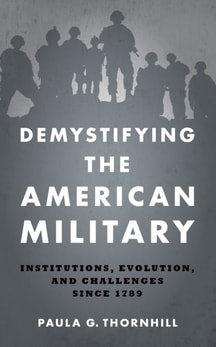
The United States military has evolved from a tiny and distrusted institution at the margins of government into a central element of America and American power, yet the military is sometimes hard to comprehend because of its unique language, history, and culture.
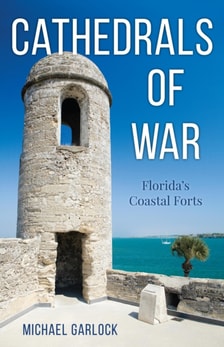
Cathedrals of War tells the story ofFlorida's coastal fortifications from Amelia Island on the Florida/Georgia border, to Key West, the Dry Tortugas, an atoll midway between Key West and Havana, Cuba and Pensacola on Florida's west coast.
The Spanish Civil War left a legacy of destruction, resentment and deep ideological divisions in a country that was attempting to recover from economic stagnation and social inequality.
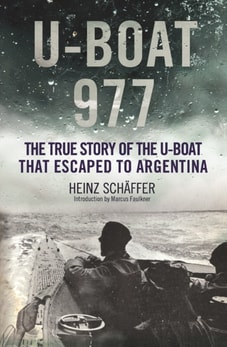
When it was first published in 1953, opinions were sharply divided between those who deplored the apparent extolling of a vicious form of warfare, and this who found in Heinz Schaeffer’s account a revealing picture of the German Navy’s training and methods.
This book documents the case that World War II happened in such a different world that it has little relevance to todays foreign policy, as well as the case that U.
When Admiral Mahan passed away in 1914, his ideas and thoughts lived on in his writings, which spanned the naval strategy of his own times and the lessons learnt from history.
Includes Civil War Map and Illustrations Pack - 224 battle plans, campaign maps and detailed analyses of actions spanning the entire period of hostilities.
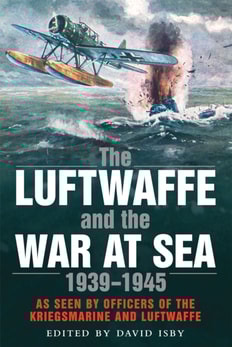
The Luftwaffe and the War at Sea is a collection of fascinating accounts written by German military officers – both Kriegsmarine and Luftwaffe – about the naval war in the air in the North Atlantic and around Great Britain.
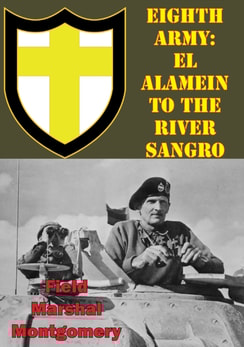
[Illustrated with 46 highly detailed maps of the actions]Field Marshal Montgomery commanded the Eighth Army from 13th August 1942 until the 31st December 1943, and the 21st Army Group from 1st January 1944 until the German surrender on the 5th May, 1945.
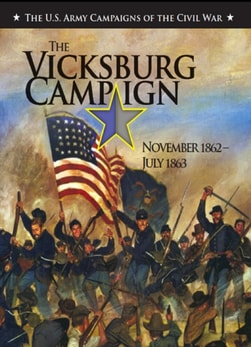
[Includes over 12 illustrations and 2 maps]The campaign for the control of Vicksburg was one of the most important contests in determining the outcome of the Civil War.
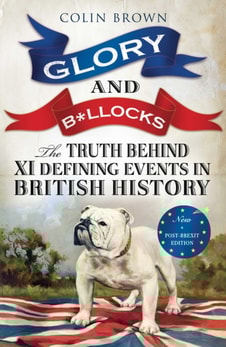
From the Magna Carta to the Falklands, the years that have made Britain, for better and for worseDid the longbow secure victory at Agincourt or are the English just better in mud?