This book examines the ways in which scholarly expertise was mobilized during the First World War, and the consequences of this for the inter-connected academic world that had developed in the late nineteenth century.
The first full-length study of World War II from the Latin American perspective, this unique volume offers an in-depth analysis of the region during wartime.
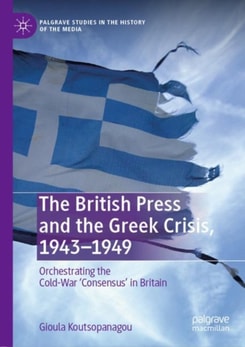
This book provides the first detailed analysis of how interactions between government policy and Fleet Street affected the political coverage of the Greek civil war, one of the first major confrontations of the Cold War.
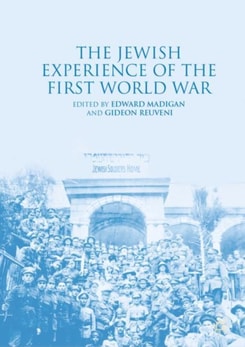
This book explores the variety of social and political phenomena that combined to the make the First World War a key turning point in the Jewish experience of the twentieth century.
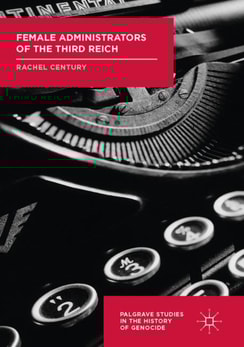
This book compares female administrators who specifically chose to serve the Nazi cause in voluntary roles with those who took on such work as a progression of established careers.
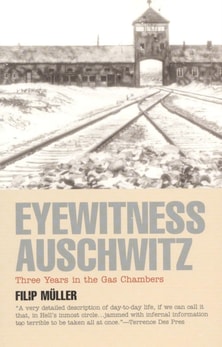
Filip Muller came to Auschwitz with one of the earliest transports from Slovakia in April 1942 and began working in the gassing installations and crematoria in May.
As one of al-Qaeda's most respected bomb-makers, Aimen Dean rubbed shoulders with the mastermind of the 9/11 attacks and swore allegiance to Osama bin Laden.
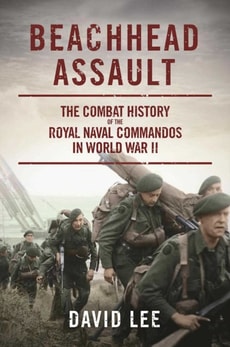
The Royal Naval Commandos had one of the most dangerous and the most important tasks of any in World War II - they were first on to the invasion beaches and they were the last to leave.
An SS colonel goes underground at the end of WWIIEugen Dollmann was a scholar and member of the SS whose connections among Italian society led to a posting as a liaison officer attached to Mussolini during World War II.
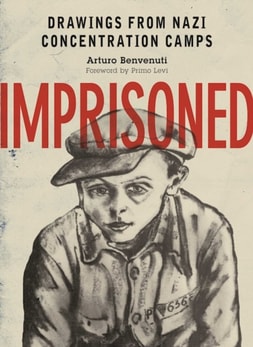
In September 1979, at age fifty-six, writer and artist Arturo Benvenuti fueled up his motor home and set forth on what he knew would be an emotional journey.
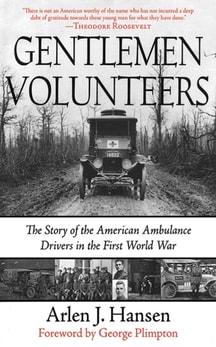
They left Harvard, Yale, Princeton, Michigan, and Stanford to drive ambulances on the French front, and on the killing fields of World War I they learned that war was no place for gentlemen.
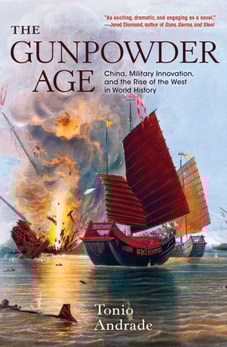
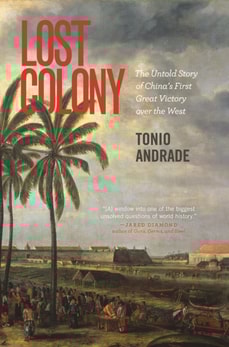
A first look at gunpowder's revolutionary impact on China's role in global historyThe Chinese invented gunpowder and began exploring its military uses as early as the 900s, four centuries before the technology passed to the West.
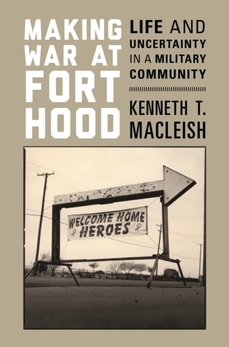
An intimate look at war through the lives of soldiers and their families at Fort HoodMaking War at Fort Hood offers an illuminating look at war through the daily lives of the people whose job it is to produce it.
Dieses eBook: "Pan Wolodyjowski (Historischer Roman)" ist mit einem detaillierten und dynamischen Inhaltsverzeichnis versehen und wurde sorgfältig korrekturgelesen.
A sweeping history of social theories about war and peace, from Hobbes to the twenty-first centuryThis book, the first of its kind, provides a sweeping critical history of social theories about war and peace from Hobbes to the present.
The Day Lincoln Was Almost Shot: The Fort Stevens Story recounts the story of President Abraham Lincoln's role in the Battle of Fort Stevens in July 1864.
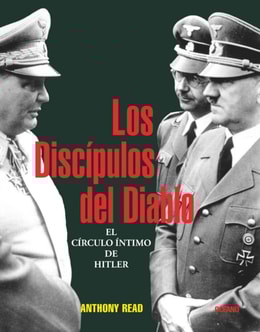
El meteórico ascenso al poder de Hitler, el férreo control ideológico que impuso en Alemania, su popularidad frente a las masas y la eficaz maquinaria bélica que puso en marcha constituyen aspectos de un proceso cuyo éxito dependió, en buena medida, del trabajo realizado por su círculo íntimo.
How a Chinese pirate defeated European colonialists and won Taiwan during the seventeenth centuryDuring the seventeenth century, Holland created the world's most dynamic colonial empire, outcompeting the British and capturing Spanish and Portuguese colonies.
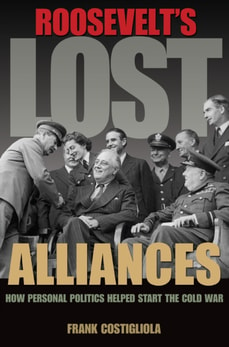
How the Grand Alliance of World War II succeeded-and then collapsed-because of personal politicsIn the spring of 1945, as the Allied victory in Europe was approaching, the shape of the postwar world hinged on the personal politics and flawed personalities of Roosevelt, Churchill, and Stalin.
How a new understanding of warfare can help the military fight today's conflicts more effectivelyThe way wars are fought has changed starkly over the past sixty years.
The Habsburg Empire's grand strategy for outmaneuvering and outlasting stronger rivals in a complicated geopolitical worldThe Empire of Habsburg Austria faced more enemies than any other European great power.
How honeybees make collective decisions-and what we can learn from this amazing democratic processHoneybees make decisions collectively-and democratically.
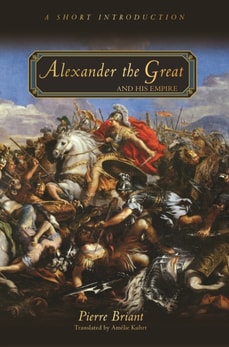
A classic account of Alexander the Great's conquest and its impact on the conquered-now in English for the first timeThis is the first publication in English of Pierre Briant's classic short history of Alexander the Great's conquest of the Persian empire, from the Mediterranean to Central Asia.
A multifaceted exploration of the interplay between civic and military life in ancient RomeThe ancient Romans famously distinguished between civic life in Rome and military matters outside the city-a division marked by the pomerium, an abstract religious and legal boundary that was central to the myth of the city's foundation.
A new translation that captures the gripping power of one of the greatest war stories ever told-Julius Caesar's pitiless account of his brutal campaign to conquer GaulImagine a book about an unnecessary war written by the ruthless general of an occupying army-a vivid and dramatic propaganda piece that forces the reader to identify with the conquerors and that is designed, like the war itself, to fuel the limitless political ambitions of the author.
An Unflinching Look at a Black Chapter in Our War in Iraq and Americas Failure to Serve JusticeIn the waning days of 2005, twelve Marines were ambushed by Sunni Muslim insurgents on Route Chestnut, an ancient Mesopotamian road at the south edge of Haditha, Iraq, when an IED detonated under one of four Humvees they occupied, killing or wounding a quarter of their number.
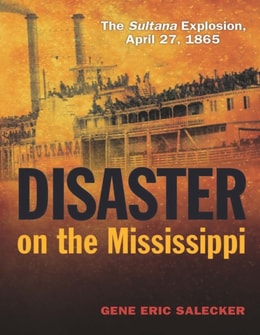
At two o'clock in the morning on 27 April 1865, seven miles north of Memphis on the Mississippi, the sidewheel steamboat Sultana's boilers suddenly exploded.
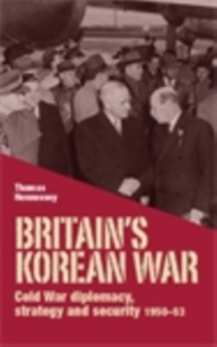
Available in paperback for the first time, this book assesses the strains within the 'Special Relationship' between London and Washington and offers a new perspective on the limits and successes of British influence during the Korean War.
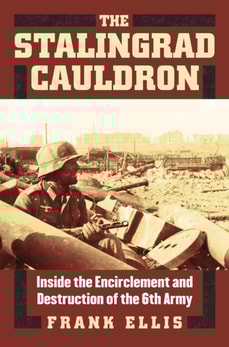
The encirclement of the German 6th Army at Stalingrad in mid-November 1942 and its final collapse in February 1943 was a signature defeat for Hitler, as more than 100,000 of his soldiers were marched off into captivity.