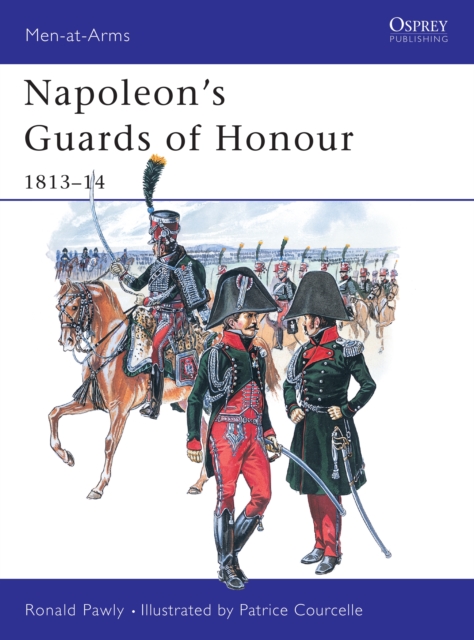
One of the least understood of Napoleon's corps were the four regiments of Gardes d'honneur, raised in 1813 during the frantic rebuilding of the French cavalry after the huge losses in Russia.
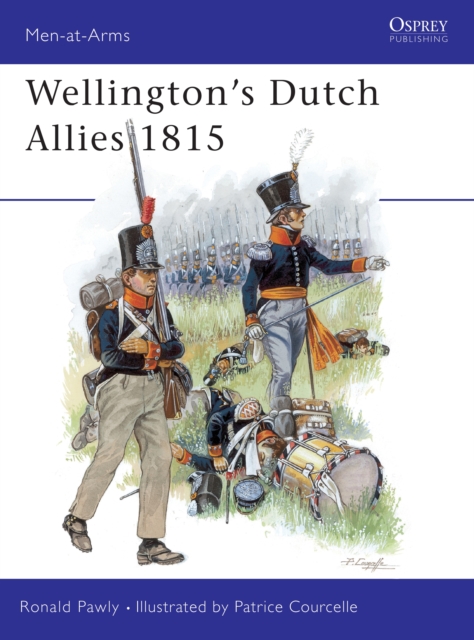
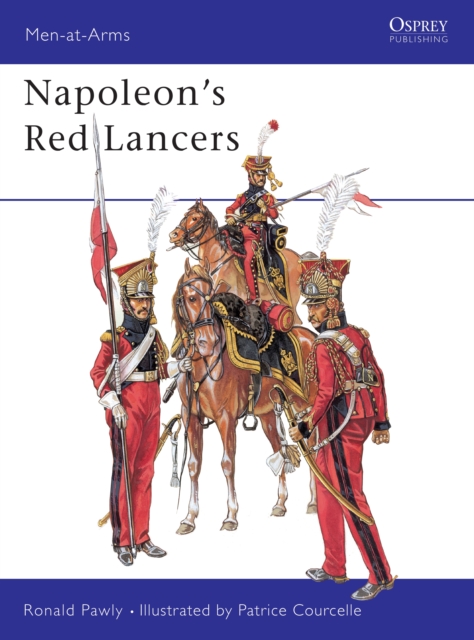
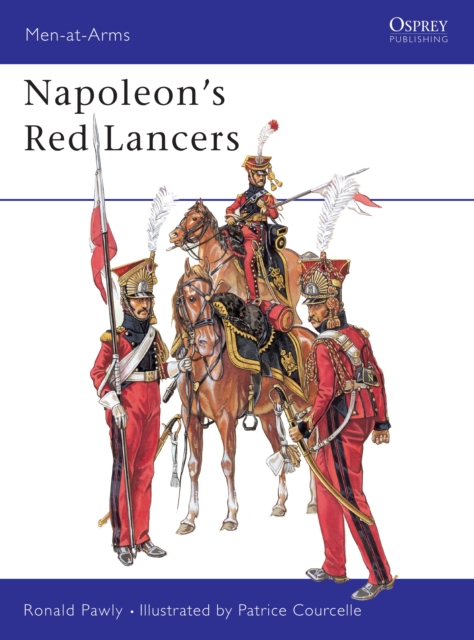
The legendary Dutch 'Red' Lancers the 2nd Light Horse Lancers of Napoleon's Imperial Guard were formed in 1810 after the emperor annexed Holland and its army to France.
The legendary Dutch 'Red' Lancers the 2nd Light Horse Lancers of Napoleon's Imperial Guard were formed in 1810 after the emperor annexed Holland and its army to France.
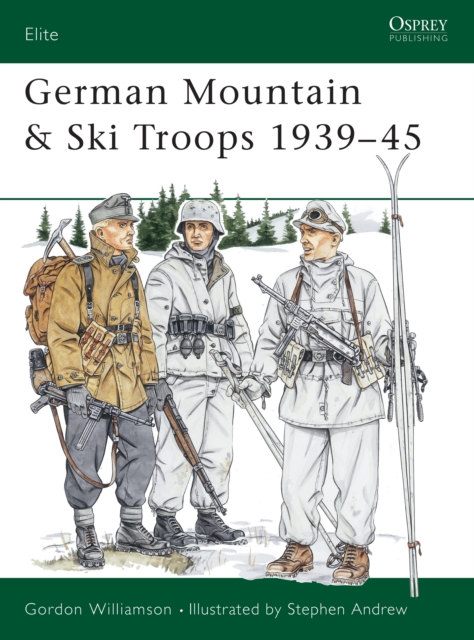
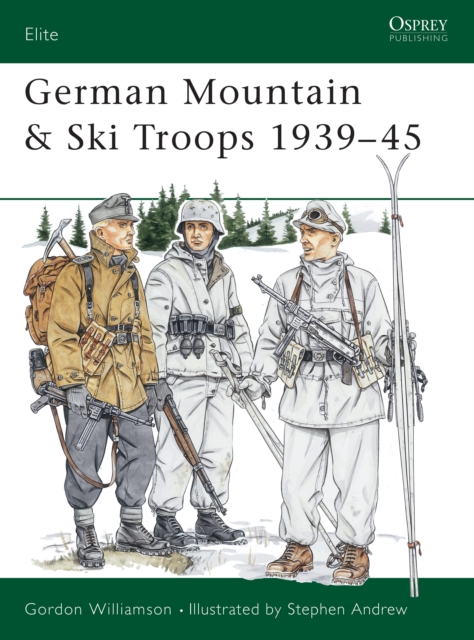
Fighting in every theatre from the burning sands of North Africa to the icy wastes above the arctic circle, the German Army's Gebirgstruppen troops were some of the most effective in the whole of the Wehrmacht.
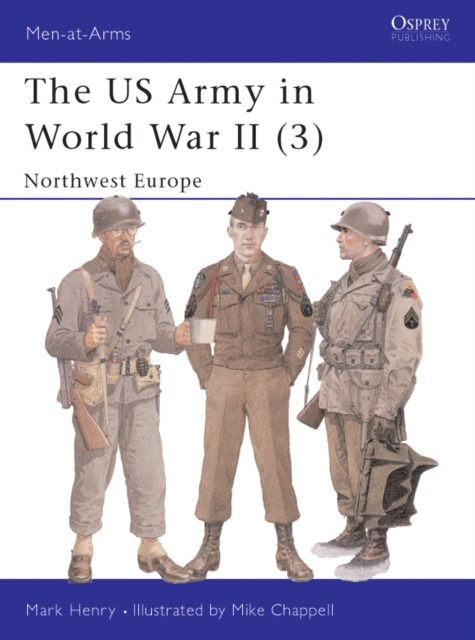
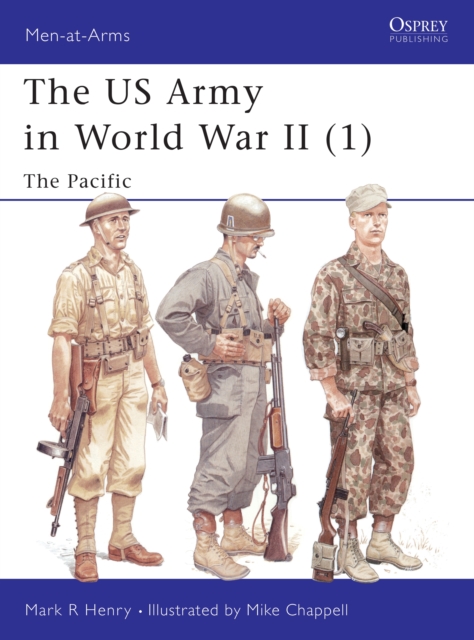
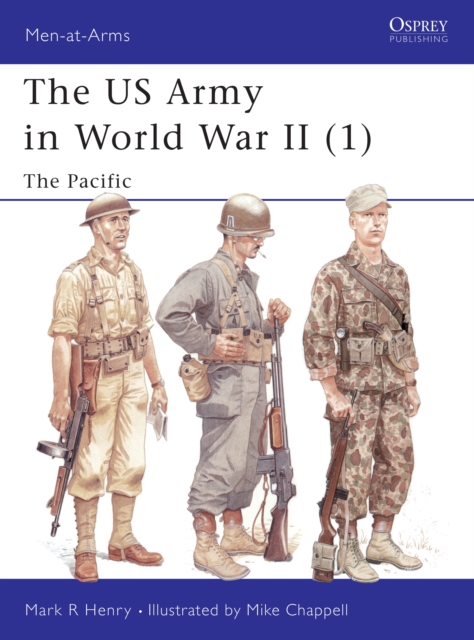
The GIs who struggled ashore through the surf of Omaha and Utah Beaches on 6 June 1944 were members of the best-equipped army ever assembled up to that date.
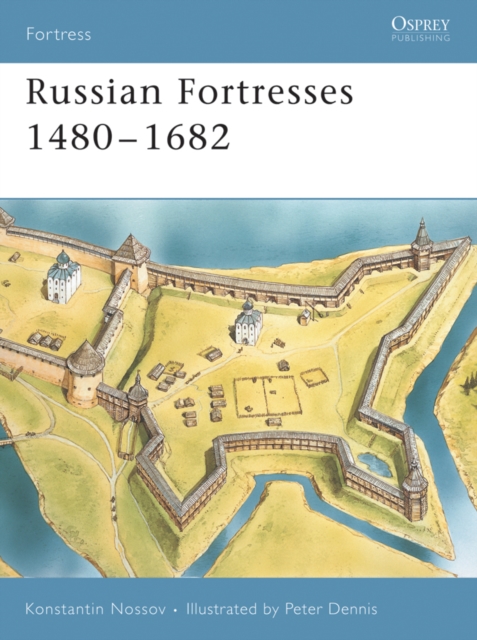
A history of the key fortresses that dominated the landscape of medieval Russia from its legendary foundations in the 9th century to its conquest by the Mongols and the eventual rise to power of the principality of Muscovy.
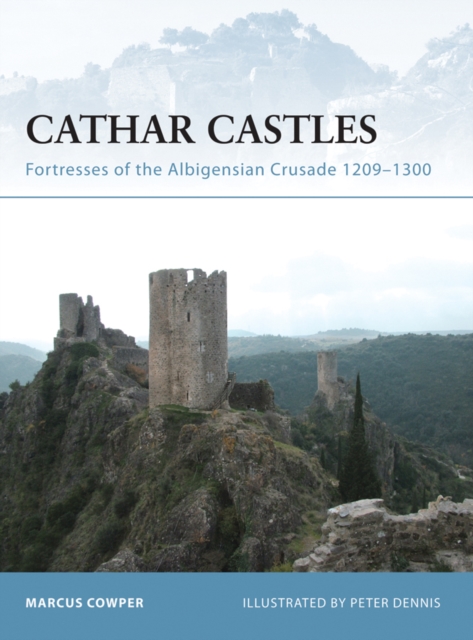
During the early 13th century the north of what is now France went to war with the south in a bloody crusade aimed at destroying the heretical sect known as the Cathars.
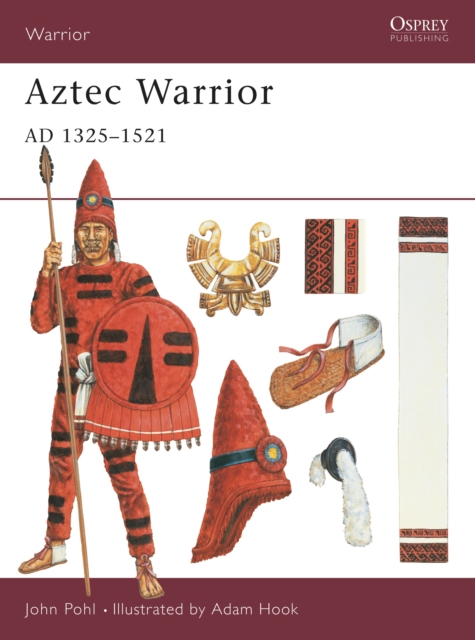
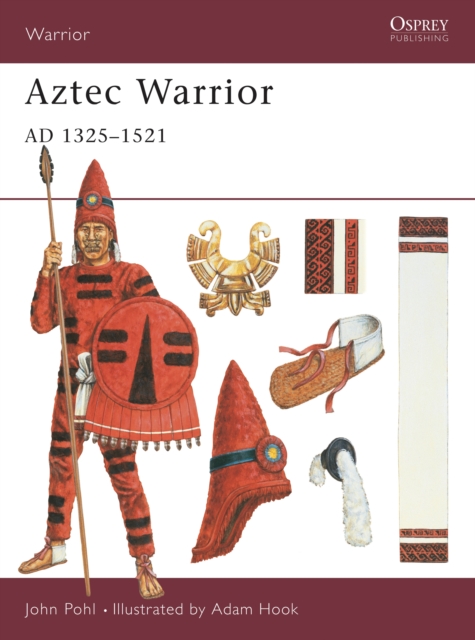
According to one popular image, the Aztec army was a ruthless and efficient war machine, that established an empire by convincingly overwhelming its neighbors, sacrificing thousands to bloodthirsty gods along the way.
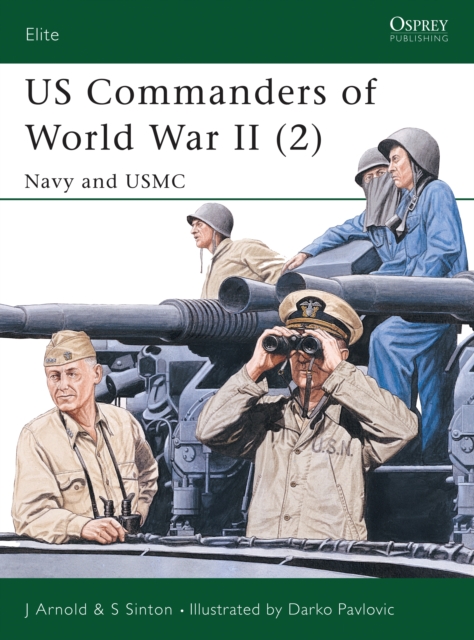
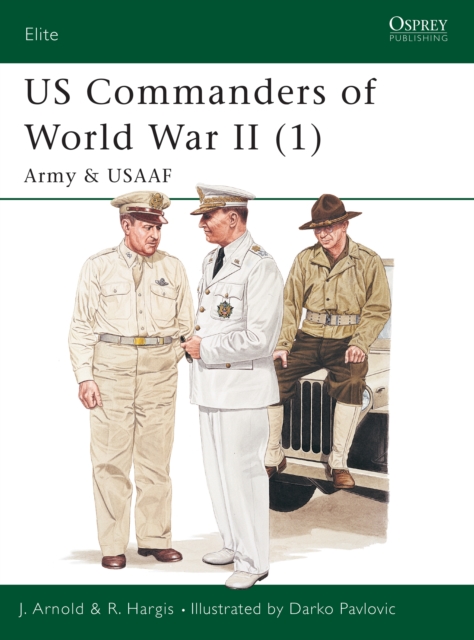
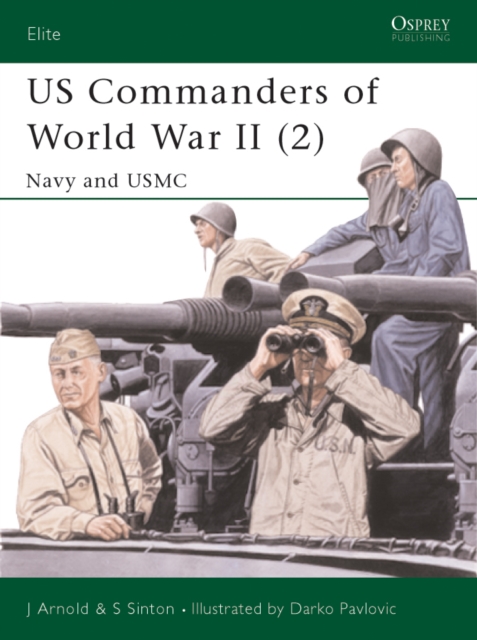
This title, the second of two looking at US commanders of World War II, examines the combat careers, personalities, uniforms, dress and appearance of the key US naval and Marine commanders.
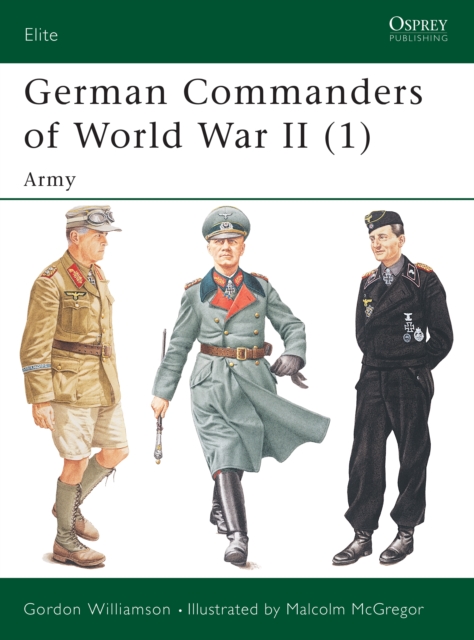
This first of two studies examining the careers and illustrates the appearance and uniforms of 19 of the German Army's leading field commanders in World War II.
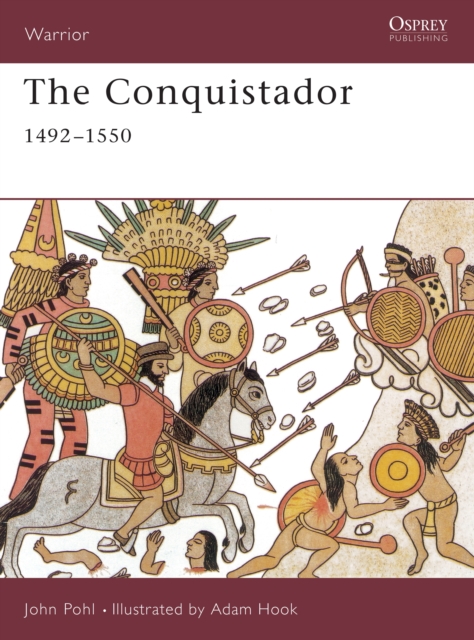
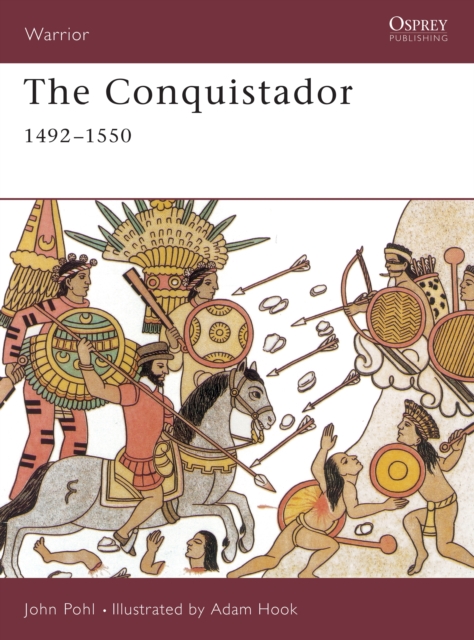
Many accounts portray the conquest of the "e;New World"e; as a remarkable military achievement, with Cort s' vastly outnumbered but better armed Spaniards defeating hordes of superstitious native peoples.
To be a successful commander requires experience, character, tenacity and boldness: the ability to establish a good rapport with both your staff and your men is also vital.
The British Army that faced Napoleon in the Peninsula was small by continental standards, but it consistently out-fought larger French armies, never losing a major open-field action.
According to one popular image, the Aztec army was a ruthless and efficient war machine, that established an empire by convincingly overwhelming its neighbors, sacrificing thousands to bloodthirsty gods along the way.
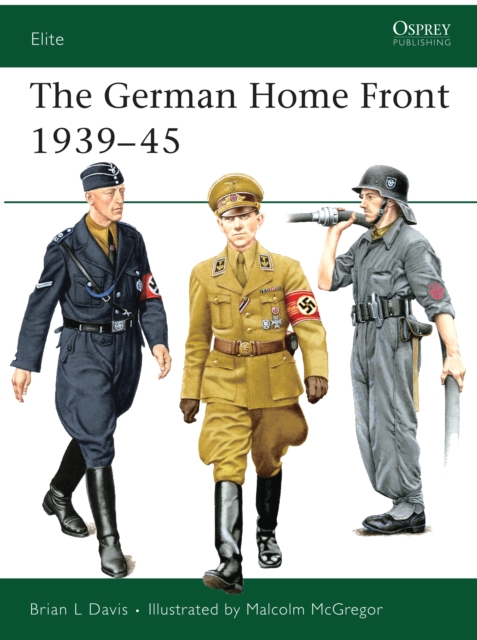
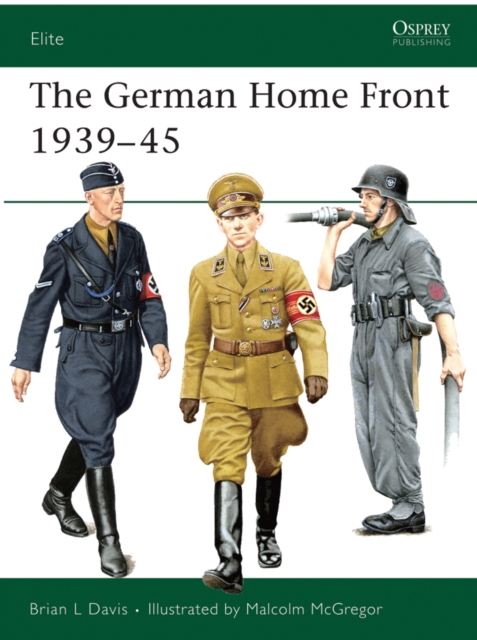
The first detailed, illustrated description in English of wartime life in Germany, and the tentacles of the Nazi state as they affected every man, woman and child.
Fighting in every theatre from the burning sands of North Africa to the icy wastes above the arctic circle, the German Army's Gebirgstruppen troops were some of the most effective in the whole of the Wehrmacht.
This title, the second of two looking at US commanders of World War II, examines the combat careers, personalities, uniforms, dress and appearance of the key US naval and Marine commanders.
The first detailed, illustrated description in English of wartime life in Germany, and the tentacles of the Nazi state as they affected every man, woman and child.
Many accounts portray the conquest of the "e;New World"e; as a remarkable military achievement, with Cort s' vastly outnumbered but better armed Spaniards defeating hordes of superstitious native peoples.