A Times Book of the Year'A superb work of history' JAMES HOLLAND'A thrilling account from a master of Second World War history' DAN SNOWA landmark history of the U-Boat war told through the experiences and recollections of the U-Boat crews themselves.
This remarkable collection of works by some of the most authoritative naval historians in the United States draws on many formerly classified sources to shed new light on the U.
This book brings together reference material and primary source documents concerning the most important people, places, events, and technologies of Classical Greek warfare in one easy-to-use volume-an invaluable resource for students, educators, and general readers interested in this compelling subject.
A remarkable account of the terrible climax of the Second World War in AsiaA Telegraph Book of the Year 2025 'A short but quietly devastating book, in which Overy adds new perspectives to a subject that has often been approached from a narrowly American angle.
Visions of Glory brings together twenty-two images and twenty-two brisk essays, each essay connecting an image to the events that unfolded during a particular year of the Civil War.
Fully revised, this third edition of Newly Commissioned Naval Officer's Guide continues to be an essential resource for those making the pivotal transition from midshipmen and officer candidates to newly commissioned naval officers from all service communities.
Fully revised, this third edition of Newly Commissioned Naval Officer's Guide continues to be an essential resource for those making the pivotal transition from midshipmen and officer candidates to newly commissioned naval officers from all service communities.
This book brings together reference material and primary source documents concerning the most important people, places, events, and technologies of Classical Greek warfare in one easy-to-use volume-an invaluable resource for students, educators, and general readers interested in this compelling subject.
Fully revised, this volume serves as the definitive history of the United States Marines, from their inception in 1775 through all major engagements in the World Wars, the Cold War, and into the wars in the Middle East in the twenty-first century.
This edited collection discusses conceptual ambiguities related indigenous groups in India, known as Adivasis (original inhabitants), and focuses particularly on Central Indian indigenous groups.
This edited collection discusses conceptual ambiguities related indigenous groups in India, known as Adivasis (original inhabitants), and focuses particularly on Central Indian indigenous groups.
This visual history sheds light on forgotten parts of World War II history through the lens of the US Marine Corps, serving everywhere outside of the Pacific.
In British shipping in the Mediterranean Katerina Galani investigates the impact of the French and Napoleonic wars on British maritime economic activity.
On the southern frontier in the eighteenth and early nineteenth centuries, European men-including traders, soldiers, and government agents-sometimes married Native women.
FINANCIAL TIMES HISTORY BOOK OF THE YEAR and DAILY TELEGRAPH BOOKS OF THE YEARShortlisted for the 2012 DUKE OF WESTMINSTER MEDAL FOR MILITARY LITERATUREAt the end of 1917 Britain and France faced a strategic nightmare.
Jenkins sets about his task with infectious enthusiasm and draws out all the most important themes in America s 250-year history' The TimesIn the two hundred and fifty years since its foundation, the United States of America has grown to become the world s richest and most powerful union.
The most iconic planes of WWII, the Supermarine Spitfire, Hawker Hurricane, DeHavilland Mosquito and the Avro Lancaster, were all powered by one engine, the Rolls-Royce Merlin.
On the evening of 30 March, 1982, Commander David Hall, chief engineer of the British nuclear submarine HMS Conqueror received a telephone call giving him the order to 'store for war'.
This book presents Herman Hugo's The Siege of Breda (1626) in a modern-spelling edition of Henry Gage's 1627 English translation, introduced and contextualised by Paul Arblaster.
When the first Harrier strike fighter was introduced by the Royal Air Force in the late 1960s, it was hailed as a technological breakthrough with its speed, vertical, short takeoff and landing capability (V/STOL).
A fresh, all-encompassing study of the most active British fleet of the French Revolutionary and Napoleonic wars: the Mediterranean Fleet, in which Horatio Nelson made his legendary name.
A BBC RADIO 4 BOOK OF THE WEEK 'Esther Safran Foer has written of her family in a way that is both uniquely and heartbreakingly her story and a deeply important testament for Ashkenazi Jews.
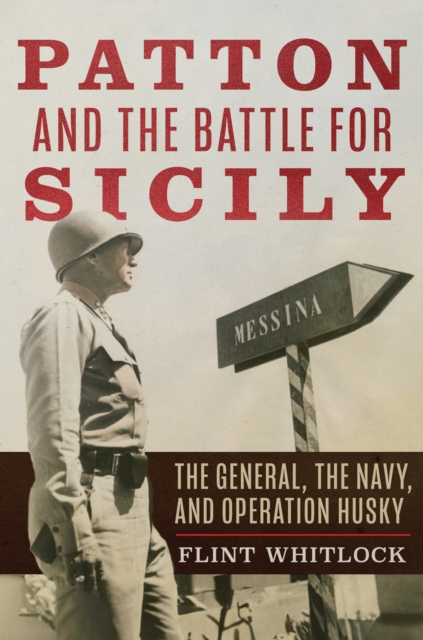
Operation Husky, the combined American and British air and sea invasion of Sicily in July 1943, was one of World War II's most critical campaigns with General George S.