One of the most devastating armed conflicts in history, World War I completely transformed the social and political landscape of the world in four short years.
The War of 1812 was an extremely complicated war motivated by British seizures of American vessels and goods, American desire to expand into Canada, and impressment of American sailors into the British Navy.
'Odd Arne Westad's daring ambition, supra-nationalist intellect, polyglot sources, masterly scholarship and trenchant analysis make The Cold War a book ofresounding importance for appraising our global future as well as understanding our past' Richard Davenport-Hines, TLS, Books of the YearAs Germany and then Japan surrendered in 1945 there was a tremendous hope that a new and much better world could be created from the moral and physical ruins of the conflict.
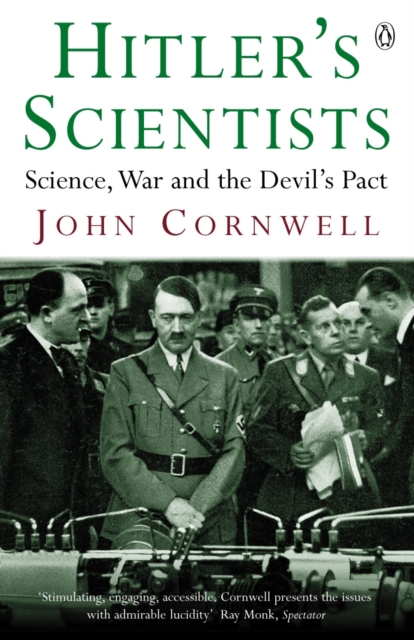
In a rich and fascinating history John Cornwell tells the epic story of Germany's scientists from the First World War to the collapse of Hitler's Reich.
The vivid and exciting accounts written from the front line, taking the story of the British war with Napoleon from its desperate beginnings in Portugal to the final triumph at WaterlooThe Duke of Wellington was not only an incomparable battle commander but a remarkably expressive, fluent and powerful writer.
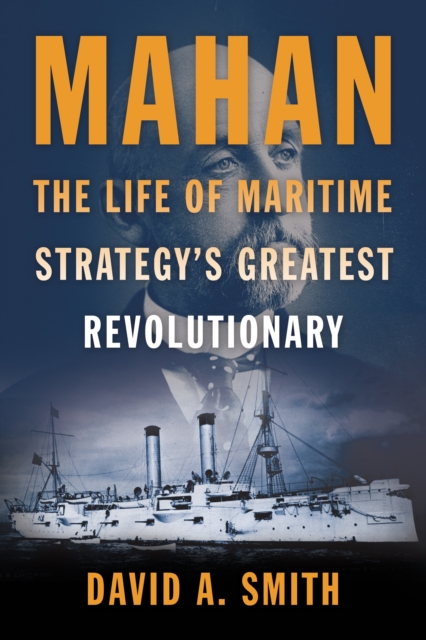
The first full biography of Alfred Thayer Mahan in nearly fifty years explores how his groundbreaking ideas on sea power reshaped naval strategy and global politics-and why they still matter today.
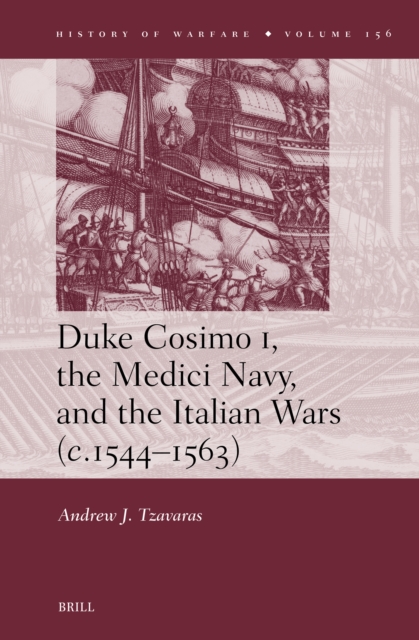
Do Duke Cosimo's galleys, fortresses, and the crusading Order of Santo Stefano illuminate political, religious, and naval actions in the early modern Mediterranean world?
Current military historiography has a tendency to portray the military effectiveness of non-western, post-colonial states in broad generalized stereotypes.
The military nobility - "e;signori di castelli"e;, lords of castles - formed an important component of the society of Renaissance Italy, although they have often been disregarded by historians, or treated as an anomaly.
Beginning with the roots of anti-Semitism in early Christian Europe, this book traces the evolution of the Jewish stereotype as the evil "e;other,"e; which culminated in Adolf Hitler's war against the Jews, wherein he sought to eliminate through mass murder every Jewish man, woman and child.
In War and Revolution in Catalonia, 1936-1939, Pelai Pages i Blanch analyses the political and military evolution of the events in Catalonia during the Spanish Civil War: the street battles that defeated the military rebellion; the social revolution that pervaded all levels of Catalonia's politics, economy, and culture; the gradual erosion of workers' power, culminating in the May Events; and Catalonia's eventual fall to Franco's forces.
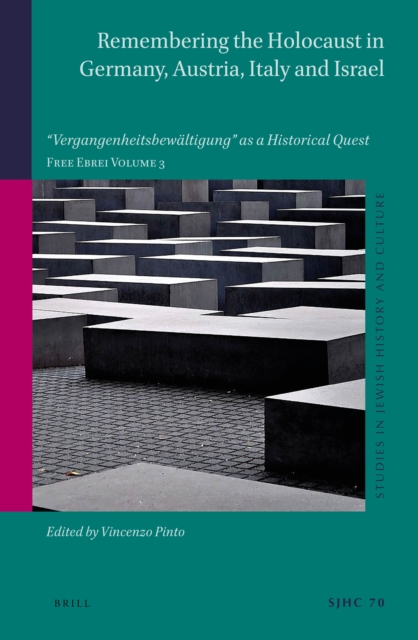
Remembering the Holocaust in Germany, Austria, Italy and Israel: "e;Vergangenheitsbewaltigung"e; as a Historical Quest offers an account on post-war coming-to-terms with the Holocaust tragedy in some European countries, such as Germany, Austria, and Italy.
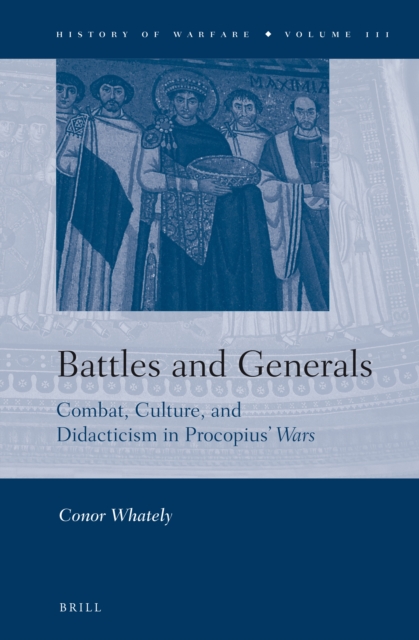
In Battles and Generals: Combat, Culture, and Didacticism in Procopius' Wars, Whately reads Procopius' descriptions of combat through the lens of didacticism, arguing that one of Procopius' intentions was to construct those accounts not only so that they might be entertaining to his audience, but also so that they might provide real value to his readership, which was comprised, in part, of the empire's military command.
In 1915, shortly after the outbreak of World War I, between twelve hundred and two thousand women representing twelve nations journeyed to The Netherlands to plead for peace at The Hague.
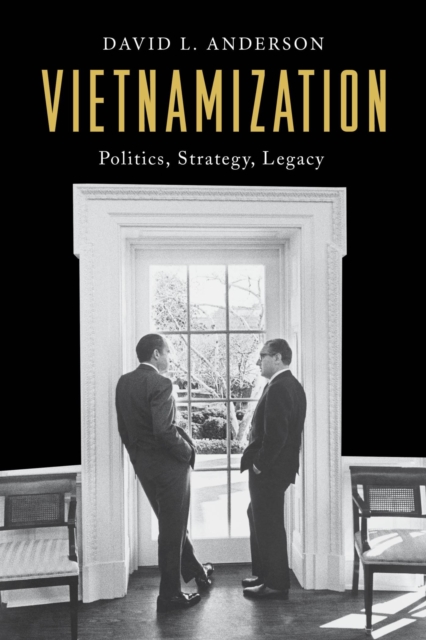
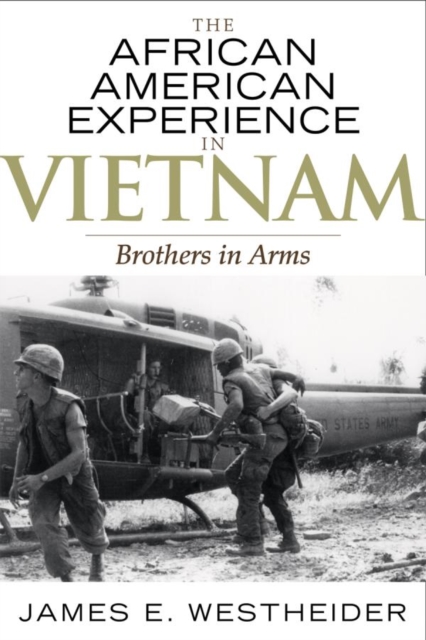
When he took office in 1969, the term that Richard Nixon embraced to describe his plan for ending the American war in Vietnam was "e;Vietnamization,"e; the process of withdrawing US troops and turning over responsibility for the war to the South Vietnamese government.
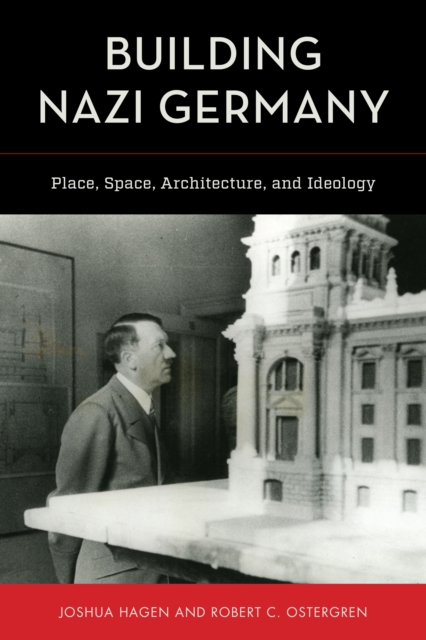
This richly illustrated book details the wide-ranging construction and urban planning projects launched across Germany after the Nazi Party seized power.
In 1915, shortly after the outbreak of World War I, between twelve hundred and two thousand women representing twelve nations journeyed to The Netherlands to plead for peace at The Hague.
Beginning with the roots of anti-Semitism in early Christian Europe, this book traces the evolution of the Jewish stereotype as the evil "e;other,"e; which culminated in Adolf Hitler's war against the Jews, wherein he sought to eliminate through mass murder every Jewish man, woman and child.
When he took office in 1969, the term that Richard Nixon embraced to describe his plan for ending the American war in Vietnam was "e;Vietnamization,"e; the process of withdrawing US troops and turning over responsibility for the war to the South Vietnamese government.