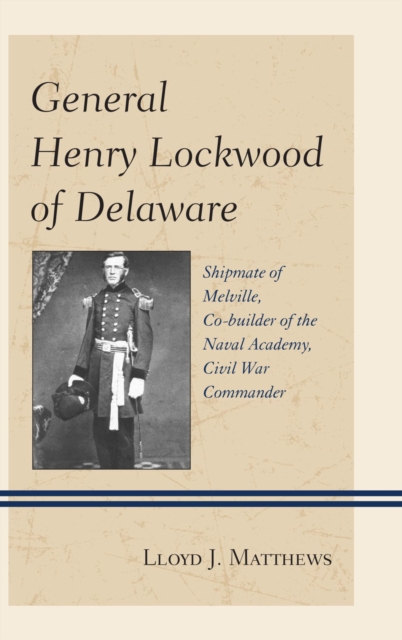
General Henry Lockwood of Delaware: Shipmate of Melville, Co-builder of the Naval Academy, Civil War Commander depicts the fascinating and accomplished life of nineteenth-century Delaware son, Brig.
This work explores the experiences of Hans Werner Richter and Alfred Andersch, authors who served in the German army during World War II, were captured by U.
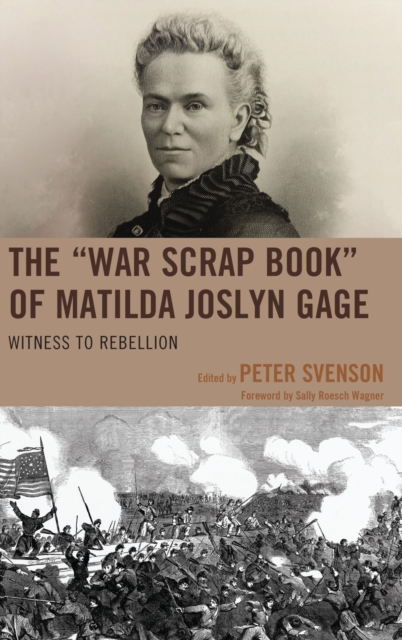
Although she was one of the leading thinkers and writers of the women's suffrage movement, Matilda Joslyn Gage (1826-1898) was largely written out of history.
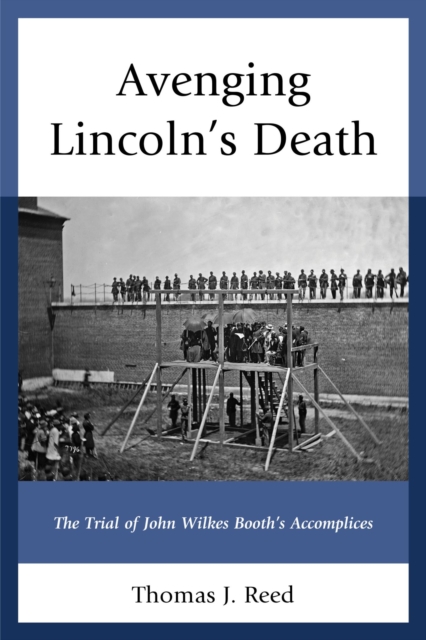
Avenging Lincoln's Death: The Trial of John Wilkes Booth's Accomplices is an examination of the 1865 military commission trial of eight alleged accomplices of John Wilkes Booth, the assassin who murdered President Abraham Lincoln.
The product of over thirty years of research on the American Civil War by Italy's most renowned authority on the subject, this study synthetically analyzes the great drama that from 1861 to 1865 devastated the United States and gave life to the modern American nation.
New Modernist Studies, while reviving and revitalizing modernist studies through lively, scholarly debate about historicity, aesthetics, politics, and genres, is struggling with important questions concerning the delineation that makes discussion fruitful and possible.
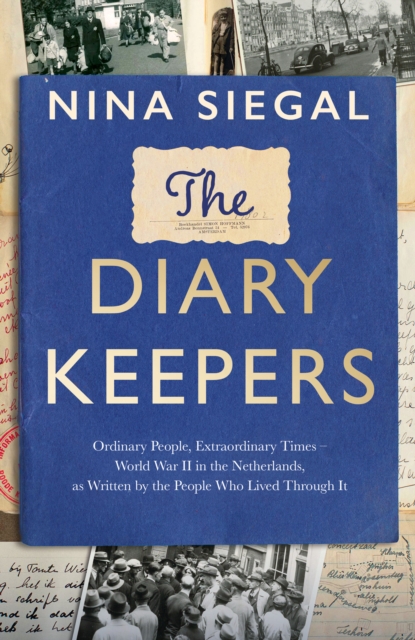
Based on select writings from an exceptional Amsterdam archive containing more than two thousand Dutch diaries from World War II, The Diary Keepers illuminates a part of history we haven't seen in quite this way before.
A full understanding of the historical process must include studies of the social and economic conditions of societies as well as biographies of the people on which a clear understanding of history is based-but not just the "e;great"e; people.
The third book in Professor Christian Potholm's war trilogy (which includes Winning at War and War Wisdom), Understanding War provides a most workable bibliography dealing with the vast literature on war and warfare.
The United States had never lost a war that is, until 1975, when it was forced to flee Saigon in humiliation after losing to what Lyndon Johnson called a "e;raggedy-ass little fourth-rate country.
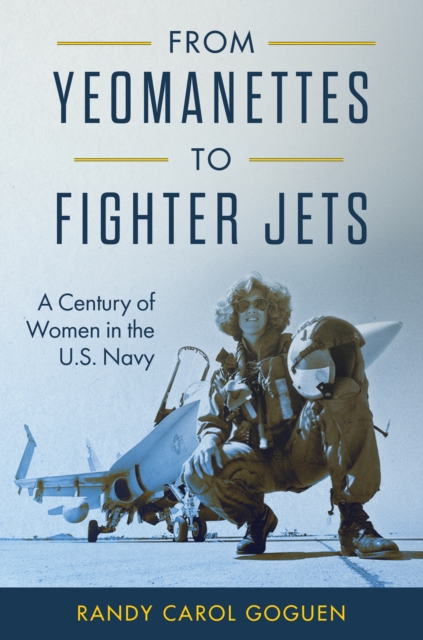
From Yeomanettes to Fighter Jets addresses a major element of twenty-first century sea power-the integration of women into all military units of the U.
The Illusion of Ignorance examines the cultural politics of the American encounter with Porfirian Mexico as a precursor and model for the twentieth-century American encounter with the world.
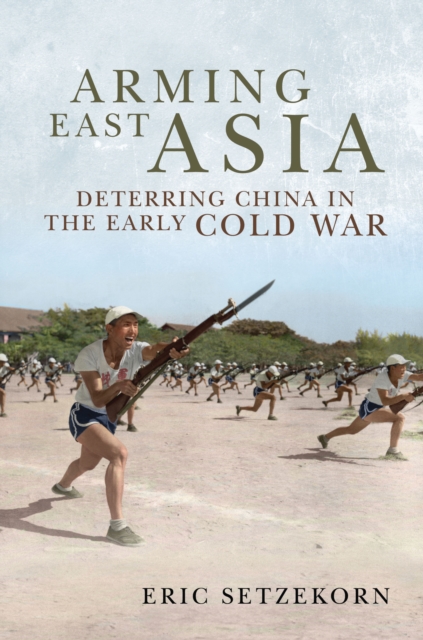
Arming East Asia: Deterring China in the Early Cold War examines President Eisenhower';s mutual security program in East Asia and explains how that administration worked to contain China.
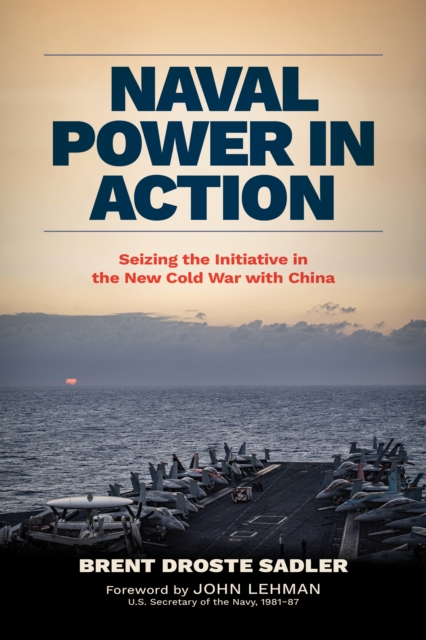
Naval Power in Action focuses attention to the United States' current competition with China, laying out a case for acting in three areas: strengthen the homeland to economic coercion, modernize and reorganize institutions to successfully compete, and winning the positional fight with China over markets and military posture.
This study represents the first published translation and analysis of an intriguing scheme of invasion of the British Isles that formed the foundation of all later invasion plans drawn up in the ivory towers of French diplomacy.
Comfort Women and Sex in the Battle Zone is an exhaustive examination of the controversial issue of comfort women, who provided sexual services to Japanese soldiers before and during World War II.
Becoming the Arsenal discusses one of the three signal events that transformed the relationship of government and the private sector in directing the American economy.
Power, Threat, or Military Capabilities assesses two mainstays of international relations, balance of power and balance of threat, using the case of US balancing against the Soviet Union in the later Cold War.
War trauma has long been associated with post-traumatic stress disorder (PTSD), a term coined in 1980 to explain the post-war impact of Vietnam veterans.
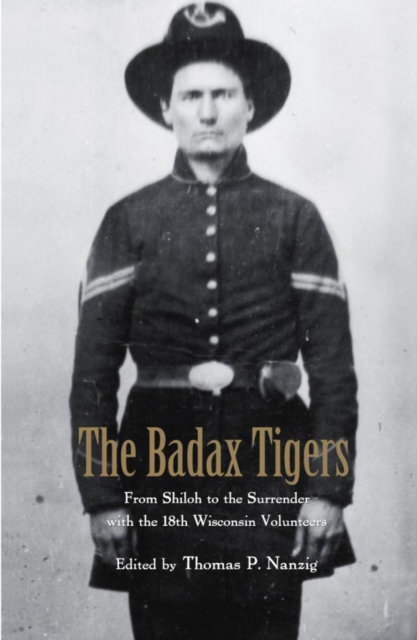
When the Badax County Tigers left the small town of Viroqua, Wisconsin, in the autumn of 1861, they had little notion of what military service would demand of them.
The first comprehensive history of the most decisive military campaign of the Third Crusade and one of the longest wartime sieges of the Middle Ages The two-year-long siege of Acre (1189–1191) was the most significant military engagement of the Third Crusade, attracting armies from across Europe, Syria, Mesopotamia, Egypt, and the Maghreb.
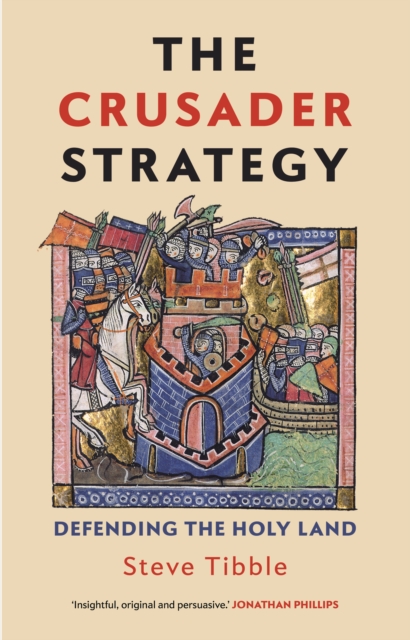
A new look at the crusaders, which shows how they pursued long-term plans and clear strategic goals Medieval states, and particularly crusader societies, often have been considered brutish and culturally isolated.
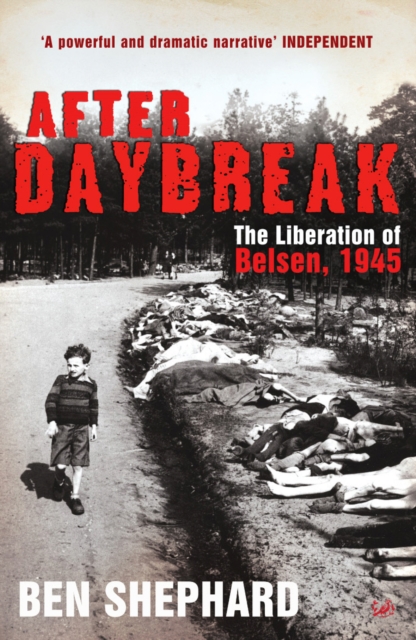
'The things I saw completely defy description': when British troops entered Bergen-Belsen concentration camp in April 1945, they uncovered scenes of horror and depravity that shocked the world.
*A New Statesman Best Summer Read*'A book to underline endlessly, to carry around until battered, and then to tell all your friends to buy because you're too reluctant to give up your own copy.
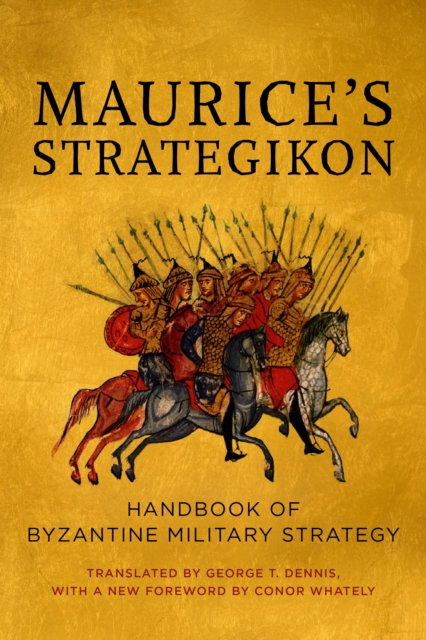
This military handbook, attributed to the Byzantine emperor Maurice (582-602), is an invaluable source not only for early Byzantine history, but also for the history of the art of war.