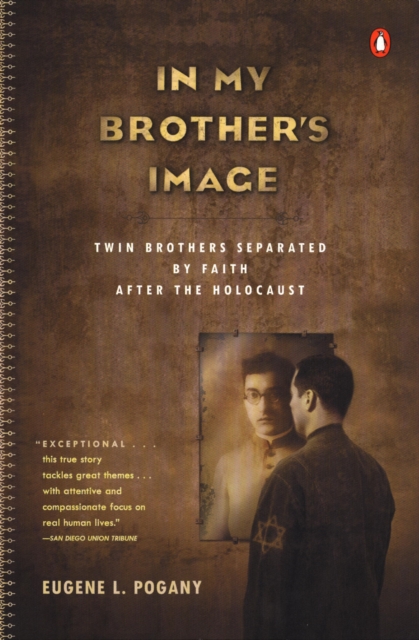
In My Brother''s Image is the extraordinary story of Eugene Pogany''s father and uncle-identical twin brothers born in Hungary of Jewish parents but raised as devout Catholic converts until the Second World War unraveled their family.
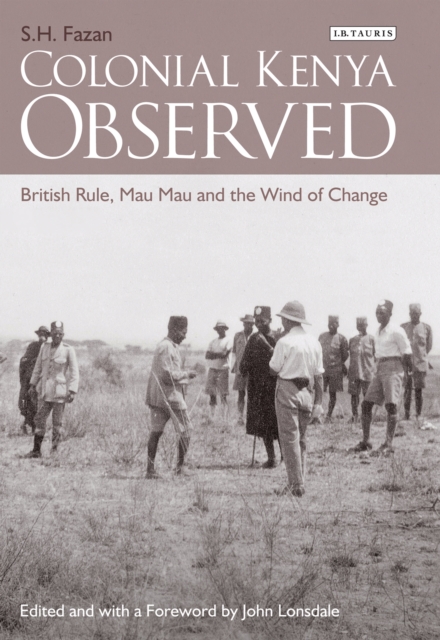
The coast of East Africa was considered a strategically invaluable region for the establishment of trading ports, both for Arab and Persian merchants, long prior to invasion and conquest by Europeans.
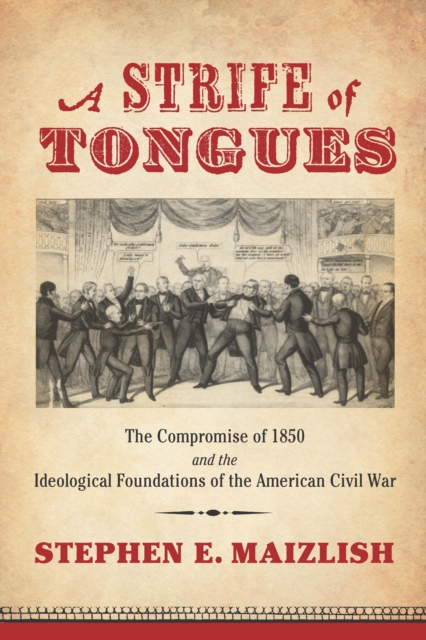
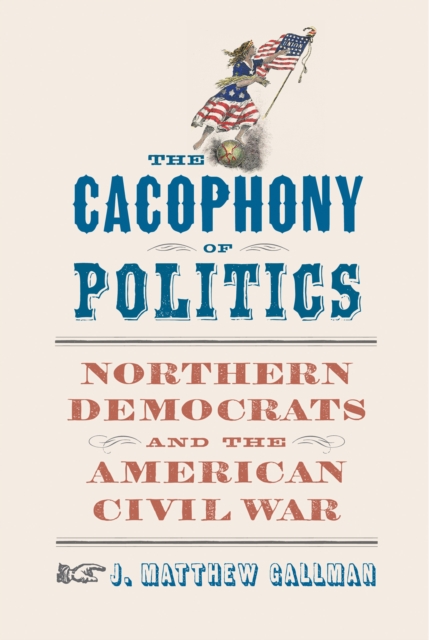
Near the end of a nine-month confrontation preceding the Compromise of 1850, Abraham Venable warned his fellow congressmen that "e;words become things.
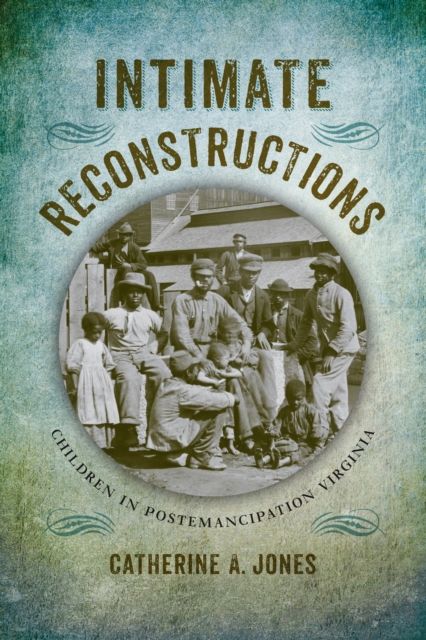
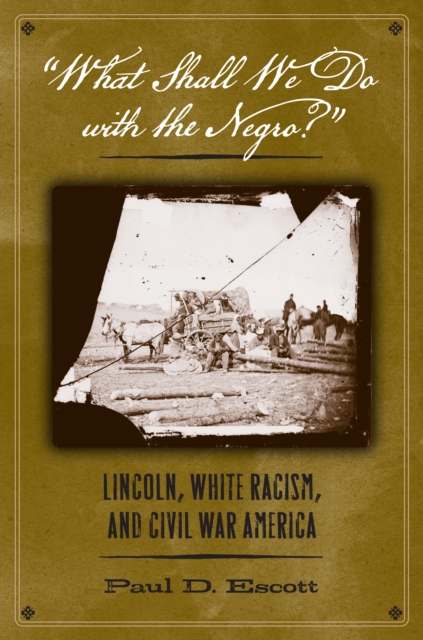
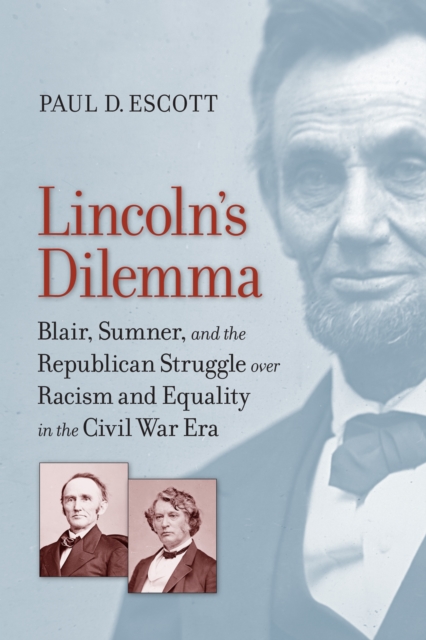
Throughout the Civil War, newspaper headlines and stories repeatedly asked some variation of the question posed by the New York Times in 1862, "e;What shall we do with the negro?
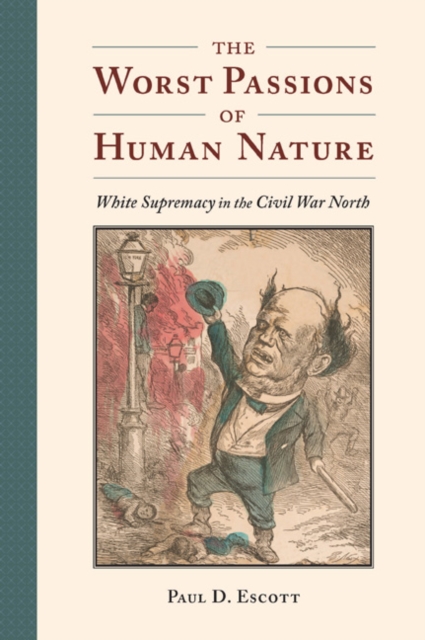
The American North's commitment to preventing a southern secession rooted in slaveholding suggests a society united in its opposition to slavery and racial inequality.
THE NEW YORK TIMES BESTSELLER'A stunning book, among the most immediate and thrilling works of history I have ever read' At 8:15am on August 6th 1945, an atomic bomb was dropped on the Japanese city of Hiroshima.
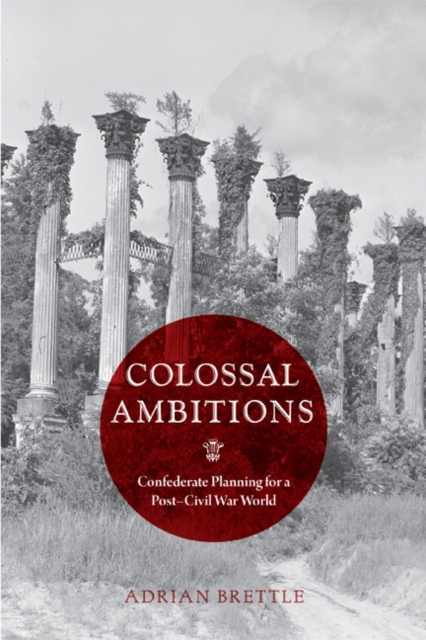
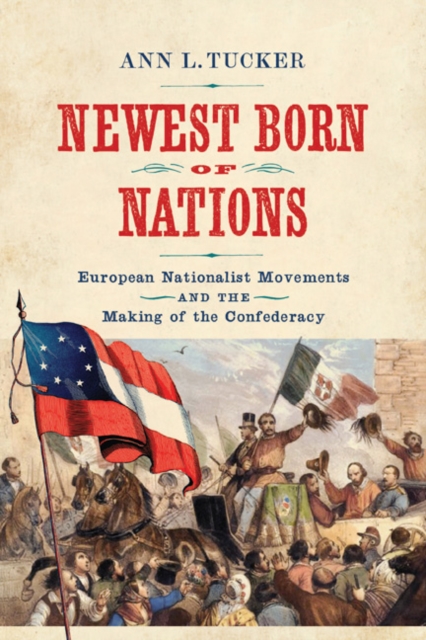
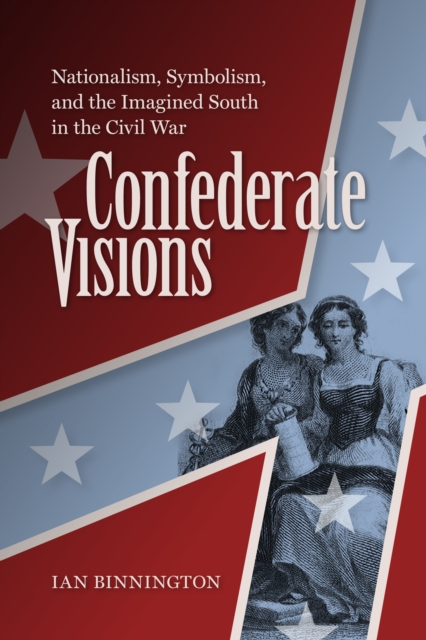
Leading politicians, diplomats, clerics, planters, farmers, manufacturers, and merchants preached a transformative, world-historical role for the Confederacy, persuading many of their compatriots to fight not merely to retain what they had but to gain their future empire.
CHOICE Outstanding Academic Title, American Library Association (2021)From the earliest stirrings of southern nationalism to the defeat of the Confederacy, analysis of European nationalist movements played a critical role in how southerners thought about their new southern nation.
The American North's commitment to preventing a southern secession rooted in slaveholding suggests a society united in its opposition to slavery and racial inequality.
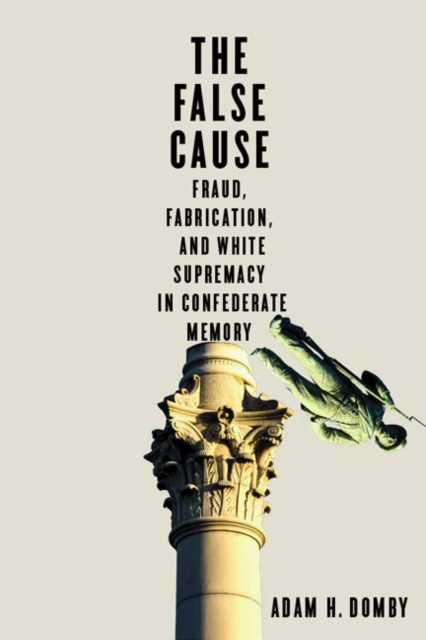
The Lost Cause ideology that emerged after the Civil War and flourished in the early twentieth century in essence sought to recast a struggle to perpetuate slavery as a heroic defense of the South.
Charles Dew's Apostles of Disunion has established itself as a modern classic and an indispensable account of the Southern states' secession from the Union.
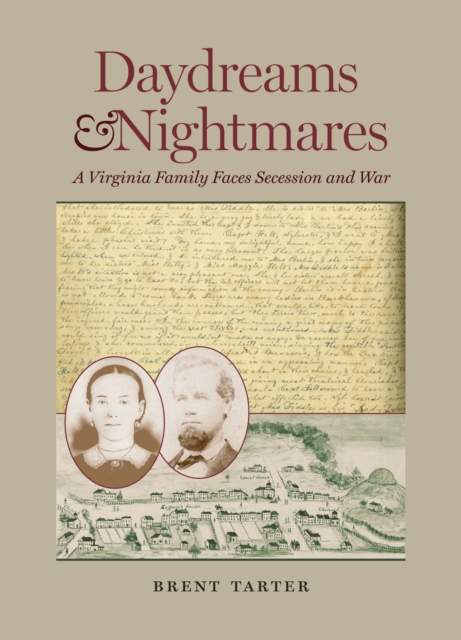
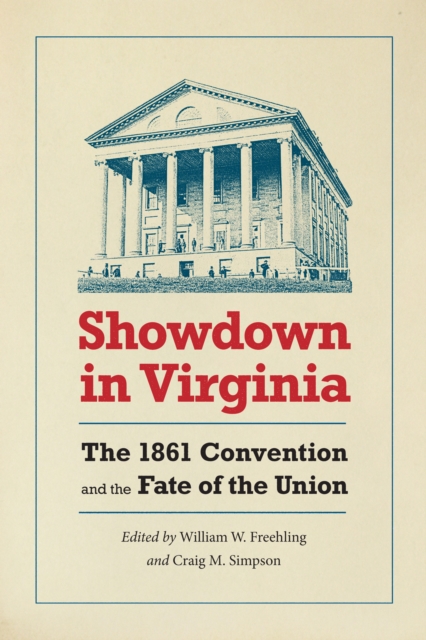
In the lead-up to the Civil War, Virginia, like other southern states, amassed a large public debt while striving to improve transportation infrastructure and stimulate economic development.
Tracing the development of a new genre in contemporary American literature that was engendered in the civil rights, feminist, and ethnic empowerment struggles of the 1960s and 1970s, Bridges to Memory shows how these movements authorized African American and ethnic American women writers to reimagine the traumatic histories that form their ancestral inheritance and define their contemporary identities.
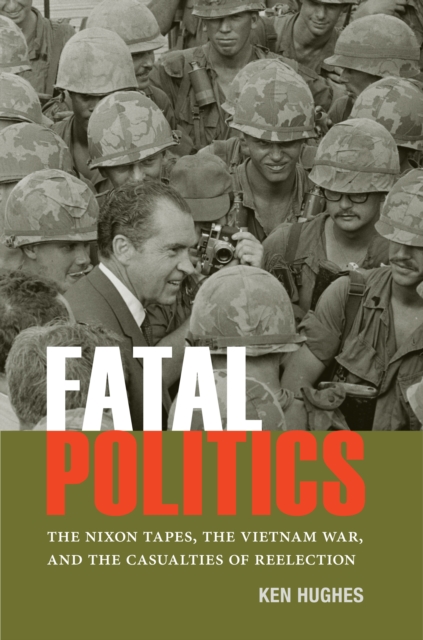
In his widely acclaimed Chasing Shadows ("e;the best account yet of Nixon's devious interference with Lyndon Johnson's 1968 Vietnam War negotiations"e;-- Washington Post), Ken Hughes revealed the roots of the covert activity that culminated in Watergate.
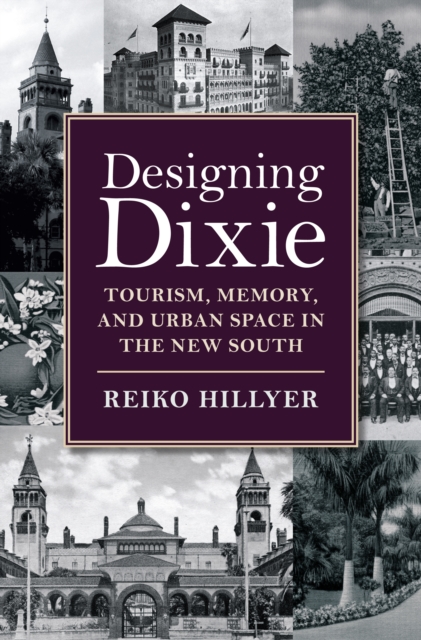
Although many white southerners chose to memorialize the Lost Cause in the aftermath of the Civil War, boosters, entrepreneurs, and architects in southern cities believed that economic development, rather than nostalgia, would foster reconciliation between North and South.
The decision of the eventual Confederate states to secede from the Union set in motion perhaps the most dramatic chapter in American history, and one that has typically been told on a grand scale.
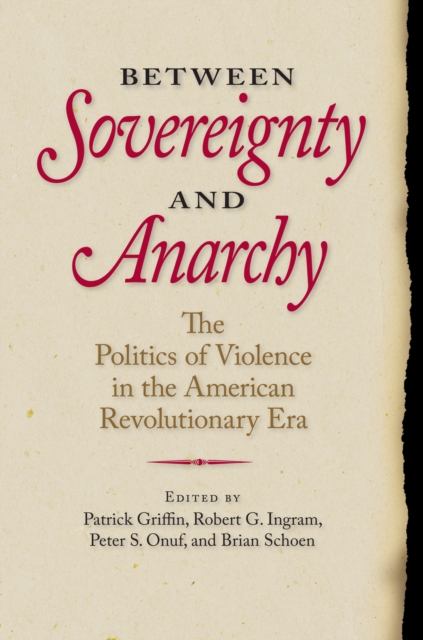
Between Sovereignty and Anarchy considers the conceptual and political problem of violence in the early modern Anglo-Atlantic, charting an innovative approach to the history of the American Revolution.
In this pathbreaking new work, Vitor Izecksohn attempts to shed new light on the American Civil War by comparing it to a strikingly similar campaign in South America--the War of the Triple Alliance of 1864-70, which galvanized four countries and became the longest large-scale international conflict in the history of the Americas.
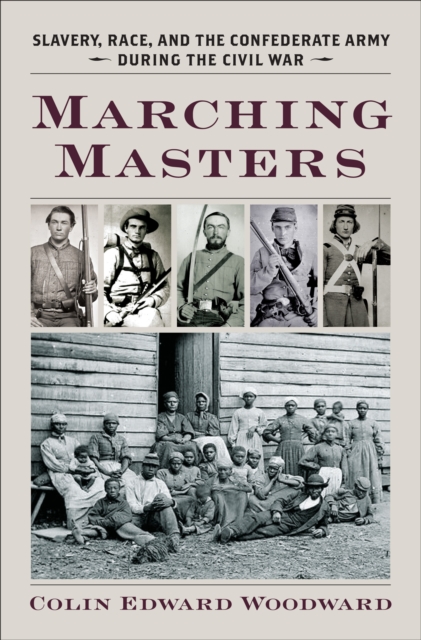
The Confederate army went to war to defend a nation of slaveholding states, and although men rushed to recruiting stations for many reasons, they understood that the fundamental political issue at stake in the conflict was the future of slavery.
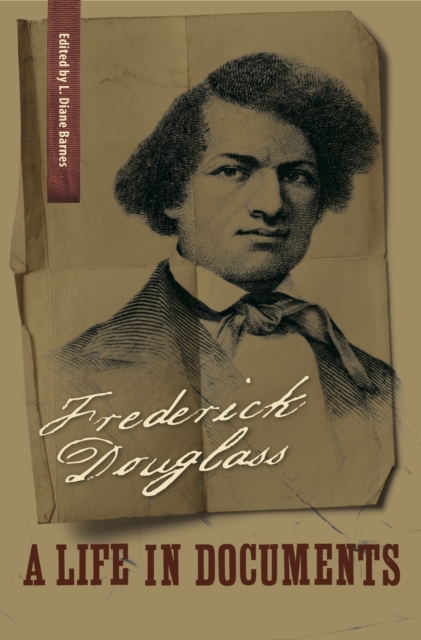
Frederick Douglass was born enslaved in February 1818, but from this most humble of beginnings, he rose to become a world-famous orator, newspaper editor, and champion of the rights of women and African Americans.
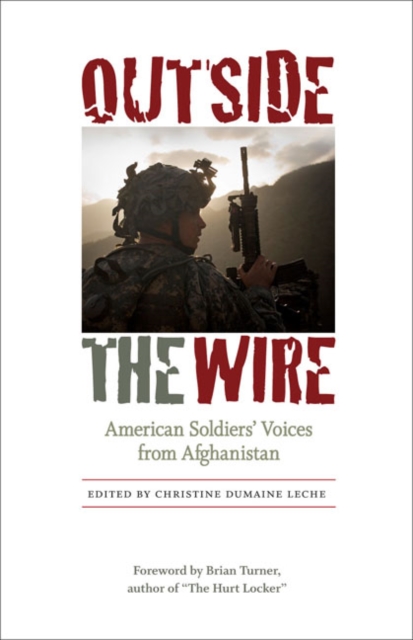
A riveting collection of thirty-eight narratives by American soldiers serving in Afghanistan, Outside the Wire offers a powerful evocation of everyday life in a war zone.
Although his career continued for almost three decades after the 1939 publication of The Grapes of Wrath, John Steinbeck is still most closely associated with his Depression-era works of social struggle.
Throughout the Civil War, newspaper headlines and stories repeatedly asked some variation of the question posed by the New York Times in 1862, "e;What shall we do with the negro?
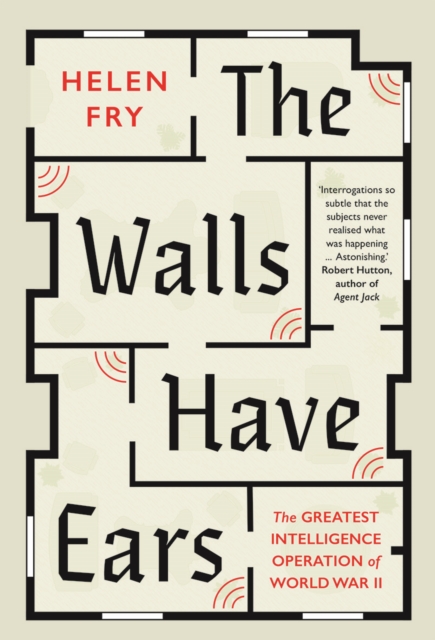
A history of the elaborate and brilliantly sustained World War II intelligence operation by which Hitler’s generals were tricked into giving away vital Nazi secrets“A great book.