Winner: Fletcher Pratt AwardWinner: Richard Barksdale Harwell Book AwardHow did politicians, bureaucrats, reporters, and civilians in Richmond understand a war being fought a thousand miles away?
(Originally Published in 2000 by Allyn & Bacon)Teaching and Studying the Holocaust is comprised of thirteen chapters by some of the most noted Holocaust educators in the United States.
This volume charts the history of transnational and transatlantic fascism in East Central and Southeastern Europe, a lesser-known phenomenon that occurred throughout the twentieth century into the present.
Explores the experiences of twelve battalion commanders, revealing the leadership skills and principles required to succeed in extreme combat environments.
Commercial Off-the-Shelf (COTS) robotics have transformed industry—lowering costs, accelerating innovation, and making advanced tools accessible to anyone.
Die Reaktion der europäischen NATO-Mitglieder auf den Druck der USA, substanziell aufzurüsten, wird systematischer Kritik unterzogen und die Bedrohung nüchtern analysiert.
BOOK DESCRIPTIONDERELICTION: A Global History of Military Trauma Treatment Failures, Scandals, and Institutional Resistance to ReformEvery decade, a scandal erupts.
Die Reaktion der europäischen NATO-Mitglieder auf den Druck der USA, substanziell aufzurüsten, wird systematischer Kritik unterzogen und die Bedrohung nüchtern analysiert.
"L’oracle des Grands Lacs" donne un aperçu particulier de la guerre des Grands Lacs en livrant des éclaircissements sur son histoire et sur la vie doucement en cours, des souvenirs romancés.
This book provides the first history of the Silk Screen Shop (1943-45) at the Granada War Relocation Center (“Amache”) in Colorado, a World War II incarceration site for Japanese Americans.
This book provides the first history of the Silk Screen Shop (1943-45) at the Granada War Relocation Center (“Amache”) in Colorado, a World War II incarceration site for Japanese Americans.
This book covers the period from the approach of Allied and Soviet armies to the Reich frontiers in late summer 1944 right up to the final collapse in May 1945.
This book covers the period from the approach of Allied and Soviet armies to the Reich frontiers in late summer 1944 right up to the final collapse in May 1945.
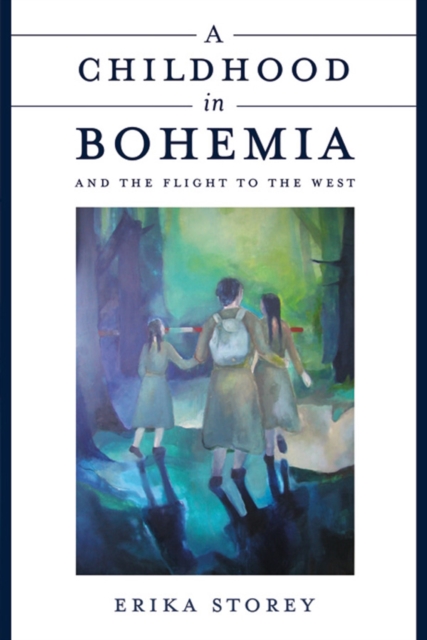
Erika Schroll, a small girl, growing up in the picturesque town of Saaz, discovers the way of the world and her own nature amidst the turmoil of a World War and its devastating consequences.
Focusing on the diverse experiences of modern Western counterinsurgency thinking, this book brings together in one volume the important testimonies on the counterinsurgency doctrine (COIN), its development over the centuries, from the late 17th century to the present.
The Roman Conquests series seeks to explain when and how the Romans were able to conquer a vast empire stretching from the foothills of the Scottish Highlands to the Sahara Desert, from the Atlantic to the Persian Gulf.
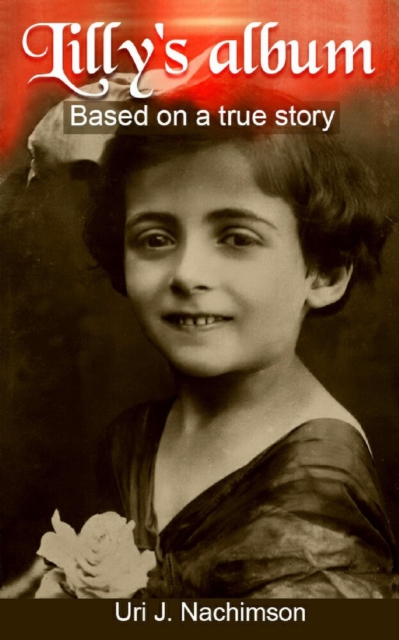
Lilly's Album is based on the true story of a young Jewish woman from Poland, whose life, dreams, and vanished world were preserved through a family photo album.
This book is about “zero generation” witness literature: texts written by those who died in the Holocaust and who knew, at the time of their writing, that they would not survive.
This book is about “zero generation” witness literature: texts written by those who died in the Holocaust and who knew, at the time of their writing, that they would not survive.
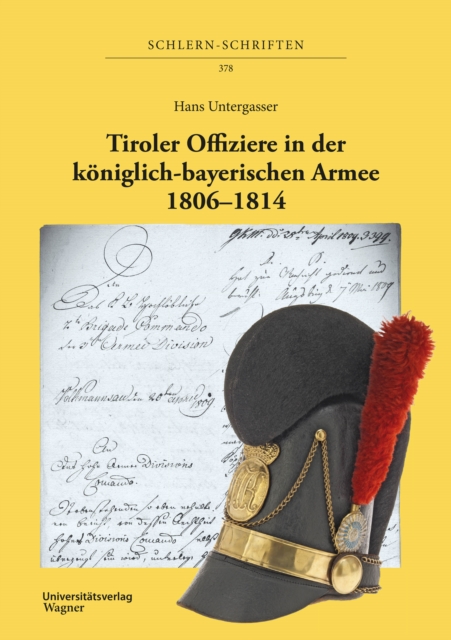
Diese Publikation gibt Forschungsergebnisse von Recherchen in bisher unberücksichtigten Quellen in den öffentlichen Archiven von Tirol und Bayern wieder.
BOOK DESCRIPTIONThe Nuclear Reckoning: Why Cold War Arms Control Is Failing the 21st CenturyBook 2 of The START TrilogyThe frameworks that prevented nuclear catastrophe during the Cold War are crumbling.
BOOK DESCRIPTIONThe Afterlife of Armageddon: The Environmental and Human Legacy of Nuclear DisarmamentBook 3 of The START TrilogyWhen the Cold War ended and the START treaties dismantled over 13,000 nuclear warheads, the world celebrated peace.
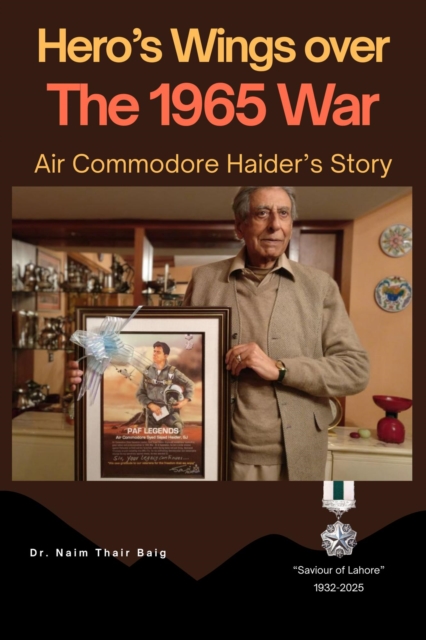
Book DescriptionHero's Wings Over the 1965 War: Air Commodore Haider's StoryIn the annals of military aviation history, few figures embody the confluence of heroism, integrity, and unwavering principle like Air Commodore Syed Sajjad Haider.
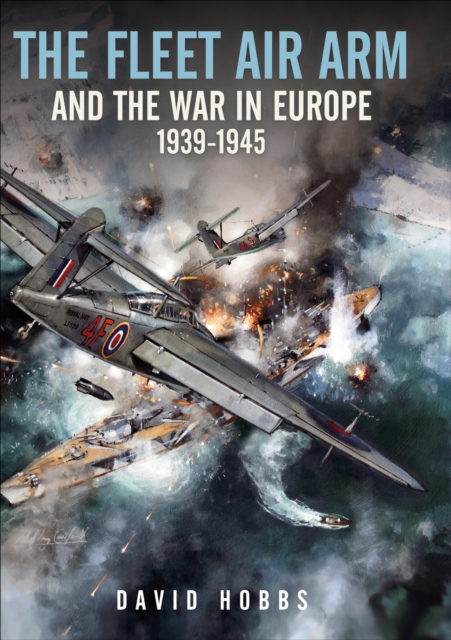
We can all walk into any of the myriad aircraft museums dotted across the world and appreciate the wonderfully restored and preserved exhibits on display.
Battle Lines Drawn: War Comics Since 1914 delves into the rich and diverse history of war comics, exploring how the medium represents and reflects upon global conflicts from World War I to the modern era.