How did the evolution of new gunpowder weapons change the nature, structure and composition of the Florentine militias during the first decades of the sixteenth century?
Volume 1 of the two-volume set MMed 135: These volumes offer the first critical edition of the Chronique d'Ernoul and the so-called Colbert-Fontainebleau (or Acre) Continuation of William of Tyre in over 150 years.
Exploring the military, legal, social and literary aspects of ancient warfare, this study examines the multifaceted nature of the siege phenomenon in the Ancient Near East.
Neocolonialism, in contemporary discourse, has emerged as a compelling analytical lens to revisit and reassess power structures, global hierarchies, and cultural narratives in a postcolonial world.
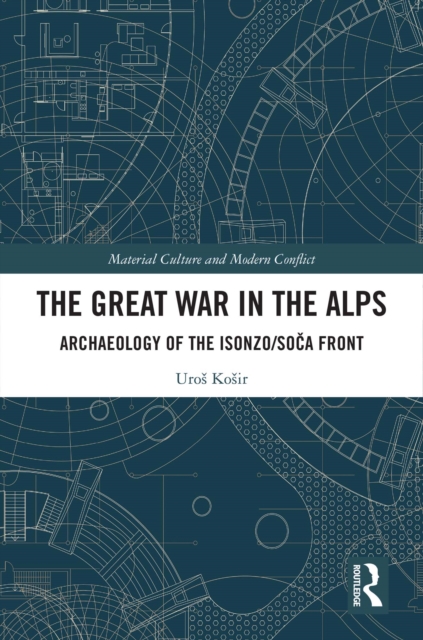
This book provides the first account of the Isonzo/Soca frontline through the multidisciplinary lens of modern conflict archaeology, offering unique insights into multilayered conflict landscapes of the Soca Front.
Neocolonialism, in contemporary discourse, has emerged as a compelling analytical lens to revisit and reassess power structures, global hierarchies, and cultural narratives in a postcolonial world.
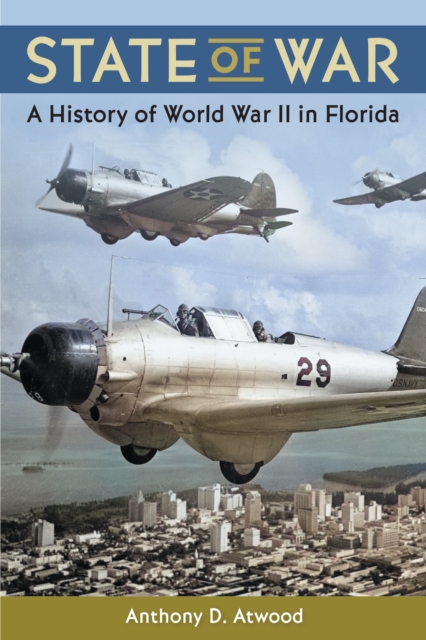
A deeply researched history of Floridas strategic and military roles in World War IIThe first book to share the entire history of Floridas involvement in World War II, State of War explores how the war transformed the state into a major hub of military industry and an important training base for ground, naval, and air forces.
Der 1953 verstorbene Herbert Charles O'Neill, bekannt geworden unter seinem Pseudonym "Strategicus", war britischer Journalist und Autor und arbeitete unter anderem in der Redaktion der "Daily Mail", als Kolumnist bei "The Spectator" und als stellvertretender Herausgeber des "Observer.
This book examines the effect of the French Revolution and the ensuing war with Spain on northern Catalonia, annexed by France in the seventeenth century and constrained by the imposition of a political border along the Pyrenees.
This book examines the effect of the French Revolution and the ensuing war with Spain on northern Catalonia, annexed by France in the seventeenth century and constrained by the imposition of a political border along the Pyrenees.
This edited collection examines the violence experienced by non-combatants during the civil wars which took place in Europe in the first half of the twentieth century.
This edited collection examines the violence experienced by non-combatants during the civil wars which took place in Europe in the first half of the twentieth century.
The inclusion of eastern Poland into the Soviet Union by the 1939 MolotovRibbentrop Pact initiated a long and bloody resistance of local Ukrainian population to Soviet rule.
En unos tiempos en que ha vuelto a hacer acto de presencia una profunda crispación política, y a solo una década de que España conmemore el inicio del mayor drama de nuestra historia contemporánea, la pregunta sobre qué queremos hacer con el recuerdo de la Guerra Civil no sólo es pertinente sino especialmente relevante.
This book delves into the controversial actions of British prisoners of war during World War II, exploring cases of alleged betrayal, collaboration, and espionage.
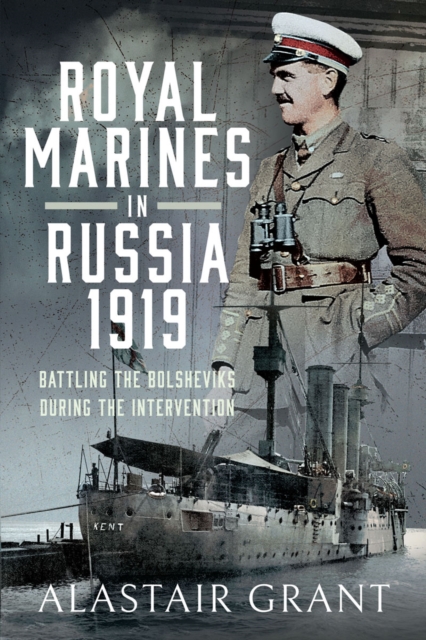
At the height of the Russian Civil War in 1919 Britain poured in thousands of troops and vast amounts of munitions to assist the White Russian opponents of Lenin’s Communist forces.
This book provides the first account of the Isonzo/Soca frontline through the multidisciplinary lens of modern conflict archaeology, offering unique insights into multilayered conflict landscapes of the Soca Front.
EL MUNDO NATURAL A TRAVÉS DE LOS OJOS DE LOS ESTOICOSCuestiones naturales es una obra en la que, con su habitual lucidez, Séneca aspira a conseguir un conocimiento racional del mundo, entendido como la actividad más digna y liberadora del ser humano y, especialmente, como la única forma de acercamiento a ese dios que se oculta a nuestros ojos y al que solo podemos llegar con la fuerza de la razón.
In the nineteenth century, the British crown expanded its reach in almost all parts of the world from China to America, overpowering the Portuguese, Spanish, Dutch, and the French.
The India-Pakistan War of 1971 was the third round between the two South Asian neighbours, but this war was different in many ways from the earlier conflicts.
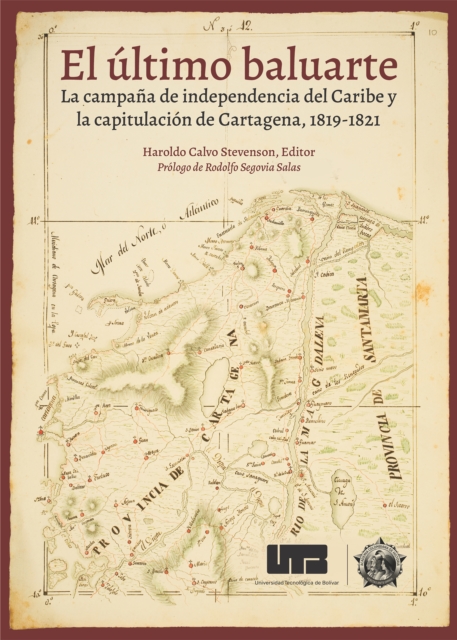
La guerra de independencia en la Costa Caribe, que culminó con la capitulación de Cartagena y la salida de las tropas realistas, en octubre de 1821, fue un episodio decisivo de la emancipación colombiana de España.