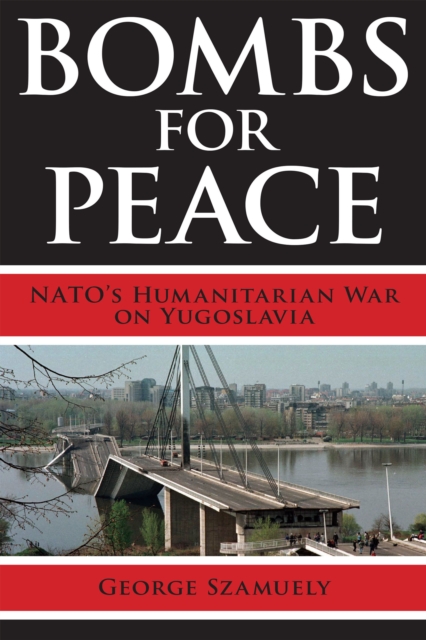
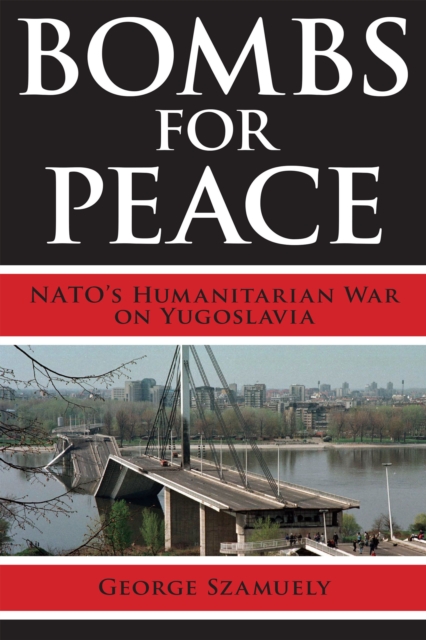
Unnoticed by the general public, after the end of the Cold War a new East-West conflict developed - NATO versus Russia - which is now threatening to escalate.
In den Jahren 1925 bis 1944 gab das Reichsarchiv unter Mitwirkung einer großen Zahl von Offizieren und Historikern eine Serie von Monographien zur Militärgeschichte des Ersten Weltkriegs aus deutscher Sicht heraus.
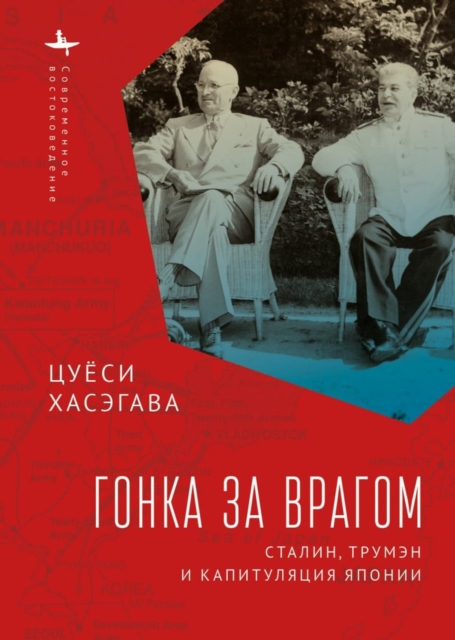
From April 1945, when Stalin broke the Soviet-Japanese Neutrality Pact and Harry Truman assumed the presidency, to the final Soviet military actions against Japan, Hasegawa brings to light the real reasons Japan surrendered.
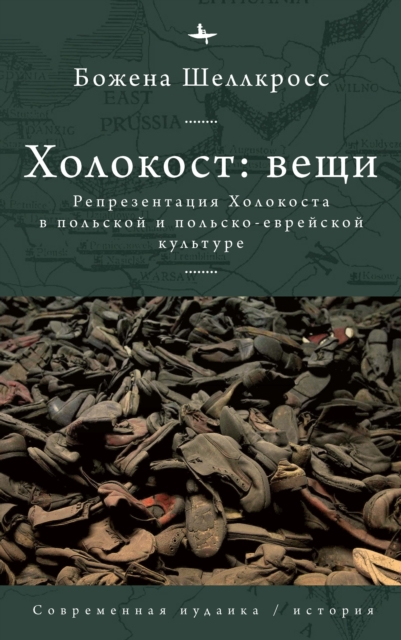
In stark contrast to the widespread preoccupation with the wartime looting of priceless works of art, Bożena Shallcross focuses on the meaning of ordinary objects―pots, eyeglasses, shoes, clothing, kitchen utensils―tangible vestiges of a once-lived reality, which she reads here ascultural texts.
In The End of the Future, author Bartholomew Dean broadens the theoretical framework for understanding memory's role in reconciliation following a violent conflict.
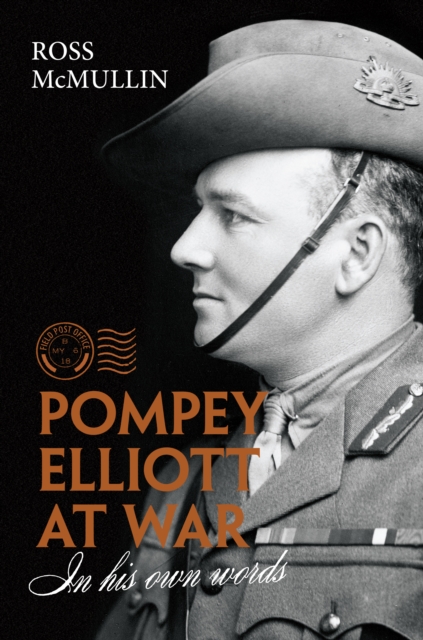
WINNER OF THE 2024 AGE BOOK OF THE YEAR PRIZE FOR NONFICTIONAcclaimed historian and biographer Ross McMullin has again combined prodigious research and narrative flair in this sequel to Farewell, Dear People, the winner of multiple awards including the Prime Minister s Prize for Australian History.
The conventional view of the British Army's two Ireland campaigns - first in Southern Ireland [1919-1921] and then, two generations later, in Northern Ireland [1969-2007] - are that the first was an outright defeat and the second, a military stalemate.
The conventional view of the British Army's two Ireland campaigns - first in Southern Ireland [1919-1921] and then, two generations later, in Northern Ireland [1969-2007] - are that the first was an outright defeat and the second, a military stalemate.
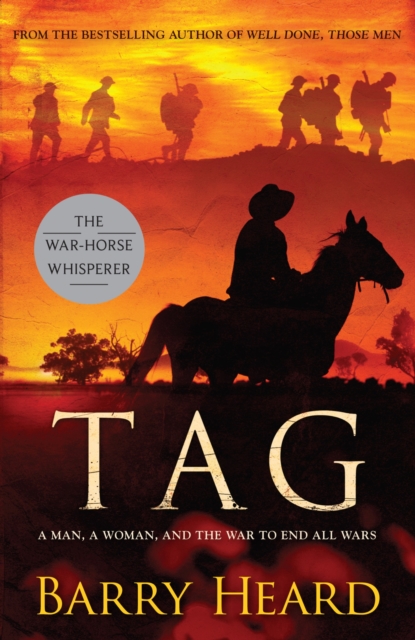
As a lad in the high country of eastern Victoria, Tag Wardell shows an extraordinary gift with animals: he is followed to school by his pets; his rapport with his horse, Dimble, becomes the talk of the district; and he even manages to befriend a mob of brumbies during an adventure with his schoolmates in the Dargo high plains.
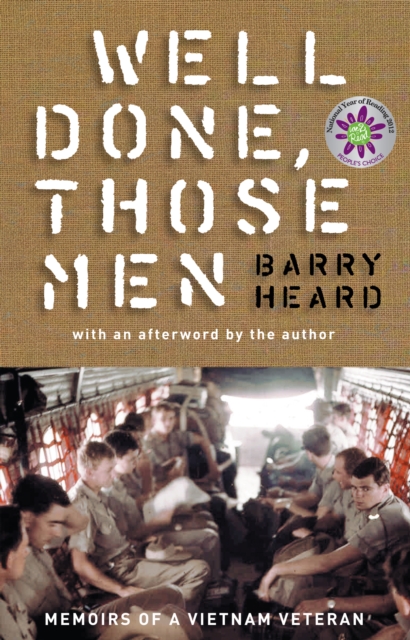
In this intensely personal account, Barry Heard draws on his own experiences as a young conscript, along with those of his comrades, to look back at life before, during, and after the Vietnam War.
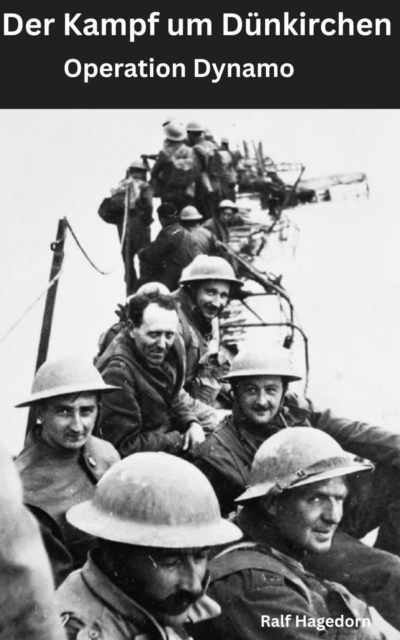
Dieses Buch, "Dünkirchen - Ralf Hagedorn", befasst sich detailliert mit der Schlacht von Dünkirchen, die im Mai und Juni 1940 während des Westfeldzugs im Zweiten Weltkrieg stattfand.
UNTERNEHMEN BARBAROSSATeil 7: Das Ende des Blitzkriegs – die Niederlage vor MoskauMit dem Überfall Hitler-Deutschlands auf die Sowjetunion fand ein "unnatürliches" Bündnis sein Ende, das seit dem August 1939 Bestand gehabt hatte.
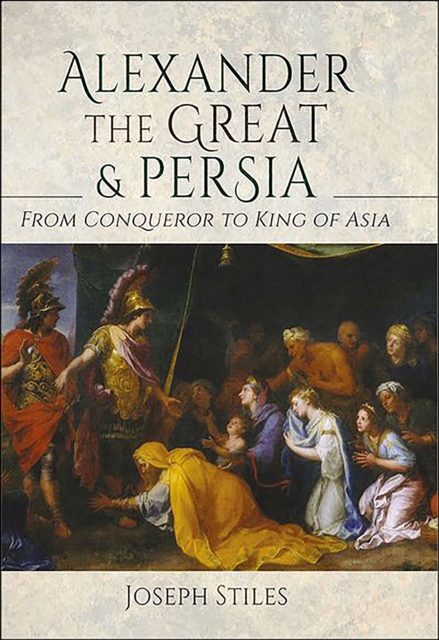
Upon his return from India, Alexander the Great travelled to the Persian royal city of Pasargadae to pay homage at the tomb of King Cyrus, founder of the Achaemenid Persian Empire, whom he admired greatly.
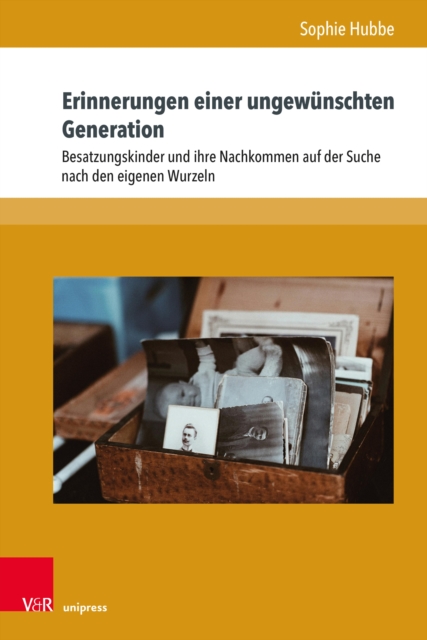
Nach dem Zweiten Weltkrieg wurden in Deutschland Hunderttausende Kinder von alliierten Soldaten und einheimischen Frauen geboren – aus Liebesbeziehungen, kurzen Affären, »Versorgungspartnerschaften« oder Vergewaltigungen.
A detailed account of the civil engineering work done to assist US forces during the Vietnam War by the New York Times-bestselling author of Vietnam Diary.
Die Fernlenkgleitbombe Fritz – XDie Ruhrstahl SD 1400 (oder auch FX 1400 Gleitlenkbombe), von den Alliierten als Fritz X bezeichnet, war eine von der Luftwaffe im Zweiten Weltkrieg eingesetzte Gleitbombe gegen Schiffe.
OSTFRONT 1943Teil 5: Der Kampf um den Dnepr und die OstukraineAugust – Dezember 1943Im letzten Drittel des Jahres 1943 setzte die Rote Armee ihre großangelegten Offensiven entlang der gesamten Ostfront fort.
In this book, originally published in 1977, John Lukacs argues that the years 1939-41 were the decisive phase of the Second World War and The Last European War describes the history of an entire continent during these two years, one of the most crucial periods in Western civilization.
In this book, originally published in 1977, John Lukacs argues that the years 1939-41 were the decisive phase of the Second World War and The Last European War describes the history of an entire continent during these two years, one of the most crucial periods in Western civilization.
First published in 1967, Europe in Conflict offers a comprehensive exploration of Europe's turbulent history during a period marked by profound political, social, and military upheaval.
Situated fatefully between the peaks of the Caucasus Mountains and the waters of the Caspian Sea, the republic of Azerbaijan's journey to modern statehood has been an eventful one, influenced by the great empires and cultures of world history.
Originally published in 1961, this masterly study of the guns used by the rivals in the Armada campaign remains an essential contribution to the understanding of the event, for it gave a new perspective to the whole battle.
First published in 1972, England, France and Christendom, 1377-99 is the study of the most fiercely fought portion of the Hundred Years' War and describes the nature of the wars that took place during the reigns of Charles VI of France and Richard II of England.
Napoleon - arguably more than any other single man - was the creator of modern total war; and in this book, originally published in 1962, he is seen creating one important side of it - that which concerns prisoners of war.
Napoleon - arguably more than any other single man - was the creator of modern total war; and in this book, originally published in 1962, he is seen creating one important side of it - that which concerns prisoners of war.
Originally published in 1959, this volume covers the history of the Service which has been through the centuries the first, and often the last line of British defence, and the spearhead of Britian's imperial expansion.
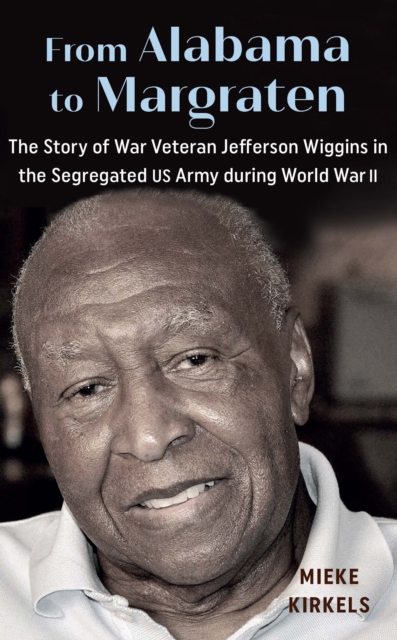
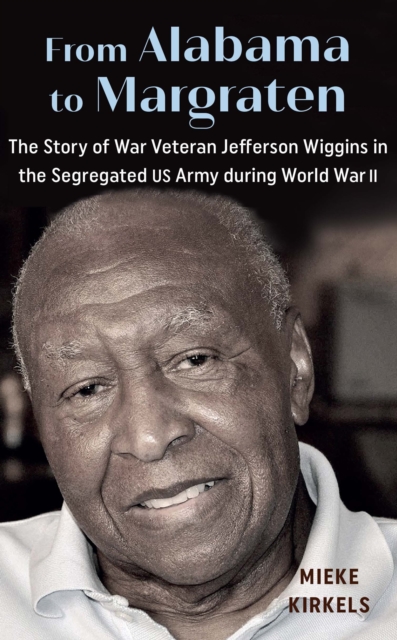
When he returned to the Netherlands in 2009, decades after World War II, Jefferson Wiggins realized that no one he met knew about the segregated US Army during the war, nor did they know about the contribution of Black American soldiers to the liberation of the Netherlands.
When he returned to the Netherlands in 2009, decades after World War II, Jefferson Wiggins realized that no one he met knew about the segregated US Army during the war, nor did they know about the contribution of Black American soldiers to the liberation of the Netherlands.
This account of the National Army during the Irish civil war tells its story from the divides created in the Republican movement by the Anglo-Irish Treaty to the development of a new military organisation capable of upholding the Treaty provisions and facilitating the establishment of a new state.