The stereotype of the gold digger has had a fascinating trajectory in twentieth-century America, from tales of greedy flapper-era chorus girls to tabloid coverage of Anna Nicole Smith and her octogenarian tycoon husband.
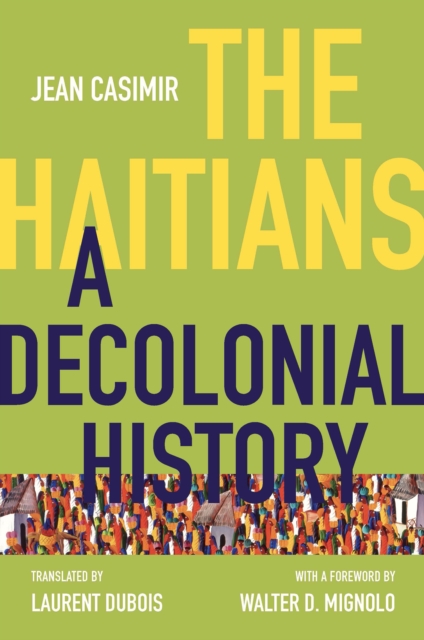
In this sweeping history, leading Haitian intellectual Jean Casimir argues that the story of Haiti should not begin with the usual image of Saint-Domingue as the richest colony of the eighteenth century.
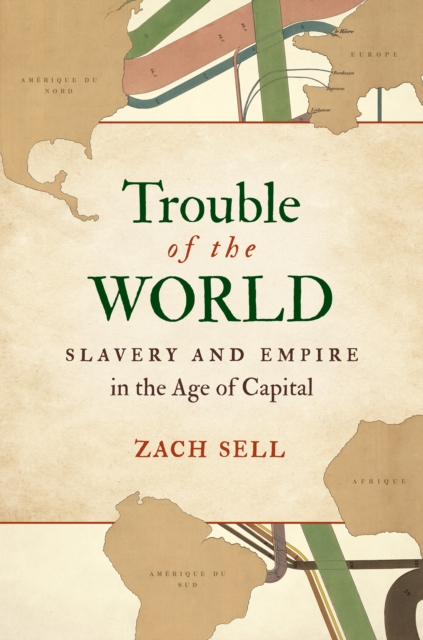
In this innovative new study, Zach Sell returns to the explosive era of capitalist crisis, upheaval, and warfare between emancipation in the British Empire and Black emancipation in the United States.
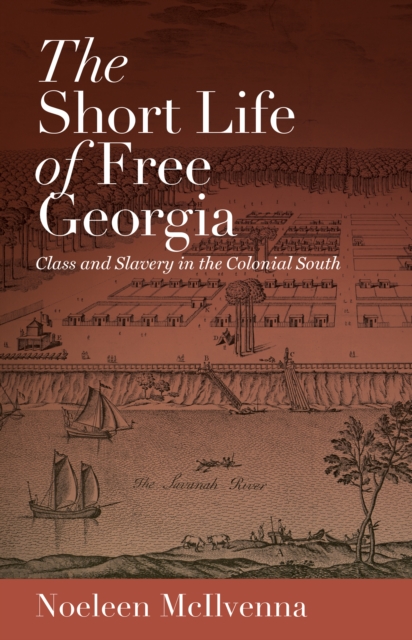
For twenty years in the eighteenth century, Georgia the last British colony in what became the United States enjoyed a brief period of free labor, where workers were not enslaved and were paid.
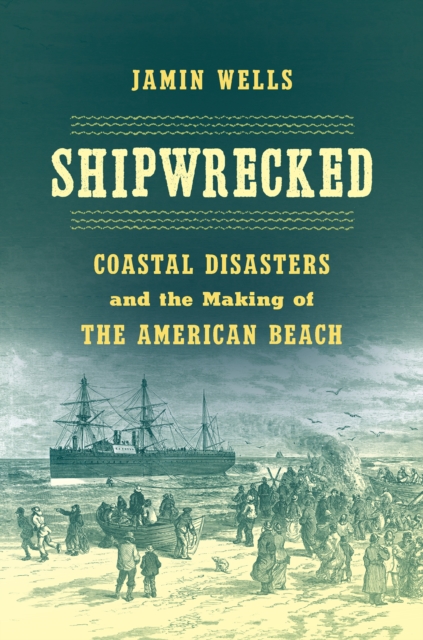
Reframing the American story from the vantage point of the nations watery edges, Jamin Wells shows that disasters have not only bedeviled the American beach they created it.
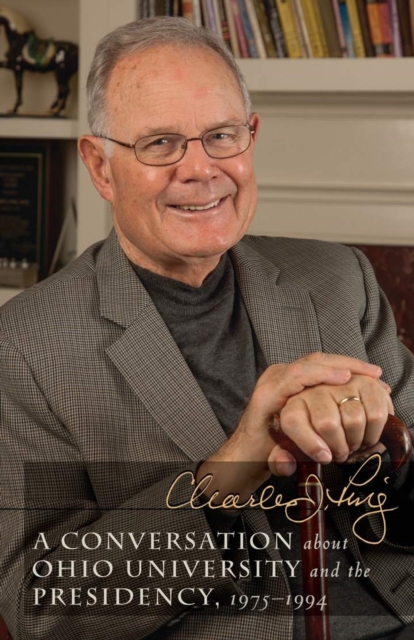
When Charles Ping first arrived at Ohio University in 1975, the university was experiencing a decline in student enrollment and confronting serious financial challenges.
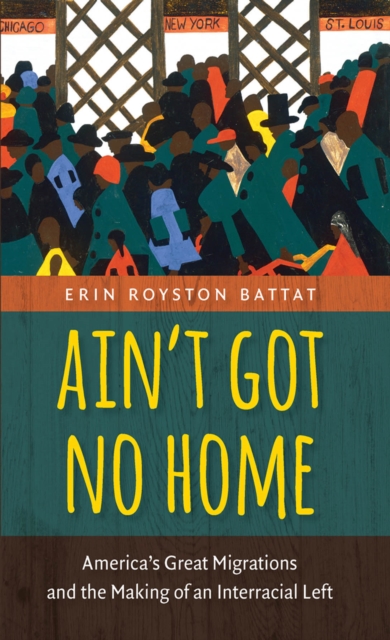
Most scholarship on the mass migrations of African Americans and southern whites during and after the Great Depression treats those migrations as separate phenomena, strictly divided along racial lines.
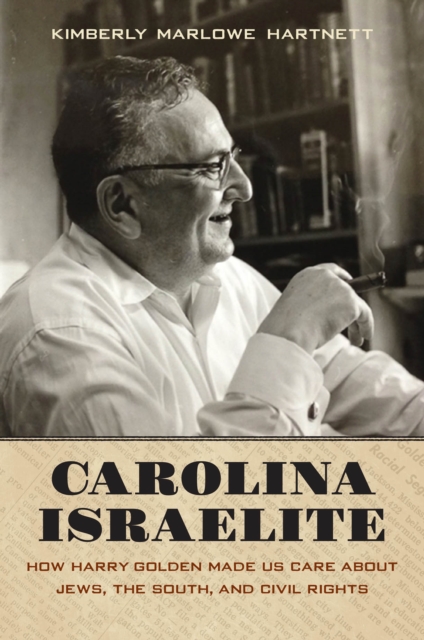
This first comprehensive biography of Jewish American writer and humorist Harry Golden (19031981) author of the 1958 national best-seller Only in America illuminates a remarkable life intertwined with the rise of the civil rights movement, Jewish popular culture, and the sometimes precarious position of Jews in the South and across America during the 1950s.
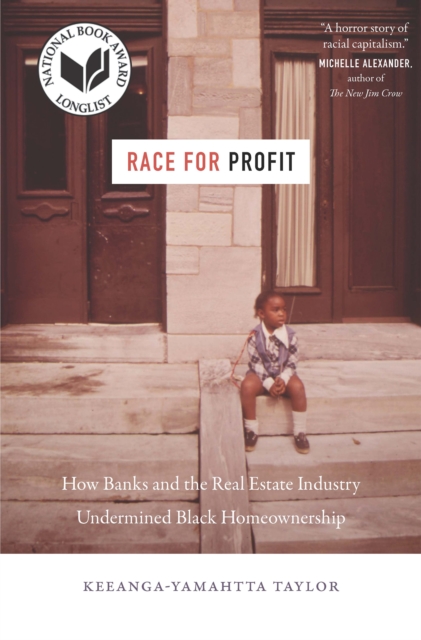
LONGLISTED FOR THE 2019 NATIONAL BOOK AWARDFINALIST, 2020 PULITZER PRIZE IN HISTORYBy the late 1960s and early 1970s, reeling from a wave of urban uprisings, politicians finally worked to end the practice of redlining.
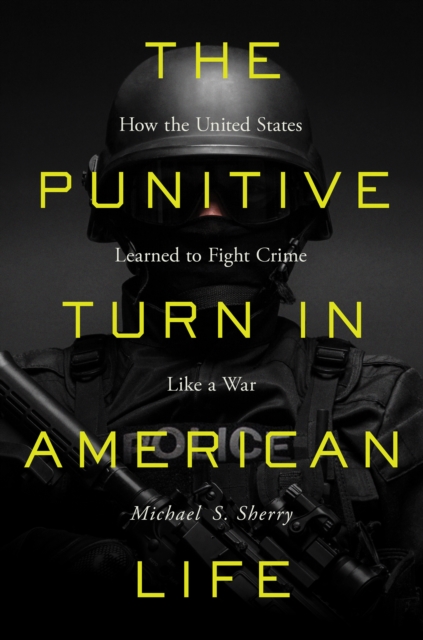
In 1965, President Lyndon Johnson insisted that the policeman is the frontline soldier in our war against crime, and police forces, arms makers, policy makers, and crime experts heeded this call to arms, bringing weapons and practices from the arena of war back home.
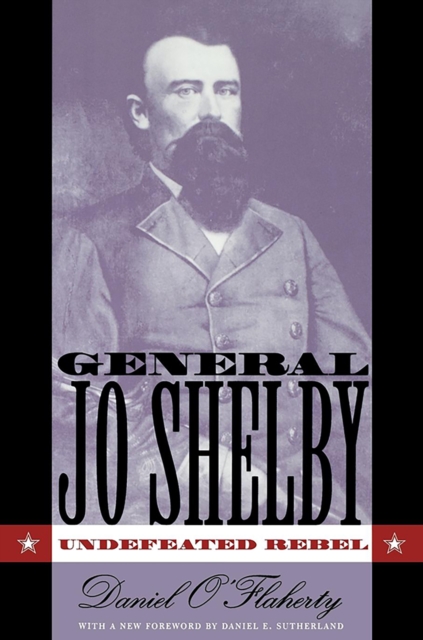
This vivid work, first published by UNC Press in 1954, reveals General Joseph Orville Shelby as one of the best Confederate cavalry leaders and certainly the most colorful.
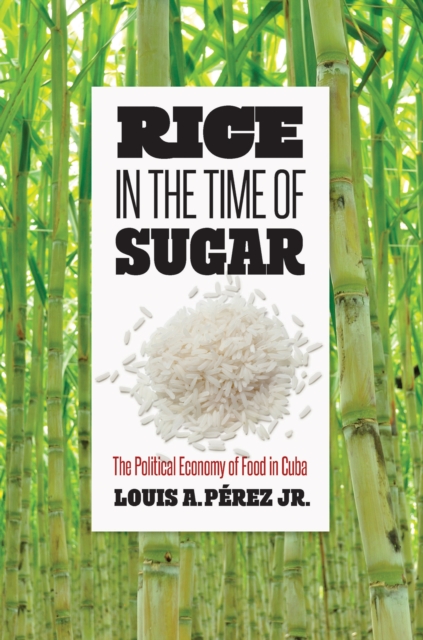
How did Cubas long-established sugar trade result in the development of an agriculture that benefited consumers abroad at the dire expense of Cubans at home?
From the days of steamship travel to Palestine to todays evangelical Christian tours of Jesuss birthplace, the relationship between the United States and the Holy Land has become one of the worlds most consequential international alliances.
This collection of essays inverts the way we see the Cold War by looking at the conflict from the perspective of the so-called developing world, rather than of the superpowers, through the birth and first decades of Indias life as a postcolonial nation.
With a new afterword by the authorsA powerful, intimate collection of conversations with Indigenous Americans on the climate crisis and the Earth's futureAlthough for a great many people, the human impact on the Earth countless species becoming extinct, pandemics claiming millions of lives, and climate crisis causing worldwide social and environmental upheaval was not apparent until recently, this is not the case for all people or cultures.
Two decades punctuated by the financial crisis of the Great Recession and the public health crisis of COVID-19 have powerfully reshaped housing in America.
In the antebellum United States, formerly enslaved men and women who told their stories and advocated for abolition helped establish a new genre with widely recognized tropes: the slave narrative.
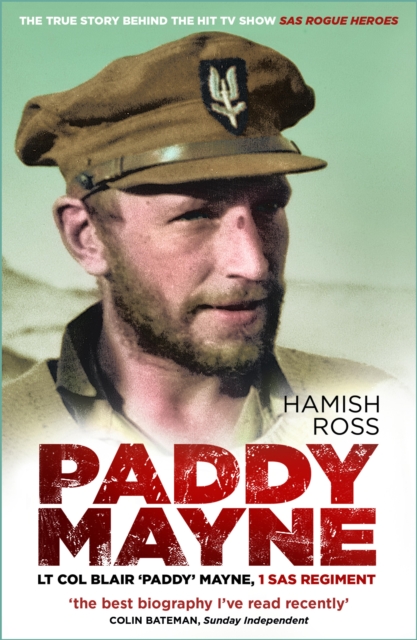
'The best biography I've read recently' - Colin Bateman, Sunday Independent'An excellent examination of Mayne Ross corrects many of the myths about him that have flourished over the years' - History of War magazine'This welcome reassessment, officially backed and well-researched, sets the record straight' Soldier magazine'Paddy' Mayne was one of the most outstanding special forces leaders of the Second World War.
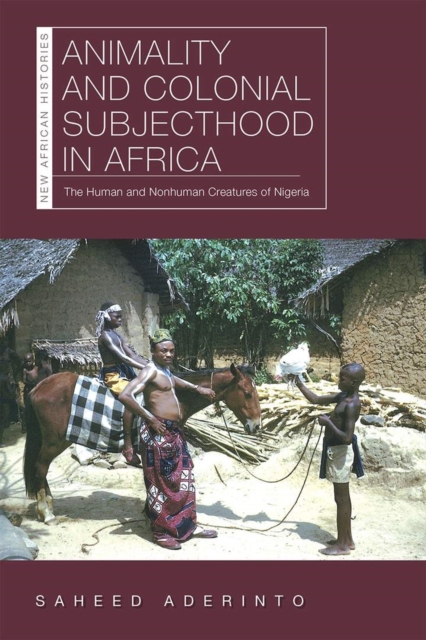
With this multispecies study of animals as instrumentalities of the colonial state in Nigeria, Saheed Aderinto argues that animals, like humans, were colonial subjects in Africa.
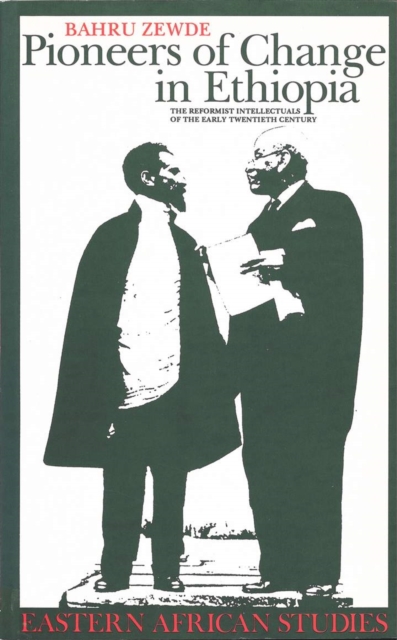
In this exciting new study, Bahru Zewde, one of the foremost historians of modern Ethiopia, has constructed a collective biography of a remarkable group of men and women in a formative period of their country's history.
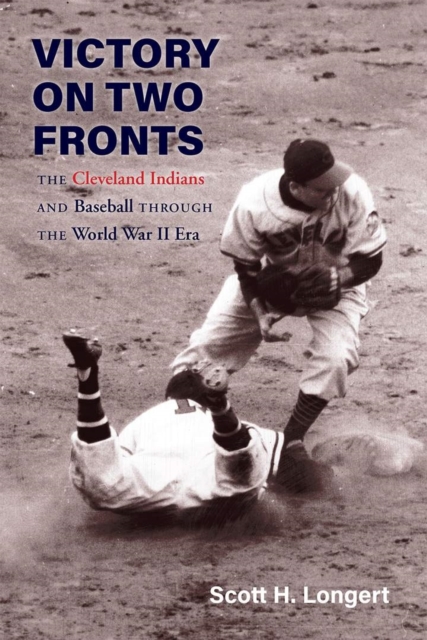
Beginning with the Cleveland Indians' hard luck during World War II, this thrilling history follows the team through its historic role in racial integration and its legendary postwar comeback.
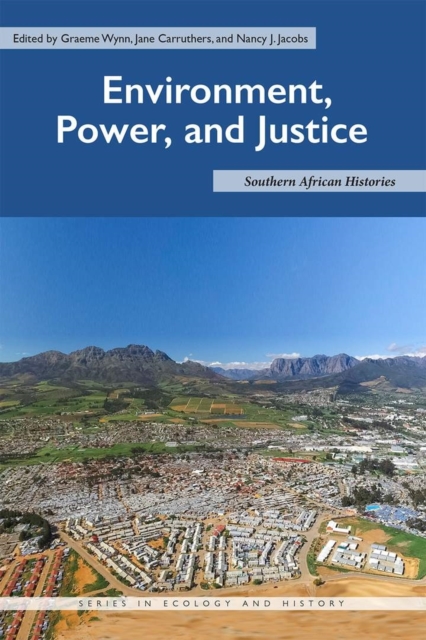
Spanning the colonial, postcolonial, and postapartheid eras, these historical and locally specific case studies analyze and engage vernacular, activist, and scholarly efforts to mitigate social-environmental inequity.
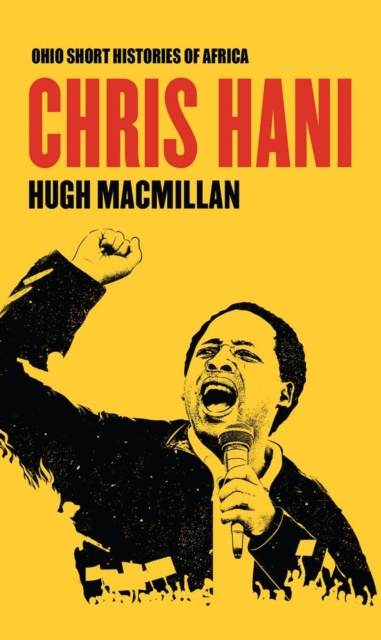
This biography shows how Black political leader Chris Hani's life and death were pivotal to ending apartheid and to establishing a democratic government in South Africa.
Foregrounding African women's ingenuity and labor, this pioneering case study shows how women in rural Mali have used technology to ensure food security through the colonial period, environmental crises, and postcolonial rule.
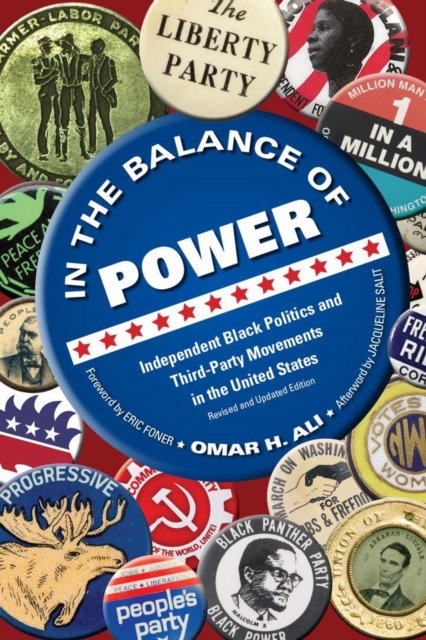
Reveals the multiple independent political tactics and strategies that African Americans have used to expand democracy and uphold civil and political rights since the founding of the nation.
Domestic Violence and the Law in Colonial and Postcolonial Africa reveals the ways in which domestic space and domestic relationships take on different meanings in African contexts that extend the boundaries of family obligation, kinship, and dependency.
The askari, African soldiers recruited in the 1890s to fill the ranks of the German East African colonial army, occupy a unique space at the intersection of East African history, German colonial history, and military history.
The wrenching events of the Civil War transformed not only the United States but also the men unexpectedly called on to lead their fellow citizens in this first modern example of total war.