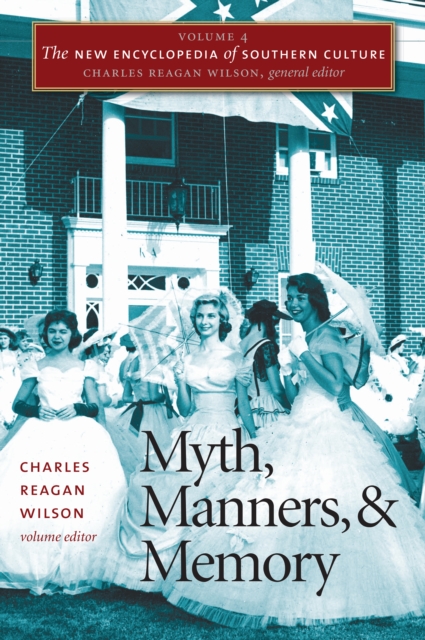
This volume of The New Encyclopedia of Southern Culture addresses the cultural, social, and intellectual terrain of myth, manners, and historical memory in the American South.
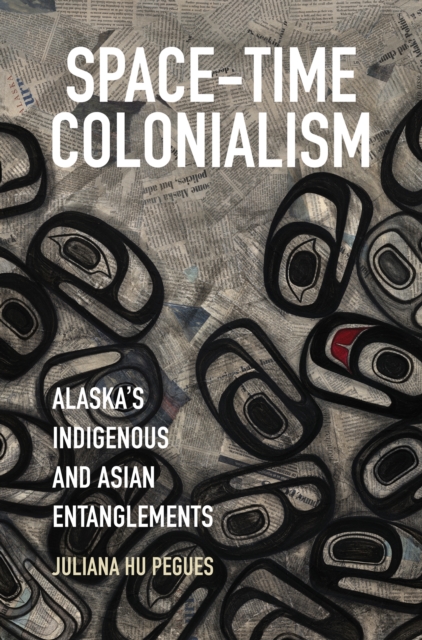
As the enduring last frontier, Alaska proves an indispensable context for examining the form and function of American colonialism, particularly in the shift from western continental expansion to global empire.
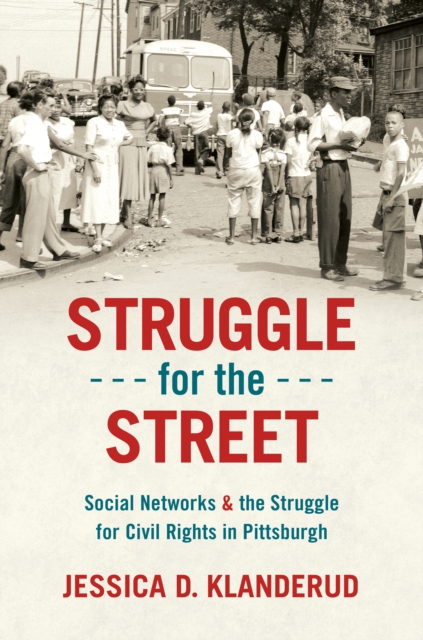
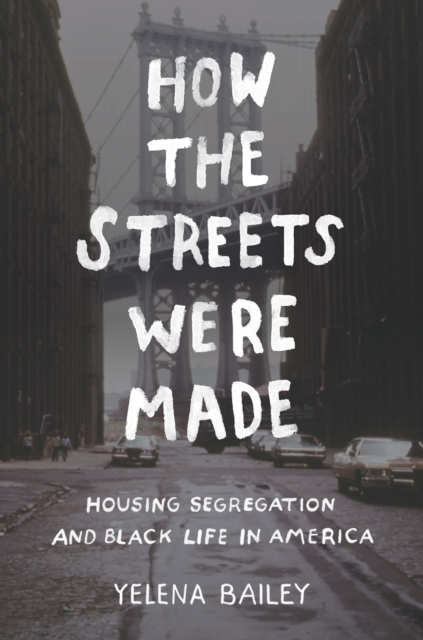
In this book, Yelena Bailey examines the creation of the streets not just as a physical, racialized space produced by segregationist policies but also as a sociocultural entity that has influenced our understanding of blackness in America for decades.
The conflict between the United States and the Soviet Union during the Cold War has long been understood in a global context, but Jeremy Friedmans Shadow Cold War delves deeper into the era to examine the competition between the Soviet Union and the Peoples Republic of China for the leadership of the world revolution.
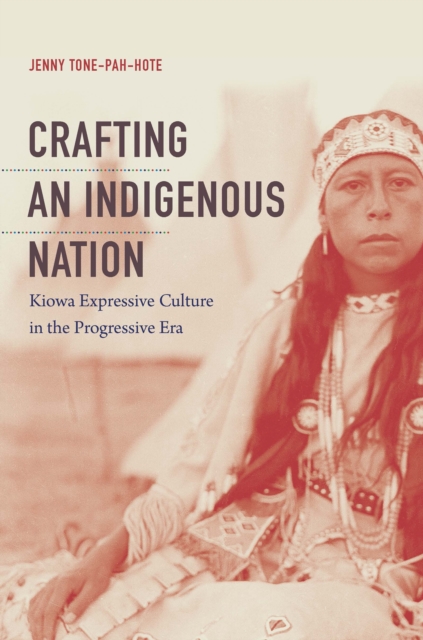
In this in-depth interdisciplinary study, Jenny Tone-Pah-Hote reveals how Kiowa people drew on the tribes rich history of expressive culture to assert its identity at a time of profound challenge.
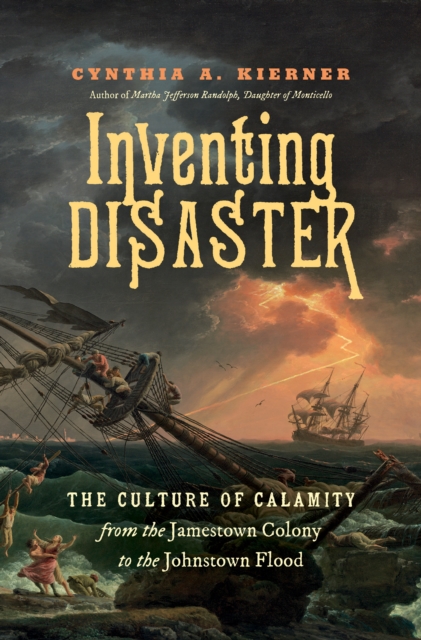
When hurricanes, earthquakes, wildfires, and other disasters strike, we count our losses, search for causes, commiserate with victims, and initiate relief efforts.
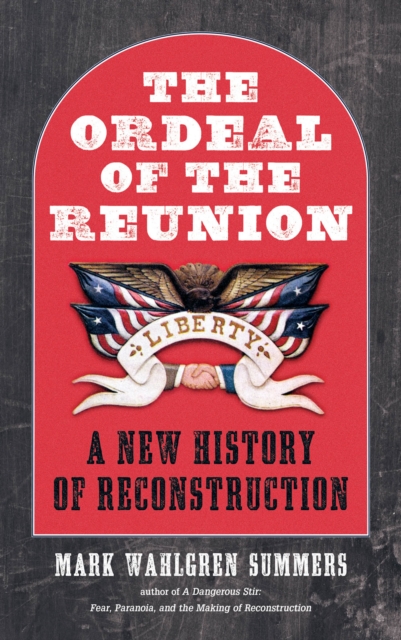
For a generation, scholarship on the Reconstruction era has rightly focused on the struggles of the recently emancipated for a meaningful freedom and defined its success or failure largely in those terms.
Studienarbeit aus dem Jahr 2022 im Fachbereich Geschichte - Europa, Note: 1,0, Technische Universität Dresden (Neuere und Neuste Geschichte/ Zeitgeschichte), Veranstaltung: Globalisierung, Sprache: Deutsch, Abstract: Diese Seminararbeit untersucht die "Ausländerpolitik" und den Umgang mit der polnischen Bevölkerung in den Ostprovinzen des Deutschen Kaiserreichs von 1880 bis 1914 aus einer globalgeschichtlichen und transnationalen Perspektive.
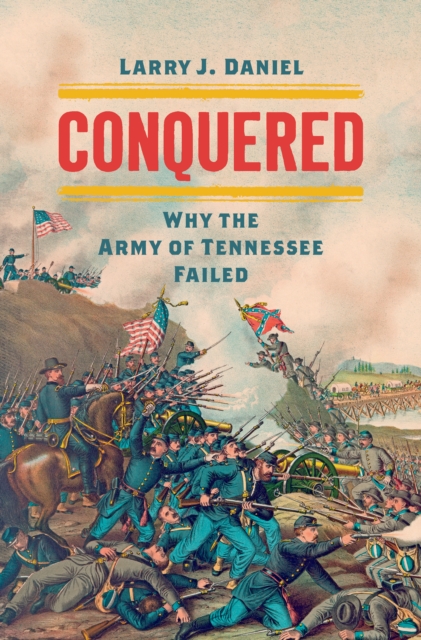
The Western theater of the Civil War, rich in agricultural resources and manpower and home to a large number of slaves, stretched 600 miles north to south and 450 miles east to west from the Appalachians to the Mississippi.
The last days of fighting in the Civil Wars eastern theater have been wrapped in mythology since the moment of Lees surrender to Grant at Appomattox Court House.
First published in 1974, The Rise of the Schooled Society examines the historical developments which made the argument for 'de-schooling'-assertion that formal institutional education has outgrown its usefulness and has become an obstacle to social reform-plausible.
Distinguished by the critical value it assigns to law in Puritan society, this study describes precisely how the Massachusetts legal system differed from Englands and how equity and an adapted common law became so useful to ordinary individuals.
Jones offers a detailed and comprehensive overview of the development and decline of the German Democratic party and the German Peoples party from 1918 to 1933.
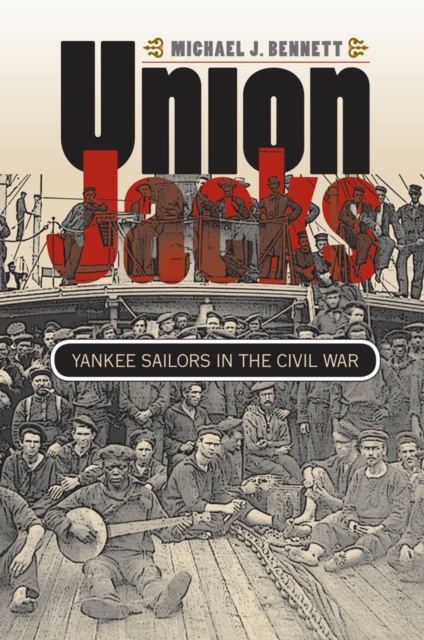
Historians have given a great deal of attention to the lives and experiences of Civil War soldiers, but surprisingly little is known about navy sailors who participated in the conflict.
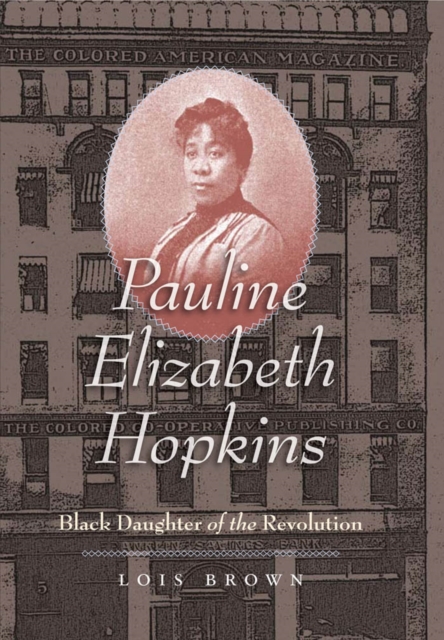
Born into an educated free black family in Portland, Maine, Pauline Elizabeth Hopkins (18591930) was a pioneering playwright, journalist, novelist, feminist, and public intellectual, best known for her 1900 novel Contending Forces: A Romance of Negro Life North and South.
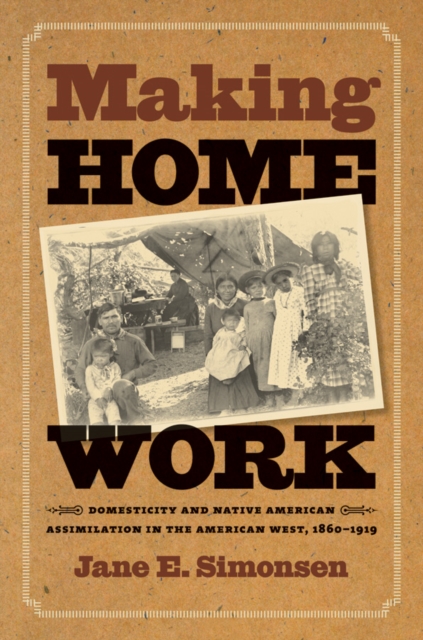
During the westward expansion of America, white middle-class ideals of home and domestic work were used to measure differences between white and Native American women.
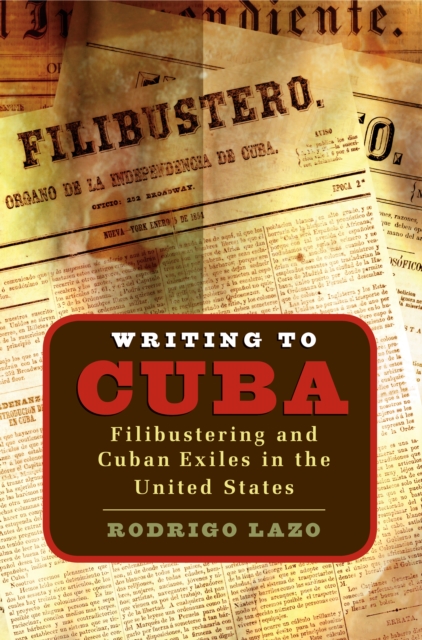
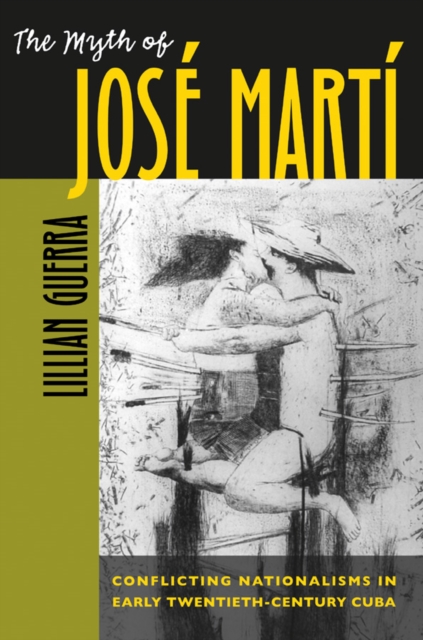
Focusing on a period of history rocked by four armed movements, Lillian Guerra traces the origins of Cubans' struggles to determine the meaning of their identity and the character of the state, from Cubas last war of independence in 1895 to the consolidation of U.
In a dazzling array of the most recent research and writing, the contributors deal with Wilsons approach to the Mexican and Russian revolutions; his Polish policy; his relationship with the European Left, world order, and the League of Nations; and Wilson and the problems of world peace.
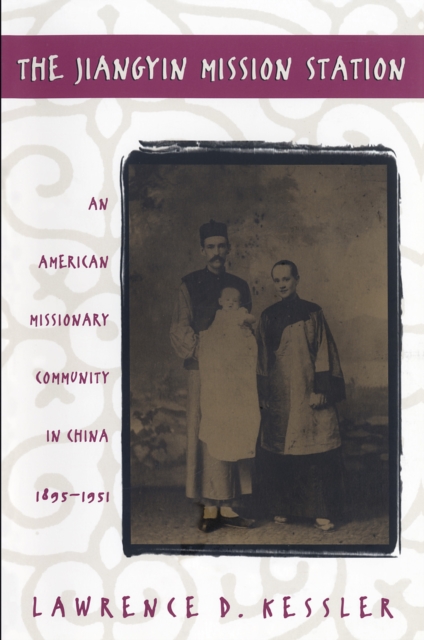
Lawrence Kessler uses the Jiangyin mission station in the Shanghai region of China to explore Chinese-American cultural interaction in the first half of the twentieth century.
The development of the modern Yale Law School is deeply intertwined with the story of a group of students in the 1960s who worked to unlock democratic visions of law and social change that they associated with Yales past and with the social climate in which they lived.
The first book to establish hurricanes as a key factor in the development of modern Cuba, Winds of Change shows how these great storms played a decisive role in shaping the economy, the culture, and the nation during a critical century in the islands history.
Moving beyond traditional state-centered conceptions of foreign relations, Christopher Endy approaches the Cold War era relationship between France and the United States from the original perspective of tourism.
In a pathbreaking new assessment of the shaping of black male identity in the early twentieth century, Martin Summers explores how middle-class African American and African Caribbean immigrant men constructed a gendered sense of self through organizational life, work, leisure, and cultural production.
In Women and the Historical Enterprise in America, Julie Des Jardins explores American womens participation in the practice of history from the late nineteenth century through the end of World War II, a period in which history became professionalized as an increasingly masculine field of scientific inquiry.
While slavery is often at the heart of debates over the causes of the Civil War, historians are not agreed on precisely what aspect of slavery with its various social, economic, political, cultural, and moral ramifications gave rise to the sectional rift.
Historians have long asserted that during and after the Hannibalic War, the Roman Republics need to conscript men for long-term military service helped bring about the demise of Italys small farms and that the misery of impoverished citizens then became fuel for the social and political conflagrations of the late republic.
This volume contains a parade of exciting events written in a lively, readable style, with the purpose of pleasantly instructing the intermediate-grade student in North Carolina history.
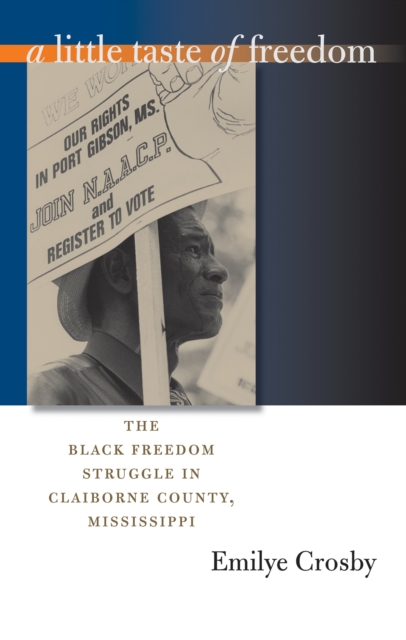
In this long-term community study of the freedom movement in rural, majority-black Claiborne County, Mississippi, Emilye Crosby explores the impact of the African American freedom struggle on small communities in general and questions common assumptions that are based on the national movement.
This award-winning, lavishly illustrated history displays the wide range of North Carolinas architectural heritage, from colonial times to the beginning of World War II.
In 1996, Democratic president Bill Clinton and the Republican-controlled Congress ended welfare as we know it and trumpeted workfare as a dramatic break from the past.