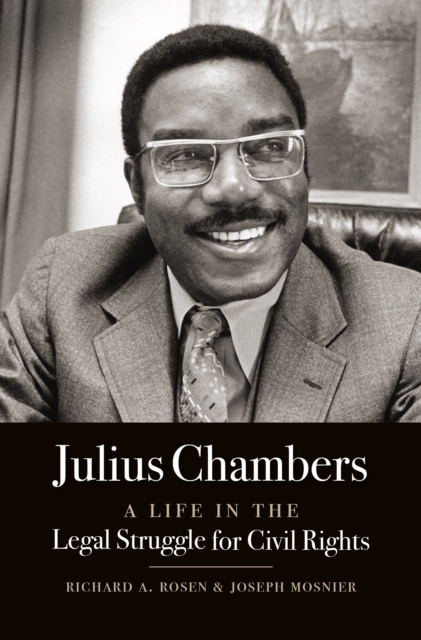
Born in the hamlet of Mount Gilead, North Carolina, Julius Chambers (19362013) escaped the fetters of the Jim Crow South to emerge in the 1960s and 1970s as the nations leading African American civil rights attorney.
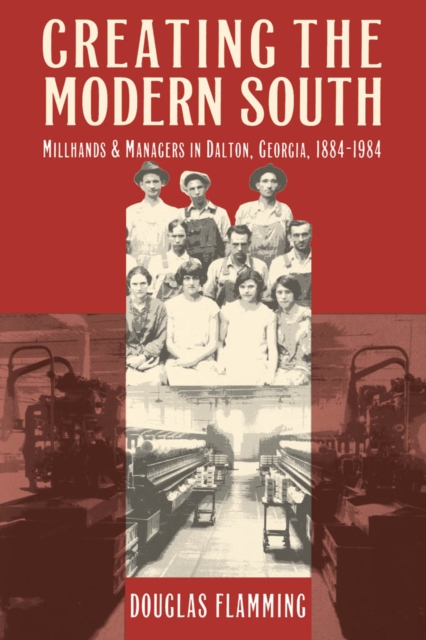
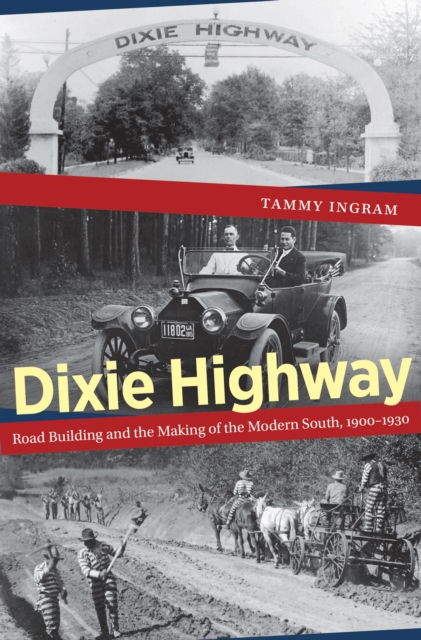
Built by local entrepreneurs during Dixies Cotton Mill in Dalton, Georgia, acted as a magnet for thousands of newly impoverished white farm families who moved to the factory and its company-owned village from the surrounding countryside.
Examining the social and intellectual collision of the Americanreform tradition with immigrant Marxism during the Reconstructionera, Timothy Messer-Kruse charts the rise and fall of theInternational Workingmans Association (IWA), the firstinternational socialist organization.
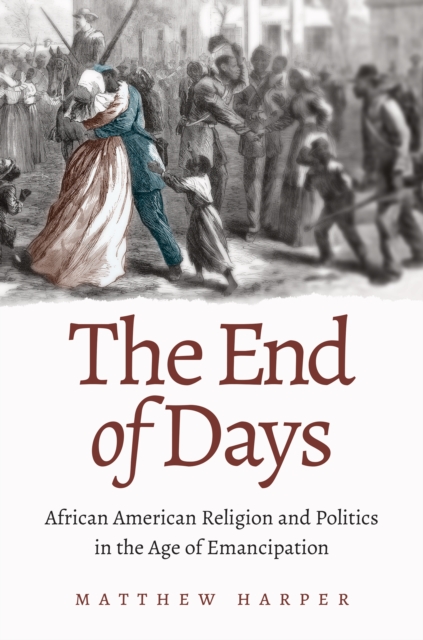
For 4 million slaves, emancipation was a liberation and resurrection story of biblical proportion, both the clearest example of Gods intervention in human history and a sign of the end of days.
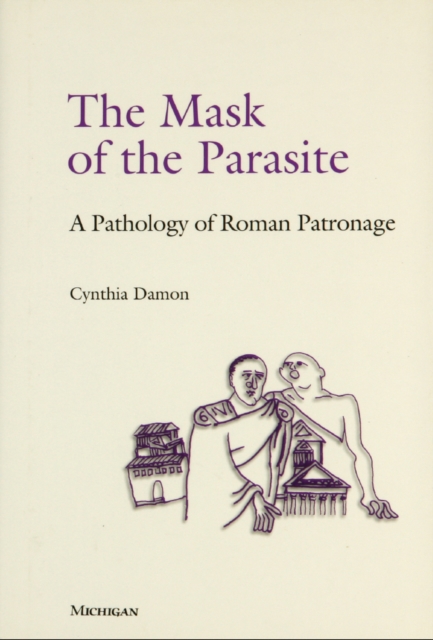
When Romans applied the term "e;parasite"e; to contemporaries in dependent circumstances, or clientes, they were evoking one of the stock characters of ancient Greek comedy.
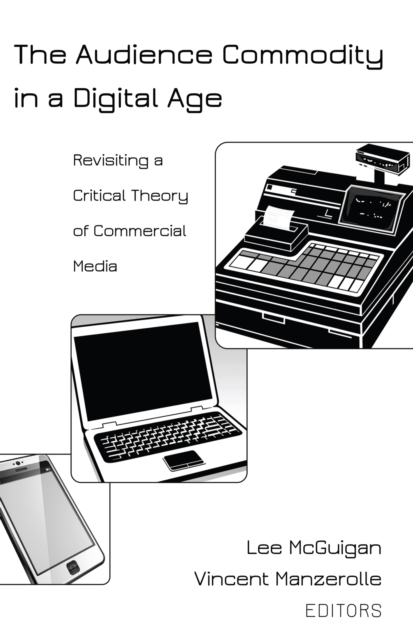
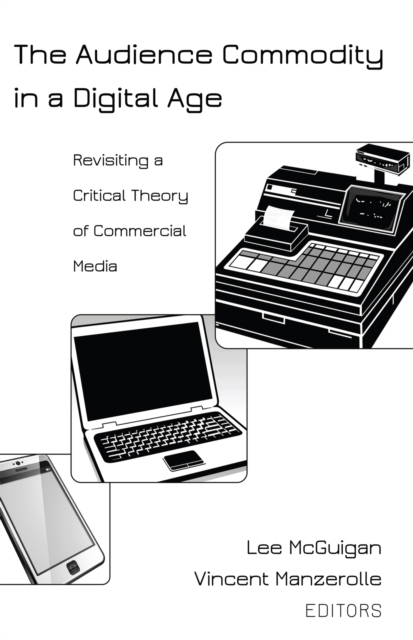
This edited collection comprises foundational texts and new contributions that revisit the theory of the audience commodity as first articulated by Dallas Smythe.
In Scientists or Spies, Roberta Delson explores the intersection of three historical tropes: World War I, Science, and Pan Americanism, from the period leading up to and through the end of the War (1910-1919).
The Future and the Past: A Translation and Study of the Gukansh takes readers deep into the intellectual and cultural landscape of 13th-century Japan, offering a detailed translation and analysis of the Gukansh, a pivotal historical work written by the Buddhist priest Jien in 1219.
This edited collection comprises foundational texts and new contributions that revisit the theory of the audience commodity as first articulated by Dallas Smythe.
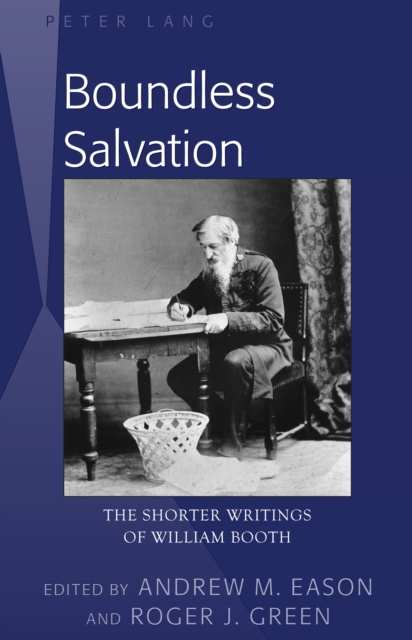
William Booth (1829-1912) is remembered for the major role he played in founding the Salvation Army, an evangelical organization now operating in more than 120 countries.
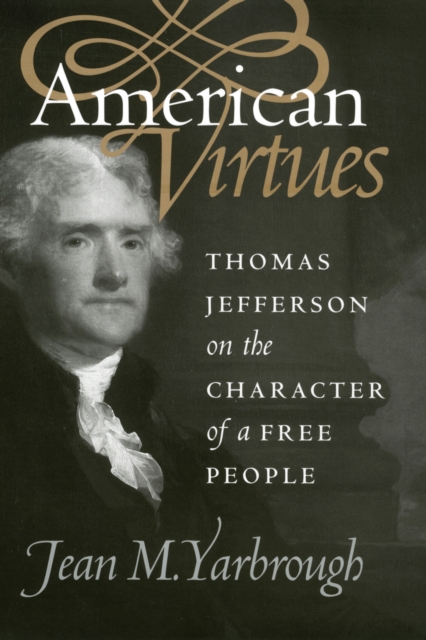
Since the early days of the republic, Americans have recognized Thomas Jeffersons distinctive role in helping to shape the American national character.
A well-illustrated cultural history of the apparel worn by American Catholics, Sally Dwyer-McNultys Common Threads reveals the transnational origins and homegrown significance of clothing in developing identity, unity, and a sense of respectability for a major religious group that had long struggled for its footing in a Protestant-dominated society often openly hostile to Catholics.
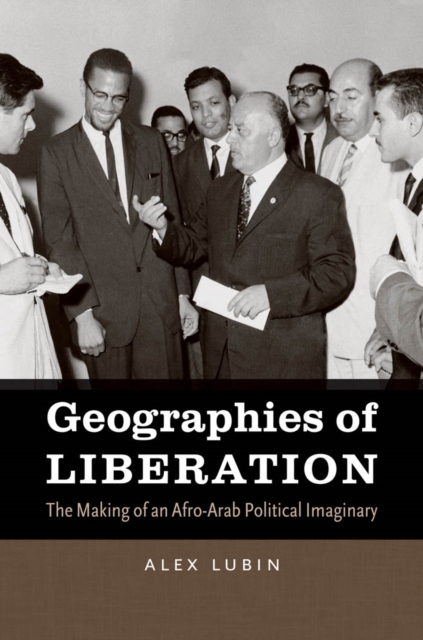
In this absorbing transnational history, Alex Lubin reveals the vital connections between African American political thought and the people and nations of the Middle East.
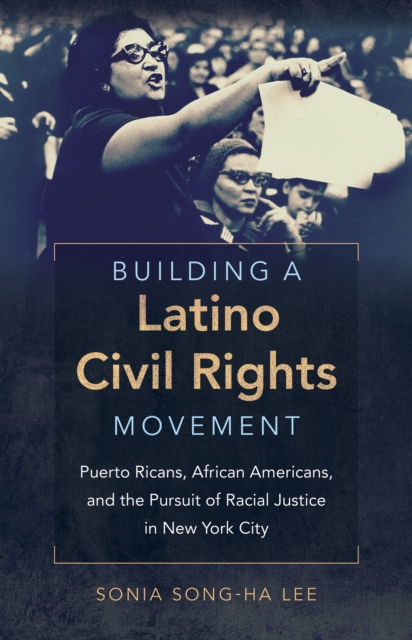
In the first book-length history of Puerto Rican civil rights in New York City, Sonia Lee traces the rise and fall of an uneasy coalition between Puerto Rican and African American activists from the 1950s through the 1970s.
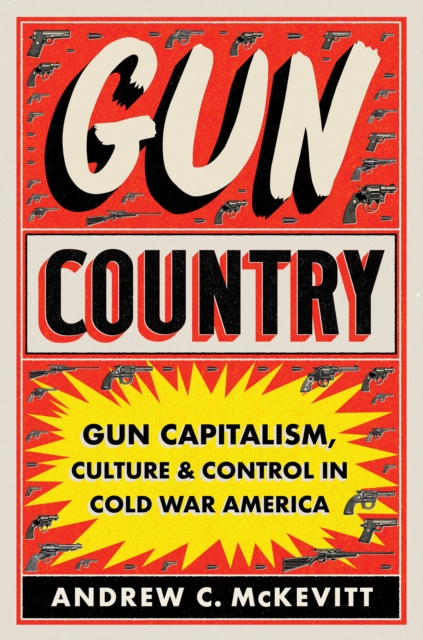
Just as World War II transformed the United States into a global military and economic superpower, so too did it forge the gun country America is today.
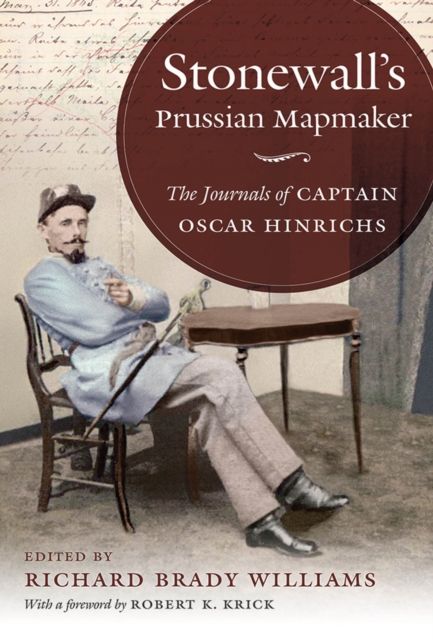
Prussian-born cartographer Oscar Hinrichs was a key member of Stonewall Jacksons staff, collaborated on maps with Jedediah Hotchkiss, and worked alongside such prominent Confederate leaders as Joe Johnston, Richard H.
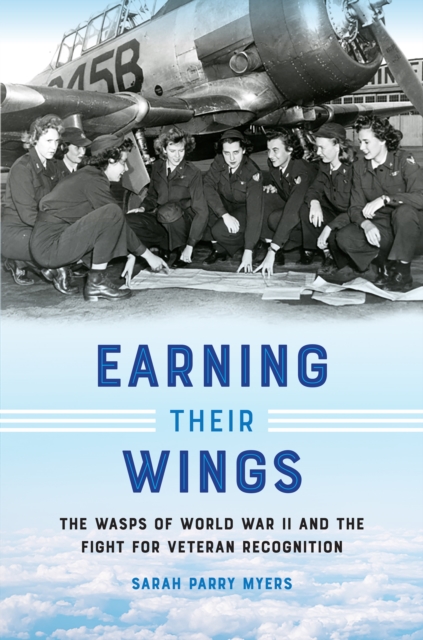
Established by the Army Air Force in 1943, the Womens Airforce Service Pilots (WASP) program opened to civilian women with a pilots license who could afford to pay for their own transportation, training, and uniforms.
Established by the Army Air Force in 1943, the Womens Airforce Service Pilots (WASP) program opened to civilian women with a pilots license who could afford to pay for their own transportation, training, and uniforms.
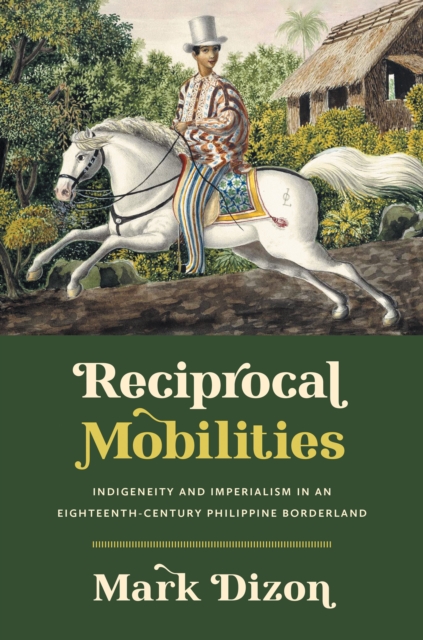
Throughout the eighteenth century, independent Indigenous people from the borderlands of the Philippines visited the centers of Spanish colonial rule in the archipelago.
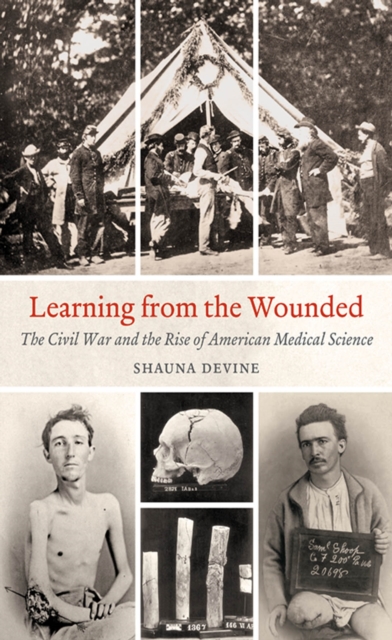
Nearly two-thirds of the Civil Wars approximately 750,000 fatalities were caused by disease a staggering fact for which the American medical profession was profoundly unprepared.
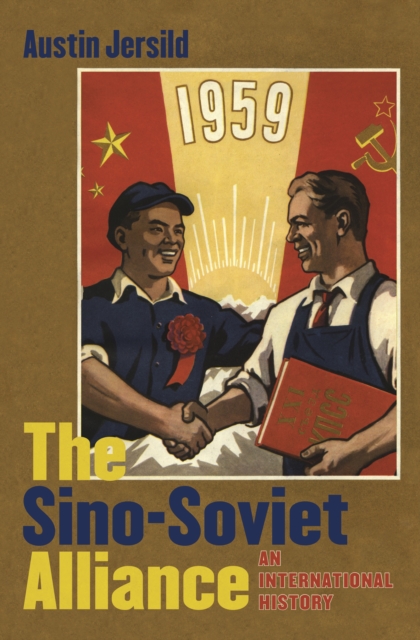
In 1950 the Soviet Union and the Peoples Republic of China signed a Treaty of Friendship, Alliance, and Mutual Assistance to foster cultural and technological cooperation between the Soviet bloc and the PRC.
Throughout the eighteenth century, independent Indigenous people from the borderlands of the Philippines visited the centers of Spanish colonial rule in the archipelago.
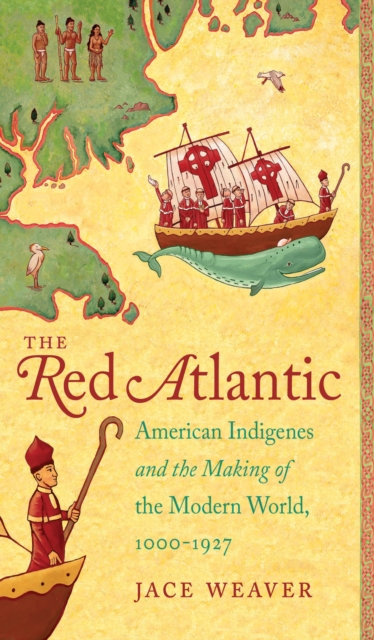
From the earliest moments of European contact, Native Americans have played a pivotal role in the Atlantic experience, yet they often have been relegated to the margins of the regions historical record.
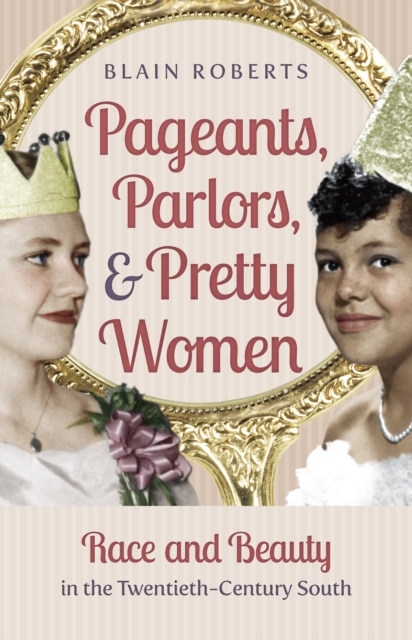
From the Souths pageant queens to the importance of beauty parlors to African American communities, it is easy to see the ways beauty is enmeshed in southern culture.
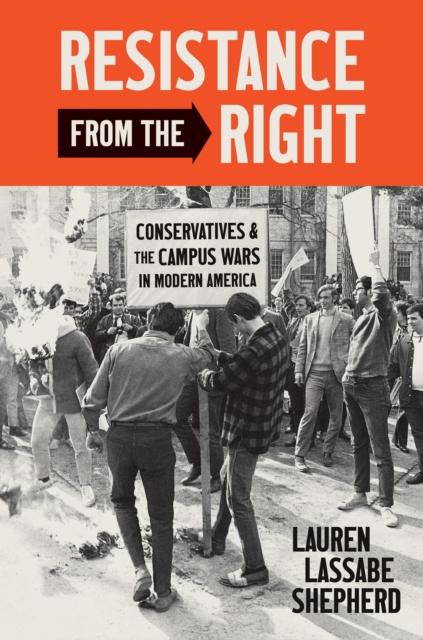
Pivoting from studies that emphasize the dominance of progressivism on American college campuses during the late sixties and early seventies, Lauren Lassabe Shepherd positions conservative critiques of, and agendas in, American colleges and universities as an essential dimension of a broader conversation of conservative backlash against liberal education.
Through the mid-nineteenth century, the US whaling industry helped drive industrialization and urbanization, providing whale oil to lubricate and illuminate the country.
Pivoting from studies that emphasize the dominance of progressivism on American college campuses during the late sixties and early seventies, Lauren Lassabe Shepherd positions conservative critiques of, and agendas in, American colleges and universities as an essential dimension of a broader conversation of conservative backlash against liberal education.
Through the mid-nineteenth century, the US whaling industry helped drive industrialization and urbanization, providing whale oil to lubricate and illuminate the country.
Just as World War II transformed the United States into a global military and economic superpower, so too did it forge the gun country America is today.
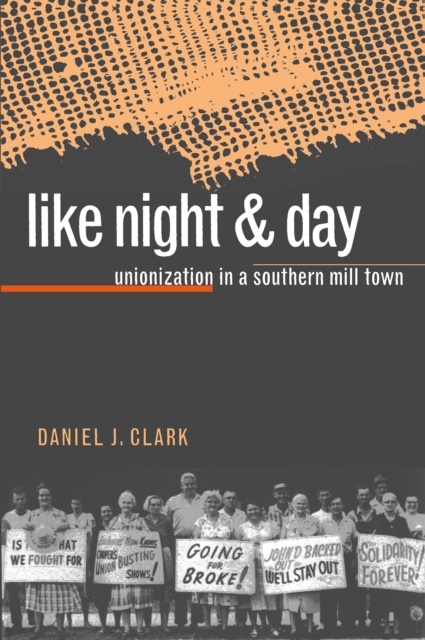
Daniel Clark demonstrates the dramatic impact unionization made on the lives of textile workers in Henderson, North Carolina, in the decade after World War II.