In July 1789 George Cadogan Morgan, born in Bridgend, Wales, and the nephew of the celebrated radical dissenter Richard Price (1723-91), found himself caught up in the opening events of the French Revolution and its consequences.
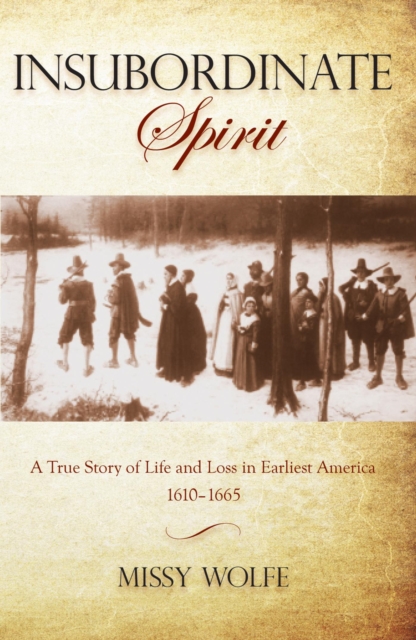
Insubordinate Spirit is a unique exploration into the life of Elizabeth Winthrop and other seventeenth-century English Puritans who emigrated to the rough, virtually untouched wilderness of present-day New England.
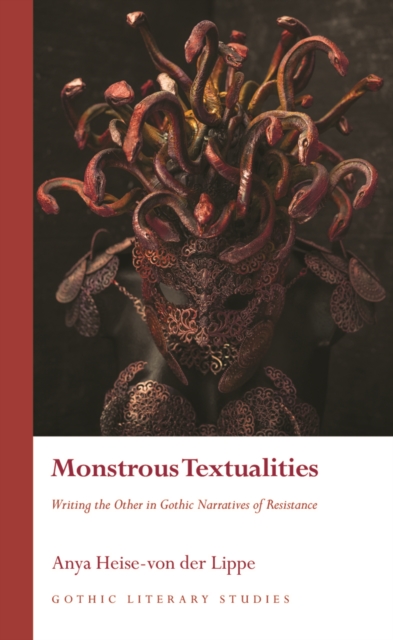
Monstrous textuality emerges when Gothic narratives like Frankenstein reflect the monstrous in their narrative structure to create narratives of resistance.
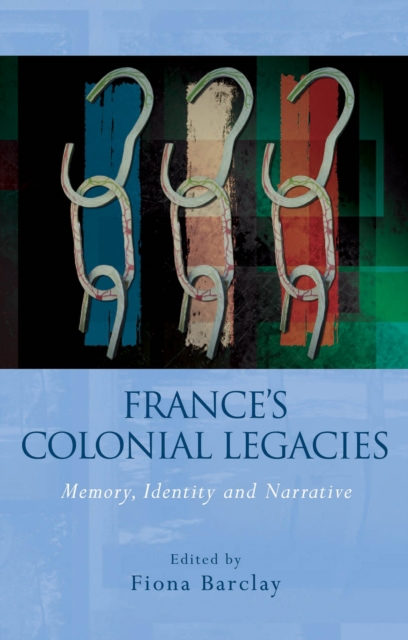
In an era of commemoration, France's Colonial Legacies contributes to the debates taking place in France about the place of empire in the contemporary life of the nation, debates that have been underway since the 1990s and that now reach across public life and society with manifestations in the French parliament, media and universities.
Seminar paper from the year 2008 in the subject South Asian Studies, South-Eastern Asian Studies, grade: 1, University of Vienna (Institut fur Ostasienwissenschaften), course: Chinese Migration, language: English, abstract: This paper focuses the Chinese of Indonesia, that group that is assumed to dominatethe economy as well as to be unassimilable (Oetomo 1989).
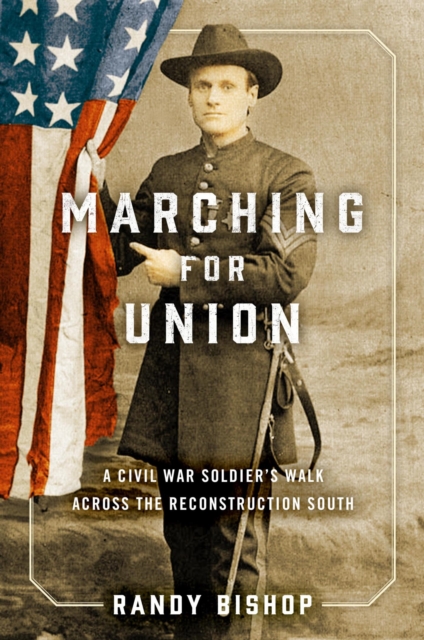
In January 1868, a Union veteran named Gilbert Bates set out from his Wisconsin farm for Vicksburg, Mississippi, to prove a point and win a bet: that he could safely walk across the postCivil War Southalone, unarmed, with no moneywhile carrying the flag of the United States.
In the space of a single year, the largest country on Earth tore up three centuries of monarchy, briefly became the freest nation in the world, and then fell to a party of revolutionaries who promised bread, peace, and land — and delivered a civil war, a secret police, and a new kind of state that would shadow the entire twentieth century.
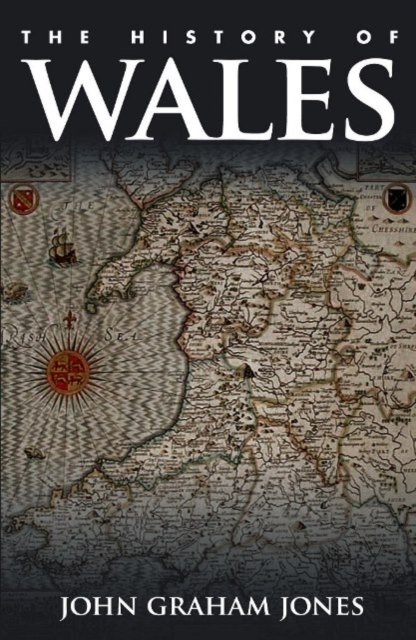
This is an engaging, best-selling volume reproduced with text panels that provide brief biographies of historical figures and descriptions of major historical sites in Wales.
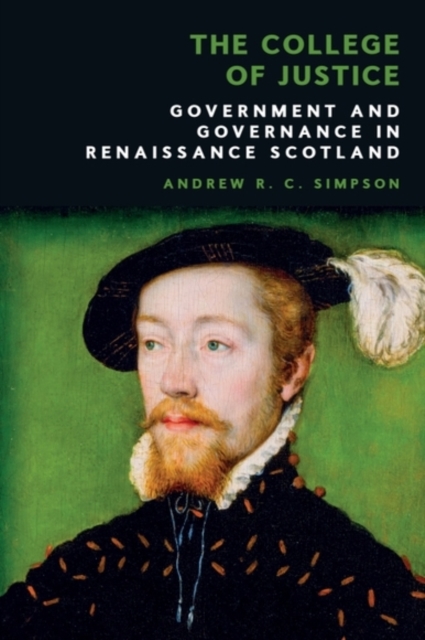
In 1532, James V instituted the College of Justice, an incorporated group of expert lawyers and administrators who were to exercise supreme Scottish civil jurisdiction.
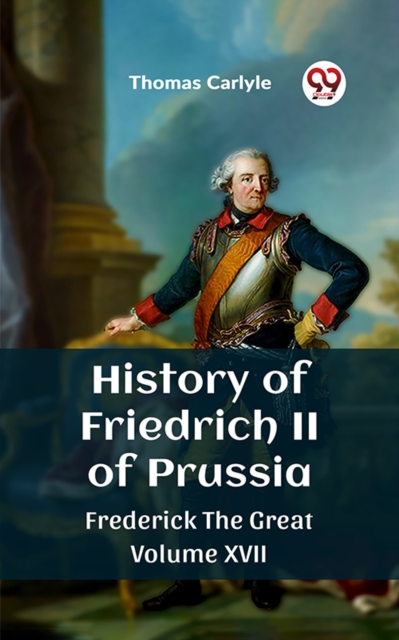
History of Friedrich II of Prussia: Frederick the Great Volume XVII by Thomas Carlyle is a biographical work that delves into the life and reign of the influential Prussian monarch.
Long before the Montgomery bus boycott ushered in the modern civil rights movement, black and white southerners struggled to forge interracial democracy in America.
Longlisted for the Baillie Gifford Prize for Non-FictionA Book of the Year in The Times, TLS and Prospect The definitive history of Britain's tumultuous relationship with Europe - as it's never been told before.
Analyzing the ideology and rhetoric around race in Cuba and south Florida during the early years of the Cuban revolution, Devyn Spence Benson argues that ideas, stereotypes, and discriminatory practices relating to racial difference persisted despite major efforts by the Cuban state to generate social equality.
Work on the miners' Lock-Out of 1926 tends to focus on the perspective of the National Union of Mineworkers, while nothing has been written which attempts to examine, for example, how miner's wives coped for six months without pay.
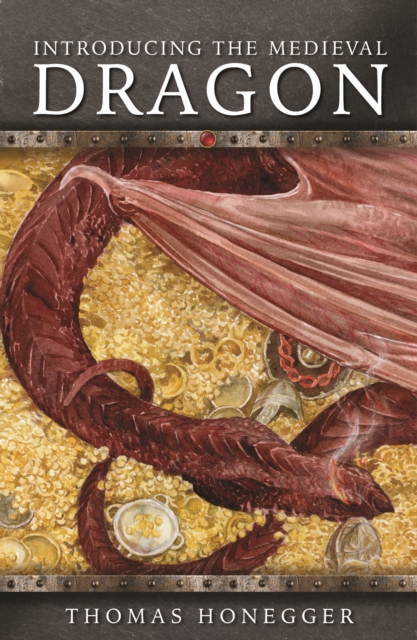
The aim of this book is to explore the characteristics of the medieval dragon and discuss the different and sometimes differing views found in the relevant medieval text types.
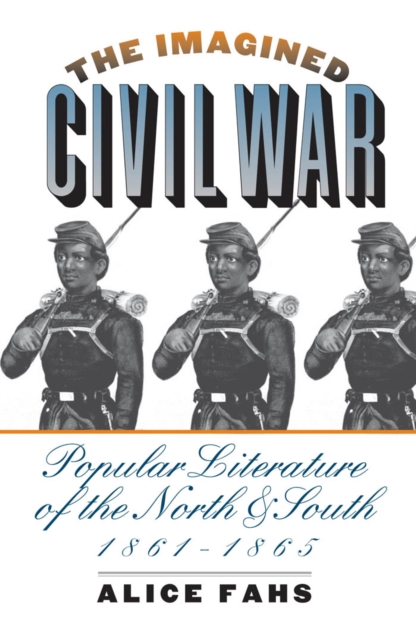
In this groundbreaking work of cultural history, Alice Fahs explores a little-known and fascinating side of the Civil War--the outpouring of popular literature inspired by the conflict.
This book asks why so many authors drew on Cornwall for inspiration across the long nineteenth century, and considers the seismic cultural changes in Cornwall that spurred this interest - from the collapse of the mining industry to the developing national rail network; from the birth of tourism to the neomedieval rise in interest in King Arthur.
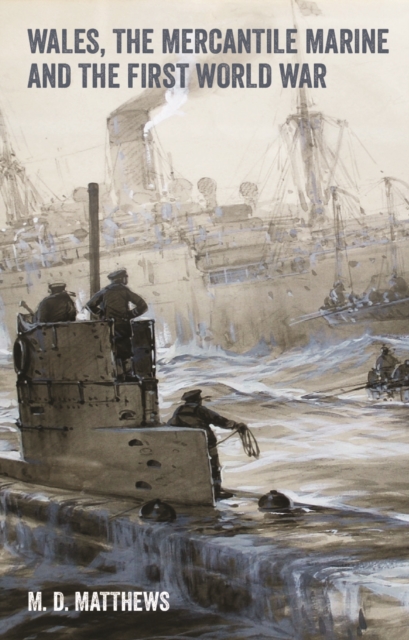
From the outbreak of war in 1914 to the creation of the Mercantile Marine Reserve and the eventual introduction of convoys in 1917, this book charts the experiences, contribution and sacrifices made by merchant mariners from Wales.
Un o brif seiliau hunaniaeth genedlaethol y Cymry yn ystod y cyfnod modern cynnar oedd eu hanes – roedd eu dealltwriaeth o’u gorffennol yn cynnig iddynt amlinelliad o’r hyn a oedd yn eu diffinio.
History of Friedrich II of Prussia: Frederick the Great Volume VI by Thomas Carlyle is a biographical work that delves into the life and reign of the influential Prussian monarch.